Functional method of treating fractures in children

Treating fractures in children requires a special approach. Firstly, young children are afraid of being hurt by the doctor. Secondly, their skeleton is constantly growing.

Today, traditional methods of fixation (complete immobilization) are gradually giving way to more modern techniques. Functional fracture treatment focuses on maintaining muscle and joint activity while stabilizing the injured area.

Best specialists
Best
specialists
Expert equipment
Expert
equipment
Advanced diagnostic treatment
Advanced diagnostic
treatment
Sign up
Fill out the entry form on the page and we will call you back
Sign up Позвонить
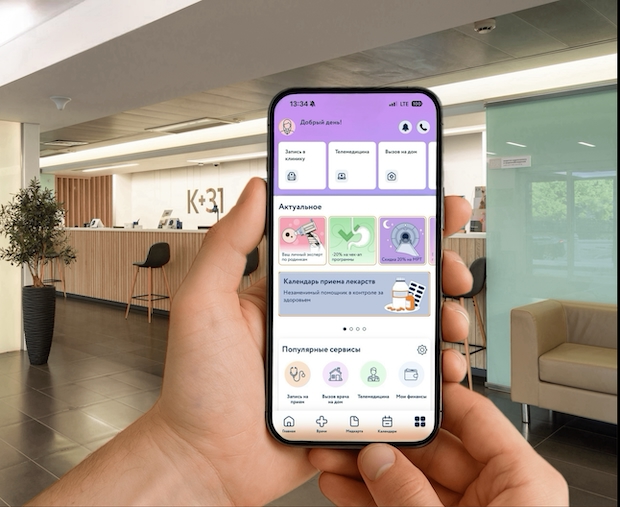
Download the application “Personal Account K+31”
Everything about your health in one click!
Subscribe to social networks K+31
To keep up to date with current offers and receive useful advice about your health.

What is a functional treatment method and what is its essence?

In pediatric orthopedics, such injuries are considered diseases affecting the entire musculoskeletal system. The main goal here is not just to wait for the bone to heal, but also to prevent soft tissue atrophy.

Principle of the method

The essence of the method is to create conditions for physiological recovery. Functional fracture treatment is based on the principle that the formation of high-quality bone tissue requires measured loads on the limb and normal blood supply. Unlike rigid fixation, this method involves the use of lightweight structures. The specialist selects immobilization devices that limit dangerous movements that can cause displacement, while allowing muscle function and movement in joints that are free of injury.

How does it differ from classic plaster cast fixation?

A plaster cast protects two adjacent joints, completely blocking their movement. After the cast is removed, the joint is locked and needs to be exercised.

An orthosis or polymer structure is lighter in weight and easier for the child to wear.

This method provides:

  • Reduced weight of the cast
  • Early patient activation
  • Maintains normal vascular and muscle tone

As a pediatric traumatologist-orthopedist notes: "In pediatric traumatology, the functional method is valuable because it helps treat a fracture while maintaining safe mobility. In my practice, this is especially important in active children: it makes it easier to return to normal activity without unnecessary stiffness."

What is a functional treatment method and what is its essence?

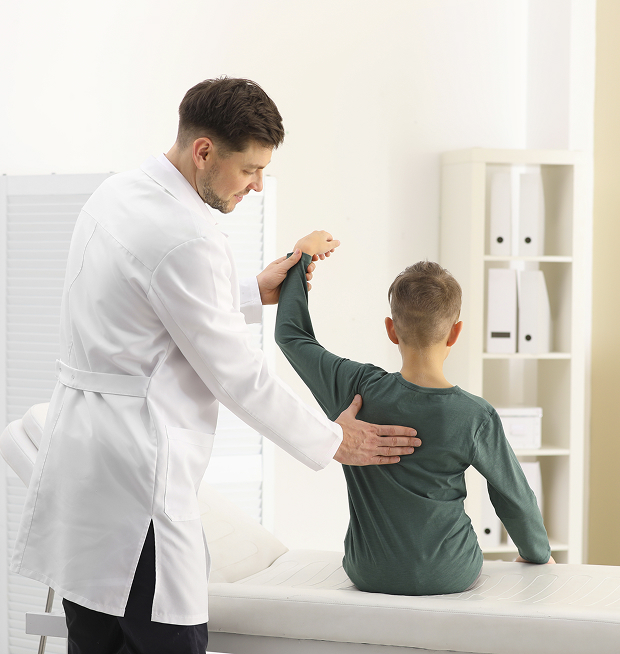
When is functional therapy appropriate for a child?
When is functional therapy appropriate for a child?

Despite its obvious advantages, this type of conservative therapy is not applicable in every case. The decision is made by the physician based on the type of injury and the location of the trauma.

Indications for this method

This approach is typically chosen when a fracture without displacement is diagnosed or when the displacement is minimal and stable. It is important that the shape of the bone defect allows the muscles to hold the fragments in the correct position.

A functional approach is justified in the following cases:

  • Stable compression injuries of the vertebral bodies
  • A fracture in a child, localized in the humerus or tibia (under certain conditions)
  • Extremity injuries where the periosteum is intact
  • Stable injury and the family's willingness to adhere to a gentle regimen

When this method is not used

There are situations where the risk outweighs the benefit. For example, if a complex displaced fracture is detected, surgery is required.

Also contraindications include open wounds in the fixation zone, severe concomitant vascular and nerve damage, and unstable fractures that can easily deform with minimal movement.
How treatment is performed step by step

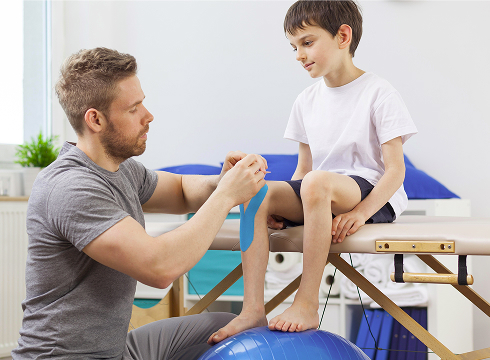
How treatment is performed step by step

The treatment process is divided into stages, each of which is strictly monitored by a traumatologist. It is important for parents to understand that conservative treatment of fractures involves more than just wearing a cast; it also involves resting the joint and following all doctor's recommendations.

Initial examination and diagnosis

A pediatric traumatologist-orthopedist first conducts an examination. They assess sensitivity and blood supply. If necessary, the doctor orders an X-ray: this is the only way to confirm the stability of the fracture fragments and decide on the treatment strategy.

At this stage, the doctor explains safety rules to parents: it is important to monitor for any increase in pain or swelling under the cast.

Immobilization and follow-up examinations

Instead of a traditional plaster cast, a splint or special orthosis is applied.

A few days later, the first follow-up examination with a traumatologist is scheduled. This is a critical step: the doctor needs to ensure that the swelling has subsided and the bone position remains unchanged.

If necessary, X-rays are ordered. It is important for the doctor to understand how the bone callus is forming. If movement of the bone fragments is visible on follow-up images, the treatment strategy is changed in favor of more rigid fixation.

Gradual restoration of movement

Once primary bone fusion is confirmed by imaging, the early activation stage begins. The child is allowed to perform simple movements. This does not yet allow full weight-bearing of the limb, but it is a way to avoid stiffness. Your doctor may allow you to remove the brace for hygiene procedures or initial exercises, if the injury type allows it.

General information

Recovery after a fracture

The final stage of treatment is aimed at fully adapting the child to physical activity. Rehabilitation, which must be consistent and painless, becomes paramount here.

Rehabilitation and physical therapy

The primary tool at this stage is physical therapy. A specially selected set of exercises helps restore muscle strength. It is important to understand that the functional method allows for the child to begin exercise much earlier than with a traditional cast.

The recovery program includes:

  • Breathing exercises and general strengthening exercises
  • Special exercises to restore joint mobility
  • Physical therapy to improve microcirculation in the injured area

Return to activity timeline

In children, bone healing occurs significantly faster than in adults due to their intense metabolism. On average, the active healing period lasts from 3 to 6 weeks.

However, don't rush into returning to sports. Training can only be resumed after a doctor has performed an X-ray and confirmed complete bone remodeling.

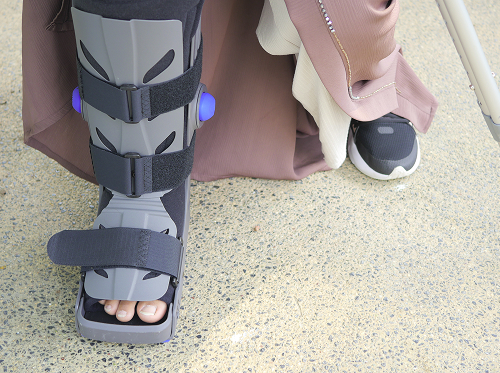
Recovery after a fracture

Advantages, limitations, and risks

To make an informed choice, parents should compare different treatment approaches. Below is a table clearly showing the differences between the methods.

CriteriaFunctional methodRigid immobilizationSurgical treatment
IndicationsStable fractures without gross displacementWhen more strict fixation is neededComplex and unstable cases
MobilityPartially preservedSeverely limitedDepends on the situation
RehabilitationUsually fasterMaybe LongerIndividual
LimitationsNot suitable for everyoneRisk of stiffnessMore invasive method

Advantages of the method for a child

The main advantage is psychological comfort. The child doesn't feel "constrained," they can move more easily, and modern fixators don't cause the same skin irritation as a traditional plaster cast. Furthermore, maintaining joint mobility eliminates the need for a long and sometimes painful recovery period after treatment.

Possible limitations

Functional fracture treatment requires a high level of discipline from parents and the patient. Due to the lighter fixation, there is a risk of recurrence of the fracture. This usually occurs due to overly active play.

If parents are unsure whether their child can remain still, the doctor may choose classic immobilization.

When urgent medical attention is needed

Parents should closely monitor their child's condition. There are certain signs that require immediate medical attention:

  1. Pain that does not subside with approved analgesics or that worsens
  2. Increasing swelling, causing the fingers to become bluish or cold
  3. Numbness or a "pins and needles" sensation in the limb
  4. Damage or displacement of the orthosis
  5. Fever or an unpleasant odor coming from under the cast
Advantages, limitations, and risks

FAQ

What is functional fracture treatment in children?

This is a modern treatment method that involves immobilizing the injured limb to preserve acceptable range of motion and quickly restore normal function. It is a form of conservative fracture treatment aimed at early muscle activation. The decision to use this method is made only by a doctor after an examination and imaging studies.

How long does recovery take?

It all depends on the type of fracture, the child's age, whether there is displacement, and the location of the injury. On average, recovery from a fracture takes between one and three months. Although children's bones heal quickly, a follow-up examination is necessary.

Is it possible to move and play during treatment?

Light daily activities are permitted. The child can walk or use their arm, as long as it does not put direct pressure on the fracture site.

How do you know when your child needs to see a doctor immediately?

If your child's pain increases, swelling increases, or the skin over the fracture changes color. Any sudden change in their condition is a reason to see a specialist immediately.

Our doctors

Polovnikova (Kroshkina) Valeria Alexandrovna
Experience 15 years
Make an appointment
Polovnikova (Kroshkina)
Valeria Alexandrovna
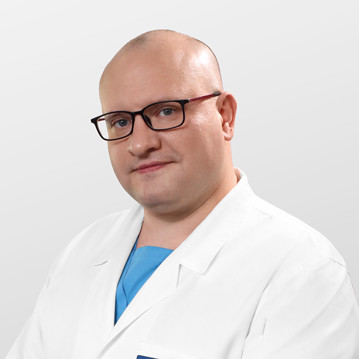
Traumatologist-orthopedist, pediatric
Lopatin Kirill Alexandrovich
Experience 16 years
Make an appointment
Lopatin
Kirill Alexandrovich
Traumatologist-orthopedist, pediatric
All specialists
2GIS Award
2GIS Award

This award is given to clinics with the highest ratings according to user ratings, a large number of requests from this site, and in the absence of critical violations.

«Good place» according to Yandex

This award is given to clinics with the highest ratings according to user ratings. It means that the place is known, loved, and definitely worth visiting.

Our doctors are laureates of the ProDoctors Award

The ProDoctors portal collected 500 thousand reviews, compiled a rating of doctors based on them and awarded the best. We are proud that our doctors are among those awarded.

Make an appointment at a convenient time on the nearest date

Price

Initial appointment with a pediatric traumatologist-orthopedist
from 8 950 ₽
Follow-up appointment with a pediatric traumatologist-orthopedist
from 7 950 ₽

Other Services

Treatment of hip sprain in a child Ankle injury in a child: treatment and recovery Calf muscle strain in children: symptoms and treatment Treatment of sprains in children: symptoms, first aid and recovery Treatment of pectoral muscle strain in children Treatment of muscle strains in children Hip sprain in children: symptoms and treatment Sprained Foot in Children: Treatment, Symptoms, First Aid, and Recovery Treatment of Achilles tendon strain in children First aid for bleeding in children: how to act quickly and safely Neck Strain in Children: Symptoms, Treatment, and Recovery Subungual hematoma in children: symptoms, first aid, and treatment in Moscow Wrist sprain in a child: symptoms, treatment, and recovery Subcutaneous hematoma in a child: symptoms, treatment, and first aid Treatment of the consequences of trauma in children Orthopedic rehabilitation for children in Moscow: recovery from injuries, surgeries, and musculoskeletal disorders Reduction of subluxations and dislocations in children Plaster cast application for a child: procedure, types of casts, and care Treatment for a child's shoulder sprain Soft tissue hematoma in a child: symptoms, first aid, and treatment Application of an immobilization bandage to children Swelling after a bruise in a child: treatment and first aid Hip contusion in a child: symptoms, first aid, and treatment Head injury in children: treatment, symptoms, and first aid Chest contusion in a child: symptoms, first aid, and treatment A child's post-injury hematoma: how to treat it, when to see a doctor, and what to do in the first few hours Hematoma on a child's arm: causes, symptoms, and treatment Treatment of a child's hand contusion: symptoms, first aid, and recovery Hematoma on a child's finger: first aid, treatment, and when to see a doctor Knee contusion in a child: treatment, symptoms, and first aid Bruised tailbone in a child: symptoms, first aid, and treatment in Moscow Elbow bruise in a child: symptoms, first aid and treatment Bruised leg in a child: symptoms, first aid and treatment Hematoma on a child's leg: causes, symptoms, first aid, and treatment Hematoma on a child's face: causes, first aid, and treatment in Moscow Treatment of groin strain in children Bruised nail in a child: treatment, first aid, symptoms, and recovery Hematoma on the head of a child: treatment and symptoms Eye hematoma in a child: treatment, first aid, and when to see a doctor Bruised ribs in children: treatment, symptoms, and first aid Back strain in children: symptoms, treatment, and recovery Soft tissue contusion in a child: symptoms, first aid, and treatment Treatment of a joint contusion in a child in Moscow: symptoms, first aid, diagnosis, and recovery Bruised nose in a child: treatment, first aid, and when to see a doctor Bruised Foot in a Child: Symptoms, First Aid, and Treatment in Moscow Bruised finger in a child: treatment, first aid, and when to see a doctor Back injury in a child: symptoms, first aid, and treatment in Moscow Bruised arm in a child: symptoms, first aid, and treatment Shoulder contusion in a child: symptoms, first aid and treatment Bruised ribs in children: symptoms, treatment, and first aid Treatment of fractures in children in Moscow Treatment of a jaw fracture in a child Compression fracture of the thoracic spine in children: treatment, diagnosis and recovery Humeral neck fracture in children: treatment, symptoms, and recovery Coccyx fracture in children: symptoms, treatment, and recovery Treatment of a broken nose in a child Patella fracture: treatment in children Sacral fracture in children: symptoms, diagnosis and treatment Treatment of metatarsal fractures in children Zygomatic bone fracture in a child: symptoms, diagnosis, treatment and recovery Conservative treatment of fractures in children: how is treatment performed without surgery? 24-hour trauma care for children: when urgent help is needed Emergency traumatology for children: urgent care for injuries
Make an appointment

Appointment to the doctor
Fill out the form, our managers will contact you within 15 minutes
Почему К+31?
К + 31 — full-cycle multidisciplinary medical centers, including the possibility of providing medical services of European quality level.
К + 31 — are leading doctors and diagnostics using high-tech equipment from world manufacturers (Karl Storz, Olympus, Siemens, Toshiba, Bausch&Lomb, Technolas, Zeiss, Topcon).
К + 31 — is ethical. The staff of K+31 clinics maintain open relationships with patients and partners. An individual approach to each patient is the basis of our service standards.
К + 31 — is modernity. On call 24/7: call center operators will answer your questions at any time and book you an appointment with doctors. Contact us by phone, through the feedback form on the website and Max.

Our clinics

Address K+31 on Lobachevskogo

st. Lobachevskogo, 42/4

Contacts

+7 499 999-31-31

Opening hours

Mon-Fri: 08:00 – 21:00
Weekend: 09:00 – 19:00
Didn't find the service you were looking for?

Экстренная помощь