
Гематома на лице у ребенка: причины, первая помощь и лечение в Москве
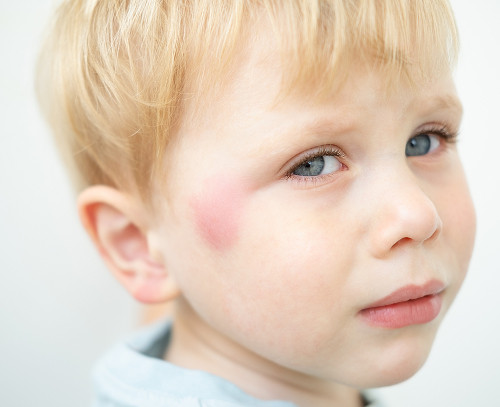
Травмы лица у детей случаются часто. Гематома на лице вызывает сильное беспокойство у мам и пап.
Рассказываем, как правильно оценить состояние, когда нужно лечение гематомы на лице и какие меры первой помощи помогут минимизировать последствия.

специалисты

оборудование

лечения



Почему у ребенка появляется гематома на лице
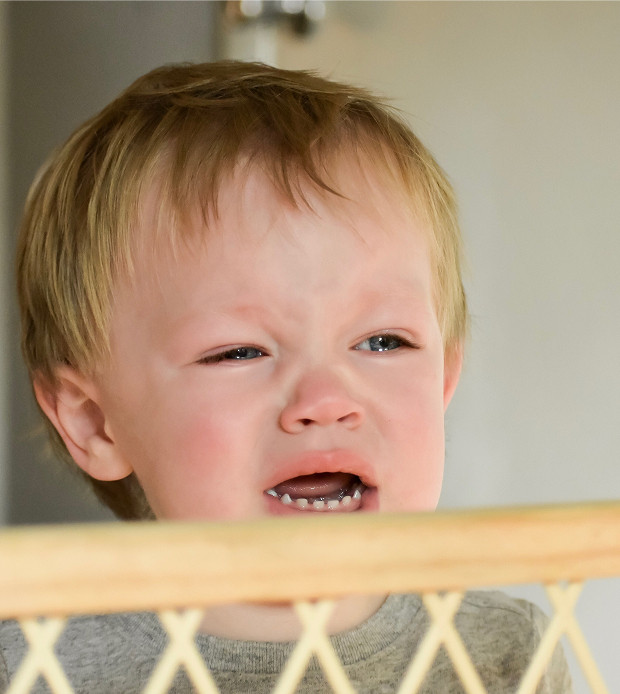
У детей тонкая кожа и хрупкие сосуды. Детские площадки и спортивные секции — главные локации, на которых случаются травмы.
Падение, удар или столкновение во время игры
Ребенок ударился лицом — частая проблема. Это случается во время бега, игры в догонялки или при столкновении с предметами мебели. У малышей, которые только начинают ходить, центр тяжести смещен, поэтому они часто падают вперед, не успевая выставить руки. В более старшем возрасте травмы связаны с качелями, самокатами и командными играми.
Ушиб мягких тканей и повреждение сосудов
Когда происходит ушиб лица у ребенка, внешняя сила воздействует на мягкие ткани, придавливая их к лицевым костям. Это приводит к разрыву мелких артерий и вен. Вышедшая из русла кровь формирует кровоподтек или гематому. Из-за интенсивного кровообращения в области головы отек лица после удара нарастает значительно быстрее, чем на руках или ногах.
Когда гематома может быть признаком более серьезной травмы
Иногда внешние проявления — лишь верхушка айсберга. Если детская травма произошла на высокой скорости или при падении с большой высоты, гематома может сопровождать повреждение надкостницы, костей носа или челюсти. В таких случаях обычный синяк на лице у ребенка требует расширенной диагностики.
Симптомы, которые должны насторожить родителей
После того как произошел удар, важно не только смотреть на место ушиба, но и оценивать общее состояние. Лицо тесно связано с полостью черепа, поэтому любая гематома на лице у ребенка требует контроля со стороны взрослых.
Когда нужна срочная медицинская помощь
Самая большая опасность при травмах лица — сопутствующее повреждение головного мозга. Даже если ушиб мягких тканей выглядит небольшим, удар мог вызвать сотрясение.
Немедленно вызывайте скорую помощь или обращайтесь в приемный покой, если наблюдаются:
- Потеря сознания (даже кратковременное)
- Рвота (даже однократная)
- Сонливость, вялость или, наоборот, чрезмерное возбуждение
- Разный размер зрачков или жалобы на плохое зрение
- Кровь или прозрачная жидкость из ушей
Локальные признаки: отек, боль, покраснение, припухлость
Сначала появляется покраснение, которое быстро синеет. Припухлость увеличивается в течение первых нескольких часов. Боль обычно острая, но потом она переходит в ноющую и усиливается при касании.
Тревожные симптомы после удара
При ударе страдают не только мягкие ткани. Немедленно обратиться к врачу необходимо в таких ситуациях:
- Появилось носовое кровотечение, которое не останавливается
- Появилась асимметрия лица, не связанная только с отеком
- Ребенку сложно открывать рот или жевать
- Растет гематома под глазом у ребенка
Первая помощь ребенку после удара
Правильные действия в первые 15–20 минут определяют, насколько масштабным будет заживление и как долго продержится отек. Первая помощь при ушибе лица должна быть оперативной, но бережной.
Холод в первые минуты и часы
Холодный компресс лучше всего останавливает кровотечение. Холод сужает сосуды, уменьшает отек и притупляет боль. Можно использовать пакет со льдом, замороженные овощи или специальный гелевый пакет (их нужно обернуть в полотенце). Компресс прикладывать на 10–15 минут, затем делать перерыв на 20 минут.
Покой и наблюдение за состоянием
Уложите ребенка так, чтобы голова была приподнята — это уменьшит отек лица после удара. В первые 2–3 часа не кормите ребенка, ограничьте воду (при подозрении на сотрясение). Наблюдайте за реакциями: как ребенок отвечает на вопросы, не изменилась ли его координация.
Что делать нельзя
Лечение гематомы на лице максимально простое. Но есть правила, которые нельзя нарушать:
- Не грейте место ушиба в первые двое суток (это усилит кровотечение и отек)
- Не массируйте и не растирайте шишку
- Не вскрывайте гематому и не выдавливайте кровь
- Не прикладывайте спиртовые компрессы
Для наглядности приведем таблицу, которая поможет быстро сориентироваться в тяжести ситуации.
| Признак | Легкая гематома | Повод срочно обратиться к врачу |
|---|---|---|
| Отек | Небольшой, локальный | Быстро увеличивается, переходит на шею или глаза |
| Боль | Умеренная, затихает в покое | Сильная, нарастающая, головная боль |
| Поведение | Обычное, быстро успокоился | Сонливость, вялость, плач без причины, спутанность |
| Зрение | Без изменений | Двоение, «вспышки», нарушение движения глаз |
| Действия | Холод, покой, наблюдение | Срочный осмотр в травмпункте |
Общая информация
Как врач оценивает травму
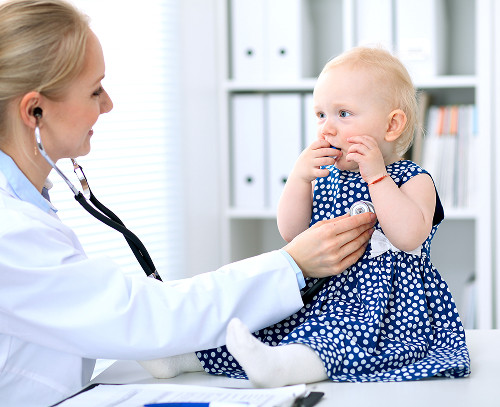
Травматолог или детский хирург проводит комплексную диагностику. Можно обратиться как в частную больницу, так и в муниципальную.
Осмотр, опрос родителей и оценка состояния ребенка
Врач проверяет костную целостность, пальпируя края глазниц, скуловые кости и нижнюю челюсть. Важно честно рассказать, как именно ребенок ударился лицом и были ли настораживающие симптомы (потеря памяти, дезориентация).
Когда назначают дополнительные обследования
Если есть подозрение на перелом носа или травму других костей черепа, назначается рентгенография. При подозрении на сотрясение или внутричерепное кровоизлияние ребенка может осмотреть невролог, а в серьезных случаях назначить КТ или МРТ головного мозга. Если пострадала зона вокруг глаз, обязателен осмотр офтальмолога для исключения отслойки сетчатки или кровоизлияния в камеру глаза.
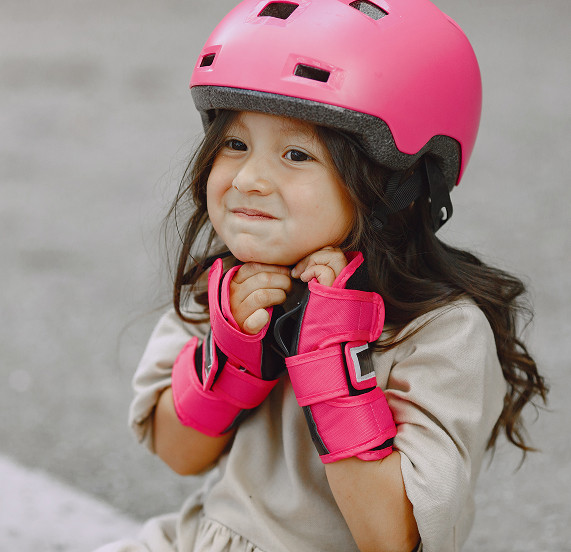
Полностью избежать падений невозможно, но реально снизить их количество и тяжесть последствий.
Безопасность дома
Проверьте дом на наличие острых углов на уровне роста ребенка. Используйте специальные мягкие накладки на углы столов и тумб. Убедитесь, что ковры не скользят по полу, а лестницы (если они есть) защищены воротами безопасности.
Безопасность на улице и в спорте
При катании на самокате, велосипеде или роликах всегда используйте шлем — он защищает не только затылок, но и лобную часть. Учите ребенка правилам падения (падать нужно на бок или вперед, выставляя руки), если это позволяет возраст.
«В моей практике большинство гематом на лице проходят быстрее, если в первые часы приложить холод. Но при рвоте, сонливости или нарастающем отеке нужен срочный осмотр», — говорит врач-травматолог.
Часто задаваемые вопросы
Сколько проходит гематома на лице у ребенка?
Можно ли греть гематому?
Когда нужно срочно к врачу?
Что делать, если гематома под глазом?
Если появилась гематома под глазом у ребенка, приложите холод через ткань. Если у ребенка ухудшилось зрение или глаз перестал полноценно открываться из-за отека, нужна консультация офтальмолога и травматолога.
Помните, что ваше спокойствие передается ребенку. При любых сомнениях обращайтесь к врачу.


Такая награда выдаётся клиникам с самым высоким рейтингом по оценкам пользователей, большим количеством обращений с данной площадки, при отсутствии критичных нарушений.

Такая награда выдается клиникам с самым высоким рейтингом по оценкам пользователей. Она означает, что место знают, любят и сюда точно нужно зайти.

Портал ПроДокторов собрал 500 тысяч отзывов, составил по ним рейтинг врачей и наградил лучших. Гордимся, что среди награжденных есть наши врачи.
Запишитесь на прием в удобное время на ближайшую дату
Стоимость
Другие услуги

Запись к врачу

Наши клиники


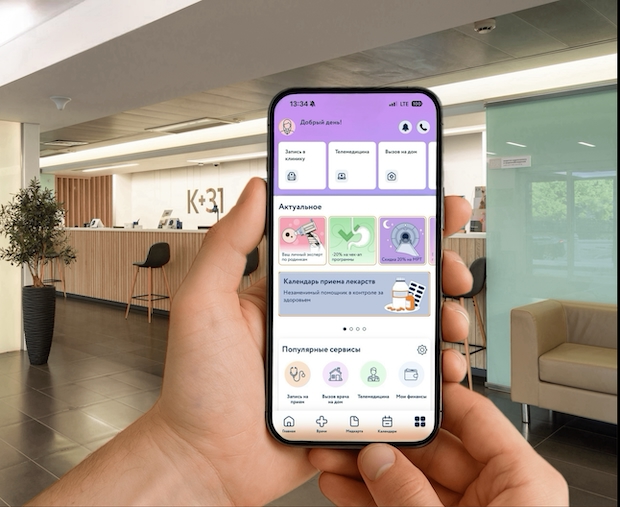
Приложение «Личный кабинет К+31»










Что такое гематома на лице и чем она отличается от синяка
Многие родители используют эти понятия как синонимы, но с медицинской точки зрения между ними есть разница. Синяк — это поверхностное повреждение капилляров, при котором кровь пропитывает мягкие ткани. Гематома на лице у ребенка — это более массивное скопление крови (ограниченная полость), возникающее из-за разрыва более крупных сосудов.
Основное отличие гематомы — наличие припухлости. Если при обычном синяке кожа просто меняет цвет, то гематома на лице сопровождается возвышением над уровнем кожи, ощутимым объемом и выраженным напряжением тканей. Из-за близости костей черепа и отсутствия развитого мышечного слоя на некоторых участках лица, кровь не может распределиться глубоко и «выходит» наружу в виде заметной шишки.