Hematoma on a Child's Head: Treatment and Symptoms

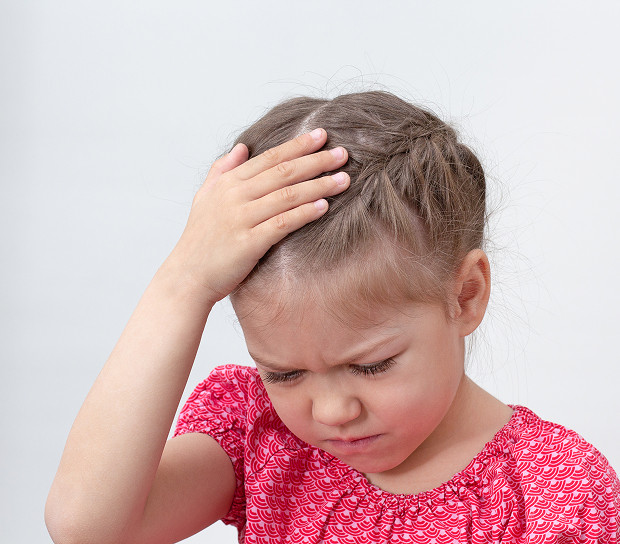
For parents, a hematoma on a child's head is always a warning sign. After a blow, it's important for the doctor to assess more than just the site of the injury. It's much more important to understand the child's overall behavior: whether there was vomiting, lethargy, or any changes in speech, gait, or consciousness. Dangerous symptoms sometimes don't develop immediately. Therefore, adults need a clear course of action from the very first minutes.

Best specialists
Best
specialists
Expert equipment
Expert
equipment
Advanced diagnostic treatment
Advanced diagnostic
treatment
Sign up
Fill out the entry form on the page and we will call you back
Sign up Позвонить
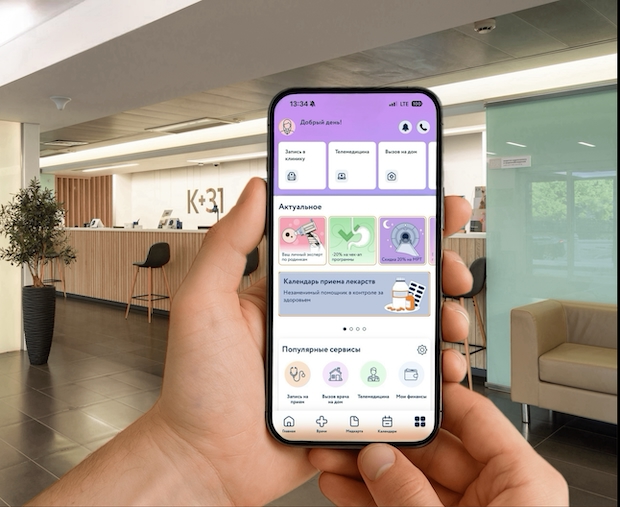
Download the application “Personal Account K+31”
Everything about your health in one click!
Subscribe to social networks K+31
To keep up to date with current offers and receive useful advice about your health.

How does blood accumulation in soft tissue occur?

How does blood accumulation in soft tissue occur?

A hematoma on the head is a collection of blood in the tissue following vascular damage. In children, this problem occurs after a fall, hitting furniture, or a collision on the playground or during sports. The doctor assesses the extent of soft tissue swelling and whether there are signs of more serious injury.

With a superficial hematoma, the skin and soft tissues are affected. With other symptoms, a fracture, concussion, and intracranial hemorrhage must be ruled out.

Types of hematomas: superficial, cephalohematoma, intracranial

A superficial hematoma is located in the soft tissues and is clearly visible from the outside. In infants, a neonatal hematoma, also known as a cephalohematoma, is considered separately. It forms under the periosteum, may not become immediately noticeable, and is sometimes related to the birth process. One cause is birth trauma.

A cephalohematoma is limited to the boundaries of one cranial bone, while a birth edema can extend through the sutures. The most dangerous type is an intracranial hematoma, because the blood accumulates within the skull, and the external picture doesn't always look dramatic.

How does blood accumulation in soft tissue occur?

How is a hematoma different from a bump or a regular bruise?

When a bump appears on a child's head, parents often assume they are the same thing. A hematoma after a blow is associated with damaged blood vessels and blood accumulation.

A simple bump can be the result of a local contusion and swelling. A bruise may be flatter and gradually change color. Other warning signs include:

  • The swelling is growing rapidly
  • The pain is increasing
  • The child becomes lethargic
  • Voming or exhibiting strange behavior

In this situation, appearance alone is no longer an option.

Why does the problem occur in children?

The causes are usually domestic. Children fall at home, hit the edge of a table, collide on the playground, or land awkwardly while running. Schoolchildren also experience rollerblading, cycling, scootering, and contact sports. Any head injury is assessed on two fronts: what's visible on the skin and how the child's condition changes.

Falls and Blows at Home

At a young age, head injuries often occur at home. A child may fall off a sofa, slip, hit a cabinet handle, or the edge of a table. Even if only a bump develops on the child's head, observation should be continued. In the next few hours, it's important to determine whether the child remains cooperative, whether there is repeated vomiting, and whether the pain is increasing.

Games, Sports, and Active Activities

In older children, a hematoma after a blow often occurs during practice, at school, or on the playground. A hit with a ball, a collision, or a fall from a bicycle are typical scenarios. However, noticeable swelling does not necessarily indicate the severity of the condition. Sometimes, while the child may appear mild, a concussion is already developing. Therefore, after sports and active play, it is important to monitor the situation after a blow and not let it slide.

Peculiarities in newborns and infants

In infants, a hematoma is not always associated with a fall. Sometimes it is detected after birth. In infants, it is more difficult to assess complaints, so behavior is used as a guide:

  • How the child sucks and sleeps
  • Responds to handling
  • Is there monotonous crying, marked lethargy, or a bulging fontanelle?

In some cases, neurosonography through an open fontanelle is used to clarify the situation.

Why does the problem occur in children?

Symptoms that need to be assessed immediately

After a blow, parents need a simple procedure. First, they assess consciousness, contact, breathing, and behavior. Then, the site of the blow: is there a wound, how severe is the soft tissue swelling, and is the pain increasing? They also look at vomiting, unsteadiness of gait, complaints of headache, and drowsiness. This is how they determine the likelihood of a simple hematoma on the child's head, and whether the situation is more serious.

Normal reaction after a blow

With a minor bruise, a child initially cries—from pain, fright, or the moment of the blow itself. Then, they gradually calm down. They recognize loved ones, answer questions, and move normally. A bruise, slight swelling, and tenderness may appear at the site of the blow. If the child's general condition remains stable, home first aid and close observation for 24 hours are sufficient.

Warning Signs

This list helps you quickly understand when to seek medical attention without delay.

  • Repeated vomiting
  • Drowsiness or unusual lethargy
  • Loss of consciousness, even briefly
  • Seizures
  • Severe headache that doesn't go away
  • Lack of coordination or speech

Even one of these symptoms after a blow requires a medical evaluation. Several signs at once increase the likelihood that an external bruise is not just localized swelling but also a more serious head injury.

When is urgent help needed?

If a child has lost consciousness, is having seizures, is vomiting repeatedly, is severely drowsy, is confused, or has difficulty speaking or walking, an urgent examination is needed. In this situation, don't wait until the next day. A visit to the emergency room, the emergency department, or an ambulance is necessary, depending on the severity of the condition. In this case, the question of when to contact a doctor is decided immediately.

Symptom Common hematoma Reason for urgent treatment
Child's condition Active, sociable Lethargic, drowsy
Symptoms Local pain, swelling Vomiting, seizures, confusion
Tactics Cool and observe Urgent medical examination

This plan helps you avoid missing any signs of worsening pain and avoid being reassured by the fact that the swelling appears small.

"In my practice, the most important thing is not the size of the lump, but the child's condition after the impact. If vomiting, drowsiness, or behavioral changes occur, the child should be seen by a doctor as soon as possible," notes the pediatric traumatologist.

General information

How a Doctor Diagnoses a Hematoma

During the examination, the doctor will determine how the child suffered the blow, whether there was a loss of consciousness, the number of vomiting episodes, how the child behaved after the injury, and whether their condition has changed. The examination includes checking consciousness, response to handling, pupils, coordination, gait, and the area of ​​the impact.

Depending on the child's situation, a traumatologist, pediatrician, or pediatric neurologist may examine the child. If the child presents immediately after an injury, the first port of call is often the emergency room.

Examination and Collection of Complaints

Age, height of fall, the object the child struck, the rate of swelling, behavioral changes, and the onset of vomiting are all important factors. Therefore, a head contusion in a child is never assessed solely by the size of the bruise. An examination is necessary to avoid missing a deeper injury.

When an ultrasound, CT scan, or other examinations are prescribed

Not all children require instrumental examinations. If the patient's condition is stable and there are no obvious risk factors, the doctor may limit the examination to a simple examination. If there is repeated vomiting, abnormal drowsiness, seizures, decreased consciousness, or a suspected fracture or severe injury, a CT scan may be necessary. In infants, an ultrasound through the fontanelle is sometimes used. This approach is necessary to promptly rule out intracranial hematoma and other complications.

How a Doctor Diagnoses a Hematoma

How to Treat a Hematoma in Children

The treatment strategy depends on the depth of the injury and the overall condition. If there are no neurological symptoms and the doctor sees a common external problem, treatment for a head hematoma is usually conservative. If the picture is alarming, the priority shifts to eliminating dangerous consequences. Further treatment for a head hematoma is based on the results of the examination and testing.

What to do in the first minutes

First aid is needed immediately after the impact. First, calm the child down. Then, sit or lie down and carefully examine the injury site. If there is an abrasion, gently blot the blood with a clean cloth. Apply a cold compress through a cloth to the area of ​​the impact for 15-20 minutes.

This can reduce pain and slow the progression of swelling. Ice should not be applied to the skin without a cloth. If the child becomes lethargic, difficult to wake, or starts vomiting, an urgent medical evaluation is needed.

Home Observation and Condition Monitoring

If the doctor has cleared the child to stay home, simply observe them closely. No rushing, no unnecessary actions. Behavior, appetite, sleep, complaints of pain, and possible vomiting are important. It's best to spend the first 24 hours calmly, without running or noisy games, because after a blow, the child needs a gentle regimen.

If swelling persists, you can reapply the cold compress, always through a cloth. Minor swelling usually doesn't go away immediately. It takes several days.

What the doctor prescribes for complications

If a more serious head injury is confirmed in the child, the approach changes. Treatment for a head hematoma in this situation depends on the underlying cause: inpatient observation, monitoring of neurological symptoms, additional imaging, and sometimes a consultation with a neurosurgeon. Self-medication without a doctor's prescription is not recommended.

How to Treat a Hematoma in Children

What not to do after a head injury

After an injury, it's important for parents not to cause harm with unnecessary actions. Avoid applying heat to the affected area during the first few hours, avoid massaging or applying pressure to the swelling, and avoid giving medications without a doctor's prescription until the situation is clear. It's not advisable to leave the child alone if their condition changes.

When a child has a head injury, sleep is acceptable, but adults should understand that the child can be awakened and will respond normally.

What not to do after a head injury

Preventing Recurring Injuries

To reduce the risk of injury, remove anything at home that could trigger a fall: slippery rugs, access to high surfaces, dangerous sharp corners without protection.

The rules are essentially the same for walks and training, but the responsibility is higher. A helmet that fits properly is essential. An adult is needed nearby.

If a child has previously had a bump on the head, it's helpful to calmly analyze the situation itself – without panicking, but carefully:

  1. Where did the fall occur?
  2. Why did the child end up in this position?
  3. What was missing for safety?

After this, it's easier to adjust both the environment and habits. Each subsequent impact is then assessed as a new incident.

Preventing Recurring Injuries

Frequently Asked Questions

When is a hematoma on a child's head dangerous?

The danger is not only related to the size of the swelling. If vomiting, severe drowsiness, loss of consciousness, seizures, increasing headache, or impaired speech or coordination occur, the child should be taken to a doctor immediately. These symptoms may accompany a complicated injury.

What should you do immediately after a head injury?

First aid is needed: calm the child, apply a cold compress through a cloth for 15-20 minutes, and arrange observation after the injury. If warning signs appear, medical attention is needed without waiting.

Should my child undergo a CT scan or ultrasound?

The doctor makes the decision after an examination. If the child's condition is stable and there are no risk factors, tests may not be necessary. If the signs are alarming, the child is referred for further treatment. At the initial stage, the pediatrician often determines the treatment plan.

How long does external swelling last after a blow?

Small changes in the area of ​​the blow usually do not immediately subside, but gradually. The first improvements will be noticeable in the next few days, but complete resolution can take one to three weeks. However, the time frame alone doesn't tell you anything. If the pain increases, the child exhibits unusual behavior, or their overall condition worsens, it's time to see a doctor again. It's important to focus not only on the appearance of the bruise, but also on how the child feels.

Our doctors

Polovnikova (Kroshkina) Valeria Alexandrovna
Experience 15 years
Make an appointment
Polovnikova (Kroshkina)
Valeria Alexandrovna
Traumatologist-orthopedist, pediatric
Lopatin Kirill Alexandrovich
Experience 16 years
Make an appointment
Lopatin
Kirill Alexandrovich
Traumatologist-orthopedist, pediatric
All specialists
2GIS Award
2GIS Award

This award is given to clinics with the highest ratings according to user ratings, a large number of requests from this site, and in the absence of critical violations.

«Good place» according to Yandex

This award is given to clinics with the highest ratings according to user ratings. It means that the place is known, loved, and definitely worth visiting.

Our doctors are laureates of the ProDoctors Award

The ProDoctors portal collected 500 thousand reviews, compiled a rating of doctors based on them and awarded the best. We are proud that our doctors are among those awarded.

Make an appointment at a convenient time on the nearest date

Price

Initial appointment with a pediatric traumatologist-orthopedist
from 8 950 ₽
Follow-up appointment with a pediatric traumatologist-orthopedist
from 7 950 ₽

Other Services

Treatment of hip sprain in a child Ankle injury in a child: treatment and recovery Calf muscle strain in children: symptoms and treatment Treatment of sprains in children: symptoms, first aid and recovery Treatment of pectoral muscle strain in children Treatment of muscle strains in children Hip sprain in children: symptoms and treatment Sprained Foot in Children: Treatment, Symptoms, First Aid, and Recovery Treatment of Achilles tendon strain in children First aid for bleeding in children: how to act quickly and safely Neck Strain in Children: Symptoms, Treatment, and Recovery Subungual hematoma in children: symptoms, first aid, and treatment in Moscow Wrist sprain in a child: symptoms, treatment, and recovery Subcutaneous hematoma in a child: symptoms, treatment, and first aid Treatment of the consequences of trauma in children Orthopedic rehabilitation for children in Moscow: recovery from injuries, surgeries, and musculoskeletal disorders Reduction of subluxations and dislocations in children Plaster cast application for a child: procedure, types of casts, and care Treatment for a child's shoulder sprain Soft tissue hematoma in a child: symptoms, first aid, and treatment Application of an immobilization bandage to children Swelling after a bruise in a child: treatment and first aid Hip contusion in a child: symptoms, first aid, and treatment Head injury in children: treatment, symptoms, and first aid Chest contusion in a child: symptoms, first aid, and treatment A child's post-injury hematoma: how to treat it, when to see a doctor, and what to do in the first few hours Hematoma on a child's arm: causes, symptoms, and treatment Treatment of a child's hand contusion: symptoms, first aid, and recovery Hematoma on a child's finger: first aid, treatment, and when to see a doctor Knee contusion in a child: treatment, symptoms, and first aid Bruised tailbone in a child: symptoms, first aid, and treatment in Moscow Elbow bruise in a child: symptoms, first aid and treatment Bruised leg in a child: symptoms, first aid and treatment Hematoma on a child's leg: causes, symptoms, first aid, and treatment Hematoma on a child's face: causes, first aid, and treatment in Moscow Treatment of groin strain in children Bruised nail in a child: treatment, first aid, symptoms, and recovery Eye hematoma in a child: treatment, first aid, and when to see a doctor Bruised ribs in children: treatment, symptoms, and first aid Back strain in children: symptoms, treatment, and recovery Soft tissue contusion in a child: symptoms, first aid, and treatment Treatment of a joint contusion in a child in Moscow: symptoms, first aid, diagnosis, and recovery Bruised nose in a child: treatment, first aid, and when to see a doctor Bruised Foot in a Child: Symptoms, First Aid, and Treatment in Moscow Bruised finger in a child: treatment, first aid, and when to see a doctor Back injury in a child: symptoms, first aid, and treatment in Moscow Bruised arm in a child: symptoms, first aid, and treatment Shoulder contusion in a child: symptoms, first aid and treatment Bruised ribs in children: symptoms, treatment, and first aid Zygomatic bone fracture in a child: symptoms, diagnosis, treatment and recovery Emergency traumatology for children: urgent care for injuries
Make an appointment

Appointment to the doctor

Fill out the form, our managers will contact you within 15 minutes
Почему К+31?
К + 31 — full-cycle multidisciplinary medical centers, including the possibility of providing medical services of European quality level.
К + 31 — are leading doctors and diagnostics using high-tech equipment from world manufacturers (Karl Storz, Olympus, Siemens, Toshiba, Bausch&Lomb, Technolas, Zeiss, Topcon).
К + 31 — is ethical. The staff of K+31 clinics maintain open relationships with patients and partners. An individual approach to each patient is the basis of our service standards.
К + 31 — is modernity. On call 24/7: call center operators will answer your questions at any time and book you an appointment with doctors. Contact us by phone, through the feedback form on the website and Max.

Our clinics

Address K+31 on Lobachevskogo

st. Lobachevskogo, 42/4

Contacts

+7 499 999-31-31

Opening hours

Mon-Fri: 08:00 – 21:00
Weekend: 09:00 – 19:00
Didn't find the service you were looking for?

Экстренная помощь