
Scapula fracture in children: symptoms, diagnosis and treatment
In children, flat bone injuries are significantly less common than injuries to the long bones of the extremities. Scapula fractures in children are rare but require special attention. The scapula is protected by a strong muscular framework, so significant mechanical force is required to injure it.
The scapula is closely connected to the shoulder joint and rib cage. Early treatment of a scapula fracture can help prevent chronic pain and postural problems.

specialists

equipment

treatment



Causes of trauma in children
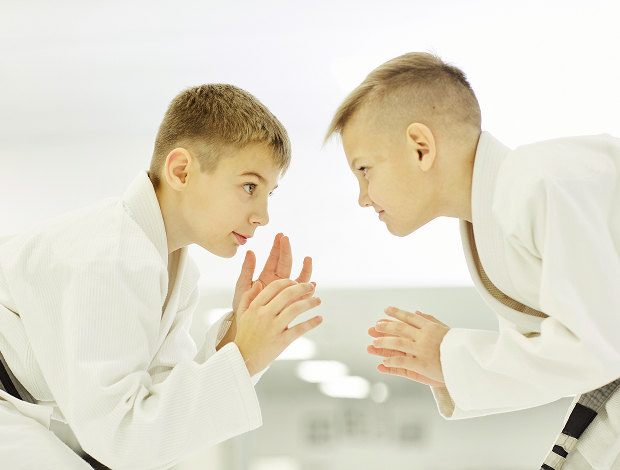
Scapula fractures are rare. Such injuries occur only with strong blows and falls from great heights.
Fall, impact, sports injury
Most often, the injury occurs from a fall from a great height onto the back or from a direct, strong blow from a heavy object. Sports injuries can also be a cause: this occurs in contact sports, equestrian sports, or extreme cycling. An unsuccessful landing on the scapula can result in damage to its shaft, neck, or processes.
Road traffic and combined injuries
Road traffic accidents are one of the main causes of serious bone injuries. In such cases, scapula fractures in children are rarely isolated. Associated injuries are often diagnosed: traumatic brain injuries, clavicle fractures, or contusions of internal organs.
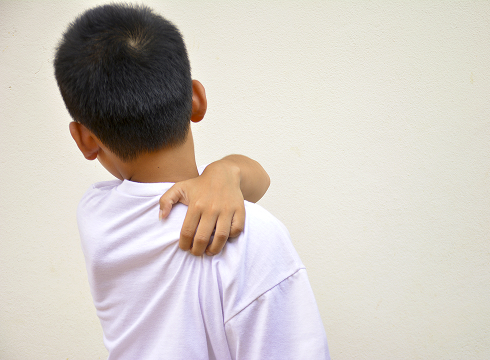
Symptoms of a scapula fracture in a child
The clinical picture may be vague, as the bone is deeply hidden under the muscles. However, there are specific signs that suggest something is wrong.
Pain, limited movement, and a forced arm position
The main symptom is acute pain in the child's shoulder blade, which intensifies when attempting to move the arm or take a deep breath. The child also experiences limited shoulder motion: they cannot raise their arm above their chest. Often, the child presses the injured limb to their torso, trying to immobilize the shoulder girdle as much as possible.
Swelling, hematoma, tenderness
Swelling and hematoma may be visible in the back area. The skin becomes tense, and any touch to the scapula causes sharp crying or complaints. In some cases, the doctor may feel a crunching sound when palpating the fractured bone, but parents should not palpate the injured area themselves.
Signs that require ruling out concomitant injuries
If, along with back pain, the child develops shortness of breath, pale skin, or a cough, this may indicate a chest injury. A severe bruise to the scapula can mask a fracture, so if at least one of these symptoms is present, immediate diagnosis of a scapula fracture in a hospital setting is required.
How is a scapula fracture diagnosed?
Diagnosis begins with a clinical examination and continues with the use of imaging techniques.
Examination by an orthopedic traumatologist
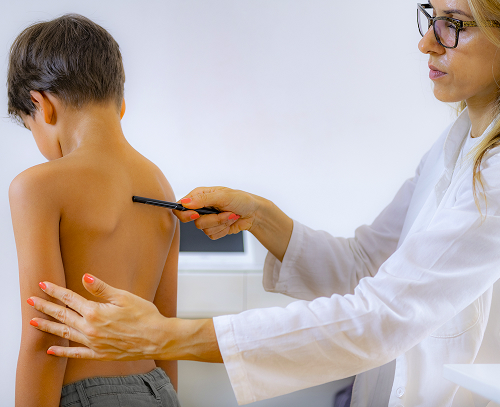
First, the orthopedic traumatologist assesses the symmetry of the scapulae, the position of the shoulder, and the sensitivity of the skin on the arm. They need to ensure that the subscapular nerve is not damaged. Next, the doctor checks the range of passive motion and identifies the most painful points.
X-rays, CT, and other methods as indicated
The main method of initial examination is an X-ray of the scapula in several projections. However, due to the overlapping rib shadows and the complex shape of the bone itself, X-rays do not always provide a complete picture. In complex cases, if a displaced scapula fracture is suspected, a CT scan of the shoulder girdle is prescribed. CT allows for a detailed examination of fracture lines and an assessment of the condition of the glenoid cavity.
General information
Treatment of scapula fractures in children
In childhood, most such injuries respond to conservative treatment due to the high regenerative capacity of tissues.
Conservative treatment: immobilization, rest, observation
The primary treatment for a scapula fracture is to create conditions for healing. This involves immobilizing the arm. The limb is fixed in a position that prevents weight bearing on the scapula. The child is prescribed bed rest or gentle rest in the first few days after the incident.
When surgery might be required
Surgical intervention is rarely required. The main indications for this procedure are:
- Significant displacement of fragments (more than 5–10 mm)
- Damage to the articular surface of the scapula
- Combination with a clavicle fracture ("floppy shoulder")
- Compression of nerve trunks by bone fragments
In such cases, osteosynthesis is performed—alignment and fixation of the bone with metal structures.
Pain relief and monitoring of the child's condition
For severe pain, pain relief is prescribed. The doctor may prescribe nonsteroidal anti-inflammatory drugs in pediatric dosages. Progress should be monitored: swelling should decrease and the absence of neurological impairment.


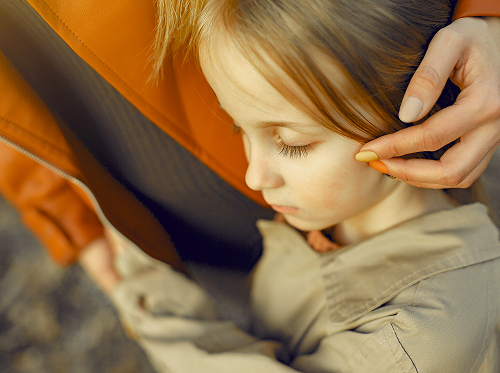
A fractured scapula in a child can be prevented by teaching them how to fall correctly.
If your child plays sports, be sure to use protective equipment.
FAQ
How can you tell if a child may have a scapula fracture?
How is a scapula fracture treated in children?
How long does it take for a child's scapula fracture to heal?
When should you seek urgent medical attention?
A fractured scapula in a child is a serious injury, but with prompt treatment by a specialist, it has a favorable prognosis. The main thing is to ensure the child rests during the first few weeks and completes a full rehabilitation course under the supervision of a doctor.



This award is given to clinics with the highest ratings according to user ratings, a large number of requests from this site, and in the absence of critical violations.

This award is given to clinics with the highest ratings according to user ratings. It means that the place is known, loved, and definitely worth visiting.

The ProDoctors portal collected 500 thousand reviews, compiled a rating of doctors based on them and awarded the best. We are proud that our doctors are among those awarded.
Make an appointment at a convenient time on the nearest date
Price
Other Services

Appointment to the doctor


Our clinics


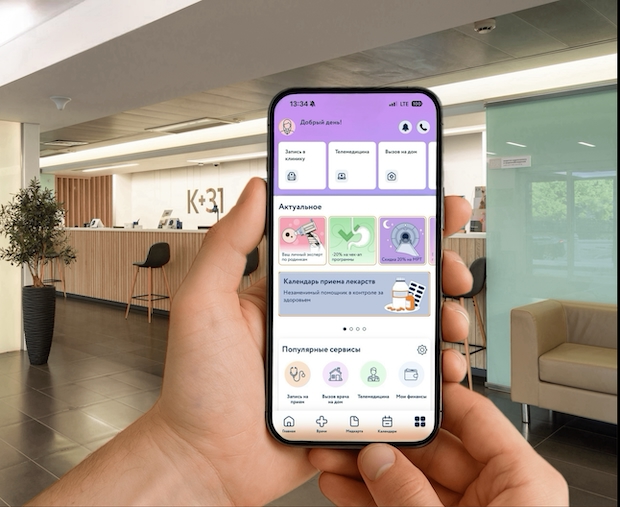
Application “Personal Account K+31”











What is a scapula fracture and why does it require attention?
The main danger lies in the fact that the scapula covers the back of the chest. A scapula fracture in a child can be accompanied by damage to the ribs, lungs, or major vessels. Therefore, the doctor's attention is focused not only on the bone itself, but also on the overall condition of the vital systems.