Bruised Ribs in a Child: Treatment, Symptoms, and First Aid

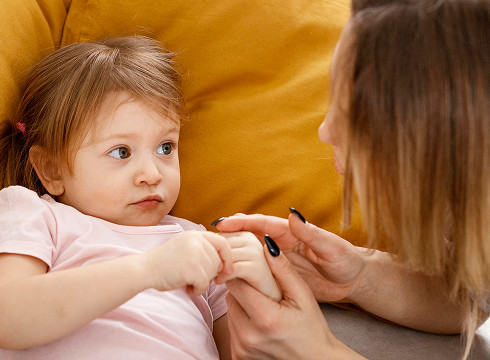
After a fall or a blow to the chest, a child may complain of pain when moving, laughing, and breathing. From the outside, it may look like a normal bruise on the chest, but a bruise alone cannot indicate the depth of tissue damage. Bruised ribs in a child often resolve without serious consequences, but any chest injury in children requires careful observation from the first few hours.

When searching online for "bruised rib treatment" and "bruised rib treatment," parents often act at random. Initially, after a blow, the most important thing is not ointments or heat. Rest, cold, and breathing control are the first steps.

Best specialists
Best
specialists
Expert equipment
Expert
equipment
Advanced diagnostic treatment
Advanced diagnostic
treatment
Sign up
Fill out the entry form on the page and we will call you back
Sign up Позвонить
Download the application “Personal Account K+31”
Everything about your health in one click!
Subscribe to social networks K+31
To keep up to date with current offers and receive useful advice about your health.

What is a rib contusion and why is it more dangerous than it seems?

A rib contusion or fracture affects the soft tissues of the chest wall, muscles, and tissues around the rib. The pain intensifies with twisting, laughing, coughing, and deep breathing. In children, the force of the blow and the appearance of the injury don't always match: a child's chest is more elastic, so significant internal damage can be accompanied by relatively subtle external signs.

What's the difference between a rib contusion and a fracture?

The main question parents have is simple: is it a rib contusion or a fracture? It's impossible to tell the difference at home. With a contusion, the pain can be moderate or severe; with a fracture, it's often sharper and more severely restricts breathing, but there's no clear boundary based on sensation. Sometimes, with a fracture, there's almost no external bruising, while with a contusion, on the contrary, swelling and tenderness are noticeable.

Sign Rib contusion Rib fracture What's important
Pain moderate or severe usually sharp watch the dynamics
Breathing may be painful often severely limited assess shortness of breath
External Changes Swelling, bruising Bruising may be absent Don't judge by skin alone
Tactics Rest, observation, see a doctor if complaints arise Mandatory examination Don't delay seeking medical attention

This comparison is useful only as a guide. A fracture or deeper injury cannot be reliably ruled out based on home symptoms.

Why children require special care

A child's chest is more elastic than an adult's. Therefore, the external scar after a blow sometimes appears subtle, although the internal pain is already pronounced. Furthermore, young children don't always accurately describe their complaints, making it easy to overlook important signs.

What is a rib contusion and why is it more dangerous than it seems?

Symptoms of rib contusion in a child

Symptoms of rib contusion in a child

The initial symptoms can worsen over several hours, so it's best to assess the symptoms of a rib contusion over time rather than just once. Initially, the picture may be blurred, but then the pain becomes more noticeable.

When pain and bruising can be cause for concern

A bruise alone is of little use. A doctor is needed quickly if there is severe pain when inhaling, pain increases when coughing, weakness or paleness develops, or the child has difficulty finding a comfortable position. After a direct blow to the chest and pain occurs when taking a deep breath, pediatric emergency care advises not to delay an examination.

How to tell if breathing has become shallow

The child begins to take short, careful breaths, tries to speak less, protects the chest, and winces when trying to breathe deeply. In young children, a warning sign is retraction of the spaces between the ribs when inhaling. Intercostal retractions are considered a sign of respiratory distress and warrant urgent medical evaluation.

Symptoms of rib contusion in a child

Main Signs of Trauma

Chest trauma usually manifests itself immediately. In a child, it looks standard, and the symptoms are fairly clear.

  • The site of the injury aches and hurts.
  • A sharp pain occurs when inhaling.
  • The child feels discomfort; pain occurs when coughing or laughing.
  • Pressing on the ribs causes pain.
  • Swelling or bruising develops.
  • The child tries not to turn or twist their body too much.

Usually, it's just a bruise. Watch how they act: if they speak calmly and their breathing is normal, then only soft tissue is affected. However, if swelling and pain increase rapidly, you can't stay home—take them to the doctor.

First Aid for Bruised Ribs

First Aid for Bruised Ribs

In the first few hours, it's important not to aggravate the injury. It's also important not to overlook any signs of worsening. Proper first aid for bruised ribs is based on simple steps.

What to do in the first hours after a blow

The sequence is as follows:

  • Keep the child calm
  • Sit or lay them down in a position that is most comfortable for them
  • Apply a cold compress through a cloth for 10-15 minutes
  • Observe how they breathe
  • Check if they can speak calmly
  • If the pain intensifies, consult a doctor

Cold in the first hours will help reduce pain and swelling. Monitoring breathing will allow you to notice any deterioration in time.

What not to do

There are several mistakes. And they hinder recovery. Don't:

  • Tightly bandage the chest
  • Warm the affected area during the first 24 hours
  • Use aggressive massage
  • Administer medications without regard to age or dosage
  • Force the child to endure pain without examination

Parents often search for advice on "bruised rib treatment" and "bruised rib treatment." They end up finding recommendations for warming. However, this tactic is not considered safe for children. Tight bandaging is also unsuitable. It interferes with normal breathing and increases the risk of respiratory complications.

How to monitor your child's condition at home

Home monitoring is acceptable if the pain gradually subsides and breathing remains regular. And if the child's condition does not worsen. However, if after several hours the pain when inhaling does not subside or worsens, it's best to take the child to a doctor. A re-evaluation is also necessary if the pain interferes with deep breathing or normal coughing.

General information

How a Doctor Confirms a Diagnosis

A home assessment is only necessary at the very beginning – to understand how to proceed in the first few minutes. Afterward, the child should be examined by a doctor. It's important not only to determine whether a rib is bruised. It's also important to rule out a more serious injury and check for breathing problems.

Examination and Collection of Complaints

During the appointment, the doctor clarifies how the blow occurred, whether the pain intensifies with movement, and whether there are any breathing problems. Then, they examine the chest, assessing whether there is a bruise on the chest, the severity of the pain, and how the child is breathing. A pediatric traumatologist is often the first specialist consulted.

When an X-ray, ultrasound, or other examination is needed

Not every child needs a chest X-ray. A chest X-ray is done when indicated, not just in case. If the doctor sees a risk of fracture, suspects serious injury, complications, or notices breathing complaints, an examination is ordered. In severe chest trauma, a chest X-ray is usually the first step. Ultrasound is also used in this situation to check for hemopneumothorax and other acute conditions.

How to rule out complications

During the examination, the doctor looks at more than just the ribs. It's important to consider how the child is breathing. What is their respiratory rate? What is their oxygen saturation? Is there pallor or cyanosis of the skin? Is there weakness? Is the child maintaining normal activity? If complications are suspected, the approach changes immediately.

Doctor's quote:

"In my practice, a child's chest trauma may not look as serious in the first minutes as it actually is." If it hurts for him to take a deep breath, he breathes shallowly, or barely moves, it’s better not to delay the examination,” says the traumatologist.

How a Doctor Confirms a Diagnosis

Treatment of Rib Bruises in Children

Once a fracture and dangerous consequences have been ruled out, a gentle regimen becomes the basis. In most cases, treatment of rib bruises in children is conservative.

Rest and Limitation of Physical Activity

In the first few days, the child needs a gentle regimen. Running, jumping, and sports are best temporarily avoided. Limiting physical activity reduces pain and helps tissues recover. Later, the restriction of physical activity is gradually lifted when the child is again moving without significant discomfort.

Pain Relief and Observation

If a child experiences pain when breathing and moving, they involuntarily begin to spare their chest. This causes shallow breathing, and the risk of pulmonary congestion increases. Therefore, pain relief for children is selected based on their age and only in the appropriate dosage. Proper pain management helps children get through the first few days more easily and prevents pain from interfering with normal breathing.

Why it's important not to tolerate pain "on your feet"

When a child tolerates pain and still runs, jumps, and moves a lot, recovery is often delayed. The request for treatment of rib contusions in children shouldn't lead parents to believe that a regimen is unnecessary. In the first few days, it's best to avoid unnecessary stress and calmly monitor their breathing.

Treatment of Rib Bruises in Children

How long does recovery take?

Parents are almost always concerned about how long it will take to recover from an injury.

What determines healing time?

If the injury is mild, the first noticeable improvements often appear within 1–3 weeks. However, pain when breathing or coughing may not subside immediately. Rib injury information sheets provide a reasonable estimate of recovery time, ranging from several weeks to several months. The force of the impact and the depth of the injury play a significant role. Therefore, some children recover more quickly than others.

When can I return to sports and active play?

It's best to return to physical activity when breathing, turning, coughing, or walking at a brisk pace no longer hurts. While discomfort persists, it's best to wait with sports. Rushing the injury can intensify the pain, and recovery will be slower.

How long does recovery take?

When to See a Doctor Urgently

Some signs require same-day examination, and sometimes immediate care.

Warning Symptoms That Don't Wait

Seek immediate care immediately if you experience severe shortness of breath, extreme weakness, pallor, blueness around the lips, a sudden increase in pain, and difficulty breathing normally. Severe breathing difficulties and a child appearing very weak or drowsy also warrant emergency care.

Signs That May Indicate a More Serious Injury

Signs that may indicate a more serious injury include coughing up blood, increasing drowsiness, sharp pain with every movement, and a rapid deterioration in condition. Even if a chest contusion initially appears, a more serious injury may later be discovered. Therefore, the question of how a rib contusion differs from a fracture is ultimately decided by a doctor.

When to See a Doctor Urgently

Frequently Asked Questions

How can you tell if a child has a bruised rib and not a fracture?

It's impossible to determine this for sure at home. The symptoms of a bruised rib and a fracture can overlap. Severe pain, severe difficulty breathing, and a deterioration in well-being are alarming.

What should you do immediately after a bruise?

Rest, a comfortable position, and a cold compress applied through a cloth for 10-15 minutes are essential. Then, it's important to observe whether breathing becomes more rapid or shallow.

How long does it take for a child's rib bruise to heal?

If a child has a confirmed rib bruise without complications, noticeable improvement usually occurs within the first week, and significant recovery often takes 1-3 weeks. With a more severe bruise, pain may persist longer.

When should you seek urgent medical attention?

Immediately, if shortness of breath, sudden weakness, severe pain, inability to take a deep breath, or a rapid deterioration in condition occur. Searching for "rib contusion" at this point no longer requires treatment—in-person assistance is essential.

Once a contusion is confirmed, treatment for rib contusions in children usually involves rest, pain control, and observation. However, judging such an injury by its appearance is dangerous. If breathing changes or the child's condition worsens, it's best to take the child to a doctor the same day.

Our doctors

Polovnikova (Kroshkina) Valeria Alexandrovna
Experience 15 years
Make an appointment
Polovnikova (Kroshkina)
Valeria Alexandrovna
Traumatologist-orthopedist, pediatric
Lopatin Kirill Alexandrovich
Experience 16 years
Make an appointment
Lopatin
Kirill Alexandrovich
Traumatologist-orthopedist, pediatric
All specialists
2GIS Award
2GIS Award

This award is given to clinics with the highest ratings according to user ratings, a large number of requests from this site, and in the absence of critical violations.

«Good place» according to Yandex

This award is given to clinics with the highest ratings according to user ratings. It means that the place is known, loved, and definitely worth visiting.

Our doctors are laureates of the ProDoctors Award

The ProDoctors portal collected 500 thousand reviews, compiled a rating of doctors based on them and awarded the best. We are proud that our doctors are among those awarded.

Make an appointment at a convenient time on the nearest date

Price

Initial appointment with a pediatric traumatologist-orthopedist
from 8 950 ₽
Follow-up appointment with a pediatric traumatologist-orthopedist
from 7 950 ₽

Other Services

Treatment of hip sprain in a child Ankle injury in a child: treatment and recovery Calf muscle strain in children: symptoms and treatment Treatment of sprains in children: symptoms, first aid and recovery Treatment of pectoral muscle strain in children Treatment of muscle strains in children Hip sprain in children: symptoms and treatment Sprained Foot in Children: Treatment, Symptoms, First Aid, and Recovery Treatment of Achilles tendon strain in children First aid for bleeding in children: how to act quickly and safely Neck Strain in Children: Symptoms, Treatment, and Recovery Subungual hematoma in children: symptoms, first aid, and treatment in Moscow Wrist sprain in a child: symptoms, treatment, and recovery Subcutaneous hematoma in a child: symptoms, treatment, and first aid Treatment of the consequences of trauma in children Orthopedic rehabilitation for children in Moscow: recovery from injuries, surgeries, and musculoskeletal disorders Reduction of subluxations and dislocations in children Plaster cast application for a child: procedure, types of casts, and care Treatment for a child's shoulder sprain Soft tissue hematoma in a child: symptoms, first aid, and treatment Application of an immobilization bandage to children Swelling after a bruise in a child: treatment and first aid Hip contusion in a child: symptoms, first aid, and treatment Head injury in children: treatment, symptoms, and first aid Chest contusion in a child: symptoms, first aid, and treatment A child's post-injury hematoma: how to treat it, when to see a doctor, and what to do in the first few hours Hematoma on a child's arm: causes, symptoms, and treatment Treatment of a child's hand contusion: symptoms, first aid, and recovery Hematoma on a child's finger: first aid, treatment, and when to see a doctor Knee contusion in a child: treatment, symptoms, and first aid Bruised tailbone in a child: symptoms, first aid, and treatment in Moscow Elbow bruise in a child: symptoms, first aid and treatment Bruised leg in a child: symptoms, first aid and treatment Hematoma on a child's leg: causes, symptoms, first aid, and treatment Hematoma on a child's face: causes, first aid, and treatment in Moscow Treatment of groin strain in children Bruised nail in a child: treatment, first aid, symptoms, and recovery Hematoma on the head of a child: treatment and symptoms Eye hematoma in a child: treatment, first aid, and when to see a doctor Back strain in children: symptoms, treatment, and recovery Soft tissue contusion in a child: symptoms, first aid, and treatment Treatment of a joint contusion in a child in Moscow: symptoms, first aid, diagnosis, and recovery Bruised nose in a child: treatment, first aid, and when to see a doctor Bruised Foot in a Child: Symptoms, First Aid, and Treatment in Moscow Bruised finger in a child: treatment, first aid, and when to see a doctor Back injury in a child: symptoms, first aid, and treatment in Moscow Bruised arm in a child: symptoms, first aid, and treatment Shoulder contusion in a child: symptoms, first aid and treatment Bruised ribs in children: symptoms, treatment, and first aid Zygomatic bone fracture in a child: symptoms, diagnosis, treatment and recovery Emergency traumatology for children: urgent care for injuries
Make an appointment

Appointment to the doctor

Fill out the form, our managers will contact you within 15 minutes
Почему К+31?
К + 31 — full-cycle multidisciplinary medical centers, including the possibility of providing medical services of European quality level.
К + 31 — are leading doctors and diagnostics using high-tech equipment from world manufacturers (Karl Storz, Olympus, Siemens, Toshiba, Bausch&Lomb, Technolas, Zeiss, Topcon).
К + 31 — is ethical. The staff of K+31 clinics maintain open relationships with patients and partners. An individual approach to each patient is the basis of our service standards.
К + 31 — is modernity. On call 24/7: call center operators will answer your questions at any time and book you an appointment with doctors. Contact us by phone, through the feedback form on the website and Max.

Our clinics

Address K+31 on Lobachevskogo

st. Lobachevskogo, 42/4

Contacts

+7 499 999-31-31

Opening hours

Mon-Fri: 08:00 – 21:00
Weekend: 09:00 – 19:00
Didn't find the service you were looking for?

Экстренная помощь