Treatment of Radius Fractures in Children

Forearm injuries are a leading cause of orthopedic problems. Timely treatment of a radius fracture in children requires an accurate diagnosis and a competent approach to rehabilitation. This helps avoid unpleasant consequences and fully restore normal mobility to the limb.

Remember that a radius fracture is a serious injury that requires a strictly professional approach.

Best specialists
Best
specialists
Expert equipment
Expert
equipment
Advanced diagnostic treatment
Advanced diagnostic
treatment
Sign up
Fill out the entry form on the page and we will call you back
Sign up Позвонить
Download the application “Personal Account K+31”
Everything about your health in one click!
Subscribe to social networks K+31
To keep up to date with current offers and receive useful advice about your health.

What is a radius fracture and why is it common in children?

Children's bodies are constantly growing, resulting in specific anatomical features of the musculoskeletal system. Any arm fracture in a child presents differently than in adult patients. Bone tissue contains more organic matter, making it more elastic.

Characteristics of Children's Bones and Growth Plates

Each tubular bone has specific areas at its ends that allow it to elongate. This growth plate is a vulnerable area to strong mechanical stress. Because of this, a fracture of the radius in a child often occurs near the wrist.

Main Types of Radius Fractures

Injuries are classified by the degree of tissue damage and the position of the fragments. The doctor selects treatment tactics based on the specific clinical picture. Below is a table comparing the main types of such conditions.

Fracture type Main signs What the doctor usually does What is important for parents
No displacement Pain, swelling, but the shape of the arm is almost unchanged Immobilization with a cast or splint Monitor swelling and color of the fingers, do not remove the immobilization
Displaced Deformity, visible change in the axis of the limb Closed reduction, then cast, follow-up x-ray Promptly transport to the emergency room, do not give food or drink before possible reduction
Complex injury (comminuted, open) Wound, bleeding, possibly visible fragments Surgical treatment, osteosynthesis, antibiotics Call an ambulance immediately, do not touch the wound, apply a sterile dressing

Studying this table will help you understand the differences in medical approaches. The open type is less common, and a timely diagnosed fracture of the radius without displacement is considered the most favorable option.

What is a radius fracture and why is it common in children?

Symptoms of a Radius Fracture in a Child

An injury can be identified by a number of characteristic visual and physical signs. Children typically immediately complain of severe discomfort in the forearm. The intensity of the symptoms directly depends on the severity of the injury.

Pain, Swelling, and Hematoma After a Fall

The most common cause of this unpleasant situation is a sudden fall onto an outstretched arm while playing outdoors. A sharp pain in the arm occurs almost immediately after the fall, which intensifies significantly when attempting to move the fingers. Swelling of the hand gradually increases, and a noticeable hematoma may form under the skin.

Hand Deformity and Limited Movement

If the bone fragments have shifted from their proper anatomical position, the wrist appears unnatural. Visible hand deformity is a clear indication for an urgent medical examination. In this case, the young patient instinctively presses the limb against the body, as any movement causes pain.

When Urgent Medical Care Is Needed

There are situations in which delaying a visit to the clinic is strictly prohibited. It is important to provide proper first aid to avoid worsening the tissue condition. Remember a clear algorithm of actions that will help reduce the risk of complications.

After an injury, it is best to immediately rest the arm. Do not test the strength of movement. Do not attempt to straighten the arm through pain. Until the doctor's examination, only basic measures are necessary:

  • Gently immobilize the arm.
  • Apply cold through a cloth.
  • Do not attempt to reset the bone yourself.
  • Take the child to the doctor as soon as possible.

Do not massage or heat the injured area. The bandage should also not be removed without the specialist's permission, even if the child feels a little better.

General information

Diagnosing a Radius Fracture

Determining the exact nature of the injury visually can be extremely difficult. A reliable diagnosis requires specialized instrumental imaging techniques. This is the only way to safely treat a radial fracture in children at all subsequent stages.

Examination by a Pediatric Orthopedist

First, a specialized pediatric orthopedist performs a delicate palpation and assesses skin sensitivity. The doctor also checks local blood flow to rule out dangerous compression of blood vessels and nerves.

An occult radius fracture can sometimes be disguised as a severe bruise, so a professional opinion is essential.

X-rays and additional examinations

The primary method of visual diagnostics remains an X-ray, which is performed in at least two projections. These images show the exact location of the fracture line and the current state of the growth plate. If the clinical case is controversial, a computed tomography scan may also be required.

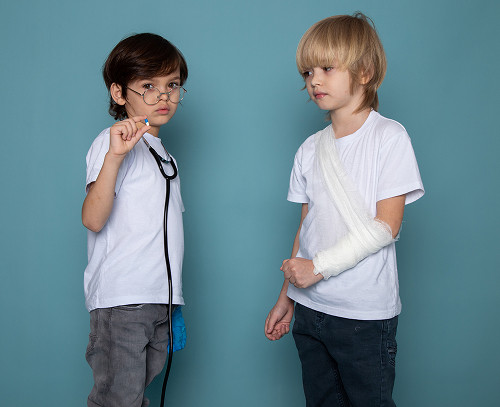
Diagnosing a Radius Fracture

How is a radius fracture treated in a child?

Patient management is always based on the results of radiographic diagnostics. The surgeon's primary goal is to return the displaced fragments to their correct position and securely hold them. In most standard situations, major surgical intervention is not required.

Immobilization: cast, splint, or orthosis

The basic method of fixation is tight immobilization of the arm using special hardening materials. A classic cast for a radius fracture ensures maximum stability of the damaged structures. A modern alternative is lightweight polymer bandages or rigid orthoses, if permitted by the treating physician.

Closed reduction for displacement

When hard tissue fragments have separated, they must be carefully returned to their original position. Timely reduction is performed under local or general anesthesia to ensure the patient experiences no pain or stress. A displaced radius fracture in a child requires high precision in aligning the joint elements.

Surgical Treatment for Complex Fractures

Surgical intervention is strictly indicated for unstable or comminuted injuries. A complex radius fracture requires an individualized approach using pins or plates for internal fixation. This method minimizes the risk of re-displacement during active rehabilitation.

"In my practice, children's radius fractures most often heal well with timely immobilization, but it is especially important to recognize displacement and promptly monitor blood circulation in the fingers," says a traumatologist and orthopedist.

How is a radius fracture treated in a child?

Recovery after a Radius Fracture

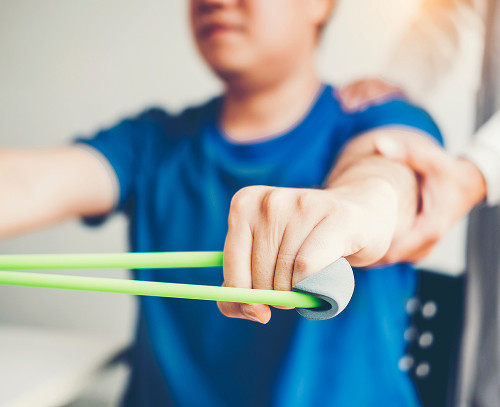
The period following cast removal is no less important than the initial medical care. Comprehensive recovery after a fracture restores strength to weakened muscles and normal joint mobility. The entire process should take place under the strict supervision of a specialist.

Healing Time and Monitoring

The physiological healing time in young patients is significantly shorter than in adults. On average, a child's radius fracture fully heals within three to four weeks. To confirm a successful outcome, a follow-up X-ray is required before the cast is finally removed.

Cast Care and Medical Monitoring

While wearing the cast, parents should closely monitor the patient's fingers. A properly applied cast for a radius fracture should not cause numbness, bluish discoloration, or paleness of the skin. If increasing discomfort occurs, consult a specialist immediately for urgent adjustment of the cast.

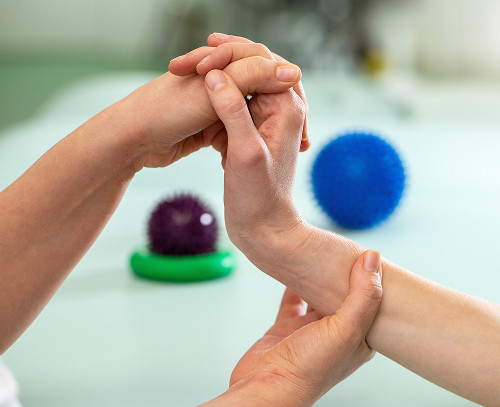
Physical Therapy, Arm Exercises, and Return to Sports

Immediately after removing the rigid immobilization, a course of physical therapy and therapeutic exercises is prescribed. Specialized physical therapy after a fracture helps eliminate muscle weakness and improve local blood circulation. Returning to full-fledged sports training is permitted only with the approval of the attending physician.

Recovery after a Radius Fracture

Possible Complications and How to Prevent Them

Children's bodies have tremendous regenerative potential and quickly recover from injuries. However, delayed treatment with qualified medical help can lead to negative consequences. Professional treatment of radial fractures in children reduces such risks to an absolute minimum.

Malounion

If arm immobilization was performed poorly, the fracture fragments may heal at an abnormal angle. This often occurs when parents ignore doctor's orders or remove the splint prematurely.

Timely dynamic X-rays during the splint-wearing phase help prevent deformities. A simple, non-displaced radius fracture very rarely causes this problem.

Stiffness of movement and decreased hand function

Prolonged immobility sometimes causes temporary joint stiffness. Early and regular physical therapy after the fracture, prescribed by a rehabilitation specialist, helps prevent contractures. If the radius is injured directly at the joint, exercise will require a little more time and dedication.

Possible Complications and How to Prevent Them

Frequently Asked Questions

How can I tell if my child has a radius fracture?

Sharp pain in the arm after a fall, severe localized swelling, and limited motion usually indicate a serious injury. Symptoms intensify significantly when attempting to bear weight on the hand, and sometimes an abnormal joint position is noticeable. Only a competent pediatric traumatologist-orthopedist can confirm the diagnosis after a visual examination and instrumental testing.

Does a cast always need to be used for an injury?

No, the treatment strategy directly depends on the type of injury, the presence of displacement, and the patient's age. In some cases, light immobilization with a brace is sufficient, while in others, a full cast is required. Any arm fracture in a child is assessed by a doctor on a strictly individual basis.

When is reduction or surgery required?

Full reduction is necessary if the bone fragments have shifted relative to their normal axis. Surgical treatment is considered for unstable, open, or multiple injuries. If a child is diagnosed with a displaced radius fracture, and closed restoration is technically impossible, surgery is prescribed.

How long does recovery from an injury take?

The biological healing time depends on age, the nature of the injury, and the degree of tissue displacement. On average, the radius heals faster than in adults. After immobilization is removed, full recovery from the fracture is essential, including limb movement and hand function monitoring.

What is important for parents to remember

A child's radius fracture shouldn't be considered a "common" injury that will resolve on its own. It's important to see a doctor promptly, undergo diagnostic testing, and strictly follow the instructions. Proper treatment for a child's radius fracture helps the bone heal properly, reduce the risk of pain, and restore normal movement without putting unnecessary strain on the hand and forearm.


Our doctors

Polovnikova (Kroshkina) Valeria Alexandrovna
Experience 15 years
Make an appointment
Polovnikova (Kroshkina)
Valeria Alexandrovna
Traumatologist-orthopedist, pediatric
Lopatin Kirill Alexandrovich
Experience 16 years
Make an appointment
Lopatin
Kirill Alexandrovich
Traumatologist-orthopedist, pediatric
All specialists
2GIS Award
2GIS Award

This award is given to clinics with the highest ratings according to user ratings, a large number of requests from this site, and in the absence of critical violations.

«Good place» according to Yandex

This award is given to clinics with the highest ratings according to user ratings. It means that the place is known, loved, and definitely worth visiting.

Our doctors are laureates of the ProDoctors Award

The ProDoctors portal collected 500 thousand reviews, compiled a rating of doctors based on them and awarded the best. We are proud that our doctors are among those awarded.

Make an appointment at a convenient time on the nearest date

Price

Initial appointment with a pediatric traumatologist-orthopedist
from 8 950 ₽
Follow-up appointment with a pediatric traumatologist-orthopedist
from 7 950 ₽

Other Services

Treatment of hip sprain in a child Ankle injury in a child: treatment and recovery Calf muscle strain in children: symptoms and treatment Treatment of sprains in children: symptoms, first aid and recovery Treatment of pectoral muscle strain in children Treatment of muscle strains in children Hip sprain in children: symptoms and treatment Sprained Foot in Children: Treatment, Symptoms, First Aid, and Recovery Treatment of Achilles tendon strain in children First aid for bleeding in children: how to act quickly and safely Neck Strain in Children: Symptoms, Treatment, and Recovery Subungual hematoma in children: symptoms, first aid, and treatment in Moscow Wrist sprain in a child: symptoms, treatment, and recovery Subcutaneous hematoma in a child: symptoms, treatment, and first aid Treatment of the consequences of trauma in children Orthopedic rehabilitation for children in Moscow: recovery from injuries, surgeries, and musculoskeletal disorders Reduction of subluxations and dislocations in children Plaster cast application for a child: procedure, types of casts, and care Treatment for a child's shoulder sprain Soft tissue hematoma in a child: symptoms, first aid, and treatment Application of an immobilization bandage to children Swelling after a bruise in a child: treatment and first aid Hip contusion in a child: symptoms, first aid, and treatment Head injury in children: treatment, symptoms, and first aid Chest contusion in a child: symptoms, first aid, and treatment A child's post-injury hematoma: how to treat it, when to see a doctor, and what to do in the first few hours Hematoma on a child's arm: causes, symptoms, and treatment Treatment of a child's hand contusion: symptoms, first aid, and recovery Hematoma on a child's finger: first aid, treatment, and when to see a doctor Knee contusion in a child: treatment, symptoms, and first aid Bruised tailbone in a child: symptoms, first aid, and treatment in Moscow Elbow bruise in a child: symptoms, first aid and treatment Bruised leg in a child: symptoms, first aid and treatment Hematoma on a child's leg: causes, symptoms, first aid, and treatment Hematoma on a child's face: causes, first aid, and treatment in Moscow Treatment of groin strain in children Bruised nail in a child: treatment, first aid, symptoms, and recovery Hematoma on the head of a child: treatment and symptoms Eye hematoma in a child: treatment, first aid, and when to see a doctor Bruised ribs in children: treatment, symptoms, and first aid Back strain in children: symptoms, treatment, and recovery Soft tissue contusion in a child: symptoms, first aid, and treatment Treatment of a joint contusion in a child in Moscow: symptoms, first aid, diagnosis, and recovery Bruised nose in a child: treatment, first aid, and when to see a doctor Bruised Foot in a Child: Symptoms, First Aid, and Treatment in Moscow Bruised finger in a child: treatment, first aid, and when to see a doctor Back injury in a child: symptoms, first aid, and treatment in Moscow Bruised arm in a child: symptoms, first aid, and treatment Shoulder contusion in a child: symptoms, first aid and treatment Bruised ribs in children: symptoms, treatment, and first aid Treatment of fractures in children in Moscow Treatment after a fracture in children: how recovery and rehabilitation proceed Treatment of a closed fracture in a child: symptoms, first aid, diagnosis, treatment and recovery Treatment of a jaw fracture in a child Compression fracture of the thoracic spine in children: treatment, diagnosis and recovery Humeral neck fracture in children: treatment, symptoms, and recovery Coccyx fracture in children: symptoms, treatment, and recovery Treatment of a broken nose in a child Patella fracture: treatment in children Sacral fracture in children: symptoms, diagnosis and treatment Treatment of a broken little finger in children: symptoms and recovery Treatment of metatarsal fractures in children Zygomatic bone fracture in a child: symptoms, diagnosis, treatment and recovery Ulna fracture in children: treatment, symptoms and recovery Humeral tubercle fracture in children: treatment and recovery Conservative treatment of fractures in children: how is treatment performed without surgery? Functional method of treating fractures in children 24-hour trauma care for children: when urgent help is needed Clavicle fracture in a child Fracture of the tibial condyles in children Emergency traumatology for children: urgent care for injuries Ankle fracture in children: symptoms, treatment and recovery Treatment of spinal fractures in children Pubic bone fracture in a child Hip fracture in children: treatment, diagnosis and recovery Pelvic bone fracture in children: treatment, symptoms, and recovery Traumatic brain injury in children: treatment, symptoms, and recovery Sciatic bone fracture: treatment in children Olecranon fracture in children: treatment, symptoms, recovery Treatment of humeral fracture in children Scapula fracture in children: symptoms, diagnosis and treatment Calcaneal fracture in a child: treatment, symptoms, and recovery Broken toe in a child: symptoms, treatment and recovery Sternal fracture in children Treatment of tibia fracture in children Foot fracture in a child Cervical vertebrae fractures in children
Make an appointment

Appointment to the doctor
Fill out the form, our managers will contact you within 15 minutes
Почему К+31?
К + 31 — full-cycle multidisciplinary medical centers, including the possibility of providing medical services of European quality level.
К + 31 — are leading doctors and diagnostics using high-tech equipment from world manufacturers (Karl Storz, Olympus, Siemens, Toshiba, Bausch&Lomb, Technolas, Zeiss, Topcon).
К + 31 — is ethical. The staff of K+31 clinics maintain open relationships with patients and partners. An individual approach to each patient is the basis of our service standards.
К + 31 — is modernity. On call 24/7: call center operators will answer your questions at any time and book you an appointment with doctors. Contact us by phone, through the feedback form on the website and Max.

Our clinics

Address K+31 on Lobachevskogo

st. Lobachevskogo, 42/4

Contacts

+7 499 999-31-31

Opening hours

Mon-Fri: 08:00 – 21:00
Weekend: 09:00 – 19:00
Didn't find the service you were looking for?

Экстренная помощь