Ankle Fractures in Children: Symptoms, Treatment, and Recovery

Lower extremity injuries are one of the most common reasons for visiting a pediatric traumatologist. Among these, an ankle fracture in a child is particularly common.

Parents need to know that a child's skeletal system differs from that of an adult, so even a seemingly normal fall requires a thorough examination.

We explain how to recognize the symptoms of an ankle fracture in a child, what modern treatment methods pediatric traumatology offers, and how to properly organize recovery after an ankle fracture.

Best specialists
Best
specialists
Expert equipment
Expert
equipment
Advanced diagnostic treatment
Advanced diagnostic
treatment
Sign up
Fill out the entry form on the page and we will call you back
Sign up Позвонить
Download the application “Personal Account K+31”
Everything about your health in one click!
Subscribe to social networks K+31
To keep up to date with current offers and receive useful advice about your health.

What is an ankle fracture in a child?

The ankle joint connects the bones of the lower leg (tibia and fibula) to the foot. In children, the bones are more elastic and contain more organic matter than in adults. However, the ligaments in children are often stronger than the bones, so where an adult would sprain, a child may suffer a fracture.

Why childhood injuries require special attention

Children's ankle fractures are insidious because the bones are still developing. Children often experience "greenstick" fractures, where the bone breaks internally, but the periosteum (the outer covering) remains intact. This can mask the severity of the injury, leading parents to mistake the injury for a common bruise.

Why is a growth plate injury dangerous?

The main feature of children's anatomy is the presence of epiphyseal plates, or growth plates. These are areas of cartilage at the ends of bones that allow a child to grow in length. If an ankle fracture affects this area, there is a risk of premature closure of the plate. This can lead to joint deformity or shortening of the limb in the future. This is why any ankle fracture in a child requires monitoring by an experienced orthopedist until complete recovery.

What is an ankle fracture in a child?

Causes and types of ankle fractures
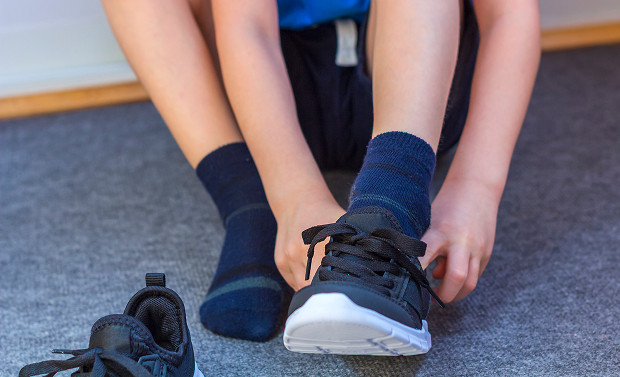
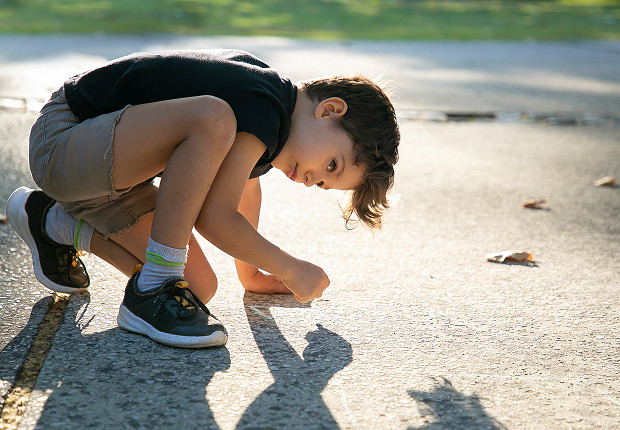
Injuries occur when the bone's tensile strength is exceeded under mechanical stress. In children, this is most often associated with high motor activity and poorly developed motor coordination.

Non-displaced and displaced fractures

  • Non-displaced. The bone fragments remain in the anatomically correct position. This treatment for ankle fractures in children is usually faster and does not require surgery.
  • Displaced. The bone fragments shift relative to each other. In this case, the doctor must perform a reduction (alignment of the fragments) to restore the contours of the joint.
Closed and Open Fractures

With a closed fracture, the skin does not tear. With an open fracture, there is a wound in the skin through which the bone comes into contact with the outside environment. Open ankle injuries are less common, but they are extremely dangerous due to the risk of infection and require emergency surgery.

Injury after a fall, jump, or twisted ankle

Children most often receive these injuries in two ways:

  1. A direct blow or a heavy object falling on the foot
  2. Twisting the ankle, landing awkwardly after jumping from a height, or during sports (soccer, dance, gymnastics)

Symptoms of an ankle fracture in a child

Little children can't always tell where and why they're hurting. But there are symptoms that parents can use to quickly identify the type of injury.

How to distinguish a fracture from a bruise or sprain

The main markers are swelling and pain. With a bruise, the pain is usually dull and gradually subsides, and the child can put weight on the heel. With a fracture, the pain is sharp and intensifies with any attempt to move the foot. To make it easier for you to navigate, we've prepared a comparison table:

Symptom Bruise Sprained Ligaments Fracture What to do
Pain when bearing weight Moderate, subsides quickly Acute, but bearing weight is possible Sharp, bearing weight is impossible Consult a traumatologist, get an X-ray
Swelling Minor, local Moderate, along the ligaments Severe, rapidly increasing Provide rest, apply cold
Deformity None None Possible (if displaced) Do not attempt to realign the joint yourself
Joint movement Almost full Limited due to pain Sharply painful or abnormal Go to the emergency room immediately

Signs that require immediate medical attention

Parents need to know the symptoms of a serious injury. See a doctor immediately if:

  • The child is unable to put weight on the foot or even touch the floor.
  • The foot appears to be twisted abnormally.
  • Swelling and pain increase very quickly.
  • A large hematoma has developed.
  • The toes have become cold, pale, or bluish.
  • The child complains of numbness or a tingling sensation in the foot.

General information

Injury Diagnosis

It is impossible to accurately determine the nature of the injury by eye. Even an experienced physician uses additional imaging techniques to confirm the diagnosis.

Examination by a Traumatologist-Orthopedist

The physician assesses range of motion, checks sensitivity, and checks blood flow to the limb. The traumatologist gently palpates the ankle to determine the location of the greatest pain.

"In my practice, pediatric ankle fractures often look like a common bruise. If the child is limping, does not put weight on the foot, or complains of pain when putting weight on it, it is better not to wait – it is important to promptly rule out damage to the growth plate in children," notes a leading pediatric traumatologist.

X-rays and additional examinations

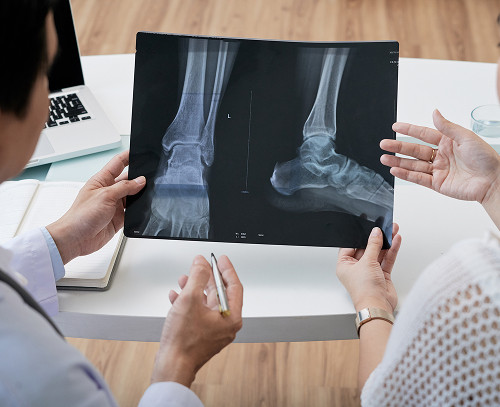
Ankle X-rays remain the primary diagnostic method. The images are usually taken in two or three projections. In complex cases where cartilage damage or intra-articular fragments are suspected, the doctor may order a CT or MRI scan. Once a diagnosis is made, the treatment phase begins.
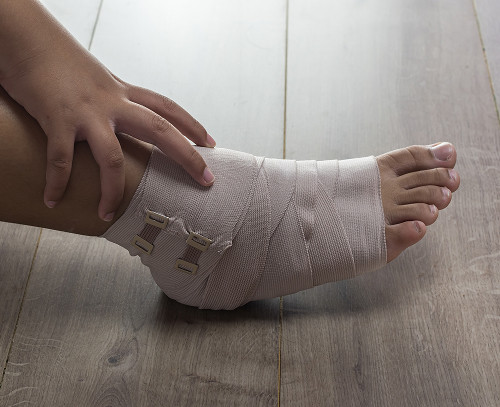
Injury Diagnosis

Treatment of Ankle Fractures in Children

The main goal of therapy is to restore the correct position of the bones and ensure conditions for their rapid healing. Treatment for an ankle fracture is determined by the doctor based on the type of injury.

First Aid Before Seeking a Doctor

  • Immobilize the leg with a splint made from available materials (boards, thick cardboard) from the knee to the toes.
  • Apply ice through a cloth for 15-20 minutes to reduce swelling.
  • Do not allow the child to put weight on the leg.
  • Raise the leg above heart level.

Immobilization: cast, splint, orthosis.

Immobilization is used for immobilization. Most often, a plaster splint is applied, which covers the foot and lower leg. In modern clinics, a polymer ("plastic") cast or orthosis may be offered instead of a regular plaster cast. An orthosis is more comfortable, lighter, and allows the skin to "breathe," but its suitability depends on the stability of the fracture.

When conservative treatment is sufficient

If a non-displaced fracture is detected, treatment for an ankle fracture in children is limited to applying a fixative bandage. The child is prescribed a gentle regimen and undergoes periodic follow-up examinations with a doctor.

When surgery may be required

Surgery is necessary for significant displacements, open fractures, or damage to the growth plate that cannot be corrected by manual reduction. During surgery, the bones are fixed with special pins or screws, which are later removed.

Treatment of Ankle Fractures in Children

Recovery from an Ankle Fracture

Rehabilitation is 50% of the success. The bone heals over time, but if muscle tone isn't restored, recurrence can occur at any time.

How long does it take for a fracture to heal in a child?

The healing time depends on age. In preschoolers, bone healing occurs in 3-4 weeks, while in adolescents, the process can take 5-8 weeks. A bone callus forms at the fracture site, the density of which the doctor assesses using X-rays.

When can I put weight on my foot?

The question "When can I put weight on my foot?" is the most common. Axial weight-bearing should only be initiated after the traumatologist's approval. This usually occurs in stages: first, using crutches with a light touch to the floor, then gradually moving to full weight-bearing. Premature loading of the leg can lead to recurrent dislocation.

Physical Therapy, Routine, and Return to Activity

After immobilization, the rehabilitation process after the injury begins. The child is prescribed:

  • Physical Therapy (PT) to develop the joint
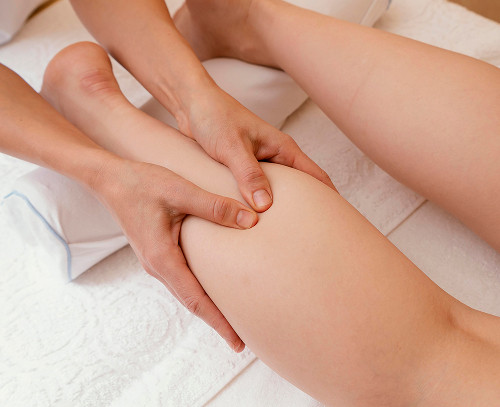
  • Massage of the calf muscles (not the joint itself!)
  • Physical Therapy (electrophoresis, magnetic therapy)

Recovery from an ankle fracture is a long process. Returning to sports is possible no earlier than 3-6 months after the injury.

Recovery from an Ankle Fracture

Possible Complications and How to Avoid Them

Complications are rare, but parents should be aware of the risk factors.

What Prevents Proper Fusion

  • Failure to Follow Doctor's Prescriptions
  • Insufficient Calcium and Vitamin D in the Diet
  • Removing or Loosening a Cast or Orthosis Without a Doctor's Recommendation

How to Reduce the Risk of Re-Injury

Buy high-quality shoes with a rigid heel counter and arch support. Strengthen the ligaments through sports and avoid jumping from great heights onto hard surfaces.

Possible Complications and How to Avoid Them

Frequently Asked Questions

How can I tell if my child has a broken ankle and not just a bruise?

Severe pain, swelling, and limping develop. The child refuses to put weight on their foot. But only a doctor can accurately distinguish a fracture from a bruise.

How long does it take for an ankle fracture to heal in children?

It depends on the type of fracture, whether it's displaced, and the child's age. Recovery typically takes several weeks, but the doctor determines the exact timeframe after diagnosis and monitoring of healing.

Do I need to immediately apply a cast to a broken ankle?

The leg should be immobilized until a doctor examines it, but the specialist will determine the method of immobilization. Depending on the injury, this may include a cast, splint, or orthosis.

When can a child put weight on their foot again after a fracture?

Only after the doctor confirms that the bone is healing properly and that weight-bearing is safe. Reintroduction of weight-bearing and activity should be gradual, without rushing.

What is important for parents to remember

Ankle injuries are common in active children. However, with prompt medical attention, the prognosis is favorable. The key is to avoid self-medication and not ignore your child's complaints, even if the leg appears healthy.

Pediatric traumatology aims to ensure the most gentle recovery possible. Following your doctor's recommendations for exercise therapy and exercise will help your child return to a full, active life without adverse effects on joint health.

This article is for informational purposes only. A specialist consultation is required for diagnosis and treatment.

Our doctors

Polovnikova (Kroshkina) Valeria Alexandrovna
Experience 15 years
Make an appointment
Polovnikova (Kroshkina)
Valeria Alexandrovna
Traumatologist-orthopedist, pediatric
Lopatin Kirill Alexandrovich
Experience 16 years
Make an appointment
Lopatin
Kirill Alexandrovich
Traumatologist-orthopedist, pediatric
All specialists
2GIS Award
2GIS Award

This award is given to clinics with the highest ratings according to user ratings, a large number of requests from this site, and in the absence of critical violations.

«Good place» according to Yandex

This award is given to clinics with the highest ratings according to user ratings. It means that the place is known, loved, and definitely worth visiting.

Our doctors are laureates of the ProDoctors Award

The ProDoctors portal collected 500 thousand reviews, compiled a rating of doctors based on them and awarded the best. We are proud that our doctors are among those awarded.

Make an appointment at a convenient time on the nearest date

Price

Initial appointment with a pediatric traumatologist-orthopedist
from 8 950 ₽
Follow-up appointment with a pediatric traumatologist-orthopedist
from 7 950 ₽

Other Services

Treatment of hip sprain in a child Ankle injury in a child: treatment and recovery Calf muscle strain in children: symptoms and treatment Treatment of sprains in children: symptoms, first aid and recovery Treatment of pectoral muscle strain in children Treatment of muscle strains in children Hip sprain in children: symptoms and treatment Sprained Foot in Children: Treatment, Symptoms, First Aid, and Recovery Treatment of Achilles tendon strain in children First aid for bleeding in children: how to act quickly and safely Neck Strain in Children: Symptoms, Treatment, and Recovery Subungual hematoma in children: symptoms, first aid, and treatment in Moscow Wrist sprain in a child: symptoms, treatment, and recovery Subcutaneous hematoma in a child: symptoms, treatment, and first aid Treatment of the consequences of trauma in children Orthopedic rehabilitation for children in Moscow: recovery from injuries, surgeries, and musculoskeletal disorders Reduction of subluxations and dislocations in children Plaster cast application for a child: procedure, types of casts, and care Treatment for a child's shoulder sprain Soft tissue hematoma in a child: symptoms, first aid, and treatment Application of an immobilization bandage to children Swelling after a bruise in a child: treatment and first aid Hip contusion in a child: symptoms, first aid, and treatment Head injury in children: treatment, symptoms, and first aid Chest contusion in a child: symptoms, first aid, and treatment A child's post-injury hematoma: how to treat it, when to see a doctor, and what to do in the first few hours Hematoma on a child's arm: causes, symptoms, and treatment Treatment of a child's hand contusion: symptoms, first aid, and recovery Hematoma on a child's finger: first aid, treatment, and when to see a doctor Knee contusion in a child: treatment, symptoms, and first aid Bruised tailbone in a child: symptoms, first aid, and treatment in Moscow Elbow bruise in a child: symptoms, first aid and treatment Bruised leg in a child: symptoms, first aid and treatment Hematoma on a child's leg: causes, symptoms, first aid, and treatment Hematoma on a child's face: causes, first aid, and treatment in Moscow Treatment of groin strain in children Bruised nail in a child: treatment, first aid, symptoms, and recovery Hematoma on the head of a child: treatment and symptoms Eye hematoma in a child: treatment, first aid, and when to see a doctor Bruised ribs in children: treatment, symptoms, and first aid Back strain in children: symptoms, treatment, and recovery Soft tissue contusion in a child: symptoms, first aid, and treatment Treatment of a joint contusion in a child in Moscow: symptoms, first aid, diagnosis, and recovery Bruised nose in a child: treatment, first aid, and when to see a doctor Bruised Foot in a Child: Symptoms, First Aid, and Treatment in Moscow Bruised finger in a child: treatment, first aid, and when to see a doctor Back injury in a child: symptoms, first aid, and treatment in Moscow Bruised arm in a child: symptoms, first aid, and treatment Shoulder contusion in a child: symptoms, first aid and treatment Bruised ribs in children: symptoms, treatment, and first aid Treatment of fractures in children in Moscow Treatment after a fracture in children: how recovery and rehabilitation proceed Treatment of a closed fracture in a child: symptoms, first aid, diagnosis, treatment and recovery Treatment of a jaw fracture in a child Compression fracture of the thoracic spine in children: treatment, diagnosis and recovery Humeral neck fracture in children: treatment, symptoms, and recovery Treatment of radius fracture in children Coccyx fracture in children: symptoms, treatment, and recovery Treatment of a broken nose in a child Patella fracture: treatment in children Sacral fracture in children: symptoms, diagnosis and treatment Treatment of a broken little finger in children: symptoms and recovery Treatment of metatarsal fractures in children Zygomatic bone fracture in a child: symptoms, diagnosis, treatment and recovery Ulna fracture in children: treatment, symptoms and recovery Humeral tubercle fracture in children: treatment and recovery Conservative treatment of fractures in children: how is treatment performed without surgery? Functional method of treating fractures in children 24-hour trauma care for children: when urgent help is needed Clavicle fracture in a child Fracture of the tibial condyles in children Emergency traumatology for children: urgent care for injuries Treatment of spinal fractures in children Pubic bone fracture in a child Hip fracture in children: treatment, diagnosis and recovery Pelvic bone fracture in children: treatment, symptoms, and recovery Traumatic brain injury in children: treatment, symptoms, and recovery Sciatic bone fracture: treatment in children Olecranon fracture in children: treatment, symptoms, recovery Treatment of humeral fracture in children Scapula fracture in children: symptoms, diagnosis and treatment Calcaneal fracture in a child: treatment, symptoms, and recovery Broken toe in a child: symptoms, treatment and recovery Sternal fracture in children Treatment of tibia fracture in children Foot fracture in a child Cervical vertebrae fractures in children
Make an appointment

Appointment to the doctor
Fill out the form, our managers will contact you within 15 minutes
Почему К+31?
К + 31 — full-cycle multidisciplinary medical centers, including the possibility of providing medical services of European quality level.
К + 31 — are leading doctors and diagnostics using high-tech equipment from world manufacturers (Karl Storz, Olympus, Siemens, Toshiba, Bausch&Lomb, Technolas, Zeiss, Topcon).
К + 31 — is ethical. The staff of K+31 clinics maintain open relationships with patients and partners. An individual approach to each patient is the basis of our service standards.
К + 31 — is modernity. On call 24/7: call center operators will answer your questions at any time and book you an appointment with doctors. Contact us by phone, through the feedback form on the website and Max.

Our clinics

Address K+31 on Lobachevskogo

st. Lobachevskogo, 42/4

Contacts

+7 499 999-31-31

Opening hours

Mon-Fri: 08:00 – 21:00
Weekend: 09:00 – 19:00
Didn't find the service you were looking for?

Экстренная помощь