Soft Tissue Contusion in Children: Symptoms, First Aid, and Treatment

When parents see a child with a contusion, they are alarmed by the crying, swelling, and skin discoloration. Therefore, the question of what to do in case of a contusion arises immediately. After all, mom and dad want to help their child right away at home.

Below is a clear breakdown of what a soft tissue contusion looks like, what first aid should be administered, when a doctor's examination is necessary, and how treatment is carried out.

For a soft tissue contusion, treatment begins with the correct actions in the first minutes after the impact and an adequate assessment of the symptoms.

Best specialists
Best
specialists
Expert equipment
Expert
equipment
Advanced diagnostic treatment
Advanced diagnostic
treatment
Sign up
Fill out the entry form on the page and we will call you back
Sign up Позвонить
Download the application “Personal Account K+31”
Everything about your health in one click!
Subscribe to social networks K+31
To keep up to date with current offers and receive useful advice about your health.

What is this?

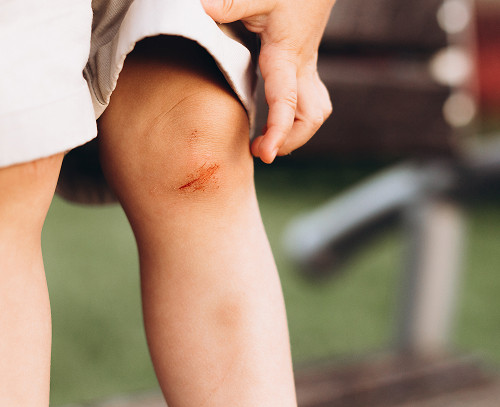
A soft tissue contusion in a child is an injury in which the skin may remain intact, but the underlying subcutaneous tissue, muscles, and small vessels are damaged. This causes pain, swelling, and later, bruising.

The injury may be mild. It may also require examination if the complaints are severe or worsening.

What's the difference between a bruise, a sprain, a dislocation, and a fracture?

It's important for parents to distinguish between a bruise and a fracture, and to be mindful of sprains. These injuries can be similar in appearance: pain, swelling, and limited movement. The difference is that a sprain primarily affects soft tissue, while a sprain affects ligaments, and a fracture affects bone.

For initial guidance, it's helpful to keep a simple chart in front of you. It helps you understand the logic behind the symptoms, but the final conclusion is made by a doctor after an examination and, if necessary, an X-ray.

Symptom Bruise Sprain Fracture
Pain moderate or severe often worsens with movement severe, may be constant
Swelling possible possible often severe
Bruise is common does not always happen may be
Movement usually preserved at least partially limited severely limited
When to see a doctor if pain is severe or worsens if symptoms persist urgently

This The comparison is only suitable for initial assessment. At first, a childhood fracture may look quite normal—like a bruise, without any noticeable deformity.

Why Children Are More At Risk of Injuries

Children move a lot, run, fall, change direction abruptly, and don't always have time to regroup. Young children's coordination is still developing, so childhood injuries at home, on the playground, and in sports are common. It's important for parents not only to react to the impact but also to observe it.

How to recognize?
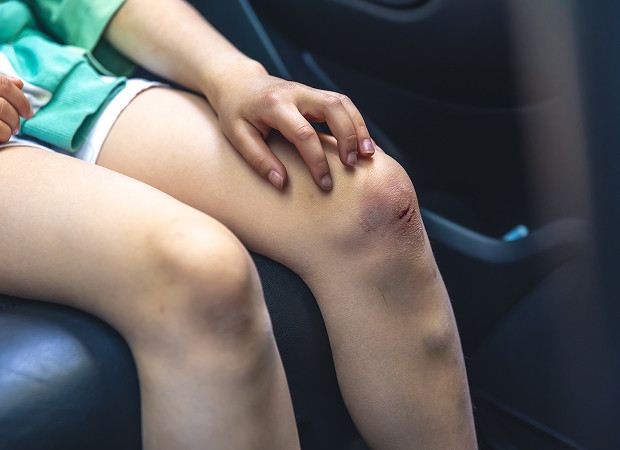
You can tell if your child has a bruise by a combination of several signs. It's important to evaluate not just one symptom, but the whole picture: where the pain is, whether the swelling is growing, how the child moves their arm or leg, and whether they can bear weight on the limb.

Pain and tenderness when pressed

The first noticeable symptom is localized pain. It intensifies when pressed, and the child will protect the injured area and may be reluctant to let you touch it. Pain after a bruise can be moderate or severe, but typically shouldn't worsen with each passing hour.

Swelling and bruising

Swelling appears in the first few hours, then a bruise becomes visible on the child. Sometimes a hematoma forms if more blood has accumulated under the skin. Swelling after a bruise is usually limited to the area of ​​impact. Rapid swelling, especially accompanied by severe pain, requires attention.
Limited Movement

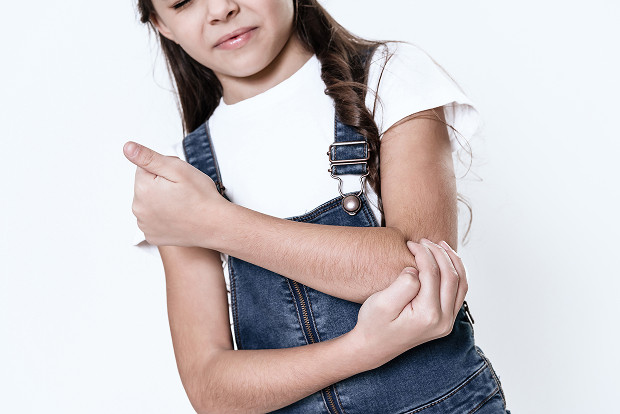
With a common contusion, movement is at least partially preserved. The child may spare an arm or leg, limp, bend the joint more slowly, and avoid putting weight on it. If movement is suddenly blocked, putting weight on the leg is impossible, or any contact causes severe pain, an in-person examination is necessary. In such a situation, a fracture or more severe ligament damage may be concealed under the guise of a soft tissue injury.

When Symptoms Intensify

Sometimes symptoms appear mild for the first half hour, but then stiffness, swelling, and pain after the contusion intensify. This is possible. However, increasing swelling after the contusion, a refusal to put weight on the leg, numbness, severe weakness, or unusual behavior after a head injury require a doctor's evaluation.

First aid

It's in the first few minutes that parents decide more than they think. Proper first aid for a bruise is simple, without unnecessary steps or homemade remedies like ointments and warming.

What to do in the first few minutes

A pediatric traumatologist usually explains it this way: "Parents are often alarmed by a child's bruise, but they need to focus not only on the bruise itself, but also on pain, swelling, and how the child uses their arm or leg. If movement is severely limited, it's best not to wait and take the child to a doctor."

When parents ask what to do in case of a bruise, the algorithm for the first 30 minutes is as follows:

  • Calm the child and stop playing
  • Remove tight clothing or shoes from the injured area
  • Apply cold compresses through a cloth for 10-15 minutes
  • Keep the injured area at rest
  • Monitor for increasing pain and swelling
  • Seek help if the pain is severe, movement is severely limited, there is a deformity, a head injury, or a deterioration in health

This procedure is necessary to reduce tissue bleeding, control swelling, and prevent situations in which home monitoring is no longer sufficient.

Cold, rest, and elevation

During the first 24 hours, basic measures are most effective: rest, local cold if the injury is bruised, and elevation of the injured area. Cold should only be applied through a cloth. The skin should be checked periodically. For an arm or leg, it is helpful to elevate the limb above heart level, if comfortable for the child. This is basic first aid for a bruise, which can really help reduce pain and swelling.

What not to do immediately after an injury

Mistakes in the first few hours can delay recovery. Avoid heating the injured area, vigorously rubbing it, massaging it, forcing the child to move through pain, or applying medications without regard to age. If parents are looking for ways to treat a bruise, they should start with safe care. Warming procedures during the acute stage and massage in the first 24–72 hours can increase bleeding and swelling.

First aid

General information

When to See a Doctor

Home observation isn't always appropriate. The question of when to see a doctor can sometimes be decided immediately, without waiting until the evening or the next day.

Worrying Symptoms

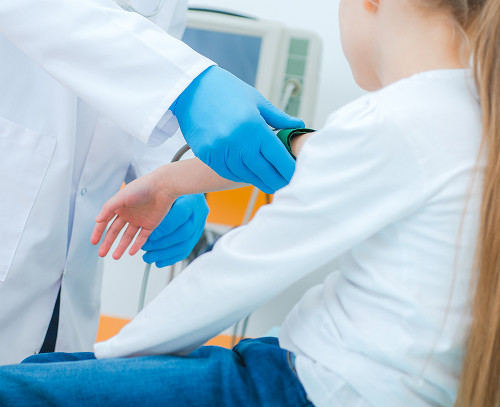
An urgent examination is necessary if a child's injury is accompanied by severe pain, rapidly increasing swelling, severe lameness, inability to bear weight, deformity, numbness, sensory disturbances, an injury near the eye, an open wound, a blow to the head, repeated vomiting, drowsiness, confusion, or unusual behavior. In such a situation, it's best to see a doctor immediately.

When Diagnosis and Further Examination Are Needed

Sometimes a simple examination is enough for the doctor. Other times, diagnostics are needed: an X-ray if a fracture is suspected, less commonly, an ultrasound of soft tissues, or other tests as needed. In practice, a doctor differentiates between a contusion and a fracture based on the patient's complaints, the mechanism of injury, examination findings, and, if necessary, imaging. They also assess for ligament damage, such as sprains.

When to See a Doctor

How is therapy performed?

Further treatment for a child's contusion depends on the force of the blow, the area of ​​injury, the child's age, and the rate at which symptoms subside. For an uncomplicated injury, the treatment plan is usually conservative: observation, gentle exercise, and cold therapy for the first few hours, followed by a gradual increase in activity.

Examination and assessment of the injury

During the examination, the doctor assesses the location of the pain, whether there is any localized tenderness along the bone, the extent of swelling and hematoma, whether movement is preserved, and whether the child can bear weight on the limb. This examination helps determine the severity of the injury.

Local agents and pain relief as prescribed by the doctor

Sometimes the doctor prescribes local agents or pain relief. Choosing an ointment for a small child on your own is not recommended: topical medications and pain relievers have age restrictions, contraindications, and their own dosage guidelines.

When parents ask how to treat a bruise, the answer is usually: first an examination, then a clear home care plan, and then medications, if truly needed. In the case of soft tissue bruises, the choice of treatment always depends on the child's age and clinical picture.

Home Observation and Recovery

At home, the child's progress is assessed daily: is the pain decreasing, is the swelling from the bruise decreasing, is the hematoma growing, and are normal movements returning? If the condition worsens with care, new lameness appears, or after a few days the child still noticeably spares the limb, a follow-up examination is necessary. This is what reasonable treatment for a bruise in a child looks like without unnecessary risks.

Return to Normal Activity

Return to normal activity is not based on a schedule, but rather on function. The child should walk calmly, put weight on the leg, move the arm, squat, and run without defensive tension and without pain. Excessive activity can exacerbate symptoms. Full recovery from an injury is best achieved when activity is gradually increased, without being forced.

How is therapy performed?

How long does it take for a soft tissue injury to heal?

A minor bruise in a child may noticeably improve within a few days. The bruise itself often lasts for about two weeks. More severe injuries, large areas of damage, or a strong blow can take longer to heal. Persistent pain after a bruise longer than expected warrants a re-evaluation.

What determines healing speed?

The location of the injury, the force of the blow, the extent of soft tissue damage, the child's age, and the child's behavior in the first few days all influence healing speed. If parents immediately understand what to do in case of a bruise, provide rest, apply cold, and avoid heating the area, the chances of a smooth recovery from a bruise are higher. A minor injury heals more quickly than an injury with significant swelling and a deep hematoma.

How long does it take for a soft tissue injury to heal?

Possible Complications

A protracted course isn't expected in everyone, but it's important to be aware of the risks. When asked about soft tissue contusion treatment, parents often expect only a simple at-home procedure. In reality, a follow-up examination is sometimes required.

Large Hematoma

A large hematoma is more painful than a typical bruise, takes longer to resolve, and can interfere with movement. In some cases, the doctor may consider additional diagnostics, and if there is a large accumulation of blood and symptoms persist, drainage may be considered.

Severe Swelling and Impaired Function

Severe swelling and noticeable limitation of motion are a sign that a minor injury may actually be camouflaged as a ligament, joint, or bone lesion. From the outside, this condition sometimes looks like a common bruise in a child, but requires an in-person assessment.

When is it dangerous to delay seeking medical attention?

Delaying treatment is dangerous if the child isn't putting weight on their foot, isn't moving their arm, the pain intensifies, numbness develops, weakness increases, or the injury affects the head or eye area. The question of when to seek medical attention is already decided: seek medical attention on the day of the injury, and if symptoms are severe, seek immediate medical attention.

Possible Complications
Prevention of childhood injuries

Prevention of childhood injuries

Falls can't be completely eliminated, but childhood injuries are often associated with small household items that can be addressed in advance. At home, it's a good idea to use door stops, avoid leaving heavy items in the entryway, and ensure children wear non-slip shoes. Outdoors and in sports, age-appropriate protection, a safe playground, and adequate adult supervision are essential. This approach reduces the risk of an injury leading to a visit to the emergency room.

Frequently Asked Questions

How can you tell the difference between a bruise and a fracture in a child?

In the former case, there is pain, swelling, and bruising, but movement is usually at least partially preserved. With a fracture, the pain is often more severe, support is severely limited, and deformity may be present. A doctor's examination and, if necessary, an X-ray can help accurately distinguish between a bruise and a fracture.

What should you do in the first hours after a bruise?

Ensure rest, apply cold through a cloth for 10-15 minutes, elevate the injured area if possible, and observe the child's condition. This first aid for a bruise helps reduce pain and swelling. Heat and rubbing the injured area are not necessary in the first few hours.

How long does it take to heal?

A mild soft tissue bruise in a child usually resolves within a few days, while a more severe injury takes longer. If a large hematoma has formed or the impact area is large, recovery may take several weeks.

A request for soft tissue bruise treatment has one reliable guideline: first assess the severity of the injury, then treat it. For minor injuries, rest, cooling, and observation are helpful. If in doubt, it's safer to take your child to a doctor than to miss a fracture or other serious problem.


Our doctors

Polovnikova (Kroshkina) Valeria Alexandrovna
Experience 15 years
Make an appointment
Polovnikova (Kroshkina)
Valeria Alexandrovna
Traumatologist-orthopedist, pediatric
Lopatin Kirill Alexandrovich
Experience 16 years
Make an appointment
Lopatin
Kirill Alexandrovich
Traumatologist-orthopedist, pediatric
All specialists
2GIS Award
2GIS Award

This award is given to clinics with the highest ratings according to user ratings, a large number of requests from this site, and in the absence of critical violations.

«Good place» according to Yandex

This award is given to clinics with the highest ratings according to user ratings. It means that the place is known, loved, and definitely worth visiting.

Our doctors are laureates of the ProDoctors Award

The ProDoctors portal collected 500 thousand reviews, compiled a rating of doctors based on them and awarded the best. We are proud that our doctors are among those awarded.

Make an appointment at a convenient time on the nearest date

Price

Initial appointment with a pediatric traumatologist-orthopedist
from 8 950 ₽
Follow-up appointment with a pediatric traumatologist-orthopedist
from 7 950 ₽

Other Services

Treatment of hip sprain in a child Ankle injury in a child: treatment and recovery Calf muscle strain in children: symptoms and treatment Treatment of sprains in children: symptoms, first aid and recovery Treatment of pectoral muscle strain in children Treatment of muscle strains in children Hip sprain in children: symptoms and treatment Sprained Foot in Children: Treatment, Symptoms, First Aid, and Recovery Treatment of Achilles tendon strain in children First aid for bleeding in children: how to act quickly and safely Neck Strain in Children: Symptoms, Treatment, and Recovery Subungual hematoma in children: symptoms, first aid, and treatment in Moscow Wrist sprain in a child: symptoms, treatment, and recovery Subcutaneous hematoma in a child: symptoms, treatment, and first aid Treatment of the consequences of trauma in children Orthopedic rehabilitation for children in Moscow: recovery from injuries, surgeries, and musculoskeletal disorders Reduction of subluxations and dislocations in children Plaster cast application for a child: procedure, types of casts, and care Treatment for a child's shoulder sprain Application of an immobilization bandage to children Swelling after a bruise in a child: treatment and first aid Hip contusion in a child: symptoms, first aid, and treatment Head injury in children: treatment, symptoms, and first aid Chest contusion in a child: symptoms, first aid, and treatment Treatment of a child's hand contusion: symptoms, first aid, and recovery Knee contusion in a child: treatment, symptoms, and first aid Bruised tailbone in a child: symptoms, first aid, and treatment in Moscow Elbow bruise in a child: symptoms, first aid and treatment Bruised leg in a child: symptoms, first aid and treatment Treatment of groin strain in children Bruised nail in a child: treatment, first aid, symptoms, and recovery Back strain in children: symptoms, treatment, and recovery Treatment of a joint contusion in a child in Moscow: symptoms, first aid, diagnosis, and recovery Bruised nose in a child: treatment, first aid, and when to see a doctor Bruised Foot in a Child: Symptoms, First Aid, and Treatment in Moscow Bruised finger in a child: treatment, first aid, and when to see a doctor Back injury in a child: symptoms, first aid, and treatment in Moscow Bruised arm in a child: symptoms, first aid, and treatment Shoulder contusion in a child: symptoms, first aid and treatment Bruised ribs in children: symptoms, treatment, and first aid Zygomatic bone fracture in a child: symptoms, diagnosis, treatment and recovery
Make an appointment

Appointment to the doctor
Fill out the form, our managers will contact you within 15 minutes
Почему К+31?
К + 31 — full-cycle multidisciplinary medical centers, including the possibility of providing medical services of European quality level.
К + 31 — are leading doctors and diagnostics using high-tech equipment from world manufacturers (Karl Storz, Olympus, Siemens, Toshiba, Bausch&Lomb, Technolas, Zeiss, Topcon).
К + 31 — is ethical. The staff of K+31 clinics maintain open relationships with patients and partners. An individual approach to each patient is the basis of our service standards.
К + 31 — is modernity. On call 24/7: call center operators will answer your questions at any time and book you an appointment with doctors. Contact us by phone, through the feedback form on the website and Max.

Our clinics

Address K+31 on Lobachevskogo

st. Lobachevskogo, 42/4

Contacts

+7 499 999-31-31

Opening hours

Mon-Fri: 08:00 – 21:00
Weekend: 09:00 – 19:00
Didn't find the service you were looking for?

Экстренная помощь