
Elbow bruise in a child: symptoms, first aid and treatment
Children are almost always on the move, so falls are inevitable. The elbow is often injured. A child might get too carried away playing, trip, fall on their hand—and immediately start crying. At such a moment, it's important for parents not to panic and quickly figure out what happened. Sometimes a bruised elbow in a child looks frightening, although in reality, a cool, restful sigh is all that's needed. But sometimes the opposite is true: a slight swelling may conceal a crack.

specialists

equipment

treatment



Symptoms of an elbow contusion
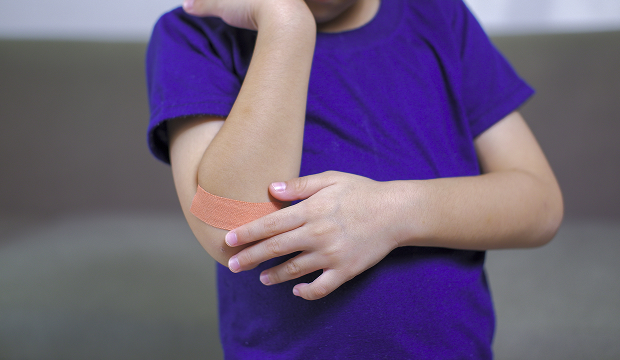
You can tell what happened by the victim's external signs and behavior. An elbow contusion manifests itself quite quickly, and the initial symptoms are usually typical for most mechanical soft tissue injuries.
Pain, Swelling, and Bruising
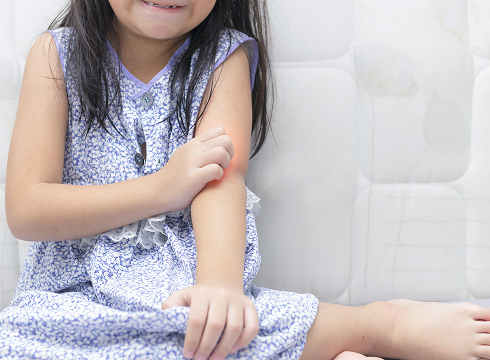
Sharp pain occurs immediately after the impact. After some time, the elbow swells, the joint increases in size, the skin tightens, and becomes hot to the touch. A little later, a bruise appears on the elbow, which can change color from purple to blue-green. This is blood from damaged small vessels soaking into the tissue. If the hematoma is very large and tense, this is cause for concern.
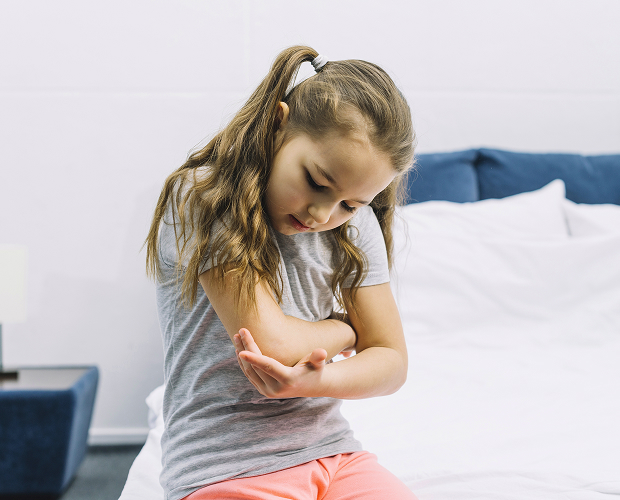
Limited movement and pain when bending
With a common injury, a child can move their arm, but it's painful. Moderate limitation of movement is observed: difficulty fully straightening the arm or touching the shoulder with the fingers. If the arm is "frozen" in one position and any slight movement causes a cry, this is a bad sign.
When symptoms may indicate a more serious injury
You should be wary if elbow pain persists even with rest. If the fingers become cold or pale, or the child complains of a "tingling sensation" in the arm, this could be a sign of vascular or nerve damage.
Any deformation where the elbow looks somehow "off," crooked, or has a strange protrusion, clearly indicates that it's not just a bruised elbow, but something more serious.
First aid for an elbow bruise
Your actions in the first half hour determine how long it will take for the arm to heal. Don't panic and grab every ointment in the first aid kit. The treatment plan for an elbow bruise should be clear and calm, so as not to frighten the child even more.
Rest and immobilize the arm
The first step is to stop all activity. If the child falls outside, take them home. It's best to sling the arm in a sling—this will provide the necessary rest and relieve pressure on the joint.
Proper arm immobilization during rehabilitation helps reduce blood flow to the injured area and relieve throbbing pain.
Cold in the first hours after an injury
The most important thing in the first hours after an injury is to apply cold. It constricts blood vessels, reduces tissue bleeding, and helps relieve pain. Ice or a bag of frozen vegetables are suitable for this, but they should not be applied directly to the skin, so a thin layer of cloth or a towel is needed. Apply cold for 10-15 minutes during the first few hours, then take a half-hour break and repeat the procedure.
Do's and don'ts at home
Avoid applying heat to the injured area during the first 24 hours. Hot baths, heating pads, and warming ointments will only increase swelling and inflammation. Massaging the elbow is also avoided, as this can worsen the condition of the tissue. Below is a brief outline of first aid for a bruised elbow.
- Relax the arm completely and avoid forcing the child to move the elbow through the pain.
- Apply cold with a cloth every 30-40 minutes for the first two hours.
- Elevate the arm above heart level if the child is lying down.
- Administer an age-appropriate pain reliever if the pain is severe.
- Monitor the skin color of the hand and the sensitivity of the fingers.
After this, calmly assess the child's condition. If the swelling increases rapidly, it's best not to stay home and take the child to a doctor.
How does a doctor diagnose an elbow contusion?
A specialist examination is necessary to detect hidden injuries. Even if everything appears normal at first glance, a consultation with a doctor will help remove unnecessary doubts.
Examination and collection of complaints
At the clinic, the traumatologist will first ask how exactly the injury occurred. It's important to know whether the child fell on an outstretched arm or hit their elbow directly. The doctor will gently palpate the joint, check the pulse in the wrist, and assess the degree of movement in the fingers and elbow itself.
When an X-ray or additional examination is needed
If the doctor has even the slightest suspicion of a fracture or a broken bone fragment, they will order an X-ray of the elbow. Bones heal quickly in children, but if they heal incorrectly, it will affect the use of the arm in the future.
In complex cases where damage to the soft tissue structures of the joint is suspected, an ultrasound or MRI may be ordered, but for a common injury, an examination and sometimes an X-ray are sufficient.
General information
Treatment of an elbow contusion in a child
Conservative Treatment of an Elbow Contusion in a Child and a Gentle Regimen
Typically, treatment for an elbow contusion involves home treatment. For the first 2-3 days, limit stress on the arm as much as possible. This means no pull-ups, ball games, or carrying a heavy backpack on the affected shoulder. If swelling is significant, the doctor may recommend the use of special gels that accelerate the absorption of hematomas.
Pain Relief and Recovery Recommendations
If pain interferes with sleep or the child cries constantly, nonsteroidal anti-inflammatory drugs (syrups or tablets) approved for pediatric use are used. After the acute period (usually 3-4 days) has passed, light exercise can begin. Gradual restoration of joint function is the key to preventing the elbow from becoming rigid.
How long does it usually take for an elbow bruise to heal?
Parents are often concerned about how long it will take for the child to recover. A mild bruise usually heals within 5-7 days. If the injury was more severe and there is extensive bruising, healing can sometimes take up to two weeks. The main indicator is pain with normal movements. If after a week the child still has difficulty straightening the arm, a follow-up examination by a doctor is necessary.

FAQ
How can you tell if your child has a bruised elbow and not a fracture?
What should you do in the first few hours after a child's elbow injury?
When is an X-ray needed for an elbow contusion?
How long does it take for a child's elbow bruise to heal?
If you have any concerns about the condition of your child's hand, contact our clinic for treatment. This is the surest path to peace of mind and recovery.



This award is given to clinics with the highest ratings according to user ratings, a large number of requests from this site, and in the absence of critical violations.

This award is given to clinics with the highest ratings according to user ratings. It means that the place is known, loved, and definitely worth visiting.

The ProDoctors portal collected 500 thousand reviews, compiled a rating of doctors based on them and awarded the best. We are proud that our doctors are among those awarded.
Make an appointment at a convenient time on the nearest date
Price
Other Services

Appointment to the doctor




Our clinics


Application “Personal Account K+31”










What is an elbow bruise?
Simply put, this is a soft tissue injury without breaking the bones. The skin, subcutaneous tissue, and muscles are affected. A common elbow contusion is a bruise, which can cause bleeding into the joint cavity or surrounding tissue.
This is not a disease, but a mechanical impact, the outcome of which depends on the force of the impact and the angle at which the force is applied.
How is a contusion different from a dislocation, strain, and fracture?
It's difficult for parents to determine the severity of an injury by eye. With a contusion in childhood, the articular surfaces remain in place, and the bones are intact. A dislocation of the elbow, on the other hand, means that the bones in the joint have shifted relative to each other, and the arm assumes an unnatural position. A fracture is damage to the bone tissue itself. If the elbow is fractured, the pain will be sharp and persistent when bending, and a characteristic crunching sound may be heard when attempting to move the arm. A sprain usually affects the ligaments and is often accompanied by other injuries.
Why do children often experience such injuries?
A child's skeleton is still developing; it is more flexible than that of adults, but the bone growth plates remain quite fragile. Furthermore, children's coordination is not yet fully developed, and their sense of danger is often dulled by the excitement of play. Therefore, any injury to the elbow in children requires careful observation during the first 24 hours.
We are accustomed to children being "like rubber," but the elbow joint is anatomically complex, containing many nerve endings and blood vessels.