
Treating Muscle Strains in Children
Children are constantly on the move. Running, jumping, and falling during practice or in the yard often lead to injuries. It's important for parents to understand the mechanics of these injuries. After all, prompt treatment of muscle strains helps prevent chronic pain in the future.
When a child suffers a muscle strain, adults often get confused and resort to folk remedies that only cause harm. To avoid making mistakes, read this article. In it, we'll cover in detail how to properly administer first aid for muscle strains, what signs to look for, and when home observation is insufficient.

specialists

equipment

treatment






Why are muscle strains more common in children?

Childhood physiology has its own unique characteristics. Bones grow rapidly, but muscles sometimes can't keep up. This creates tension. As a result, muscle strains in children are diagnosed quite often, even in mundane everyday situations.
Sports and active games
Regular exercise puts stress on the musculoskeletal system.
- Any sports injury in childhood is often associated with inadequate force distribution.
- The child wants to jump higher or run faster, ignoring fatigue.
- The muscle contracts too strongly, causing a tear.

Sudden movements, falls, and awkward turns
Children rarely control their movements during active play. A sudden change in direction while running, a bad landing after jumping from a swing, or a trip on level ground cause muscles to contract abruptly and unnaturally.
Lack of warm-up and overexertion
Warmed muscles are elastic. If a child begins an intense workout without preparation, cold fibers are damaged more quickly. Overexertion works on a similar principle: a tired muscle loses its ability to adequately respond to stress and absorb shock.
Symptoms of a muscle strain in a child
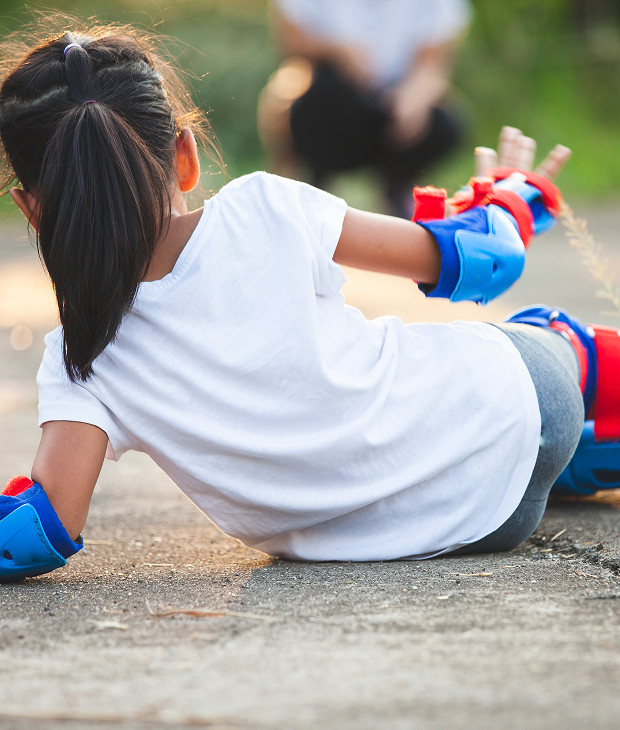
Determining the extent of the problem visually can be difficult. Children may simply cry from fright. But the symptoms of a muscle strain have clear clinical manifestations that develop within the first few hours.
Pain with movement and at rest
The main symptom is pain. A sharp muscle pain appears at the moment of injury. At rest, it may subside and become aching, but with the slightest attempt to strain the injured area or put pressure on the foot, the pain shoots back with renewed intensity.
Swelling, muscle tension, and bruising
In response to tissue damage, fluid begins to accumulate. Edema develops. The injured limb visibly increases in size. Muscle spasm occurs—the body's protective response to immobilize the affected area. If small blood vessels are damaged, a hematoma, or more simply, a bruise, forms under the skin.
How to Distinguish a Sprain from a Contusion, Dislocation, and Fracture
Parents can find it difficult to diagnose a sprain simply by looking at it. A simple bruise can disguise itself as a serious problem. A dislocation is a displacement of the joint surfaces, while a fracture is a disruption of the bone's integrity. A fracture or dislocation often places the limb in an unnatural position, and the pain is excruciating.
To quickly navigate the symptoms, you can use basic injury assessment criteria. Comparative information is provided below.
Muscle Strain, Bruise, and Torn: How to Tell the Difference
| Symptom | Strain | Bruise | Muscle Torn | When to See a Doctor |
|---|---|---|---|---|
| Pain | Moderate/Moderate | Local, at the site of impact | Acute, Severe | With any severe pain |
| Swelling | Minor | Localized | Significant, rapidly increasing | With increasing swelling |
| Movement | Limited due to pain | May be preserved | Severely limited or impossible | If unable to move the limb |
This table does not replace a specialist consultation, but it can help you decide whether an emergency trip to the clinic is necessary.
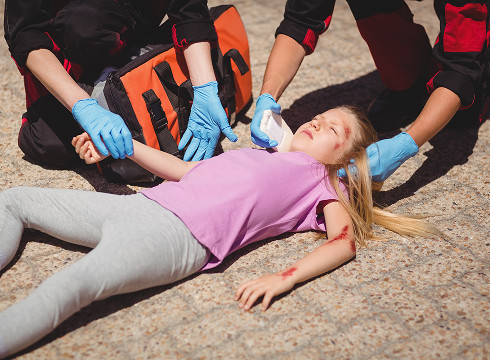
What to do immediately after an injury
The prognosis depends on the correct actions taken in the first few minutes. Proper first aid for muscle strains minimizes inflammation and shortens the healing time.
There is a clear algorithm of actions that should be followed before seeing a doctor. Follow these guidelines:
- Stop physical activity
- Apply cold with a cloth
- Ensure rest and a comfortable position
- Monitor swelling and pain
- See a doctor if symptoms are severe
These basic steps will help stabilize your child's condition. Further action is necessary based on the situation.
Rest and Stop Activity
Don't tell your child to "get going" or "be patient." Stop the activity or play immediately. Rest is the key to preventing further injury. Position or sit the injured person so that the injured area is not strained.
Cold and comfortable position
To constrict blood vessels and stop internal bleeding, use a cold compress. An ice pack, frozen vegetables—anything will do, but be sure to wrap it in a towel. Hold the cold compress for 10-15 minutes. It's advisable to elevate the injured limb above heart level; this will reduce blood flow and swelling.
What to avoid in the first hours
- It's strictly forbidden to apply heat to the injured area for the first two days. Hot baths, warming ointments, and compresses will increase blood flow and increase the hematoma.
- Don't massage or rub the muscle; this will worsen tissue damage.
- And don't try to force the child to move the injured limb.
When you need to see a doctor urgently
Not all injuries can be treated at home. It's important to be aware of dangerous situations and understand when to seek medical attention immediately. Remember: pediatric trauma requires vigilance.
Doctor's quote: "In my practice, parents often mistake a muscle strain for a common bruise. But if a child is careful with the limb, the pain intensifies with movement, and swelling develops, it's best not to wait and take the child to a doctor—this helps avoid complications and speeds recovery."
Severe pain and rapidly increasing swelling
If the pain isn't relieved by common over-the-counter medications and the area of the injury is visibly swollen, this is a bad sign. This could indicate extensive internal bleeding or a complete muscle tear.
The child cannot move their arm or put weight on their leg
Complete limitation of movement is a warning sign. If the child falls when trying to put weight on their leg or cannot lift their arm even a centimeter, there is a high risk of serious tendon or bone damage.
Numbness, severe weakness, deformity, suspicion of serious injury
Loss of sensation below the injury site indicates nerve compression. Visible limb deformity, abnormal bending, or bulging under the skin require immediate medical attention.
General information
Diagnosing a Muscle Strain
A home assessment is subjective. A full diagnosis is only performed in a clinical setting. A specialist examination puts everything in its place.
Examination and Collection of Complaints
During the appointment, the pediatric traumatologist first takes a medical history. The doctor determines the mechanism of the injury: how the patient fell, how they turned, and where exactly the pain is. Palpation is performed. The doctor gently palpates the injured area, assesses tissue tone, and checks the range of motion.
When additional tests are needed
X-rays don't show muscles, but they are almost always done to rule out cracks or fractures in bones, especially in growth plates. Muscle ultrasound or MRI is used to visualize soft tissues in detail, assess fluid accumulation, and identify microtears.
How is the severity of injury assessed?
There are three severity levels.
- First - mild, minimal fiber involvement.
- Second - partial tear, accompanied by severe symptoms.
- Third - severe, complete muscle tear from the tendon, requiring surgical intervention.

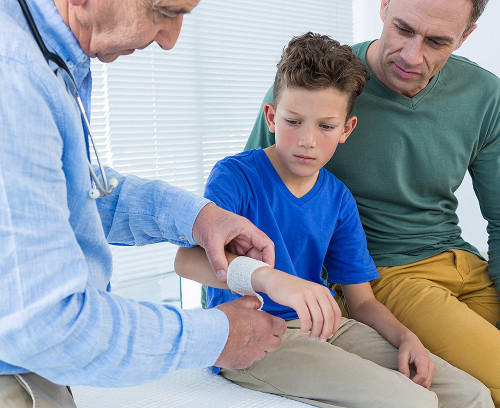



Preventing injuries is easier than treating them. If muscle strains occur regularly in children, their activity regimen should be reviewed.
Warm-up, movement technique, and load dosage
Any physical activity should begin with a proper warm-up. Warming up prepares the body for work. A trainer or parent should monitor exercise technique. The load should increase gradually, without sudden increases.
How to reduce the risk of recurrent strains
Monitor your child's diet; it should meet the growing body's needs for protein and micronutrients. Ensure good sleep—it is during sleep that regeneration processes occur. Don't send a tired child to exercise.
Frequently Asked Questions
How do you know if your child has a muscle strain?
What should you do immediately after a child has a muscle strain?
When should you urgently take your child to the doctor?
How long does it take for muscle strains to heal in children?
The time frame depends on the severity of the injury. Minor injuries heal more quickly. It's important to understand how long a muscle strain takes to heal in a specific case: if the injury is severe, recovery from the injury takes longer.
Returning to sports is only possible after the discomfort has subsided and a doctor has given the go-ahead.
Conclusion
Proper treatment for a muscle strain requires patience. Don't panic, but don't let the situation slide either. If your child has a muscle strain, your job is to recognize the symptoms promptly, provide rest, apply a cold compress, and prevent serious future limitations of movement due to improper fiber fusion.
Remember that treating a muscle strain is the responsibility of a doctor. Only a specialist can rule out hidden dangers. Trust the professionals, monitor the process, and your child's muscle strain will heal without a trace, allowing them to quickly return to a full and active life.




This award is given to clinics with the highest ratings according to user ratings, a large number of requests from this site, and in the absence of critical violations.

This award is given to clinics with the highest ratings according to user ratings. It means that the place is known, loved, and definitely worth visiting.

The ProDoctors portal collected 500 thousand reviews, compiled a rating of doctors based on them and awarded the best. We are proud that our doctors are among those awarded.
Make an appointment at a convenient time on the nearest date
Price
Other Services

Appointment to the doctor



Our clinics


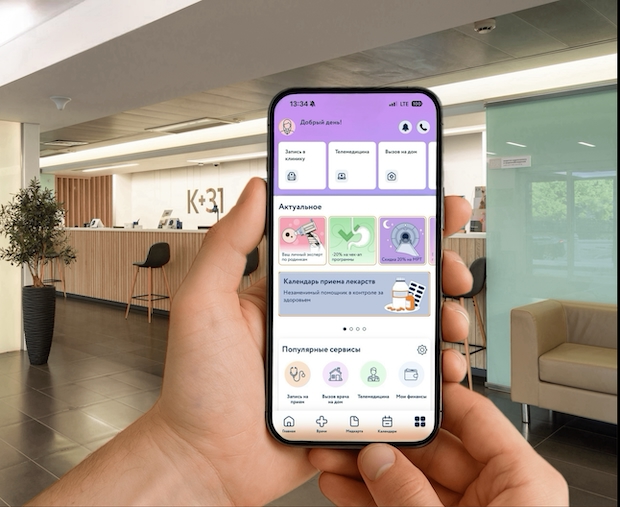
Application “Personal Account K+31”











What is a muscle strain and how is it different from other injuries?
A strain is a physical injury to tissue. It occurs when a muscle fiber is subjected to a load that exceeds its tensile strength. This isn't just fatigue after a long walk. It's micro-tears in the fibers. In severe cases, a complete muscle rupture can occur.
Any muscle injury is accompanied by inflammation. The body reacts to micro-tears by sending fluid and immune cells to the site of injury. Localized pain occurs. The main difference between a strain and a ligament injury is the location: ligaments connect bones, while muscles move joints. It is the muscle belly or the junction between the muscle and tendon that is injured.