
Chest contusion in a child: symptoms, first aid, and treatment
Children are constantly on the move, so falls and accidental collisions happen at every turn. Therefore, parents often encounter chest contusions in children after regular play on the playground or active sports.
In most cases, only the skin or subcutaneous tissue is affected. However, the heart and lungs are located behind the ribs, so such injuries should not be ignored.
It's important not to panic, but to calmly examine the site of the contusion and determine whether you can handle it yourself or whether medical assistance is needed.

specialists

equipment

treatment



Symptoms of a chest contusion in a child
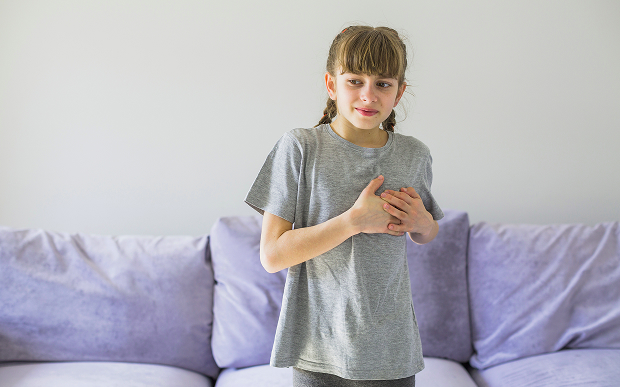
Symptoms depend on the force of the impact and the area that bore the brunt of the impact. Parents typically notice changes immediately, but some signs may appear a couple of hours later, as soft tissue swelling increases.
Typical Signs of a Minor Injury
If the impact was mild, a bruise or slight swelling may appear on the chest. The child complains of localized pain at the site of contact.
Typically, this pain intensifies only with direct pressure on the site of the bruise (hematoma). The child may be fussy, but remains active, skin color remains unchanged, and the pulse remains normal.

When pain and discomfort become alarming signals
Sometimes, even though the injury appears minor, the child begins to complain of pain when inhaling. This occurs because the intercostal muscles involved in breathing have been injured. If the child winces or begins to cry when attempting to take a deep breath, this indicates significant soft tissue damage or possible involvement of the rib periosteum.
What symptoms require urgent medical attention?
There are dangers that require immediate medical attention. Urgent, safe assistance is necessary if the child is experiencing shortness of breath, severe pallor, cyanosis of the nasolabial triangle, or if the child has become lethargic.
These symptoms may indicate internal organ damage or a compromised chest wall. Hemoptysis, even in the form of single streaks in saliva after an injury, is a critical sign requiring immediate emergency medical attention.

First aid for a child after a chest blow
Your actions in the first few minutes determine how quickly the healing process progresses and whether complications can be avoided. Maintaining a calm adult attitude is crucial, as fear is transmitted to the child, causing them to breathe more quickly, which intensifies the pain.
First aid for a chest contusion begins with ensuring rest. Don't force the child to go home or continue playing.
What not to do in the first few hours
Don't try to "warm up" the area of the blow. This is the main mistake parents make. For the first 48 hours, avoid hot baths, heating pads, and any warming ointments—they will only accelerate the bruise's growth and increase discomfort.
Also, avoid tightly bandaging the child yourself. This restricts breathing, preventing the lungs from expanding properly, which is extremely dangerous.
When do you need to see a doctor and what tests might be needed?
Even if a chest contusion appears minor, it's best to take your child to a doctor. Parents may not always notice hidden injuries immediately after a blow, but a specialist can help identify hidden injuries and prevent complications.
Examination by a pediatrician or traumatologist
Take your child to a pediatrician or pediatric traumatologist immediately. The doctor will palpate the chest, check for rib integrity, and listen to breathing with a stethoscope.
Be sure to describe in detail how the injury occurred, and mention whether the child lost consciousness or vomited immediately after the blow.
When are X-rays, ultrasound, or other tests prescribed?
In cases where there is a risk of a rib fracture or internal tissue damage, an examination is essential. The doctor needs to know exactly what's happening inside. Modern methods are used for this:
- A chest X-ray is the main way to check the integrity of the bones and ensure the lungs are healthy.
- An ultrasound is prescribed for blows to the lower ribs to rule out damage to the spleen or liver.
- An ECG is required if the child has hit the area where the heart is located to rule out heart problems.
All these tests are performed quickly. The doctor will then have a complete picture and be able to formulate a clear plan of action.

General information
Treatment of chest contusion in children
If serious injuries are ruled out, treatment of chest contusion in children is performed at home under parental supervision. The primary focus is on creating conditions for natural tissue healing.
Rest and Limitation of Physical Activity
For 3-5 days, a strict regimen should be instituted: rest and cold. No physical exercise, active play, or running around. The child should spend time quietly—reading books, coloring, or watching favorite cartoons. When physical activity is minimized, the risk of re-injury decreases, and pain is noticeably reduced.
Cold in the First Hours after Injury
As mentioned, cold is only effective during the first 24-48 hours. Apply a cold compress or ice pack wrapped in a towel for 10 minutes at a time, with intervals of 1-2 hours. This is the safest way to reduce initial swelling after a soft tissue bruise.
Pain Relief and Observation
If pain interferes with sleep or movement, a doctor may prescribe pain relief. Typically, ibuprofen or paracetamol-based medications are used in doses appropriate for the child's age and weight.
Do not self-prescribe strong analgesics or anti-inflammatory ointments, as they have age restrictions.
How Long Does Recovery Take?
Recovery from a bruise typically takes one to two weeks. The pain at the site of the injury gradually subsides, and the bruise changes color from bluish to yellow-green and disappears.
If the pain persists after a week or worsens, you should return to the clinic.


FAQ
How can you tell if your child has a chest contusion and not a more serious injury?
What should you do in the first few hours after a chest injury?
When should you urgently seek medical attention?
How long does it take to recover from a chest contusion?
Every child reacts differently to pain. There's no one-size-fits-all rule. Your job is to monitor their well-being and avoid putting unnecessary strain on them. If there's even the slightest doubt that your child has suffered a simple bruise, take them to the doctor. An extra examination is better than a missed injury. This is the fastest way to get them back to their normal routine.



This award is given to clinics with the highest ratings according to user ratings, a large number of requests from this site, and in the absence of critical violations.

This award is given to clinics with the highest ratings according to user ratings. It means that the place is known, loved, and definitely worth visiting.

The ProDoctors portal collected 500 thousand reviews, compiled a rating of doctors based on them and awarded the best. We are proud that our doctors are among those awarded.
Make an appointment at a convenient time on the nearest date
Price
Other Services

Appointment to the doctor




Our clinics


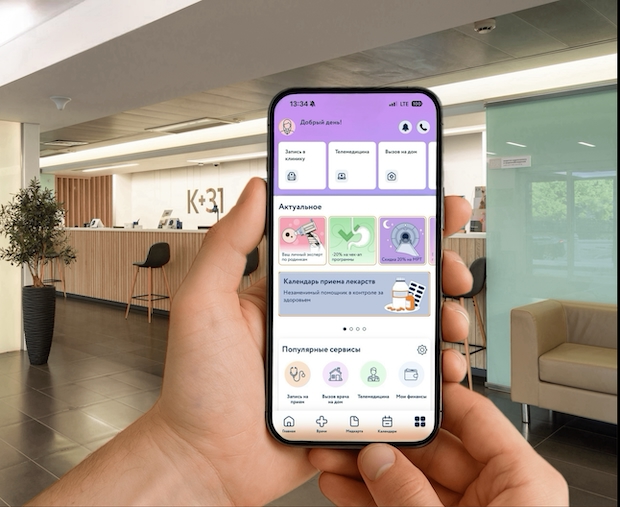
Application “Personal Account K+31”










What is a chest contusion and why does it occur in children?
Doctors define a contusion as damage to soft tissue without destroying its structure. Children's rib cages are very elastic; this is a physiological fact. A child's rib cage contains a lot of cartilage and little mineral content, making it flexible. When struck, they deform but do not break.
However, this flexibility comes with a risk. The bones may remain intact, but all the energy of the impact is transferred to the internal organs. Therefore, a chest contusion can be more dangerous than it seems at first glance, as internal organs may be damaged.
How a child can get such an injury
Children are constantly seeking adventure, and the causes of injuries are always the same. Usually, a child hits their chest under circumstances that are difficult to foresee.
There's no need to panic immediately after such an incident. Watch how your child breathes. Often, pain causes a sharp spasm, and breathing stops for a few seconds. This is normal and passes quickly.
If you notice that your child can't breathe or is breathing too quickly and shallowly, this is a serious symptom.
How does a bruise differ from more serious injuries?
The main difference between a simple bruise and a fracture or organ damage is the preservation of general bodily function. A bruise affects the skin, subcutaneous tissue, and muscles.
If a more serious chest injury occurs, the ribs or pleura—the lining of the lungs—may be damaged. It's difficult for parents to determine the severity by eye, so they need to rely on the child's overall well-being and the dynamics of the pain.