
Neck Strain in Children: Symptoms, Treatment, and Recovery
Active games and sports often end with a child experiencing neck or shoulder pain. Most often, a child's neck injury manifests itself not at the moment of impact, but a couple of hours after a fall or a collision with friends.
To quickly recognize the symptoms of a neck strain and prevent complications, you need to have a clear and understandable plan of action.
The neck is responsible for many functions: it supports the head and protects important blood vessels and the spinal cord. In children, the spine and muscles are still developing, making this area very fragile. Any neck strain in a child requires the involvement of parents and specialists. Even if the injury seems minor, it can affect posture and overall health in the future.

specialists

equipment

treatment



What is a neck strain and why does it occur in children?

A sprain is an injury to the fibers of ligaments or muscles that occurs with movement that exceeds the normal physiological range of a joint. Unlike a fracture, the integrity of the bone structures is not compromised, but the functional capabilities of the joint are temporarily limited.
Which tissues are injured?
A sharp mechanical impact primarily affects soft tissues, which have not yet developed sufficient strength. The following muscle groups bear the brunt of the impact:
- Trapezius
- Sternocleidomastoid and
- Erector spinae
In medical practice, neck muscle strains are often recorded, in which microscopic tears occur in the fibers. This is accompanied by aseptic inflammation, which is the body's natural response aimed at restoring the damaged area.

Why trauma may manifest itself more clearly in children
Children's bodies have a number of characteristics that increase the clinical manifestations of injuries. Ligaments in children are more elastic than in adults, but their muscles are still weak and unable to fully support the vertebrae during sudden jerks.
Furthermore, children have looser tissue, which causes swelling in the injured area to develop more quickly and can be more pronounced. The highly reactive nervous system means that even minor injuries cause intense pain and significant anxiety.

How does a sprain differ from a bruise or more serious injury?
You can tell what exactly has happened by the first signs. A neck contusion is a superficial injury—abrasions or bruises. A sprain affects the muscles and ligaments, so the pain is felt deep within and interferes with any head movement.
If you notice numbness or your child can't move their arms at all, this indicates a possible fracture or dislocation.
These differences are the main clues for identifying any neck injury in a child and the degree of health threat at that moment.
Symptoms of a Neck Strain in a Child
The sooner you notice signs of injury, the sooner recovery can begin. Keep in mind that symptoms aren't always immediately apparent—sometimes they worsen over several hours as inflammation increases.
Most often, parents are concerned about severe neck pain in their child, which interferes with their ability to look around. Due to stiffness, the child may begin to turn their entire body or hold their head at an unusual angle.
You may notice that your child cries while changing clothes or when you put them to bed, as any neck movement causes discomfort.
Sometimes a noticeable swelling or edema appears at the site of the injury, making the contours of the neck appear less defined. The body attempts to protect the injured area, causing a muscle spasm that literally locks the head in one position. Although this is a natural defense, it often causes severe, aching pain. If you gently palpate the neck, you will feel firm, tender areas under your fingers. To determine how serious the situation is and whether it's time to see a doctor, use the criteria below.
| Symptom | Mild sprain | Reason for urgent medical attention |
|---|---|---|
| Pain | Moderate, only with movement | Severe, prevents sleep, constant |
| Mobility | Limited neck mobility, but movement is possible | Complete inability to turn the head |
| General Condition | The child is active and conscious. | Vomiting, drowsiness, complaints of blurred vision. |
There are certain symptoms that require immediate attention. If the child's condition is seriously concerning, it is best to immediately contact specialists in the emergency room. Urgent care is needed if you observe the following:
- Persistent, severe pain that doesn't respond to conventional treatments
- The child holds their head in one position and cannot turn it to any side
- Vomiting, severe dizziness, or persistent nausea has begun
- Significant weakness in the hands or a tingling sensation in the arms has developed
- The child has become unusually lethargic or, conversely, overly active
Such complaints indicate that the child's neck injury has progressed beyond simple muscle damage and may have affected the spinal roots. Delaying diagnosis can be dangerous to health and significantly delay recovery.
General information
First Aid in the First Hours after an Injury
How you respond immediately after an injury directly affects how quickly the tissues will recover. The main goal now is to prevent inflammation from spreading and to numb the injured area as much as possible.
What can be done at home
The most important condition for recovery is to avoid unnecessary movement. Essentially, the basic first aid for a neck strain is to lay the child on a flat and fairly firm surface. To keep the neck in a natural position, you can place a small bolster made from a regular towel under it.
Apply a cold compress or ice through a layer of cloth to the area of greatest pain for 10-15 minutes. This will help relieve some discomfort and significantly reduce swelling in the soft tissues. This rest regimen should be maintained until the child's condition is assessed by a specialist.
What Not to Do
Many people, out of habit, try to immediately warm the sore area, but in the case of an injury, this is a mistake. Never use heating pads, hot showers, or warming ointments during the first two days, as heat will only increase blood flow and worsen the situation.
Also, any self-massage or attempts to forcefully stretch the child's neck are strictly prohibited. Harsh manipulations can turn a minor injury into a serious muscle tear, significantly complicating the healing process.
When to Rush to the Clinic
If you are dealing with a neck injury in a young child, it's always better to be on the safe side and take them to a doctor. A routine doctor's consultation is necessary if the pain hasn't subsided within 24 hours or if the child is unable to play or sleep normally because of it.
In situations where a child has fallen from a great height, hit their back hard, or momentarily lost their bearings, immediate help is needed. Seek immediate help even if the external symptoms of a neck strain seem minor and don't raise serious concerns.




Frequently asked questions from parents
This section contains answers to the most frequently asked questions by parents during doctor's appointments. This will help you better navigate the situation. This article is for informational purposes only and in no way replaces an in-person visit with a doctor.
How can I tell if my child has a neck strain?
What should I do immediately after a neck strain in a child?
Can I apply heat or massage to the neck?
How long does recovery take?
The recovery time depends on the severity of the injury and the age of the child. With a mild sprain, improvement usually occurs gradually over the next few days, but full recovery from the injury and return to sports requires monitoring. The exact timeframe is determined by the doctor after an examination.
Your child's complaints should be treated carefully, and medical recommendations should be followed even for long-term consequences of the injury. Our clinic's specialists are ready to examine your child. Doctors will offer a safe rehabilitation program tailored to the individual developmental needs of your child. Timely diagnosis is the key to future spinal health.



This award is given to clinics with the highest ratings according to user ratings, a large number of requests from this site, and in the absence of critical violations.

This award is given to clinics with the highest ratings according to user ratings. It means that the place is known, loved, and definitely worth visiting.

The ProDoctors portal collected 500 thousand reviews, compiled a rating of doctors based on them and awarded the best. We are proud that our doctors are among those awarded.
Make an appointment at a convenient time on the nearest date
Price
Other Services

Appointment to the doctor





Our clinics


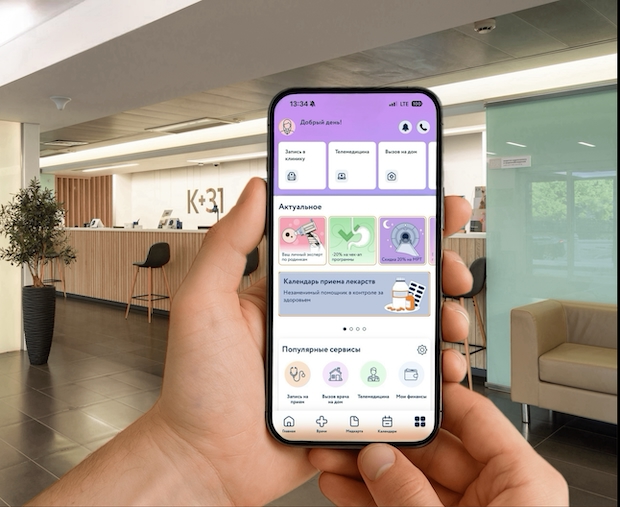
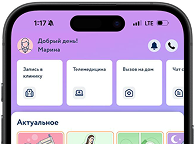
Application “Personal Account K+31”










Causes and risk factors
Children's necks suffer for a variety of reasons, often due to habitual behavior and play. Knowing the dangers can help prevent neck strains and save your child pain and long-term treatment.
Falls, Sports, and Active Play
Children are very active, and this often leads to injuries. A fall from a swing, stairs, or even a mistimed jump from a bed can cause the head to jerk back. Sports such as wrestling, soccer, or gymnastics increase the risk of neck strain in children due to the constant jerking and collisions. Even if the fall seems minor, the force of inertia can be enough to damage the ligaments.
Awkward Head Turn and Sudden Movement
Sometimes an injury occurs out of the blue, without any falls or impacts. A sudden head turn, whether it's while a child is playing or trying to quickly look at something, is enough. If the muscles aren't yet warmed up, or the child has just woken up from sleeping in an awkward position, the fibers may not be able to withstand the tension. At such moments, parents immediately notice that the child freezes and is afraid to move.
Neck Muscle Strain
How a child spends their free time also greatly affects the condition of the neck. Prolonged static stress with an incorrect posture (like holding a smartphone while holding a watch) causes the muscles to remain constantly tense. Due to this fatigue, they stop protecting the spine and lose elasticity. As a result, any accidental movement causes a neck muscle strain much more quickly, because the tissues simply don't have time to react and cushion the strain.