
Bruised nail in a child: treatment, first aid, symptoms, and recovery
A bruised nail is a common childhood injury. Any minor mechanical impact can cause severe bleeding and damage to the growth plate.
We explain how to treat a bruised nail in a child, what symptoms to look out for first, and how to provide proper first aid to prevent complications.

specialists

equipment

treatment



Symptoms of a bruised nail in a child
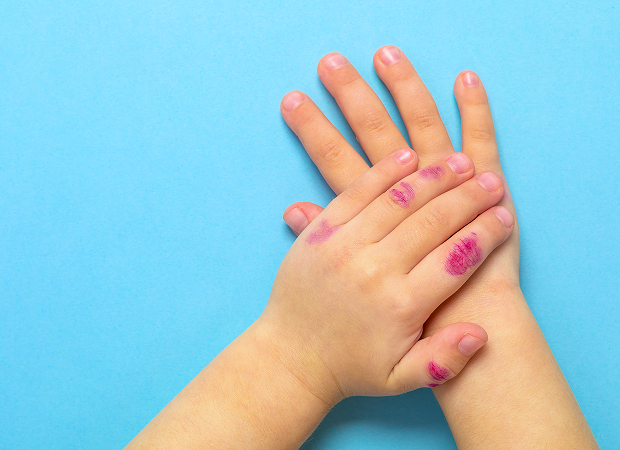
A bruised nail is hard to miss. Parents' main task is to accurately assess the extent of the damage and not miss signs of a more serious injury.
Pain, swelling, redness, and bruising
Pain after a bruised finger appears immediately. Swelling then develops, and the skin around the nail becomes red and hot to the touch. A bruised nail may then develop.
When blood appears under the nail
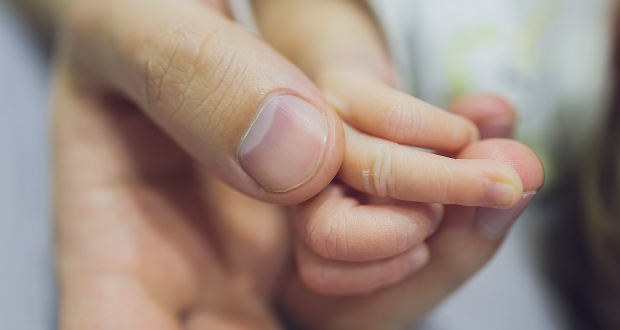
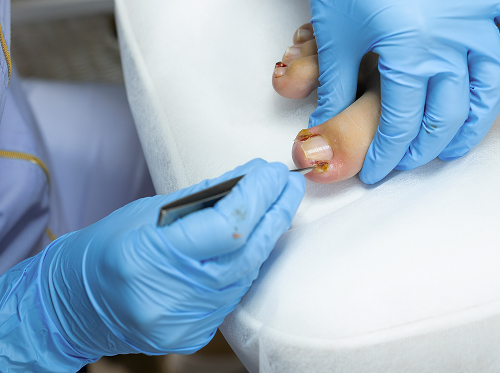
If the blow was severe, a spot will become visible under the transparent nail plate—at first bright red, then burgundy or dark purple. This indicates a hematoma has formed. Parents often notice that their child's nail has turned blue before their eyes, accompanied by increased crying due to increasing pressure under the nail plate.
Signs that may indicate a fracture
Sometimes a nail injury in a child masks a bone injury. The following signs may indicate a phalanx fracture:
- Abnormal finger position (deformity)
- Inability to move the joint
- Swelling extends to the entire phalanx and beyond
- Pain persists even after applying cold
How to distinguish a sprain from a bruise, strain, or tear
To differentiate between conditions at home, you can use the following signs, listed in the comparison table.
| Symptom | Strain | Hip Contusion | Rupture |
|---|---|---|---|
| Pain Nature | Increased by muscle strain | Sharp when touching the site of impact | Sharp, "dagger-like" pain at the moment of injury |
| Swelling | Moderate, localized | Significant bruising is possible | Often very severe |
| Walking | Difficulty, but possible | Dependent on the force of the impact | Severely limited, no support possible |
| Doctor's examination | Recommended for diagnosis | If swelling is severe | Mandatory and urgent |
First aid for a bruised nail
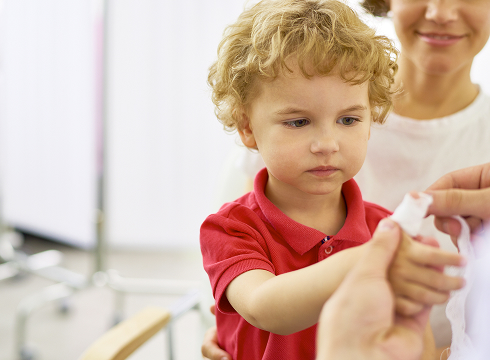
Properly administered first aid for a bruised nail can significantly reduce the pain and size of the bruise. Act quickly, trying not to frighten the child.
What to do immediately after a blow
The first step is to stop the traumatic factor and calm the child. Raise the finger above heart level—this will help slow blood flow and reduce heart rate.
How to apply cold correctly
A cold compress constricts blood vessels and slows the formation of a hematoma. Important: Do not apply ice or cold directly to the skin. Wrap it in a thin towel or napkin. Keep it on the skin for no more than 10-15 minutes.
What can be used for treatment
If the skin is damaged, treat it with an antiseptic. Aqueous solutions of chlorhexidine or miramistin are suitable. Using alcohol or iodine is not recommended, as they can cause a chemical burn.
What not to do
- Do not prick the nail or try to draw blood
- Do not apply heat to the finger for the first 24–48 hours
- Do not apply adhesive tape without a sterile backing to the damaged nail
What to do immediately after a nail injury:
- Sit the child down and assess the finger
- Apply cold through a cloth for 10–15 minutes
- Gently treat the skin around the nail with an antiseptic
- Apply a dry, clean bandage if necessary
- Monitor the pain, swelling, and color of the nail over the next few hours
When should you show your child to a doctor?
Not every nail bruise requires a trip to the hospital, but there are situations when a qualified pediatric traumatologist is needed as quickly as possible. In Moscow, specialized trauma centers are open 24/7, allowing for quick assistance.
Severe pain and increasing swelling
If the child continues to cry loudly 2-3 hours after the injury and the finger swelling continues to increase, this indicates a complex injury (including a fracture).
Blackening of the nail and a large hematoma
If the nail is completely blackened or more than half blackened, there is a high risk of losing it. Furthermore, a large hematoma can become infected. The doctor will assess the need for bleeding through a small hole, which will immediately relieve pain.
Inability to move a finger
If a child is unable to bend or straighten a finger, or if abnormal mobility is observed where it shouldn't be, a fracture or dislocation is suspected.
Signs of infection
If fluid begins to ooze from under the nail a day or two after the injury, an unpleasant odor develops, and the body temperature rises, these are signs of developing inflammation.
General information
How does a doctor diagnose a nail injury?
When you visit a clinic, the doctor conducts a comprehensive assessment. The diagnosis begins with a visual examination. The doctor checks the integrity of the nail bed, evaluates the skin color, and checks the sensitivity of the distal phalanx.
When is an X-ray needed?
A finger X-ray is prescribed if a bone injury is suspected. This is a standard procedure if the blow was severe (for example, from a car door or a heavy hammer). An X-ray helps rule out fractures of the phalanx, which require a splint.
How does a bruise differ from a fracture and damage to the nail plate?
A fracture affects the bone, while a bruise affects only soft tissue.
| Condition | Signs | What to do | When to see a doctor |
|---|---|---|---|
| Mild bruise | Moderate pain, slight swelling | Cold, rest, observation | If symptoms worsen |
| Subungual hematoma | Dark spot under the nail, throbbing pain | Do not open it yourself | Preferably as soon as possible |
| Suspected fracture | Severe pain, Deformation | Immobilize the finger | Urgently |
| Nail damage | Blood, peeling, abrasion | Treatment and bandage | In case of severe bleeding |
Prevention of nail injuries in children
Most bruises are preventable household injuries.
How to reduce the risk of household injuries
- Use door stoppers and soft door linings to prevent finger entrapment
- Teach your child to close drawers and tables carefully
- Buy closed-toe and hard-toed shoes for playgrounds
What's important to explain to your child
Your child should know not to stick their fingers into doorways or attempt to lift heavy objects.
"In pediatric traumatology practice, a bruised nail often seems like a minor problem to parents, but if a dark spot under the nail quickly grows and the pain intensifies, the child should be seen by a doctor as soon as possible."
FAQ
Should I see a doctor if my nail just turns blue?
Can a bruise be treated at home?
How long does it take for an injury to heal?
Is it okay to get your finger wet after a bruise?
Proper treatment for a bruised nail helps a child forget the unpleasant event more quickly. Be attentive to your child's complaints and don't hesitate to seek help if you have any doubts about the severity of the injury.



This award is given to clinics with the highest ratings according to user ratings, a large number of requests from this site, and in the absence of critical violations.

This award is given to clinics with the highest ratings according to user ratings. It means that the place is known, loved, and definitely worth visiting.

The ProDoctors portal collected 500 thousand reviews, compiled a rating of doctors based on them and awarded the best. We are proud that our doctors are among those awarded.
Make an appointment at a convenient time on the nearest date
Price
Other Services

Appointment to the doctor



Our clinics


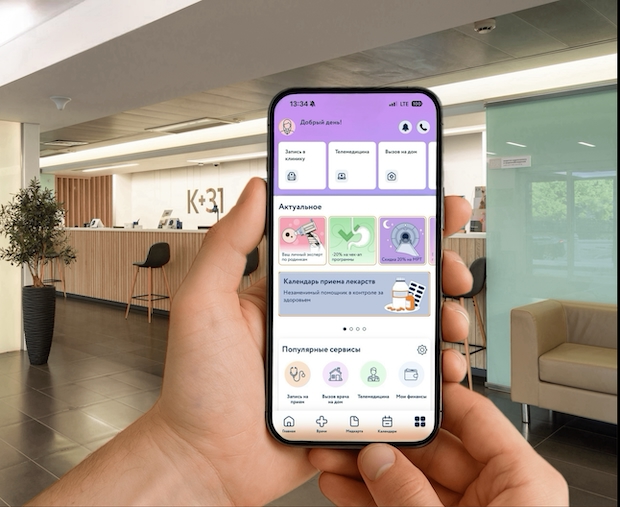
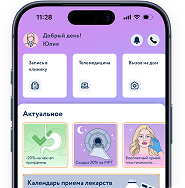
Application “Personal Account K+31”











What is a bruised nail and why do children need special attention?
Medically, a nail bruise in a child is a closed soft tissue injury to the distal phalanx of the finger, accompanied by damage to small capillaries and nerve endings. A child's body is characterized by more elastic tissues and superficial capillaries, which causes hematomas to form almost instantly.
How does an injury occur?
The most common injury is a finger bruise—a child may be pinched by a door, hit with a heavy object, or caught in a construction set. Less common is a toe bruise, which occurs when a child hits a piece of furniture or when heavy objects fall on the foot. In both cases, the impact occurs in a sensitive area where the nail is tightly fused with soft tissue.
Why is a subungual hematoma dangerous?
When a blow occurs, blood vessels under the nail plate burst. Blood is unable to escape and accumulates in a confined space. This condition is called a subungual hematoma. It creates excessive pressure on the tissue, causing a bursting, throbbing pain. If the hematoma covers more than 25–50% of the nail surface, the pressure can cause the nail plate to separate from the nail bed.
Why complications develop faster in children
Children's metabolism processes are faster than those of adults. This also affects the development of inflammatory reactions. A minor infection that enters through a microcrack during a bruise can develop into a purulent inflammation within hours. Furthermore, the nail plates of children are thinner, making them more vulnerable to deformation under the pressure of accumulated blood.