
Treatment of groin strain in children
Musculoskeletal injuries in childhood are common, especially if the child plays sports. A groin strain is a consequence of a sports injury.
Proper treatment of a groin strain in children can help prevent pain and quickly return to normal life.

specialists

equipment

treatment



How to recognize a groin strain in a child
Distinguishing normal post-exercise fatigue from tissue damage is an important skill. Observe your child's behavior and respond quickly to their complaints.
Main Symptoms
Typically, symptoms of a groin strain appear suddenly during a sudden movement. The child may cry out or immediately stop the activity. Typical signs include:
- Sharp groin pain in a child that intensifies when trying to bring the legs together or raise the knee.
- Limping occurs, which occurs because the child is afraid to step on one leg.
- Swelling and bruising appear on the inner thigh.
- Limited mobility: the child has difficulty stepping over obstacles or climbing stairs.
When groin pain is not a strain.
Discomfort is not always muscle-related. The groin area is an anatomically complex area. Groin pain in a child can be caused by inflamed lymph nodes, hip problems, or even abdominal diseases. If the pain is aching, not associated with injury, or accompanied by fever, other pathologies must be ruled out.
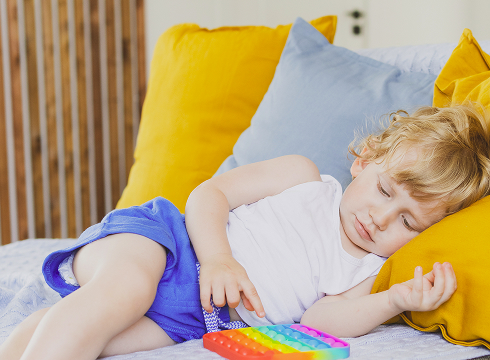
First aid for a groin injury
First aid for a groin strain simplifies rehabilitation. In the first few hours, the emphasis is on reducing swelling and pain.
A reminder for parents
If a groin injury occurs, you should:
- Stop exercising: exercising through pain is the worst-case scenario.
- Ensure rest. The child should be positioned so that the injured leg is relaxed.
- Apply a cold compress: use ice or any frozen food from the refrigerator. The compress should be wrapped in a thin towel.
- Monitor. Monitor skin color and pain level.
Cold application can be repeated every 2-3 hours during the first 24 hours after the incident.
What not to do
Prohibited:
- Heating the injury site during the first 48 hours (heating pads, hot baths, warming ointments).
- Massaging the injured area.
- Trying to "stretch" the muscle through pain, hoping for a quick recovery.
- Taking medications or applying ointments to the injury without a doctor's recommendation.
Ignoring these precautions often leads to increased inflammation and a larger hematoma.
How does a doctor confirm a diagnosis?
Even if your child's groin strain appears minor, a consultation with a specialist is recommended. A pediatric traumatologist is the appropriate specialist in this case.
Examination and history taking
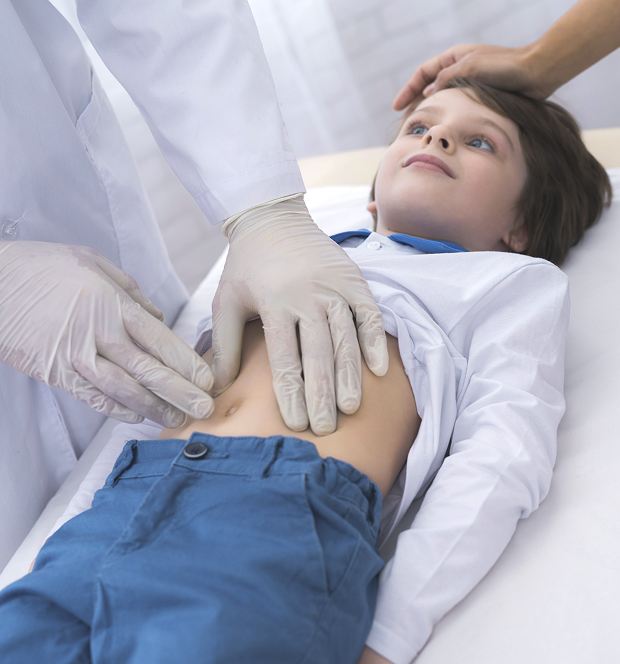
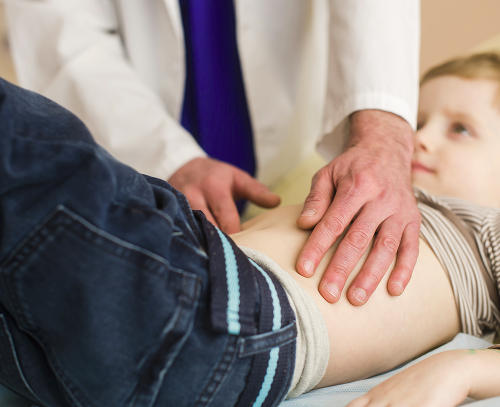
The examination begins with a questioning of the injury, including how it occurred, when the child's groin pain began, and its severity. The doctor will assess the child's range of motion, check muscle tone, and detect tender points. Through palpation, the specialist will determine the location of the injury—whether it is in the muscle belly or at its attachment to the bone.
When additional tests are needed
In most cases, a visual examination is sufficient, but if a complete muscle tear or concomitant bone injuries are suspected, the following may be prescribed:
- Soft tissue ultrasound (allows visualization of fiber ruptures and hematoma volume)
- X-ray (to rule out an avulsion fracture, which sometimes occurs in adolescent athletes)
- MRI (in complex cases, for a detailed assessment of the labrum and deep muscles)
A high-quality diagnosis is the key to ensuring that groin strain treatment is prescribed correctly and promptly.
General information
Treatment of groin strains in children
Comprehensive treatment of groin strains in children is based on gradual principles. Medication therapy is usually supportive, while regimen plays a primary role.
Rest and Limitation of Activity
For the first few days after a groin strain, you should lie down. Running, jumping, and cycling are all prohibited. Limiting activity allows microtears to heal without the formation of severe scars.
The rest period lasts from 3 to 7 days.
Cold and Pain Control
During the acute phase, use a cold compress and, if necessary, nonsteroidal anti-inflammatory drugs in age-appropriate dosages. Ointments and gels should have a cooling or neutral effect. Remember that a groin strain is an inflammatory process, so pain control in the first few days is important for normal sleep and the child's well-being.
Rehabilitation and Physical Therapy
Once the acute pain subsides, rehabilitation begins. This includes gentle stretching exercises and gradual strengthening of the adductor muscles. Physical therapy should be performed under the supervision of a specialist or according to a prescribed plan. Exercises should not cause discomfort. If limping or severe pain returns during exercise, the load should be reduced immediately.

To prevent groin strains from becoming a recurring problem in children, it's important to follow simple preventative measures. This primarily involves balancing exercise and rest. Muscles that are chronically overstrained are more susceptible to injury.
Be sure to stretch your muscles after exercise. Don't forget to stay hydrated, as dehydration makes tissues less elastic.
FAQ
Can I use an elastic bandage?
Will swimming in a pool help?
How long will it take for lameness to resolve?
Recovering from a groin strain is a long road. But a groin strain isn't a death sentence. Once you've recovered, you can return to sports. The key is to take your time.



This award is given to clinics with the highest ratings according to user ratings, a large number of requests from this site, and in the absence of critical violations.

This award is given to clinics with the highest ratings according to user ratings. It means that the place is known, loved, and definitely worth visiting.

The ProDoctors portal collected 500 thousand reviews, compiled a rating of doctors based on them and awarded the best. We are proud that our doctors are among those awarded.
Make an appointment at a convenient time on the nearest date
Price
Other Services

Appointment to the doctor

Our clinics


Application “Personal Account K+31”











What is a groin strain and why does it occur?
A groin strain is a soft tissue injury to the groin area, most often affecting the adductor muscles of the hip. This muscle injury occurs when the muscles contract suddenly while simultaneously being stretched. In children, the tissues are more elastic than in adults, but immature coordination and intense physical activity can lead to muscle tearing.
The main causes of injury in childhood are:
Any sports injury in children requires careful monitoring, as an untreated injury can lead to the formation of scar tissue, which reduces joint mobility in the future.