
Pelvic bone fracture in children: treatment, symptoms, and recovery
Pelvic fractures in children cannot be assessed solely by pain or the appearance of the injury. At our Moscow clinic, a doctor performs a diagnosis, determines whether a pelvic fracture is present, prescribes treatment, and explains to parents how to treat a child's pelvic fracture without putting unnecessary strain or risking complications.
The main goal is the child's safe recovery from the injury and a gradual return to normal activity.

specialists

equipment

treatment






Causes and mechanisms of injury
A direct blow to the hip or buttocks can cause an isolated fracture. Typically, such incidents cause stable injuries, in which the pelvic ring remains intact.
Intense sports without proper preparation can cause avulsion fractures. A sudden muscle contraction while running, jumping, or kicking a ball can tear a bone fragment at the tendon attachment site.
Symptoms of a pelvic fracture in a child
The clinical presentation of a pelvic fracture depends on the location of the injury and the degree of pelvic girdle instability. Parents need to know the basic symptoms of a pelvic fracture to raise the alarm in time.
Pain, swelling, hematoma
The first and most obvious sign of injury is acute pelvic pain, which intensifies with the slightest attempt to move the legs. Swelling in the area of the injury rapidly increases, and the tissues become dense and hot to the touch. Due to rupture of blood vessels, a large hematoma forms under the skin, which can extend to the perineum and upper thigh.
Limited movement and gait disturbance
Protective muscle spasms cause the child to assume a forced position—often a "frog" pose with legs spread apart. Severe limitation of movement in the hip joints is observed.

Signs of displacement and instability
If the impact was severe, bone fragments may shift from their normal position. Significant displacement of fragments is visually evident by pelvic asymmetry or a visible shortening of one of the lower limbs. These symptoms of a pelvic fracture indicate an unstable injury and require immediate fixation to prevent injury to blood vessels and nerves.
Warning symptoms of internal organ damage
Urgent medical attention is needed if the following signs occur:
- Severe pelvic pain
- The child is unable to stand or walk
- Significant swelling or a large hematoma has developed
- Pain in the abdomen, groin, or lower abdomen
- Blood is visible in the urine
- Sharply deteriorating health
Even one sign from this list is a reason to call an ambulance. Waiting for the symptoms to improve is not an option in this situation.
Pelvic fracture diagnosis
It is impossible to determine the exact nature of the injury based on an examination alone. A comprehensive diagnosis of a pelvic fracture includes clinical and instrumental examination methods.
Pediatric traumatologist examination
In the emergency room, the child is examined by a specialist. An experienced pediatric traumatologist carefully palpates bony landmarks, checks the vascular pulse in the legs, and assesses the neurological status.
If a child has suffered a serious pelvic injury, the doctor also conducts tests for pelvic ring stability, taking care not to cause additional suffering to the patient. A qualified pediatric traumatologist in Moscow always follows strict clinical protocols to ensure patient safety.
X-rays, CT scans, and other imaging methods
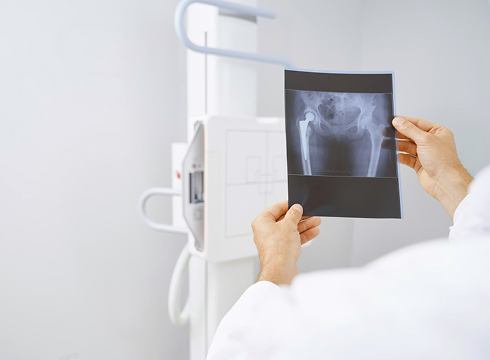
The basis for diagnosis is imaging. A standard pelvic X-ray in a frontal projection can detect most bone integrity disorders.
However, for a detailed examination of complex joint injuries and the detection of hidden fractures, a pelvic CT scan is prescribed, which provides a three-dimensional, layered image. A high-quality pelvic X-ray also helps the doctor assess the condition of the growth plates.
Important questions to ask the doctor
Parents should be actively involved in the treatment process. It is worth asking the attending physician about the type of fracture (stable or unstable), the risk to the growth plates, and the expected duration of bed rest.
"In pediatric traumatology, we always evaluate not only the fracture itself but also any associated injuries. The earlier a child is diagnosed, the more accurate the treatment plan can be and the faster recovery can begin," notes the pediatric traumatologist.
General information
Treatment of pelvic fractures in children
The choice of treatment strategy depends on the examination results. Modern treatment of pelvic fractures in children aims not only to heal the bone but also to fully restore the child's ability to move.
Conservative treatment
For isolated and stable fractures without displacement, conservative methods are preferred. Strict bed rest is the basis. A knee pad is used to relax the muscles. During this period, the primary bone callus forms, and the main goal is to prevent secondary displacement.
When is surgery required?
Surgical intervention becomes inevitable if significant displacement of fragments or instability of the entire pelvic ring is detected. The surgery is performed using minimally invasive techniques. Bones are fixed with special devices:
- Screws
- Plates
- External fixation devices
In such complex cases, pelvic bone fracture treatment requires a long hospital stay.
Pain relief, rest, and immobilization
In the first days after admission to the clinic, the doctor's main goal is to relieve pain and stabilize the child's condition. This is accomplished by selecting a pain relief method, monitoring the child's condition, and monitoring the child's response to treatment.
Rigid immobilization of the pelvic region is not always necessary. More often, the doctor chooses more gentle methods of fixation: skeletal traction or positioning in a special hammock. Properly performed immobilization helps hold the damaged fragments in the desired position and creates conditions for smooth bone healing.
Treatment method comparison table
To clearly illustrate the differences in treatment approaches, we have prepared a comparison of the main methods.
Comparison of pelvic fracture treatment methods in children
| Method | When to use | Characteristics | What's important for parents |
|---|---|---|---|
| Conservative treatment | For stable fractures without significant displacement | Rest, pain relief, limit weight-bearing | Physician monitoring and adherence to the regime required |
| Surgical treatment | For displacement, instability, complications | Fixation of fragments, longer observation | It's important not to delay diagnostics |


If a pelvic fracture is suspected, adults should proceed with caution. Avoid sudden movements. Avoid trying to "test" whether the child can walk. First aid for a pelvic fracture boils down to the following: call an ambulance, leave the child alone, and avoid putting any weight on the injured area.
How to safely transport a child
If a pelvic bone fracture has occurred, the victim should only be moved on a rigid stretcher or support. Place the child on their back, with a bolster of folded clothing or a blanket placed under their knees, slightly bent and spread apart. This position relaxes the muscles and reduces tension on the bone fragments.
What not to do
Never attempt to sit the child up, stand them up, or force them to walk. Do not palpate the pelvis or attempt to correct any visible deformities yourself.
A heating pad should not be applied to the painful area, as intense heat will increase internal bleeding. Also, do not give painkillers until medical personnel arrive, as this may obscure the clinical picture of possible abdominal organ damage.
FAQ
Can a child's pelvic fracture be treated at home?
How long does it take for a pelvic fracture to heal?
When is surgery necessary for a pelvic fracture?
Can a child get up and walk after an injury?



This award is given to clinics with the highest ratings according to user ratings, a large number of requests from this site, and in the absence of critical violations.

This award is given to clinics with the highest ratings according to user ratings. It means that the place is known, loved, and definitely worth visiting.

The ProDoctors portal collected 500 thousand reviews, compiled a rating of doctors based on them and awarded the best. We are proud that our doctors are among those awarded.
Make an appointment at a convenient time on the nearest date
Price
Other Services

Appointment to the doctor





















Our clinics


Application “Personal Account K+31”












What is a pelvic fracture and why does it require a special approach in children?
Damage to the bone structures that form the pelvic girdle is considered a serious injury. A child's body is actively developing, so any pelvic fracture is considered through the lens of further skeletal growth.
What bones make up the pelvic ring?
Anatomically, the pelvis is a complex structure that protects the internal organs and supports the spine. The pelvic ring is made up of several paired elements. The ilium forms the main part, with the pubic bone located anteriorly and the ischium located below. The sacrum completes this structure posteriorly.
In children, these pelvic bones are connected by elastic cartilaginous layers. This elasticity protects the pelvic bones from fracture with minor bruises, but with severe impact, there is a risk of damage to these cartilaginous areas.
Why it's important to seek medical attention immediately
Delayed diagnosis significantly complicates treatment. Any pelvic injury in a child can be accompanied by hidden internal bleeding or damage to the pelvic organs. Delaying a visit to the doctor can lead to initial pelvic pain, which can progress to severe shock.
Timely diagnosis and prompt medical care minimize risks to the life and health of a young patient.