Sternal Fracture in Children: Symptoms, Diagnosis, Treatment, and Recovery

This injury is considered a rare but serious pathology in pediatric practice. However, promptly recognizing a sternal fracture in children can help avoid dangerous consequences for internal organs.

It is important for parents to understand the nature of the injury so they can promptly seek medical attention. Early diagnosis determines the successful outcome of treatment.

Best specialists
Best
specialists
Expert equipment
Expert
equipment
Advanced diagnostic treatment
Advanced diagnostic
treatment
Sign up
Fill out the entry form on the page and we will call you back
Sign up Позвонить
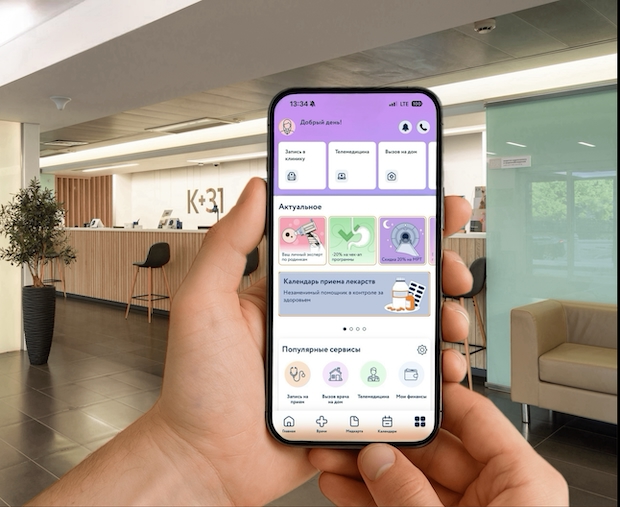
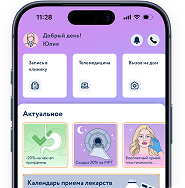
Download the application “Personal Account K+31”
Everything about your health in one click!
Subscribe to social networks K+31
To keep up to date with current offers and receive useful advice about your health.
Causes of trauma in children

Causes of trauma in children

Sternal fractures most often occur in car accidents due to seat belt pressure. Severe chest trauma can also occur during falls from heights or during vigorous sports.

In rare cases, a direct blow to the chest with a blunt object can cause a sternum fracture. Children's bones are more elastic, so significant force is required to damage them.

Symptoms of a sternum fracture

Symptoms of a sternum fracture appear after a blow or fall. The child complains of pain in the center of the chest. They try to move less. They breathe shallowly, as deep inhalations intensify the discomfort. The following may appear in the area of ​​the injury:

  • Swelling
  • Bruise
  • Tenderness to the touch

These symptoms should not be ignored without a doctor's examination.

Chest pain that worsens with breathing or movement

The main symptom is a sharp pain behind the sternum, localized at the site of the impact. It intensifies significantly when attempting to turn, bend, or cough. Sharp pain when inhaling is also characteristic, forcing the patient to limit the depth of breathing. This condition requires maximum restriction of the child's mobility.

Swelling, hematoma, and tenderness

Swelling initially increases in the area of ​​injury. A hematoma may then appear. This indicates bleeding within the soft tissue.

The pain intensifies with pressure, and sometimes a hard unevenness or displacement can be felt under the fingers. If these symptoms occur, it is best to seek medical attention immediately.

Sternum fracture or chest contusion: how to tell the difference

Distinguishing these two conditions without the help of a specialist is extremely difficult. A common chest contusion has similar, but less pronounced, symptoms. Only a doctor can accurately determine the nature of the injury based on objective data. A proper assessment allows for the appropriate course of action.

Main Differences in Symptoms

For clarity, we've prepared a table demonstrating the differences between these injuries. Learn about the key clinical manifestations of both conditions.

Symptom Chest contusion Sternum fracture
Pain Moderate, worsens with pressure Severe, sharp, worsens with breathing, coughing, and movement
Swelling / hematoma Localized swelling, bruising Severe swelling, hematoma, possible deformity
Response to breathing Mild pain with deep inhalation Sharp pain with inhalation, shallow breathing
Need for X-ray/CT scan Usually not required; physical examination is sufficient Mandatory to confirm and rule out displacement

This table helps clearly demonstrate the differences and the need for a professional examination. The final decision always rests with a healthcare professional.

When are X-rays or CT scans needed?

Instrumental imaging is essential in the presence of severe pain and deformity. If a classic sternal fracture is suspected, imaging will help demonstrate the fracture line and displacement of the fragments.

For less severe injuries, such as chest contusion, the doctor may perform only a physical examination. The decision to prescribe imaging procedures is made only by a specialist.

General information

Diagnosing a Sternal Fracture

Diagnosing a sternal fracture is necessary not only to confirm the injury itself. The doctor evaluates the child's complaints, examines the chest, and, if necessary, refers the child for instrumental examinations.

It is important to determine whether there is a fracture, how severe it is, and whether there are any accompanying injuries. Further treatment depends entirely on the accuracy of the diagnosis.

Examination and History Taking

First, the pediatric traumatologist asks the parents detailed questions about the circumstances of the incident. The doctor evaluates the child's breathing patterns, skin color, and measures the pulse. Then, a gentle palpation of the problem area is performed to detect localized tenderness. Based on the examination results, the specialist determines the further examination plan.

Chest X-ray

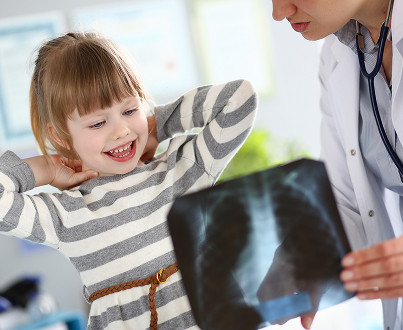
The standard imaging method for visualizing bone structures remains the classic X-ray. A standard chest X-ray is performed in two projections to accurately assess bone condition. Our clinic offers fast, no-wait chest X-rays, speeding up the diagnosis. The examination is performed strictly as indicated, with minimal radiation exposure.

CT and additional tests

In complex cases, a single image may not be enough. In such cases, a chest CT scan is performed. This test reveals even minor injuries to the sternum and helps the doctor assess the tissue around the fracture. If the injury was severe, cardiac function is also assessed using an ECG or ultrasound.

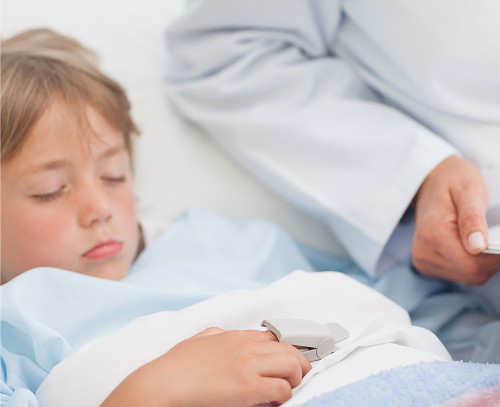
Diagnosing a Sternal Fracture

Treatment of Sternal Fractures in Children

The choice of treatment strategy directly depends on the severity of the injury and the presence of bone fragment displacement. Proper treatment of a sternal fracture in children is aimed at relieving pain and creating conditions for bone healing.

In most clinical situations, conservative treatments without surgical intervention are sufficient. Constant monitoring of the condition helps avoid negative consequences.

Conservative Treatment and Rest

The basis of treatment is strict rest during the first weeks after the injury. Special immobilization of the thoracic spine is also used, if necessary, to prevent displacement.

Standard treatment for a sternal fracture excludes any physical activity until the bone tissue has completely healed. The doctor will provide clear recommendations regarding the daily routine.

Pain Relief and Monitoring

To relieve severe discomfort, appropriate medication is prescribed. Medications are selected individually based on the age and weight of the young patient.

Regular instrumental diagnostics of the sternum fracture over time is necessary to monitor healing. Uncontrolled use of analgesics without a prescription is strictly prohibited.

Physical Activity Restriction

During the entire healing period, strict weight-bearing restrictions are imposed, excluding running and active play. This weight-bearing restriction prevents secondary displacement of bone fragments.

The child is advised to remain in a comfortable position, minimizing torso movement. Following these rules directly impacts the speed of recovery.

When may surgery be required?

Surgery is rarely necessary, mainly in cases of severe displacement of the fragments. In such situations, a sternum fracture in children requires bone fixation with special metal structures.

Surgery is also indicated when there is a direct threat to internal organs. The decision to perform surgery is made by a panel of specialists.

Treatment of Sternal Fractures in Children

First Aid Before Seeing a Doctor

The victim's subsequent condition depends on the correct actions adults take in the first few minutes. Proper first aid helps reduce pain and minimize risks. Below are the basic rules to follow before paramedics arrive. Pay special attention to them.

What is important to do before seeing a doctor:

  • Ensure rest
  • Avoid physical exertion
  • Avoid applying heat to the injured area
  • Monitor breathing and well-being
  • See a doctor immediately

Following the above rules will prevent worsening of the condition. Remember: do not self-diagnose. Do not use traditional remedies.

First Aid Before Seeing a Doctor

Recovery and Rehabilitation

The bone healing process takes time and strict adherence to medical recommendations. A full recovery from an injury involves a gradual return to normal activity under the supervision of a specialist.

Modern rehabilitation is based on a gentle approach to the child's body. Our clinic provides patient support throughout all stages of recovery.

Regimen after a sternal fracture

Recovery from an injury is carried out under the supervision of a doctor, with examinations and follow-up imaging. As prescribed by a specialist, breathing exercises are included to maintain normal lung function without placing undue strain on the chest.

Treatment of a sternal fracture in children is complete only when the doctor confirms healing and allows a gradual return to normal activity.

Recovery and Rehabilitation

Possible Complications

Delayed treatment increases the risk of problems after the injury. The most dangerous complications arise when the heart or lungs are damaged along with the sternum. If a sternum fracture is not identified and treated promptly, long-term pain and chest deformity are possible.

When to seek immediate medical attention

There are critical conditions that cannot be delayed. If a sternum fracture in children is accompanied by shortness of breath, loss of consciousness, or pallor, emergency hospitalization is necessary. A sudden increase in pain is also a reason to call an ambulance. In such situations, every minute counts.
Frequently Asked Questions

What are the signs of a sternal fracture in children?

Most often, these include severe pain behind the sternum, severe pain when inhaling, and pain when coughing and moving. External symptoms of a sternal fracture also include localized bruising in the area of ​​the injury. A doctor will make an accurate diagnosis after an examination.

How is chest trauma treated in children?

Effective treatment of a sternal fracture always requires a comprehensive approach. Typically, treatment for a sternal fracture is conservative: bed rest, medication for pain relief, and limited physical activity. The optimal treatment for a sternal fracture in children is determined individually based on the indications. At our clinic, a qualified pediatric traumatologist is available to provide clear recommendations.

"In my practice, such injuries in children are most often treated conservatively: the main thing is to promptly confirm the diagnosis, rule out dangerous injuries, and ensure a gentle regimen. The sooner a child is examined, the safer the recovery." — Anna Sergeevna Kovaleva, pediatric traumatologist-orthopedist, 12 years of experience.

How long does it take for a child's sternum fracture to heal?

Answer: Recovery time depends on the nature of the injury. On average, an uncomplicated sternum fracture heals completely within a few weeks. Prompt treatment of a sternum fracture speeds up this process, but returning to weight-bearing activities should only be done after a doctor's approval.

When should you seek urgent help?

If your child experiences shortness of breath, severe weakness, cyanosis, or severe chest deformity, emergency medical attention is needed. In such situations, professional first aid before the ambulance arrives can save lives. Properly chosen emergency treatment for a sternum fracture can prevent additional internal injuries.

Our doctors

Polovnikova (Kroshkina) Valeria Alexandrovna
Experience 15 years
Make an appointment
Polovnikova (Kroshkina)
Valeria Alexandrovna
Traumatologist-orthopedist, pediatric
Lopatin Kirill Alexandrovich
Experience 16 years
Make an appointment
Lopatin
Kirill Alexandrovich
Traumatologist-orthopedist, pediatric
All specialists
2GIS Award
2GIS Award

This award is given to clinics with the highest ratings according to user ratings, a large number of requests from this site, and in the absence of critical violations.

«Good place» according to Yandex

This award is given to clinics with the highest ratings according to user ratings. It means that the place is known, loved, and definitely worth visiting.

Our doctors are laureates of the ProDoctors Award

The ProDoctors portal collected 500 thousand reviews, compiled a rating of doctors based on them and awarded the best. We are proud that our doctors are among those awarded.

Make an appointment at a convenient time on the nearest date

Price

Initial appointment with a pediatric traumatologist-orthopedist
from 8 950 ₽
Follow-up appointment with a pediatric traumatologist-orthopedist
from 7 950 ₽

Other Services

Treatment of hip sprain in a child Ankle injury in a child: treatment and recovery Calf muscle strain in children: symptoms and treatment Treatment of sprains in children: symptoms, first aid and recovery Treatment of pectoral muscle strain in children Treatment of muscle strains in children Hip sprain in children: symptoms and treatment Sprained Foot in Children: Treatment, Symptoms, First Aid, and Recovery Treatment of Achilles tendon strain in children First aid for bleeding in children: how to act quickly and safely Neck Strain in Children: Symptoms, Treatment, and Recovery Subungual hematoma in children: symptoms, first aid, and treatment in Moscow Wrist sprain in a child: symptoms, treatment, and recovery Subcutaneous hematoma in a child: symptoms, treatment, and first aid Treatment of the consequences of trauma in children Orthopedic rehabilitation for children in Moscow: recovery from injuries, surgeries, and musculoskeletal disorders Reduction of subluxations and dislocations in children Plaster cast application for a child: procedure, types of casts, and care Treatment for a child's shoulder sprain Soft tissue hematoma in a child: symptoms, first aid, and treatment Application of an immobilization bandage to children Swelling after a bruise in a child: treatment and first aid Hip contusion in a child: symptoms, first aid, and treatment Head injury in children: treatment, symptoms, and first aid Chest contusion in a child: symptoms, first aid, and treatment A child's post-injury hematoma: how to treat it, when to see a doctor, and what to do in the first few hours Hematoma on a child's arm: causes, symptoms, and treatment Treatment of a child's hand contusion: symptoms, first aid, and recovery Hematoma on a child's finger: first aid, treatment, and when to see a doctor Knee contusion in a child: treatment, symptoms, and first aid Bruised tailbone in a child: symptoms, first aid, and treatment in Moscow Elbow bruise in a child: symptoms, first aid and treatment Bruised leg in a child: symptoms, first aid and treatment Hematoma on a child's leg: causes, symptoms, first aid, and treatment Hematoma on a child's face: causes, first aid, and treatment in Moscow Treatment of groin strain in children Bruised nail in a child: treatment, first aid, symptoms, and recovery Hematoma on the head of a child: treatment and symptoms Eye hematoma in a child: treatment, first aid, and when to see a doctor Bruised ribs in children: treatment, symptoms, and first aid Back strain in children: symptoms, treatment, and recovery Soft tissue contusion in a child: symptoms, first aid, and treatment Treatment of a joint contusion in a child in Moscow: symptoms, first aid, diagnosis, and recovery Bruised nose in a child: treatment, first aid, and when to see a doctor Bruised Foot in a Child: Symptoms, First Aid, and Treatment in Moscow Bruised finger in a child: treatment, first aid, and when to see a doctor Back injury in a child: symptoms, first aid, and treatment in Moscow Bruised arm in a child: symptoms, first aid, and treatment Shoulder contusion in a child: symptoms, first aid and treatment Bruised ribs in children: symptoms, treatment, and first aid Treatment of fractures in children in Moscow Treatment of a jaw fracture in a child Compression fracture of the thoracic spine in children: treatment, diagnosis and recovery Humeral neck fracture in children: treatment, symptoms, and recovery Coccyx fracture in children: symptoms, treatment, and recovery Treatment of a broken nose in a child Patella fracture: treatment in children Sacral fracture in children: symptoms, diagnosis and treatment Treatment of metatarsal fractures in children Zygomatic bone fracture in a child: symptoms, diagnosis, treatment and recovery Conservative treatment of fractures in children: how is treatment performed without surgery? Functional method of treating fractures in children 24-hour trauma care for children: when urgent help is needed Clavicle fracture in a child Fracture of the tibial condyles in children Emergency traumatology for children: urgent care for injuries Pubic bone fracture in a child Sciatic bone fracture: treatment in children Olecranon fracture in children: treatment, symptoms, recovery Treatment of humeral fracture in children Treatment of tibia fracture in children Foot fracture in a child Cervical vertebrae fractures in children
Make an appointment

Appointment to the doctor
Fill out the form, our managers will contact you within 15 minutes
Почему К+31?
К + 31 — full-cycle multidisciplinary medical centers, including the possibility of providing medical services of European quality level.
К + 31 — are leading doctors and diagnostics using high-tech equipment from world manufacturers (Karl Storz, Olympus, Siemens, Toshiba, Bausch&Lomb, Technolas, Zeiss, Topcon).
К + 31 — is ethical. The staff of K+31 clinics maintain open relationships with patients and partners. An individual approach to each patient is the basis of our service standards.
К + 31 — is modernity. On call 24/7: call center operators will answer your questions at any time and book you an appointment with doctors. Contact us by phone, through the feedback form on the website and Max.

Our clinics

Address K+31 on Lobachevskogo

st. Lobachevskogo, 42/4

Contacts

+7 499 999-31-31

Opening hours

Mon-Fri: 08:00 – 21:00
Weekend: 09:00 – 19:00
Didn't find the service you were looking for?

Экстренная помощь