
Hip fracture in children: treatment, symptoms, and recovery
A hip fracture in a child is a serious injury that requires immediate medical attention. The femur is the largest bone in the human body, so significant force is required to damage it. Timely and proper treatment of a hip fracture in children determines how quickly the limb will recover and whether future complications can be avoided.

specialists

equipment

treatment






Causes and types of femur fractures
Trauma classification helps doctors choose the optimal treatment strategy. In pediatric practice, several key parameters for injury assessment are identified.
Displaced and Non-Displaced Fractures
With a non-displaced fracture, the bone fragments remain in the anatomically correct position. This significantly simplifies the healing process. A displaced hip fracture is more common and is characterized by muscle tone "pulling" the bone fragments apart. In this case, the doctor must perform a reduction—aligning the bone fragments to ensure proper healing.
Closed and Open Fractures
With a closed fracture, the skin is not damaged. This injury is characterized by a lower degree of infection, but this does not eliminate the risk of internal bleeding.
An open fracture is accompanied by a wound through which the bone can come into contact with the external environment. Such cases require emergency surgical debridement and antibiotic therapy.
Fractures of the femoral neck, shaft, and trochanteric region
A femoral neck fracture is a rare but dangerous injury for children, as this area has poor blood supply. This can lead to aseptic necrosis of the femoral head.
A shaft fracture is an injury to the middle portion of the bone. This is the most common fracture site from falls and impacts.
There are also injuries to the upper portion of the bone. This is a fracture of the trochanteric region. In this case, the child requires long-term immobilization.
How to Recognize a Fracture: Main Symptoms
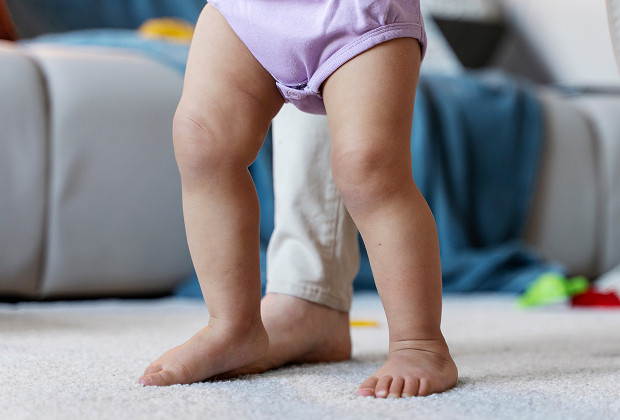
The symptoms of a hip fracture are usually clearly visible, but children often cannot clearly describe their sensations, so parents should also pay attention to visual signs.
Pain, Swelling, Deformity, and Shortening of the Leg
The first sign is sharp, excruciating pain in the hip, which intensifies with any attempt to change body position. Severe soft tissue swelling rapidly increases, and a large hematoma may develop. Visually, the leg may appear deformed—twisted outward or at an unnatural angle. Shortening of the limb is often observed due to the thigh muscles contracting and pulling the fragments toward each other (overlapping of the fragments).

Inability to support weight and limited movement
The child cannot stand on the leg, move it, or lift it while lying down (sticky heel symptom). All of these actions cause severe pain.
When to seek urgent help
There are critical signs that require immediate hospitalization:
- Severe, persistent pain in the hip or leg
- Visible deformity or shortening of the limb
- Paleness, coldness of the foot, or loss of sensation in the toes
- Presence of an open wound with bleeding
- General weakness, dizziness, confusion (signs of shock)
First aid for a child before a doctor's examination
First of all, parents should calm the child, seat them on a firm surface, and examine the leg. The main goal is to ensure peace and not cause harm.
How to properly immobilize a limb
The leg must be immobilized in its current position. Do not attempt to straighten the leg. For immobilization, you can use Kramer splints or other improvised means (boards, thick cardboard), which are bandaged to the leg, covering two, or better yet, three joints (ankle, knee, and hip). If there are no available means, you can bandage the injured leg to the healthy one, placing a soft cloth between them.
What not to do if you suspect a fracture
- Attempt to reset the bone yourself
- Give the child food or plenty of water (emergency anesthesia may be required)
- Massage or rub the injured area
- Sit the child or have them lean on their leg
General information
Diagnosing a Hip Fracture
Upon arrival at the hospital, the child is examined by a pediatric traumatologist-orthopedist. The doctor evaluates peripheral vascular pulses, sensitivity, and general condition.
Traumatologist Examination and X-rays
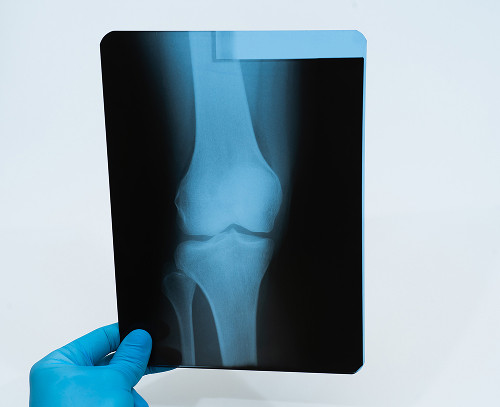
X-rays are used to establish a diagnosis. Images are taken in at least two projections, including adjacent joints. This is one of the most reliable methods for determining the location of the injury, displacement, and number of fragments.
When additional tests are prescribed
For intra-articular fractures or suspected vascular damage, the doctor orders a CT or MRI. This is the only way to assess the bone structure and soft tissue condition.



Frequently Asked Questions
How is a child's hip fracture treated?
How long does it take for the bone to heal?
Is surgery necessary?
What should be done before the ambulance arrives?
Immobilize the leg as much as possible, do not attempt to reset it yourself, do not allow the child to put weight on the limb, and seek emergency care as soon as possible. For a closed injury, cold applied through a cloth is acceptable, as long as it does not increase pain.
A femur fracture in a child is a serious, life-changing injury. Follow your doctor's instructions and get back to sports quickly.



This award is given to clinics with the highest ratings according to user ratings, a large number of requests from this site, and in the absence of critical violations.

This award is given to clinics with the highest ratings according to user ratings. It means that the place is known, loved, and definitely worth visiting.

The ProDoctors portal collected 500 thousand reviews, compiled a rating of doctors based on them and awarded the best. We are proud that our doctors are among those awarded.
Make an appointment at a convenient time on the nearest date
Price
Other Services

Appointment to the doctor















Our clinics


Application “Personal Account K+31”












What is a hip fracture in children?
A femur fracture is a disruption of the integrity of the bone tissue anywhere from the hip to the knee joint. In children, such injuries are less common than injuries to the forearm or shin, but they are always considered critical due to the risk of significant blood loss and pain shock.
How does a fracture in children differ from an adult's?
A child's bones are more elastic and surrounded by a thick, well-vascularized periosteum. Because of this, when struck, they don't break completely, but rather crack like a young tree branch: fractured internally, but the periosteum remains intact.
However, children also have growth plates called metaepiphyseal plates. If a fracture line passes through this zone, it can lead to slow or deviated leg growth in the future. This is why a child's hip fracture requires monitoring not only during the acute period but also for several years after recovery.
Why an injury requires urgent examination
Any suspicion of hip injury is a reason to call an ambulance. Major blood vessels and nerves pass through the hip. Displaced bone fragments can damage the femoral artery or nerve, leading to irreversible consequences. Furthermore, a high-quality diagnosis is only possible in a hospital setting with modern equipment and a qualified pediatric traumatologist.