
Cervical Vertebrae Fractures in Children: Symptoms, First Aid, and Treatment
Spinal injuries are dangerous at any age, but especially in children. In such situations, parents need to act quickly: don't wait until morning; seek immediate help.
Injuries to the upper axial skeleton are especially dangerous. Timely and proper treatment of cervical vertebrae fractures in children determines not only the speed of recovery but also the child's quality of life.

specialists

equipment

treatment






Causes and mechanisms of injury

The most common cause of injury is sudden acceleration or deceleration. A child can also sustain this injury from a fall or impact.
Parents need to know how the injury occurred, as this determines the treatment strategy and rehabilitation period.
Falls and household injuries
The most common cause is a fall from a height (from a sofa, changing table, wall bars, or a tree). In early childhood, birth trauma is also possible, resulting from abnormal labor, which requires special monitoring by neonatologists.
Sports and road injuries
Active sports (gymnastics, wrestling, trampoline jumping) carry the risk of falling on the head or sudden neck twists. Road accidents also account for a significant share of the statistics: even when using a car seat, a sudden jerk of the head during a collision can cause a cervical spine fracture.
Injuries from sudden flexion and extension of the neck
This occurs when the head suddenly moves forward and backward. This is typical in shallow water diving (diver's injury), when the head hits the bottom and the torso continues to move due to inertia, literally crushing the cervical vertebrae.
Symptoms that require urgent medical attention

Symptoms of a cervical fracture should not be ignored. If your child complains of neck pain after a fall, consult a traumatologist for a diagnosis.
Neck Pain and Limited Movement
The main symptom is acute neck pain in a child, which intensifies with any attempt to turn or tilt the head. Due to discomfort, the child may support their head with their hands. The child may also experience limited movement: in some situations, the child cannot turn their head due to pain, while in others, it may be due to a locked joint.
Muscle Spasms, Headache, and Complaints of Weakness
The body tries to protect the injured area, which causes severe muscle spasms. The neck becomes "stiff" to the touch. Severe headache, dizziness, nausea, and general weakness often accompany the symptoms, which may indicate a disruption in blood flow or an accompanying concussion.

Neurological Signs and Danger Symptoms in a Child
The most serious signs are neurological symptoms. These include:
- Tingling or numbness in the fingers and toes
- A crawling sensation
- Inability to move limbs
- Difficulty breathing
- Urinary incontinence
The presence of these signs confirms a neurological deficit requiring immediate resuscitation.
First aid before seeing a doctor
Proper first aid for a neck injury is critical. Mistakes at this stage can lead to permanent disability.
How to immobilize the neck
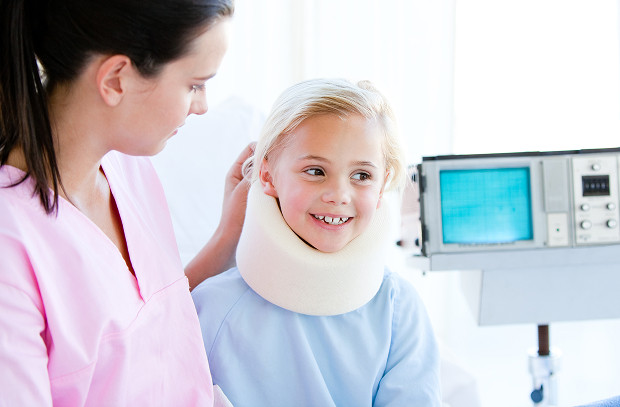
The main rule is neck immobilization. If the child is conscious, they should be restrained from moving. If possible, an improvised or special cervical collar (Schanz collar) should be applied to prevent lateral bending. If a collar is not available, the head should be immobilized with clothing rolls on both sides.
What not to do if you suspect a fracture
- Carry the child by the arms or legs
- Adjust the neck yourself or consult a chiropractor
- Massage the neck and apply heat to it
- Feed and water the child until consulting a traumatologist or neurosurgeon (surgery may be required, and it should be done on an empty stomach)
When is urgent emergency care needed?
Call an ambulance if you suspect a spinal injury. If you are in Moscow or any other large city, contact a pediatric trauma center. These medical facilities are open 24 hours a day.
Before consulting a doctor:
- Place the child in a cool room and ask them to remain still.
- Call an ambulance. Do not attempt to take the child to the hospital yourself; you may only make the situation worse.
- Monitor their pulse and breathing until the ambulance arrives.
- Stay close to your child and do not leave them alone for even a minute.
General information
Diagnosis of Cervical Vertebral Fractures
In a hospital, the diagnosis is performed by an orthopedic traumatologist. It is important to differentiate a fracture from a severe contusion or sprain.
Examination and Neurological Assessment
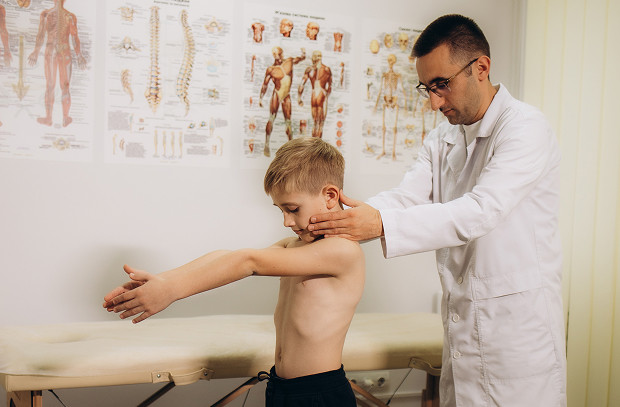
The doctor checks skin sensitivity, muscle strength in the arms and legs, and reflexes. This allows for a preliminary assessment of the spinal cord condition and the level of damage.
X-rays, CT scans, and MRIs: what and when they are prescribed
To understand what exactly happened to the child, the doctor may prescribe:
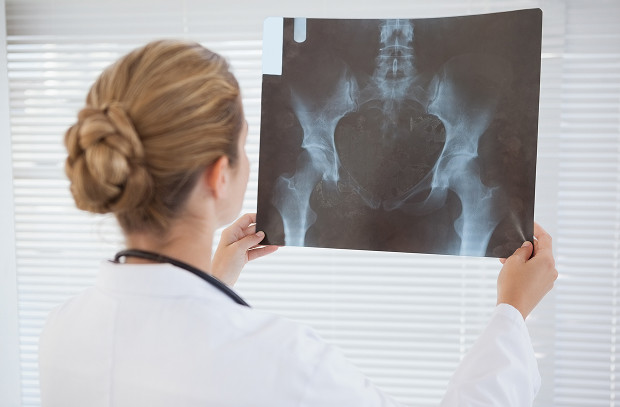
- X-ray of the neck: performed in several projections, allows for the detection of gross violations of the integrity of the bones
- CT scan of the cervical spine (computed tomography): a 3D image better shows bone structures, tiny cracks, and bone fragments
- MRI of the cervical spine (magnetic resonance imaging): necessary to assess the condition of the spinal cord, intervertebral discs, ligaments, and to detect tissue edema
What signs require further examination
If post-traumatic instability (excessive mobility of the vertebrae) persists after the initial diagnosis, the doctor may prescribe functional tests or repeat examinations a few days after the collapse edema.

Preventing an injury is easier than dealing with long-term treatment for a child's neck fracture.
Safety at Home and Sports
Wear a helmet when riding a bicycle or scooter. At home, secure heavy furniture and lay down luggage or mats in the play area. Car seats should be appropriate for the child's age and height. They should have side protection that securely holds the head in place in a crash.
What Parents Should Pay Attention to
It's important to explain to children water safety rules (avoid diving in unfamiliar areas) and while jumping on a trampoline. If a child participates in contact sports, it's a good idea to have regular checkups with an orthopedist.
"Don't base your diagnosis on advice found online and don't try to reset your neck yourself." "The sooner displacement and damage to nerve structures are eliminated, the safer the treatment strategy," notes a leading traumatologist and orthopedist.
Frequently Asked Questions
How can I tell if my child may have a cervical fracture?
What should I do before the doctor arrives?
How are cervical fractures treated in children?
How long does it take to recover from an injury?
It all depends on the severity of the injury, the age of the child, and any complications. Recovery from a fracture can take from several months to a year.
This article is for informational purposes only. Any neck injury should promptly seek medical attention.



This award is given to clinics with the highest ratings according to user ratings, a large number of requests from this site, and in the absence of critical violations.

This award is given to clinics with the highest ratings according to user ratings. It means that the place is known, loved, and definitely worth visiting.

The ProDoctors portal collected 500 thousand reviews, compiled a rating of doctors based on them and awarded the best. We are proud that our doctors are among those awarded.
Make an appointment at a convenient time on the nearest date
Price
Other Services

Appointment to the doctor





















Our clinics


Application “Personal Account K+31”












What is a cervical vertebral fracture and why is it dangerous?
A cervical spine fracture is a disruption of one or more of the seven vertebrae (C1 to C7). The danger lies in the fact that the spinal cord, responsible for transmitting impulses from the brain to the body, passes through the spinal canal. Even a slight displacement of the vertebrae can lead to compression of the nerve structures, which can lead to partial or complete paralysis, respiratory impairment, and impaired functioning of internal organs.
Characteristics of trauma in children
Children's anatomy differs significantly from that of adults. In children, ligaments are more elastic and bones are less mineralized, so the spine reacts differently to impacts or sudden movements. Under mechanical stress, the vertebrae can shift more than in adults and then partially return to their original position. Because of this, early images do not always show significant destruction of the bone structure, although soft tissues, ligaments, muscles, or nerve elements may already have been damaged.
Also, remember that a child's head is heavier than the body, and the neck muscles are not yet strong enough to fully support it during a fall, collision, or sudden reversal. When falling on their back, the head is thrown back sharply, the neck muscles are unable to support it, and the vertebrae are damaged.
Why the cervical spine requires special attention
The cervical spine is both the most mobile and the most vulnerable. It contains vital arteries that supply the brain and the control centers for autonomic functions. Any injury to the cervical spine is automatically considered life-threatening until an examination proves otherwise.
Compression fractures, in which the vertebral body is compressed under pressure, are common in pediatric traumatology.