
Treatment of a Broken Little Finger in Children: Symptoms and Recovery
A child's little finger is easily injured by a fall, a blow, or vigorous play. Sometimes the finger simply hurts, but within a few hours, swelling and bruising develop, making movement difficult. In this situation, it's important not to wait for the problem to resolve on its own. Treatment for a broken little finger in children should begin after an examination to reduce the risk of hand or foot deformity.

specialists

equipment

treatment






What's the difference between a broken little finger and a broken toe?

The mechanism of injury often depends on its location. The diagnostic approach also has its own nuances depending on the specific limb affected. In any situation, a broken little finger in children is a cause for concern and requires medical attention.
Little Finger Injury
A broken little finger typically occurs after a strong impact with a ball. This can occur due to a sudden fall on the hand or accidentally getting caught in a door. In such cases, the small phalanx is damaged, causing immediate pain. Maintaining fine motor skills and mobility of all small joints is especially important for the hand.
Little Finger Injury
A broken little finger occurs when the child hits furniture hard or a heavy object falls on the foot. The child begins to limp and complains of severe discomfort in shoes. A fracture of the little toe like this in children requires professional evaluation to rule out damage to adjacent structures of the foot.
Symptoms of a broken little finger in a child
Parents may find it difficult to immediately visually assess the severity of the condition. However, there are characteristic signs that indicate serious damage to the bone structures. Carefully study the main symptoms of a broken little finger to sound the alarm in time.
Pain, Swelling, and Hematoma
After an injury, pain appears immediately and may persist even at rest. Swelling at the site of the impact quickly increases, and the finger becomes noticeably larger. After some time, a hematoma appears, and the skin darkens or takes on a bluish tint.
Deformation and limited mobility
Sometimes the injured area assumes an unnatural position or appears visually shortened. Severe pain is observed during movement, causing the child to try to hold their hand or foot still. Complete limitation of movement is a clear signal for immediate medical attention.
How to distinguish a fracture from a bruise and dislocation
A common bruise of the little finger hurts significantly less, and the swelling subsides within a couple of days without specific treatment. If the little finger is dislocated, the joint is displaced, and a characteristic springy resistance occurs when attempting to bend the finger. Only a pediatric traumatologist can accurately determine the nature of the problem after an in-person examination.
For clarity, we have prepared a table to help you navigate the symptoms. It describes the differences between various traumatic conditions.
| Condition | Main symptoms | What is usually done | When to see a doctor immediately |
|---|---|---|---|
| Bruise | Pain, slight swelling, normal range of motion | Rest, cold, elevated position | If the pain does not go away after 2-3 days |
| Dislocation | Joint displacement, spring resistance, deformity | Reposition, fixation | If there is any suspicion of dislocation |
| Fracture | Severe pain, swelling, hematoma, crunching, deformity, inability to move | Immobilization, X-ray, reduction | Immediately, especially with displacement or open injury |
This table is for informational purposes only. Remember that the final diagnosis is always made by a specialist.

Before getting to the medical center, it's important to avoid causing harm to the injured person. Proper first aid will alleviate the condition and prevent possible complications.
What can be done immediately after an injury
Relax the limb completely in a comfortable position. If a hand injury occurs, remove any rings before significant swelling occurs. Apply cold with a thick cloth for 10-15 minutes; if necessary, administer pain medication approved by your pediatrician. If there is a wound and it is an open fracture, carefully apply a sterile bandage.
General information
Diagnosing a Little Finger Fracture
Determining a little finger fracture in a child solely visually isn't always possible. At the clinic, the patient will undergo a safe and painless examination using modern equipment.
Examination by a Pediatric Traumatologist
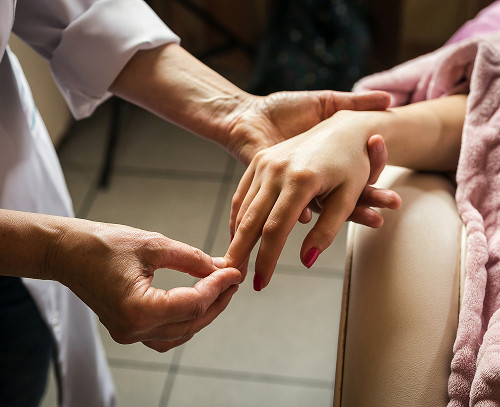
First, the pediatric traumatologist examines the finger and very carefully palpates it. The doctor asks the parents how the injury occurred and assesses pain, swelling, and sensitivity of the finger phalanx. This examination helps determine the severity of the injury.
X-rays and displacement monitoring
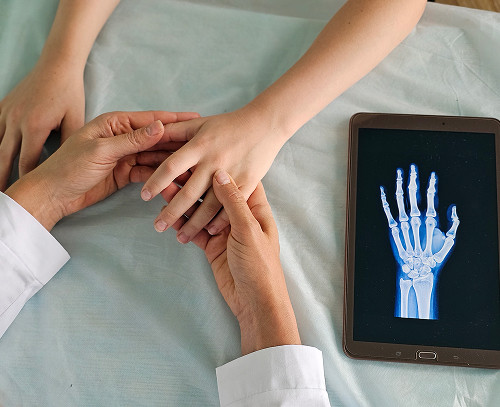
X-rays remain the gold standard for diagnosis in such situations. The doctor orders X-rays to visualize the integrity of the bone in at least two projections. This method allows for the accurate detection of a closed fracture and assessment of any displacement of bone fragments.
When additional tests are needed
Sometimes a standard finger X-ray doesn't provide a comprehensive picture, especially if the joint is severely damaged. In technically complex cases, a CT scan or ultrasound may be necessary. This allows for a detailed examination of the ligamentous apparatus.
When urgent help is needed
Dangerous signs from the body require immediate parental attention. If you notice these symptoms, seek immediate medical attention.
Signs that require urgent medical attention:
- Severe pain not relieved by standard medications
- Noticeable swelling and obvious abnormal finger deformity
- Complete inability to bend or straighten the little finger
- Numbness, sudden paleness, or bluish discoloration of the tissues
- An open wound with active bleeding
How to prevent complications
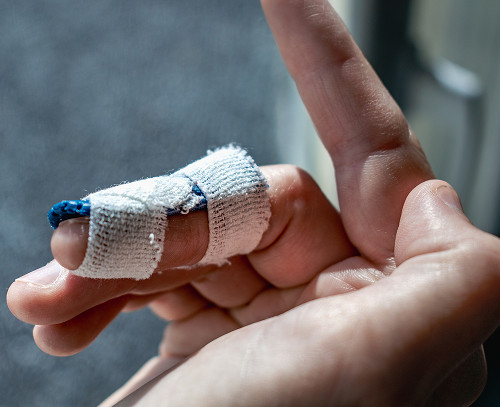
To avoid problems, strictly follow all official doctor's instructions. Keep the bandage dry and clean, and never remove it before the prescribed time. Remember that the treatment for a broken little finger in a child is determined solely by a doctor based on objective diagnostic data.
Frequently Asked Questions
We've compiled clear answers to the most frequently asked questions from parents about finger injuries. This information will help you feel much more confident.
Does a child need a cast for a broken little finger?
How long does it take for such a fracture to heal?
How can I tell if it's a bruise?
When should I urgently seek medical attention?



This award is given to clinics with the highest ratings according to user ratings, a large number of requests from this site, and in the absence of critical violations.

This award is given to clinics with the highest ratings according to user ratings. It means that the place is known, loved, and definitely worth visiting.

The ProDoctors portal collected 500 thousand reviews, compiled a rating of doctors based on them and awarded the best. We are proud that our doctors are among those awarded.
Make an appointment at a convenient time on the nearest date
Price
Other Services

Appointment to the doctor





















Our clinics


Application “Personal Account K+31”












What is a broken little finger and why does it require special attention in children?
Bone damage in children and adolescents occurs differently than in adults. Any spontaneous fracture of the little finger requires careful examination and proper diagnosis. This is due to the anatomical nuances of the developing skeleton.
Characteristics of children's bones and growth plates
Children's bones are more flexible, but they have very vulnerable areas. At the ends of the tubular bones is the growth plate, which is responsible for the normal lengthening of the finger during maturation.
If an injury affects this area, there is a risk of tissue developmental disorders. This is why pediatric traumatology pays special attention to the accurate diagnosis of such injuries.
The dangers of malunion
Without treatment, the bone may heal at an abnormal angle. This later interferes with the normal function of the hand or foot and causes discomfort when bearing weight. Proper bone healing is essential for a finger's full recovery. Therefore, it's best to begin treatment for a broken little finger promptly, after a doctor's examination.