
Conservative treatment of fractures in children: how is treatment performed without surgery?
Musculoskeletal injuries are common in childhood due to their high activity levels and the unique anatomy of their bones. In pediatric traumatology, maintaining tissue integrity remains a priority. Treating fractures in children requires a special approach, as the skeleton is constantly growing and has unique regenerative abilities.

specialists

equipment

treatment





When is the treatment of fractures in children conservative?
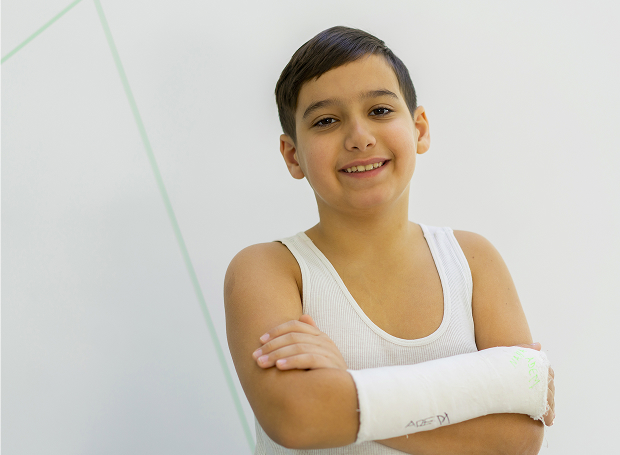
The choice of treatment depends on the location of the injury and the nature of the damage. A pediatric traumatologist-orthopedist at K+31 makes a decision based on the clinical presentation.
Non-displaced fracture
If the bone fragments have maintained their anatomical position, surgery is not necessary. In this case, fractures in children are simply immobilized to prevent secondary trauma and ensure rest.
Displaced fracture after closed reduction
A displaced fracture can also be treated conservatively if the doctor is able to manually return the fragments to their original position. This process is called closed reduction. After the procedure, X-rays are mandatory to ensure the bone is in the correct position.
Injuries near the growth plate
Children have cartilaginous plates at the ends of their long bones. The growth plate is an extremely sensitive area. If the injury affects this area, a conservative approach is often more gentle.
When this approach is not appropriate
There are situations when surgery is unavoidable. These include open fractures in children, failure to maintain the fragments in the correct position, or injuries to the articular surfaces with significant gaps.

How treatment is performed step by step
The process is designed to relieve pain and initiate the regeneration process as quickly as possible.
Stages of fracture treatment in a child:
- Initial examination and assessment of injury severity
- X-ray diagnostics
- Closed reduction (if necessary)
- Immobilization of the injured limb
- Dynamic observation
- Post-fracture rehabilitation and exercise therapy
Examination by a traumatologist-orthopedist
During the first stage, a pediatric traumatologist-orthopedist assesses swelling, the presence of limb deformity, sensitivity, and blood supply in the area of the injury.
X-ray diagnostics and fracture assessment
The gold standard for diagnostics is an X-ray in two projections. Based on this data, a general strategy for treating fractures in children is developed.
Closed reduction if necessary
If there is displacement, the doctor realigns the fragments. This is a critical step that requires high skill to minimize patient discomfort.
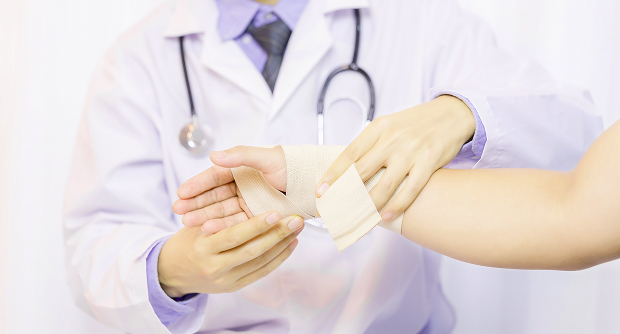
Immobilization: cast, splint, orthosis
Once the bones are correctly aligned, immobilization is necessary. It limits the movement of the fragments, which is essential for the bone healing process to begin.
Follow-up examinations and imaging
Fractures in children are insidious due to the possibility of secondary displacement after the initial swelling has subsided. Therefore, follow-up X-rays are usually scheduled 5-7 days after the injury.
Cast, splint, or orthosis: what does the doctor choose?
The choice of fixation depends on the stage of healing. Below are the main differences between the methods.
| Fixation method | When Used | Advantages and limitations |
|---|---|---|
| Plaster cast | Stable fractures in children, long-term fixation | Reliable fixation, but heavy and impermeable to air |
| Splint | First days with swelling, incomplete fractures | Allows for swelling, easy to remove, but less rigid |
| Orthosis | Removable fixation, rehabilitation, minor injuries | Comfortable, breathable, but more expensive and not suitable for complex dislocations |
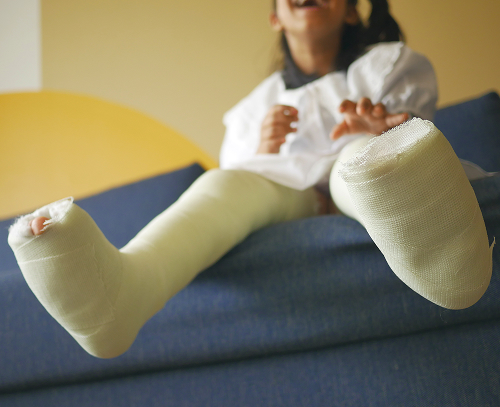
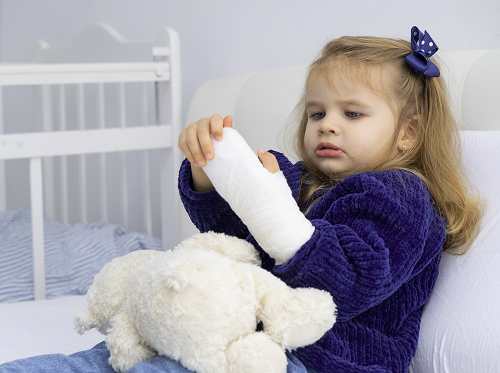
When a plaster cast is used
A plaster cast is the most rigid fixation option. It reliably holds the fractured bone fragments, but is more difficult to care for.
When a splint is more convenient
A splint does not completely cover the limb. It's indispensable during the first few days, when swelling increases. If the bandage becomes tight, it can be loosened slightly.
When is a brace prescribed?
A brace is most often used during the follow-up phase. This modern method allows the skin to "breathe" and significantly simplifies hygiene.
Peculiarities of fracture treatment in children
Children's bones heal quickly. However, if a dislocation occurs, it will also quickly become improperly fixed. Therefore, skipping follow-up appointments is unacceptable.
Considering the child's age, location, and activity
When choosing an immobilization method, the doctor considers the patient's activity level to ensure the immobilization can withstand everyday stress.
Why is it important to protect the growth plate
Damage to the growth plate can lead to future limb deformity. Treatment is aimed at ensuring bone healing without placing pressure on these areas.
How to reduce stress and discomfort in a child
The use of lightweight materials and adequate pain relief, if pain occurs, help the child more easily endure the period of limited mobility.
"It's important not only to fix a child's fracture, but also to promptly notice the displacement and condition of the growth plate," says the orthopedic traumatologist.
General information
Recovery and rehabilitation
The initial callus forms within 2-4 weeks. Complete bone healing takes longer, but the fixation is removed once fusion is confirmed.
When can I return to physical activity?
Removing a cast does not mean an immediate return to sports. The load should be increased gradually. At first, the limb will feel weak.
Physical therapy, exercises, and a gradual return to sports
Long-term immobilization causes the bones to lock. Therefore, after removing a cast or splint, it is necessary to exercise the joint with physical therapy. These exercises restore range of motion.
What helps recovery?
In addition to physical therapy, your doctor may prescribe physical therapy and a balanced diet. This speeds up metabolism and helps tissues strengthen faster.

Contact a pediatric trauma center immediately if you notice:
- Increased pain and swelling
- Numbness, coldness, or blueness of the fingers
- Displacement or breakage of the fixation
FAQ
Is it possible to treat a child's fracture without surgery?
How long should a child wear a cast for a fracture?
How do you know if the bandage is pressing?
When can I return to sports?
Conservative fracture treatment is an option to restore bone without surgery. If you consult a traumatologist promptly and undergo rehabilitation after a fracture, your child can quickly return to an active life.



This award is given to clinics with the highest ratings according to user ratings, a large number of requests from this site, and in the absence of critical violations.

This award is given to clinics with the highest ratings according to user ratings. It means that the place is known, loved, and definitely worth visiting.

The ProDoctors portal collected 500 thousand reviews, compiled a rating of doctors based on them and awarded the best. We are proud that our doctors are among those awarded.
Make an appointment at a convenient time on the nearest date
Price
Other Services

Appointment to the doctor
Our clinics


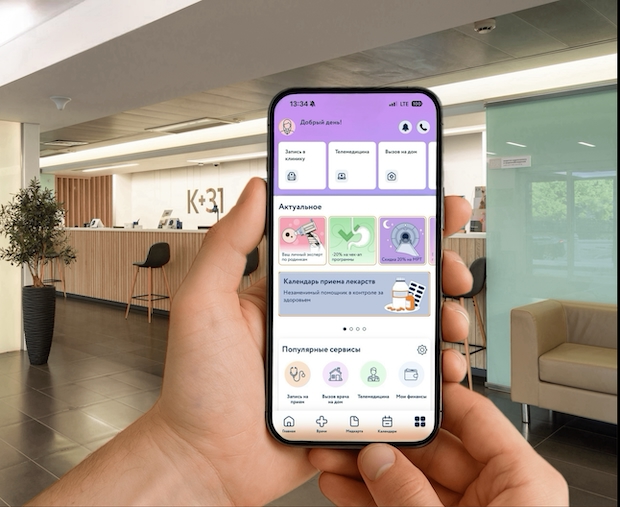
Application “Personal Account K+31”










What is conservative treatment of fractures?
Conservative fracture treatment is the correction of the problem (injury) without surgery. The main goal is to create conditions for natural bone healing. Fractures in children can be treated without surgery thanks to the high elasticity of the periosteum, which holds the fragments together.
How does a conservative approach differ from a surgical one?
Unlike surgery, which uses metal fixators, this method involves external intervention. This avoids the risks of anesthesia and infection. However, this approach requires strict adherence from parents and regular X-ray monitoring from the doctor.