
Treatment after a fracture in children: how recovery and rehabilitation proceed
Treatment after a fracture in a child begins not with attempts to quickly relieve pain, but with an examination and accurate diagnosis. The doctor assesses the site of the injury, the position of the bone fragments, the condition of the soft tissues, sensitivity, and blood circulation. After this, it becomes clear what kind of fixation the child needs and what regimen will help the bone heal without unnecessary risk.
Fractures in children often heal faster than in adults. However, feeling well in the first days or weeks does not equate to a full recovery. Until the doctor has cleared weight-bearing activities, it is best to postpone running, jumping, active games, and sports.

specialists

equipment

treatment



What is important to know
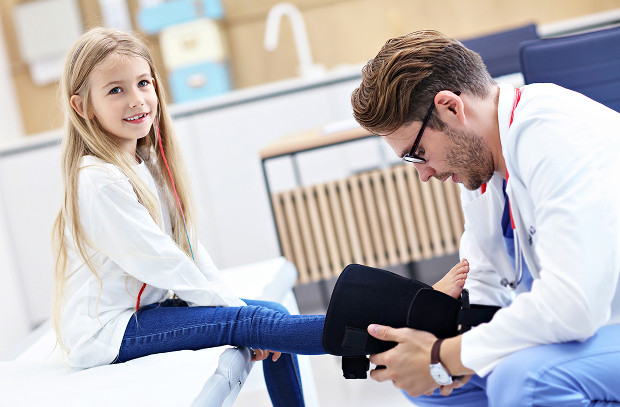
At a young age, bones grow actively, have a better blood supply, and respond more quickly to injury. Therefore, many fractures in children heal faster than similar injuries in adults. However, rapid recovery does not mean that treatment can be carried out without monitoring.
It is important for the doctor to monitor the position of the bone fragments, pain, swelling, and movement near the injury site. During this period, parents should not rely solely on the child's well-being: they may appear fine, but the bone is still healing.
Why do bones heal faster in children?
Children have more active metabolism, so bone healing often occurs more quickly. A bone callus—new tissue that connects the bone fragments—forms in the area of injury. However, the decision regarding load-bearing is made by the traumatologist, not the young patient's well-being.
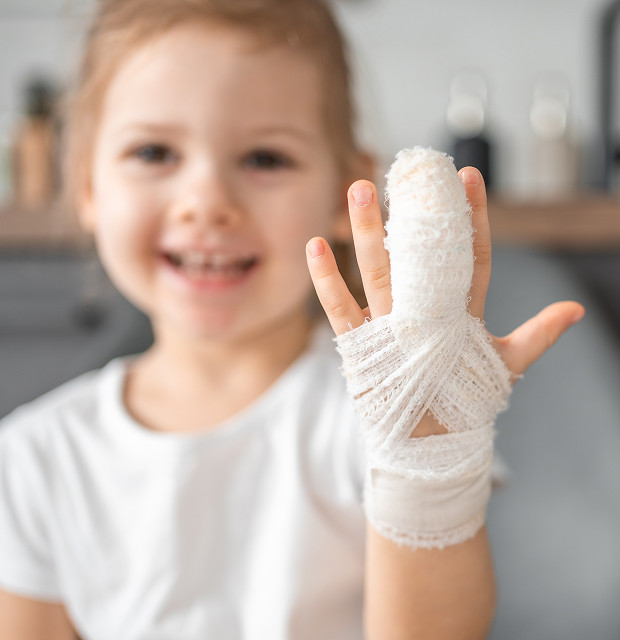
What determines recovery time?
Recovery time depends on age, fracture location, presence of displacement, soft tissue condition, and how closely the doctor's recommendations are followed. Therefore, treatment of a child's fracture cannot be judged by the experience of others or by the stories of friends.
A non-displaced fracture, a fracture near a joint, and an injury with swelling require different approaches. In some cases, immobilization and observation are sufficient, while in others, more frequent monitoring and careful rehabilitation are necessary.
Why rehabilitation is necessary even with rapid healing?
After immobilization, muscles function less, and joints do not move fully. The child learns to spare the arm or leg, places less weight on the injured area, and is often afraid of unnecessary movement.
Therefore, rehabilitation after a fracture is needed not as a "safety net," but for the normal return of function. Rehabilitation after a fracture in children helps gradually restore:
- Strength
- Mobility
- Coordination
- Confidence in movement
General information
Recovery Period
Rehabilitation after a fracture restores movement, strength, and normal function of the limb. The doctor assesses the progress of bone healing, determines whether there is pain, and determines the child's readiness for physical activity.
Physical Therapy
Physical therapy after a fracture often forms the basis of recovery. Initially, the child performs simple movements without pain or undue strain. Then, the load is carefully increased. This gradually restores joint mobility, muscle strength, and normal coordination.
Massage and physical therapy as prescribed by the doctor
Prescribed based on the indications. After a mild injury, home exercises may be sufficient. After a long period of immobilization, a rehabilitation program is required. Harsh stretching, warming up, and exercising through pain are dangerous.
Gradual Return to Normal Activity
Recovery after a fracture is best accomplished gradually, without abruptly returning to previous activity. First, the child gets used to moving around at home, then goes for longer walks, and then moves on to active games. However, the doctor may limit exercise to running, jumping, scootering, cycling, and contact sports.
When Can I Return to Sports?
Returning to sports is only possible after a doctor's examination and approval. The specialist assesses whether the pain has subsided, whether movement has returned, whether the child has sufficient muscle strength and confidence in their posture.
In sports, a child is more likely to experience falls, jerks, and sharp turns, so recovery from a fracture should be completed with a medical examination.

Recovery Features in Children and Adults
Fractures in children cannot be treated according to adult protocols. Children have a faster healing rate, but also a higher risk of disrupting their routine due to activity.
| Parameter | In children | In adults |
|---|---|---|
| Fusion rate | Often higher due to growth and blood supply | Usually lower, especially with age |
| Risk of re-injury | Higher due to mobility | Dependent on load and lifestyle |
| The role of rehabilitation | Important for function and preventing stiffness | Depends on activity and lifestyle |
| Timing of sports | The doctor makes the decision | Weight-bearing is resumed more slowly |
Safe rehabilitation after a fracture in children is based on an examination, not on average timeframes.
Doctor's opinion:
"In children, the bone often heals faster, but the main mistake parents make is rushing into weight-bearing activities. Rehabilitation after a fracture does not end with the removal of the fixation: it is important to restore movement, strength, and confidence to reduce the risk of re-injury."
The doctor evaluates the X-ray, pain, function, joint mobility, and readiness for normal activity.
Frequently Asked Questions from Parents
The answers will help you navigate the process. The doctor will determine the timeframe and acceptable activity levels.
How long does it take for a fracture to heal in a child?
Is rehabilitation necessary after cast removal?
When can I run, jump, and play sports again?
How do you know if a bone has healed properly?
Results
Treatment after a fracture doesn't end with a cast. First, the doctor assesses the bone's position, whether there is pain, swelling, or stiffness in the joint, and whether the child is able to move safely. Then, the issue of weight-bearing is addressed.
There's no rush. Treatment after a fracture only yields good results when the family follows the instructions, keeps regular checkups, and doesn't resume running, jumping, or sports before the doctor's approval.
Recovery after a fracture is gradual. The day the cast is removed is not the end, but a transition to the next stage. Rehabilitation after a fracture helps restore strength, mobility, and confidence, so the child can safely return to normal life.



This award is given to clinics with the highest ratings according to user ratings, a large number of requests from this site, and in the absence of critical violations.

This award is given to clinics with the highest ratings according to user ratings. It means that the place is known, loved, and definitely worth visiting.

The ProDoctors portal collected 500 thousand reviews, compiled a rating of doctors based on them and awarded the best. We are proud that our doctors are among those awarded.
Make an appointment at a convenient time on the nearest date
Price
Other Services

Appointment to the doctor
Our clinics


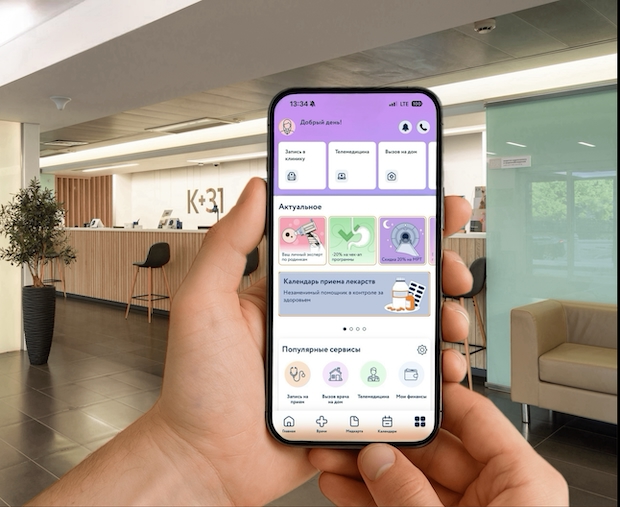
Application “Personal Account K+31”










How does therapy proceed?
Treatment is based on the diagnostic results. The doctor examines not only the fracture itself but also the condition of the soft tissues, joint, fingers, sensation, and blood flow. For a simple injury, the child is immobilized and monitored. If there is displacement, the bone fragments are first restored to their proper position, and then a further monitoring method is chosen.
Initial examination and diagnosis
First, the traumatologist assesses the general condition of the injured area: pain, swelling, limb shape, finger sensation, blood circulation, and movement near the injury site. The examination is performed carefully to avoid aggravating the pain.
Most often, an X-ray is prescribed. This helps determine the fracture line and whether there is any displacement. Further treatment depends on these data.
Immobilization and monitoring of the condition
If the injured bone needs to be held in the correct position, the doctor prescribes immobilization. Immobilization is used for this purpose: the child may be given a cast, splint, orthosis, or other support. After immobilization, parents monitor not only the pain but also the overall condition of the arm or leg. It's especially important to monitor several signs:
If the fingers become cold, pale, bluish, or numb, you should not wait for a scheduled appointment. You should contact your doctor immediately.
The Role of Follow-up Examinations and X-rays
A follow-up appointment is necessary even if the child is feeling better and complaining of little or no pain. The doctor checks to ensure the bone fragments are correctly aligned, there is no excess swelling, and no signs of complications. In case of displacement, injury near the joint, or accidental early loading, a follow-up X-ray may be necessary.
What happens after the fixation is removed
After the fixation is removed, the limb may appear weaker. Stiffness, cautious movement, and moderate swelling after the fracture in the evening are possible. From this point on, the child's recovery from the fracture begins. Initially, everyday movements, then walks. Later, active play.