
Гематома после ушиба у ребёнка: как лечить, когда нужен врач и что делать в первые часы
Активные игры, спорт и простое любопытство часто приводят к травмам, после которых появляется гематома после ушиба у ребёнка. Для родителей важно понимать, в каких случаях синее пятно на коже — лишь временный косметический дефект, а когда оно сигнализирует о серьезной травме, требующей немедленного вмешательства медиков.

специалисты

оборудование

лечения



Что такое гематома после ушиба
Многие привыкли называть любое потемнение кожи после удара синяком, однако в медицине эти понятия разделяются по степени тяжести и глубине поражения.
Гематома у ребёнка — это скопление крови в мягких тканях, которое возникает из-за разрыва кровеносных сосудов. В отличие от легкого поверхностного повреждения, кровь при гематоме не просто пропитывает ткани, а образует своего рода полость, заполненную кровянистым содержимым.
Чем гематома отличается от обычного синяка
Синяк, или кровоподтёк затрагивает только верхние слои кожи и мелкие капилляры. Он плоский и практически не прощупывается. Подкожная гематома располагается глубже. Она более:
- Плотная: место ушиба твердое на ощупь
- Болезненная: при надавливании (а иногда и в покое) ребенок чувствует боль
- Объемная: на коже появляется припухлость
| Признак | Синяк | Гематома | Что делать |
|---|---|---|---|
| Боль | Обычно умеренная | Может быть сильной | Наблюдать или показать врачу |
| Плотность | Мягкая область | Плотная, напряжённая | Не массировать |
| Отёк | Небольшой | Часто выражен | Холод и покой |
| Динамика | Постепенно проходит | Может увеличиваться | Следить за изменениями |
Почему у детей гематомы появляются чаще и выглядят заметнее
Родители часто замечают, что даже незначительное столкновение с углом стола оставляет на коже малыша яркий след. Это связано с анатомическими особенностями детского организма. Кожа у детей тоньше и нежнее, а подкожно-жировая клетчатка более рыхлая и обильно снабжена сосудами. Из-за этого даже при слабом воздействии сосуды легче повреждаются, а кровь быстрее распространяется в окружающие ткани.
Как понять, что гематома после ушиба не опасна
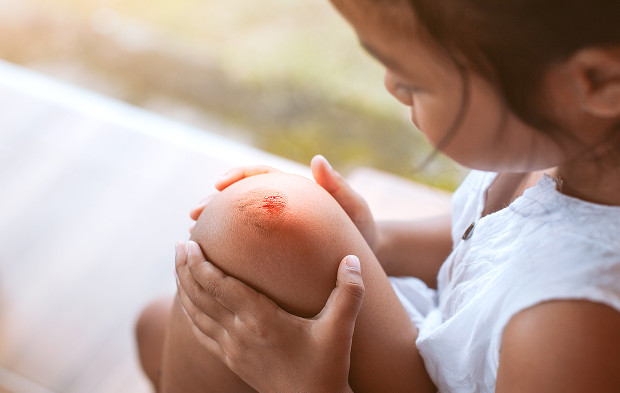
В большинстве случаев гематома после ушиба у ребёнка не требует специфического медицинского лечения и проходит самостоятельно. Главное для родителей в этой ситуации — сохранять спокойствие и внимательно наблюдать за динамикой заживления.
Нормальные признаки ушиба
Если ребенок плачет сразу после удара, но быстро успокаивается, а место травмы выглядит как обычное покраснение, которое позже темнеет — повода для паники обычно нет. Ушиб у ребёнка считается опасным, если:
- Боль не проходит в течение часа
- Ребенок не может шевелить травмированной рукой или ногой
- Появилась рвота, бледность, слабость

Как меняется цвет, боль и отёк в первые дни
Процесс, который называют рассасывание гематомы, сопровождается «цветением». Сначала область ушиба багровая или синюшная из-за свежей крови. Через 2–3 дня цвет меняется на сине-зеленый, а затем на желтовато-коричневый. Это нормальная химическая реакция распада гемоглобина. Боль после ушиба также должна плавно идти на спад, а припухлость — уменьшаться в размерах.
Когда гематома уменьшается сама
Если через 48 часов после удара синяк уменьшился, а отек почти сошел, значит, организм справляется самостоятельно. Гематома обычно исчезает за 7–14 дней без следа.
Общая информация
Опасные симптомы, при которых нужен осмотр врача
Родителям нужно знать симптомы опасной гематомы, чтобы вовремя обратиться к врачу.
Быстрое увеличение гематомы
Если отек все время увеличивается, значит есть вероятность, что при ударе был задет крупный сосуд. В этом случае нужна помощь хирурга.
Сильная боль, вялость, нарушение подвижности
Если вы заметили нарушение подвижности в суставе рядом с травмой, значит речь идет о возможном переломе или разрыве связок. Общая вялость, бледность или отказ от еды после травмы также являются вескими причинами для обращения в больницу.
Травма головы, лица, живота или сустава
Некоторые зоны требуют особого внимания независимо от размера синяка:
- Ушиб головы у ребёнка: существует риск сотрясения мозга или появления внутричерепной гематомы
- Ушиб лица у ребёнка: близость глаз, носа и челюстных пазух требует исключения скрытых повреждений
- Удар в область живота: опасен повреждением внутренних органов (печени, селезенки)
- Травма сустава: может привести к скоплению крови внутри суставной сумки (гемартрозу)
Когда нужно срочно обращаться за помощью
Существует перечень критических признаков, требующих немедленного вызова скорой помощи или поездки в травмпункт:
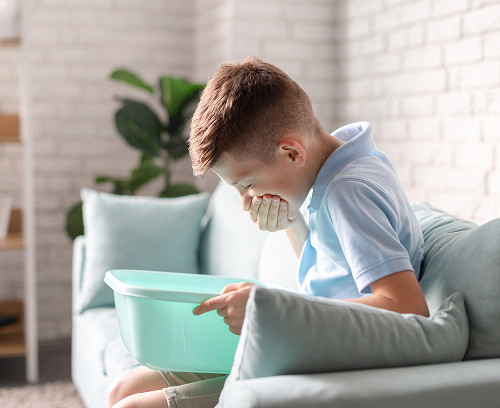
- Появление рвоты, сонливости или потери сознания после удара
- Резкое нарушение зрения или координации движений
- Гематома пульсирует или ощущается горячей на ощупь
- Появление крови в моче или кале после удара в живот или спину
- Онемение конечности ниже места ушиба
Часто задаваемые вопросы
Чем гематома отличается от синяка?
Можно ли греть гематому?
Сколько проходит гематома у ребёнка?
Когда нужно срочно показать ребёнка врачу?
К врачу стоит ехать немедленно, если гематома после ушиба у ребёнка быстро увеличивается, мешает движению конечности, сопровождается высокой температурой или если удар пришелся на голову, живот или область суставов.
«По моему опыту, у детей даже небольшая гематома иногда скрывает более глубокую травму. Поэтому мы смотрим не только на размер синяка, но и на боль, отёк, подвижность и общее состояние ребёнка», — отмечают специалисты в области детской хирургии.
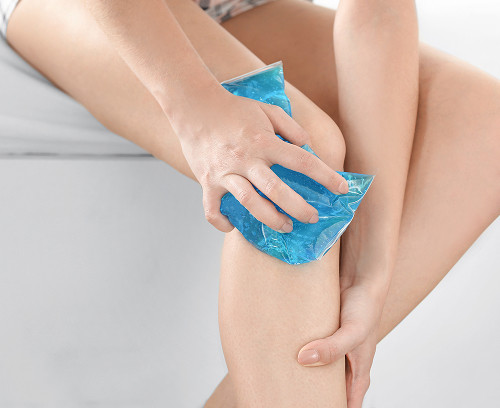
Ребенку нужен холод, покой и наблюдение. Если вы знаете, как лечить гематому, значит у вас получится вернуть малыша к нормальной жизни в течение нескольких дней.


Такая награда выдаётся клиникам с самым высоким рейтингом по оценкам пользователей, большим количеством обращений с данной площадки, при отсутствии критичных нарушений.

Такая награда выдается клиникам с самым высоким рейтингом по оценкам пользователей. Она означает, что место знают, любят и сюда точно нужно зайти.

Портал ПроДокторов собрал 500 тысяч отзывов, составил по ним рейтинг врачей и наградил лучших. Гордимся, что среди награжденных есть наши врачи.
Запишитесь на прием в удобное время на ближайшую дату
Стоимость
Другие услуги

Запись к врачу

Наши клиники


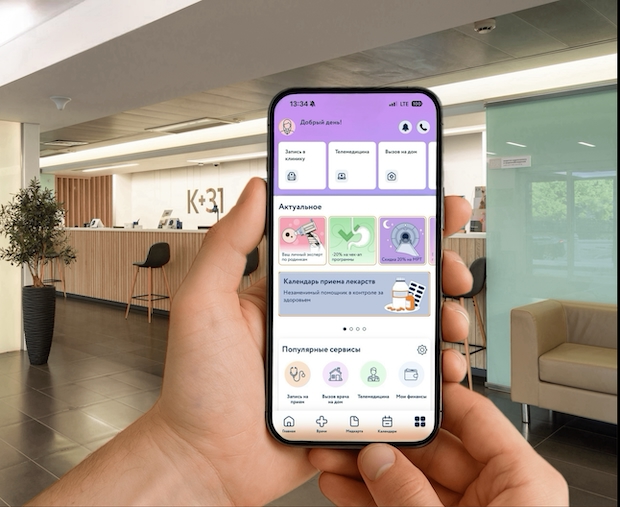
Приложение «Личный кабинет К+31»










Причины появления гематомы у ребёнка
Основная причина всегда кроется в механическом воздействии. Однако то, насколько масштабной будет детская травма, зависит от силы удара, точки соприкосновения и индивидуальных особенностей организма.
Падения, удары, активные игры и спорт
Большинство травм происходит во время прогулок и занятий спортом. Бег, езда на велосипеде или самокате, лазание по детским площадкам — всё это сопряжено с риском падения. В таких случаях часто происходит ушиб конечности или туловища. Сила инерции при падении с высоты собственного роста ребенка бывает достаточной, чтобы возникла глубокая травма мягких тканей.
Особенности детских тканей и сосудов
Стенки сосудов у детей обладают высокой проницаемостью. Кроме того, механизмы свертывания крови и сосудистые реакции на травму у маленького ребенка еще находятся в стадии формирования. Это объясняет, почему синяк у ребёнка может проявиться практически мгновенно и занять большую площадь, чем у взрослого при аналогичном ударе.
Почему локализация влияет на выраженность отёка и боли
Там, где мягких тканей мало (например, на голени или лбу), появляются более выраженные шишки. На бедрах и ягодицах кровь может распределяться шире. В итоге появляется отёк после ушиба. Особенно чувствительны зоны с большим количеством нервных окончаний, такие как пальцы или лицо.