Emergency Trauma Care for Children: Urgent Care for Traumas

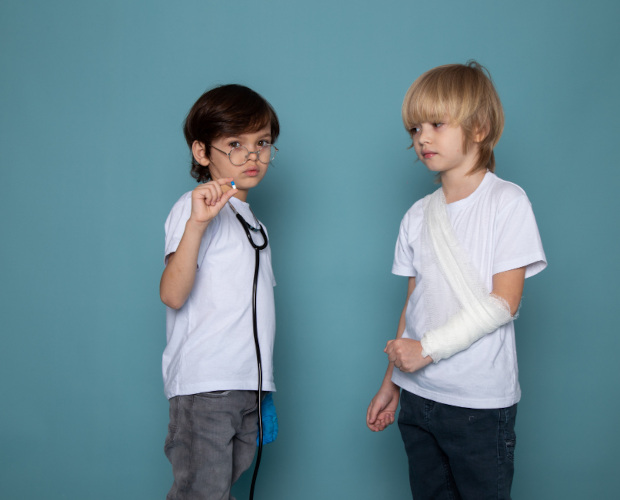
Childhood is unthinkable without falls, bruises, and abrasions. Children are constantly seeking adventure, exploring the world. That's why pediatric trauma care sees a large number of children every day.

We explain how to recognize a serious injury and how to provide first aid.

Best specialists
Best
specialists
Expert equipment
Expert
equipment
Advanced diagnostic treatment
Advanced diagnostic
treatment
Sign up
Fill out the entry form on the page and we will call you back
Sign up Позвонить
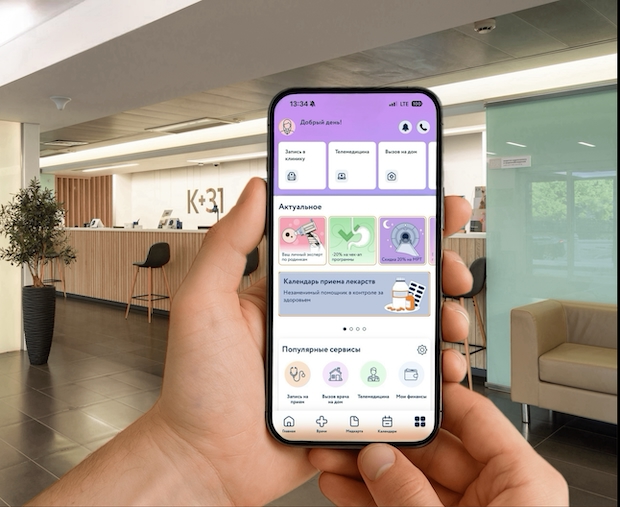
Download the application “Personal Account K+31”
Everything about your health in one click!
Subscribe to social networks K+31
To keep up to date with current offers and receive useful advice about your health.

When a child needs emergency trauma care

Most parents don't rush to see a doctor right away. They might wait until the morning, hoping everything will resolve itself.

Emergency trauma care is needed in situations where you can't wait a second: you need an immediate diagnosis and treatment.

It's important to understand that children's pain thresholds vary: one child might cry from a scratch, while another might tolerate a serious fracture without showing any obvious signs of a catastrophe.

Signs You Shouldn't Wait

There are critical symptoms that indicate a serious injury to a child. In such situations, a doctor should examine you as soon as possible to prevent complications and relieve acute pain.

Don't wait until morning if your child has:

  • Severe pain that doesn't go away with rest
  • An arm or leg is deformed and looks abnormal
  • Swelling increases minute by minute
  • The child can't move the arm or leg
  • There is a deep, open wound that is bleeding

If your child can't sleep due to pain, take them to the emergency room or call an ambulance.

When a child needs emergency trauma care

When can I make a scheduled appointment?

Not every injury requires immediate medical attention. If your child is active, pain-free, and has no open wound, there's no need to rush to a traumatologist.

A routine examination is appropriate for old bruises, mild joint discomfort after physical activity, or to monitor a previously diagnosed injury. A pediatric traumatologist will order an X-ray and advise on next steps.

What are the most common injuries in children?

In children, legs and arms are most affected. This is due to their activity and inability to sit still.

Bruises, abrasions and sprains

Children bruise almost every day. Typically, it's accompanied by a hematoma and localized pain. However, a common bruise can mask ligament damage. Sprains often occur with sudden movements or twisting of the foot. A characteristic symptom is localized swelling and moderate limitation of joint motion.

Suspected fracture

Children's bones have thick periosteum, so "greenstick" fractures, where the bone breaks internally but is not completely displaced, are common. A fracture in a child can be accompanied by sharp pain, but sometimes the outward signs are subtle. If you notice that your child has lost use of an arm or is sparing a leg when walking, a diagnosis is required.

Dislocations and ligament injuries

A typical dislocation in a young child is a "pull-out dislocation," which occurs when an adult abruptly tugs the child's arm. The ball of the joint comes out of the bursa, causing severe pain and immobilization of the limb. Self-reduction is strictly prohibited, as it can lead to nerve damage.

Head and neck injuries

A child falling from a height equal to or higher than his own height almost always results in a head injury. If your child vomits, becomes drowsy, loses consciousness, or loses coordination after a fall, consult a traumatologist or neurosurgeon—these are signs of a concussion or brain contusion.

Emergency care for a head injury is essential for maintaining the health of the nervous system.

How to distinguish a contusion from a fracture:

Sign Contusion Possible fracture What to do first
Pain Usually moderate, gradually subsiding. Sharp, intense, intensifies with attempt to move the limb. Restrain and limit any movement.
Swelling May not appear immediately, usually localized. Often severe, increases very quickly. Apply cold through a cloth (for 10-15 minutes).
Movement Possible, although uncomfortable. Often severely difficult or impossible due to pain. Immobilize the limb in its current position.
Deformation No external changes in bone shape. An abnormal curvature or change in length may be observed. Immediately take the child to a doctor (emergency room or ambulance).
Symptoms of a zygomatic bone fracture

What to do before seeing a doctor

Providing first aid for an injury before medical personnel arrives is a way to avoid serious consequences. Parents need to know how to calm the child, stop bleeding, and reduce pain.

First Aid for a Bruise

If you are sure the child's bruise is not serious, follow these steps:

  • Sit or lay the child down and reassure them.
  • Apply cold to the injury (ice wrapped in a cloth) for 10-15 minutes.
  • If there is a wound, treat it with an antiseptic.
Restriction of mouth opening and chewing

First aid for suspected fracture

If serious damage to bone structures is suspected, first aid for injury should be as gentle as possible:

  • Do not move the injured limb unnecessarily
  • Immobilize as much as possible: immobilize the arm or leg using available means (board, thick cardboard) or bandage the injured leg to the healthy one
  • If there is a wound or bleeding, apply a clean pressure bandage

What you should not do yourself

It is prohibited:

  • Resetting a dislocation or collecting a broken bone on your own
  • Warming the injured area, applying hot compresses or massage
  • Administering painkillers without consulting a doctor (this may obscure the clinical picture)
  • Forcing the child to "work out" the joint through pain

General information

How is the examination and diagnosis performed?

Emergency traumatology for children works as quickly as possible. First, diagnostics, then diagnosis.

Examination, interview, and assessment of the child's condition

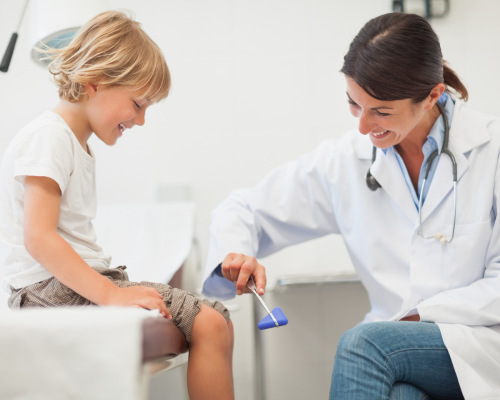
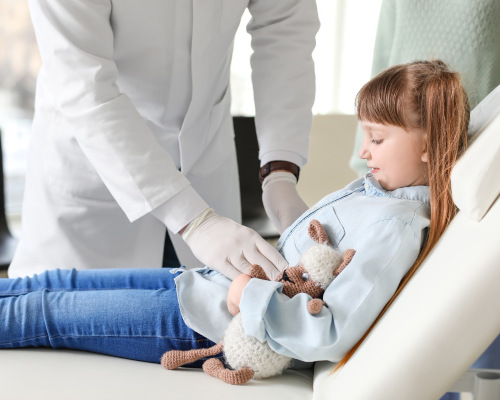
The pediatric traumatologist begins the appointment by establishing rapport with the child. The doctor determines the circumstances of the injury: how the fall occurred and the angle of impact. Palpation is performed, the pulse in the peripheral vessels is checked, and sensitivity is assessed. A careful examination allows localization of the injury without causing unnecessary suffering to the young patient.

X-rays and additional diagnostic methods

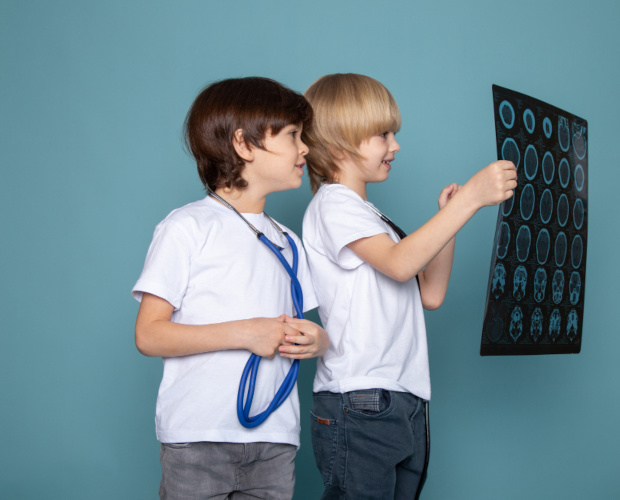
X-rays are almost always prescribed. Only from these images can the doctor determine the fracture line or the position of the articular surfaces. In complex cases involving soft tissue or growth plates, an ultrasound or MRI may be required. Modern pediatric traumatology strives to minimize radiation exposure using high-precision digital equipment.

How is the examination and diagnosis carried out?

How are acute injuries treated in children?

After diagnosis, the active care phase begins. The main goal is to restore anatomical integrity and function to the limb.

Pain relief and immobilization

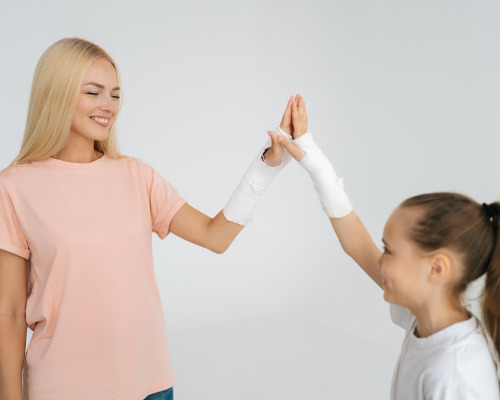
The primary goal is adequate pain relief. Depending on the severity of the injury, local or systemic medications are used. Immobilization is then performed. While previously the only option was a heavy plaster cast, today lightweight polymer bandages and orthoses are used.

Wound care and fixation

If a child's injury involves damage to the skin, primary surgical debridement is performed. The doctor cleans the wound, applies cosmetic sutures and a sterile dressing if necessary. Reliable fixation is important not only for the bones but also when ligament damage is present, to ensure they heal properly.

Post-appointment recommendations and recovery monitoring

The child and their parents are advised on what physical activity should be avoided and what exercises should be added. They are given a dressing change schedule (if the wound was deep) and medication recommendations.

How are acute injuries treated in children?

When a follow-up consultation is needed

Even if first aid has been provided in full, there are situations that require a follow-up visit to a specialist.

You should take your child back to the doctor if:

  • Pain under a cast or orthosis has increased
  • The fingers on the immobilized limb have turned blue, become cold, or have lost sensation
  • An unpleasant odor has appeared from under the cast
  • The body temperature has risen without an apparent cause

"In my practice, parents often expect the injury to resolve on its own. But even a simple fall can cause a fracture in a child. My job is to quickly assess the condition, relieve the pain, and explain what to do next," explains a traumatologist.

When is a follow-up consultation necessary?

How to Reduce the Risk of Injuries in Your Child

Prevention is the best way to avoid a visit to a traumatologist. Of course, it's impossible to insure your child against every eventuality, but you can minimize the risks.

  1. Wear protective gear. If your child enjoys cycling, scootering, or rollerblading, buy them a helmet, knee pads, and elbow pads.
  2. Anchor unstable furniture and use pads on sharp corners. Store heavy objects (such as vases) on high shelves.
  3. Teach your child how to fall correctly and explain outdoor safety precautions.

Qualified pediatric traumatology services in Moscow are open 24/7. No need to wait until morning to take your child to the doctor: emergency care for injuries will be provided immediately upon arrival at the hospital.

How to reduce the risk of injury in children

Frequently Asked Questions

When should a child be urgently shown to a traumatologist?

If they're experiencing severe pain, if their arm or leg is deformed after a fall, or if there was a head injury, any suspicion of a fracture or dislocation is a reason to go to the emergency room.

What can you do before seeing a doctor?

Apply cold with a dry cloth. Do not attempt to realign the joint yourself or administer medication until examined by a doctor.

Is an x-ray necessary for any childhood injury?

Not for every case, but the decision is made only by a doctor. X-rays are mandatory if a fracture is suspected, if damage to bone growth plates is present, or if limb function is significantly impaired.

What injuries in children are considered especially dangerous?

Head injuries (concussions, brain contusions), spinal injuries, open fractures with bleeding, and injuries resulting in loss of consciousness.

Our doctors

Polovnikova (Kroshkina) Valeria Alexandrovna
Experience 15 years
Make an appointment
Polovnikova (Kroshkina)
Valeria Alexandrovna
Traumatologist-orthopedist, pediatric
Lopatin Kirill Alexandrovich
Experience 16 years
Make an appointment
Lopatin
Kirill Alexandrovich
Traumatologist-orthopedist, pediatric
All specialists
2GIS Award
2GIS Award

This award is given to clinics with the highest ratings according to user ratings, a large number of requests from this site, and in the absence of critical violations.

«Good place» according to Yandex

This award is given to clinics with the highest ratings according to user ratings. It means that the place is known, loved, and definitely worth visiting.

Our doctors are laureates of the ProDoctors Award

The ProDoctors portal collected 500 thousand reviews, compiled a rating of doctors based on them and awarded the best. We are proud that our doctors are among those awarded.

Make an appointment at a convenient time on the nearest date

Price

Initial appointment with a pediatric traumatologist-orthopedist
from 8 950 ₽
Follow-up appointment with a pediatric traumatologist-orthopedist
from 7 950 ₽

Other Services

Treatment of hip sprain in a child Ankle injury in a child: treatment and recovery Calf muscle strain in children: symptoms and treatment Treatment of sprains in children: symptoms, first aid and recovery Treatment of pectoral muscle strain in children Treatment of muscle strains in children Hip sprain in children: symptoms and treatment Sprained Foot in Children: Treatment, Symptoms, First Aid, and Recovery Treatment of Achilles tendon strain in children First aid for bleeding in children: how to act quickly and safely Neck Strain in Children: Symptoms, Treatment, and Recovery Subungual hematoma in children: symptoms, first aid, and treatment in Moscow Wrist sprain in a child: symptoms, treatment, and recovery Subcutaneous hematoma in a child: symptoms, treatment, and first aid Treatment of the consequences of trauma in children Orthopedic rehabilitation for children in Moscow: recovery from injuries, surgeries, and musculoskeletal disorders Reduction of subluxations and dislocations in children Plaster cast application for a child: procedure, types of casts, and care Treatment for a child's shoulder sprain Soft tissue hematoma in a child: symptoms, first aid, and treatment Application of an immobilization bandage to children Swelling after a bruise in a child: treatment and first aid Hip contusion in a child: symptoms, first aid, and treatment Head injury in children: treatment, symptoms, and first aid Chest contusion in a child: symptoms, first aid, and treatment A child's post-injury hematoma: how to treat it, when to see a doctor, and what to do in the first few hours Hematoma on a child's arm: causes, symptoms, and treatment Treatment of a child's hand contusion: symptoms, first aid, and recovery Hematoma on a child's finger: first aid, treatment, and when to see a doctor Knee contusion in a child: treatment, symptoms, and first aid Bruised tailbone in a child: symptoms, first aid, and treatment in Moscow Elbow bruise in a child: symptoms, first aid and treatment Bruised leg in a child: symptoms, first aid and treatment Hematoma on a child's leg: causes, symptoms, first aid, and treatment Hematoma on a child's face: causes, first aid, and treatment in Moscow Treatment of groin strain in children Bruised nail in a child: treatment, first aid, symptoms, and recovery Hematoma on the head of a child: treatment and symptoms Eye hematoma in a child: treatment, first aid, and when to see a doctor Bruised ribs in children: treatment, symptoms, and first aid Back strain in children: symptoms, treatment, and recovery Soft tissue contusion in a child: symptoms, first aid, and treatment Treatment of a joint contusion in a child in Moscow: symptoms, first aid, diagnosis, and recovery Bruised nose in a child: treatment, first aid, and when to see a doctor Bruised Foot in a Child: Symptoms, First Aid, and Treatment in Moscow Bruised finger in a child: treatment, first aid, and when to see a doctor Back injury in a child: symptoms, first aid, and treatment in Moscow Bruised arm in a child: symptoms, first aid, and treatment Shoulder contusion in a child: symptoms, first aid and treatment Bruised ribs in children: symptoms, treatment, and first aid Zygomatic bone fracture in a child: symptoms, diagnosis, treatment and recovery
Make an appointment

Appointment to the doctor

Fill out the form, our managers will contact you within 15 minutes
Почему К+31?
К + 31 — full-cycle multidisciplinary medical centers, including the possibility of providing medical services of European quality level.
К + 31 — are leading doctors and diagnostics using high-tech equipment from world manufacturers (Karl Storz, Olympus, Siemens, Toshiba, Bausch&Lomb, Technolas, Zeiss, Topcon).
К + 31 — is ethical. The staff of K+31 clinics maintain open relationships with patients and partners. An individual approach to each patient is the basis of our service standards.
К + 31 — is modernity. On call 24/7: call center operators will answer your questions at any time and book you an appointment with doctors. Contact us by phone, through the feedback form on the website and Max.

Our clinics

Address K+31 on Lobachevskogo

st. Lobachevskogo, 42/4

Contacts

+7 499 999-31-31

Opening hours

Mon-Fri: 08:00 – 21:00
Weekend: 09:00 – 19:00
Didn't find the service you were looking for?

Экстренная помощь