
Fracture of the tibial condyles in children: treatment and recovery
When a diagnosis of tibial condyle fracture in children is made, parents immediately have many anxious questions. Can they put weight on the foot? Is surgery necessary? How long will recovery take? The answer depends not only on the injury name, but on the specific type of damage to the bone.
The tibial condyles are located in the knee area, so this injury requires a precise assessment. The doctor will conduct an examination, order imaging, and determine if there is any displacement. After this, a treatment and rehabilitation plan will be developed. The goal is for the bone to heal properly and the knee joint to maintain normal motion.

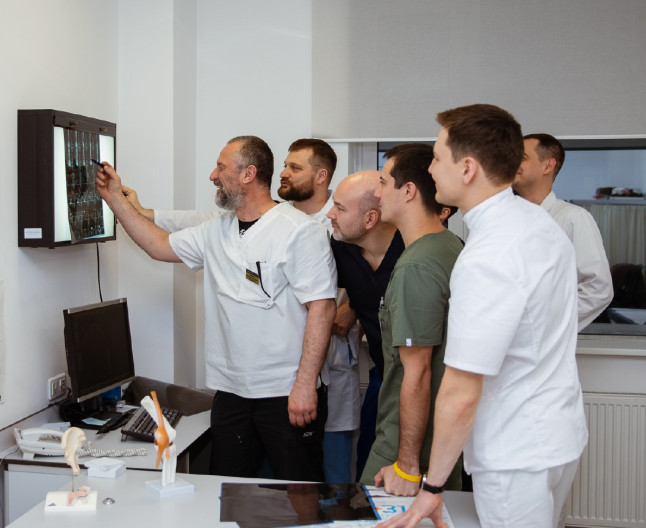
specialists

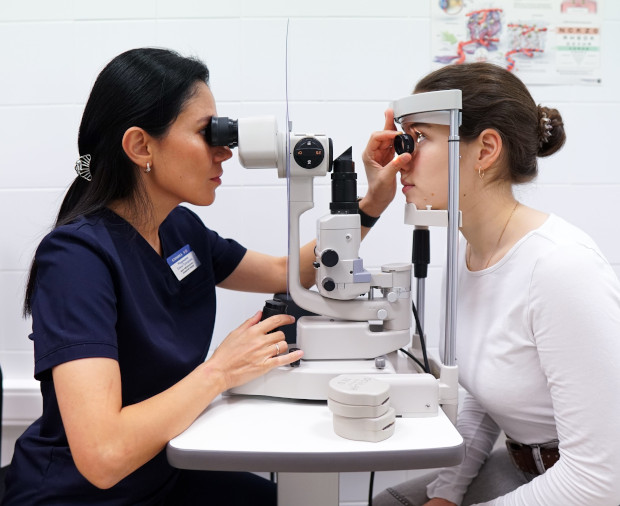
equipment

treatment






Why is this trauma especially important in childhood?
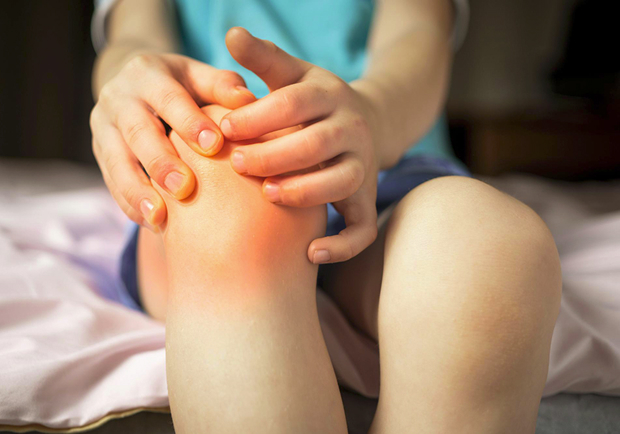
The child's skeleton is fundamentally different from that of an adult. Child bones are more elastic and contain more water and organic matter, but they have their own vulnerabilities that require special attention from doctors.
Growth plates and characteristics of children's bones
The main feature of the child's skeleton is the presence of epiphyseal plates, which allow the bone to lengthen. Each growth plate is a layer of cartilage located near the joint.
If a tibial condyle fracture in children passes through this area, there is a risk of premature closure of the growth plate. This can cause the injured leg to lag behind the healthy leg or become deformed as the child matures.
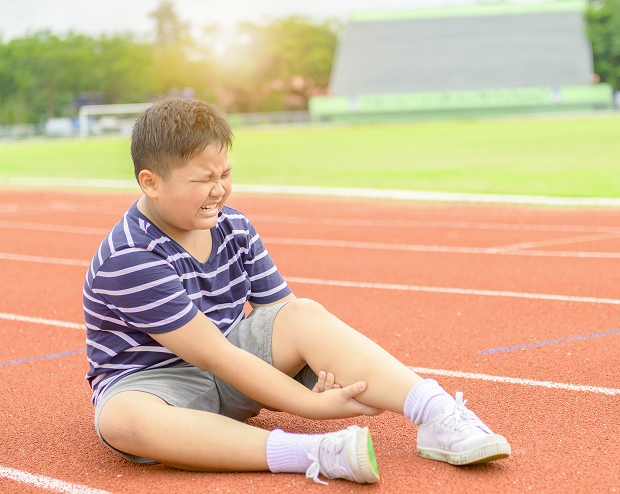
Why you shouldn't underestimate a child's knee injury
A child can stand up after a fall, take a few steps, and still have serious knee damage. The ability to put weight on the foot alone doesn't indicate the extent of the joint damage.
A child's knee injury is especially important if there is pain, swelling, limping, or limited motion. Intra-articular fractures can be associated with damage to:
- Ligaments
- Cartilage
- Growth plates
Therefore, without diagnosis, it's easy to underestimate the injury. If treatment is delayed, pain, stiffness, and mobility problems may develop later. Pediatric traumatology pays special attention to such injuries, as early treatment is crucial for knee joint recovery.
Causes and mechanisms of injury
Such injuries rarely occur without a serious cause. They are most often associated with a strong impact, when the load exceeds the bone's strength.
Fall, jump, sports activity
A typical situation is a fall from a height onto straight legs. The load passes through the femur onto the tibial condyle, and the bone tissue cannot withstand it, resulting in a crack, indentation, or fracture. Knee fractures in children are also common with sports injuries, especially if the foot and lower leg remain in place while the body twists sharply.
Domestic and road injuries
Road traffic accidents are a common cause, both when the child is in a car and when they collide with a pedestrian (a so-called "bumper fracture"). In everyday life, falls from a bicycle, scooter, or swing onto a hard surface can also cause injuries.
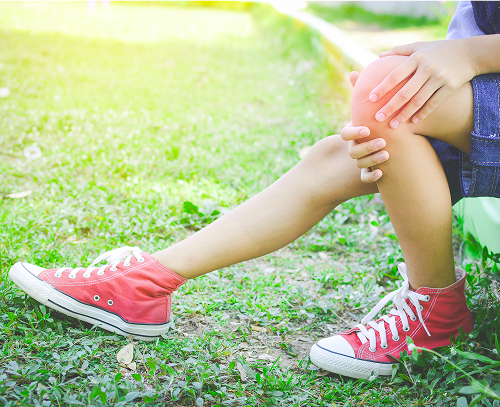
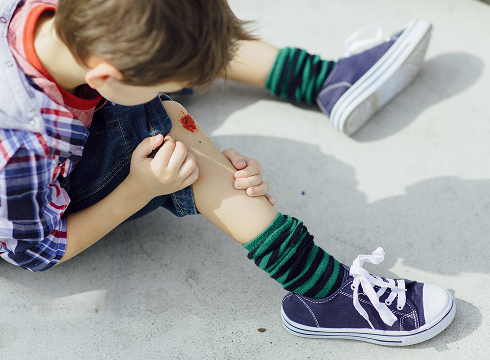
Symptoms that should alert parents
Recognizing the problem at an early stage can be difficult, especially if the child is frightened and crying. However, there are a number of characteristic signs that indicate intra-articular damage.
Pain, swelling, and hematoma
Immediately after the impact, sharp pain occurs. Within a few hours, the knee noticeably increases in size and swelling occurs. This occurs due to bleeding into the joint cavity (hemarthrosis). The skin over the joint may become hot to the touch, and a bruise or extensive hematoma often appears.
To avoid dangerous consequences, it's important for parents to know the red flags. Below is a list of situations that require immediate attention.
When to urgently take your child to the doctor:
- Severe knee pain
- Swelling that increases rapidly
- The child cannot put weight on the leg
- There is a deformity or significant hematoma
- The foot is numb, cold, or pale
If you notice any of these symptoms, do not attempt to self-medicate; rest the leg and seek medical attention.
Inability to put weight on the leg
When trying to stand or put weight on the affected limb, the pain intensifies significantly. Full weight bearing on the leg becomes physically impossible. The child instinctively draws up his leg and refuses to take any steps.
Limited knee flexion and extension
Blood accumulated in the joint and displaced bone fragments mechanically block movement. The knee assumes a forced semi-flexed position, and any attempt to straighten the leg causes the child to resist and cry.
General information
How is the diagnosis made?
Determining the exact nature of the injury simply by looking at it is impossible. The diagnosis must be comprehensive and performed by a specialist in a medical facility.
Examination by a traumatologist-orthopedist
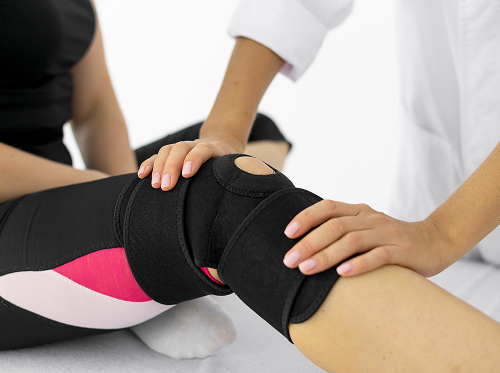
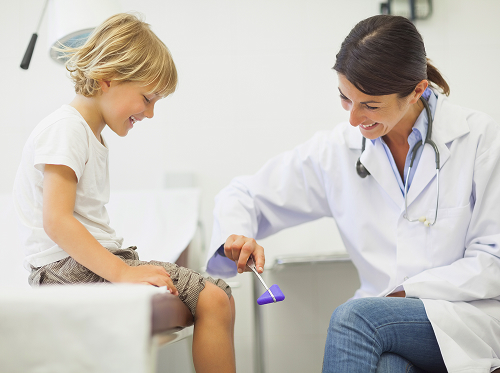
The appointment begins with collecting the patient's medical history: the doctor determines how exactly the injury occurred. Then, a careful visual examination and palpation are performed. The doctor checks the vascular pulse in the foot and the sensitivity of the toes to rule out damage to:
- Nerves
- Main arteries
X-ray of the knee joint
The gold standard for initial diagnosis is an X-ray of the knee joint. Images are always taken in two projections—AP and lateral. This allows one to visualize the fracture line, assess the displacement of the fragments, and the extent of joint deformation. A standard knee X-ray usually provides sufficient information to determine the appropriate course of action.
When is a CT or MRI needed?
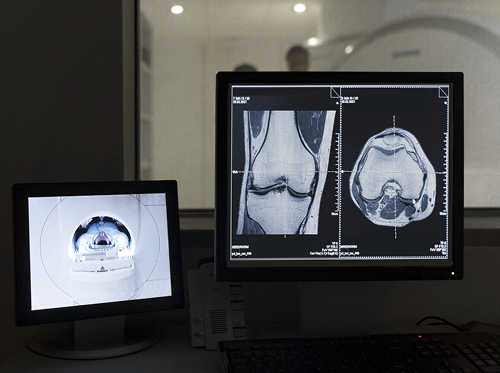
If the X-ray image is unclear or the fracture is comminuted, a computed tomography (CT) scan is ordered. CT creates a three-dimensional model of the joint and allows one to visualize the location of all fragments with millimeter accuracy. Magnetic resonance imaging (MRI), on the other hand, is indispensable for assessing soft tissue. With MRI, the doctor can detect hidden cartilage damage and also check the integrity of the meniscus and ligaments.

FAQ from parents
How can you tell if your child has a tibial condyle fracture?
How long does it take for a tibial condyle fracture to heal in children?
Is surgery always necessary?
When can my child return to sports?
In conclusion, I'd like to point out that a tibial condyle fracture is a serious challenge. However, modern medicine has all the necessary tools to ensure that a child's knee fracture heals without complications.
Trust the professionals, pay close attention to the rehabilitation process, and your child will be able to run and play their favorite sports again without worry. High-quality rehabilitation, timely exercise therapy, and adherence to a protective regimen are key to ensuring that a child's knee injury remains just an unpleasant memory.
And don't forget that a tibial condyle fracture in children requires careful treatment not only in the first few weeks but also throughout the entire period of final bone remodeling.



This award is given to clinics with the highest ratings according to user ratings, a large number of requests from this site, and in the absence of critical violations.

This award is given to clinics with the highest ratings according to user ratings. It means that the place is known, loved, and definitely worth visiting.

The ProDoctors portal collected 500 thousand reviews, compiled a rating of doctors based on them and awarded the best. We are proud that our doctors are among those awarded.
Make an appointment at a convenient time on the nearest date
Price
Other Services

Appointment to the doctor




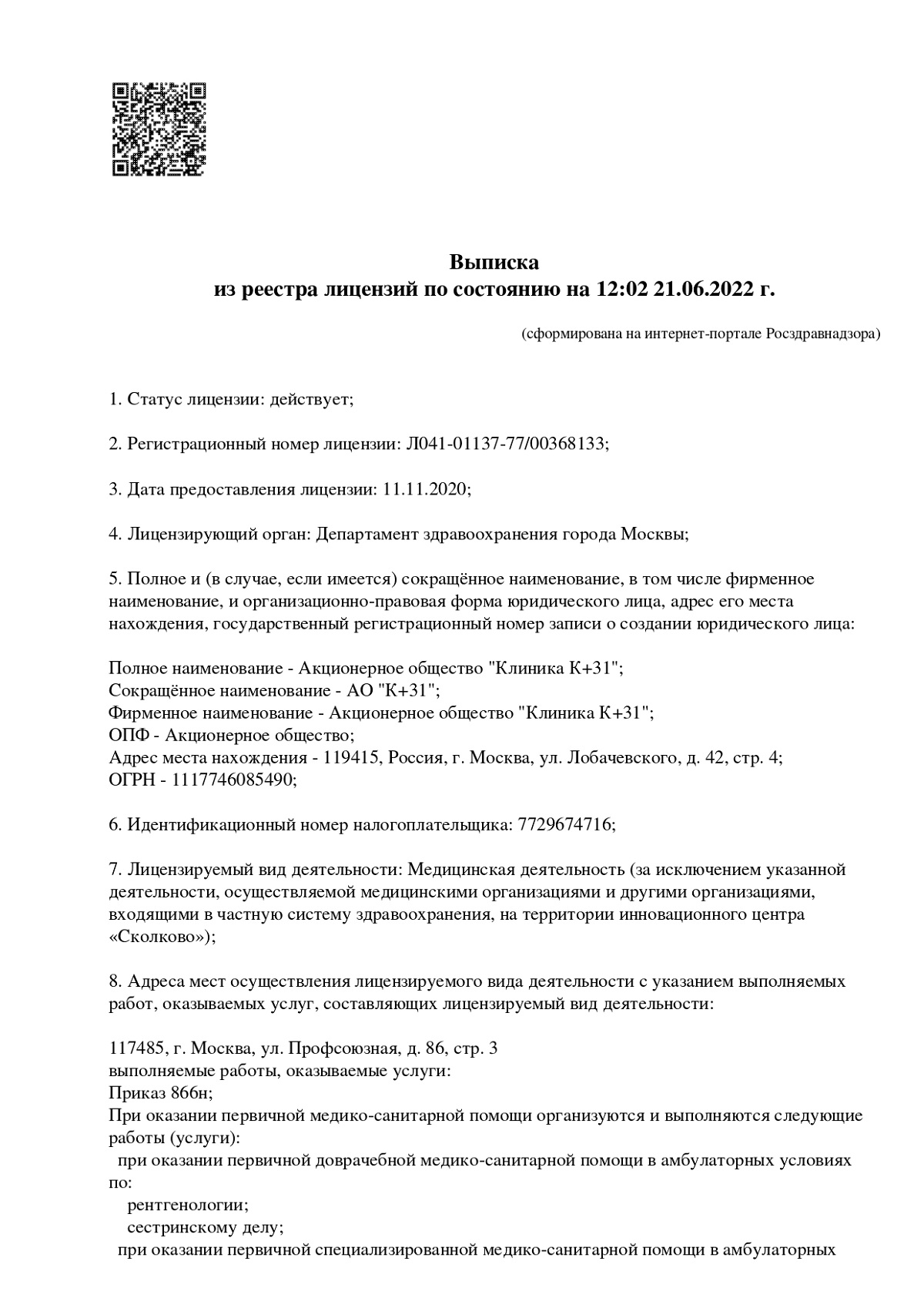


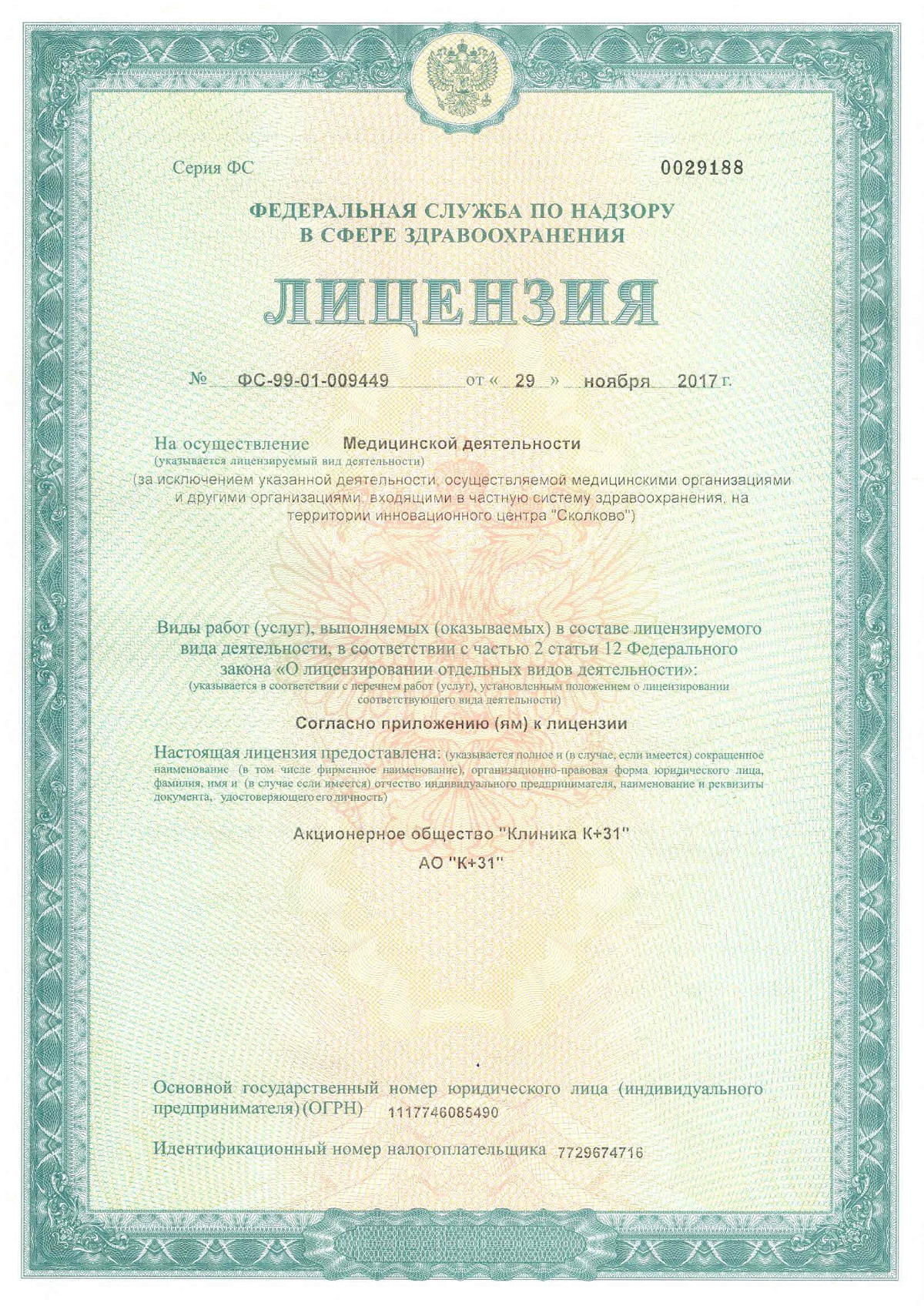
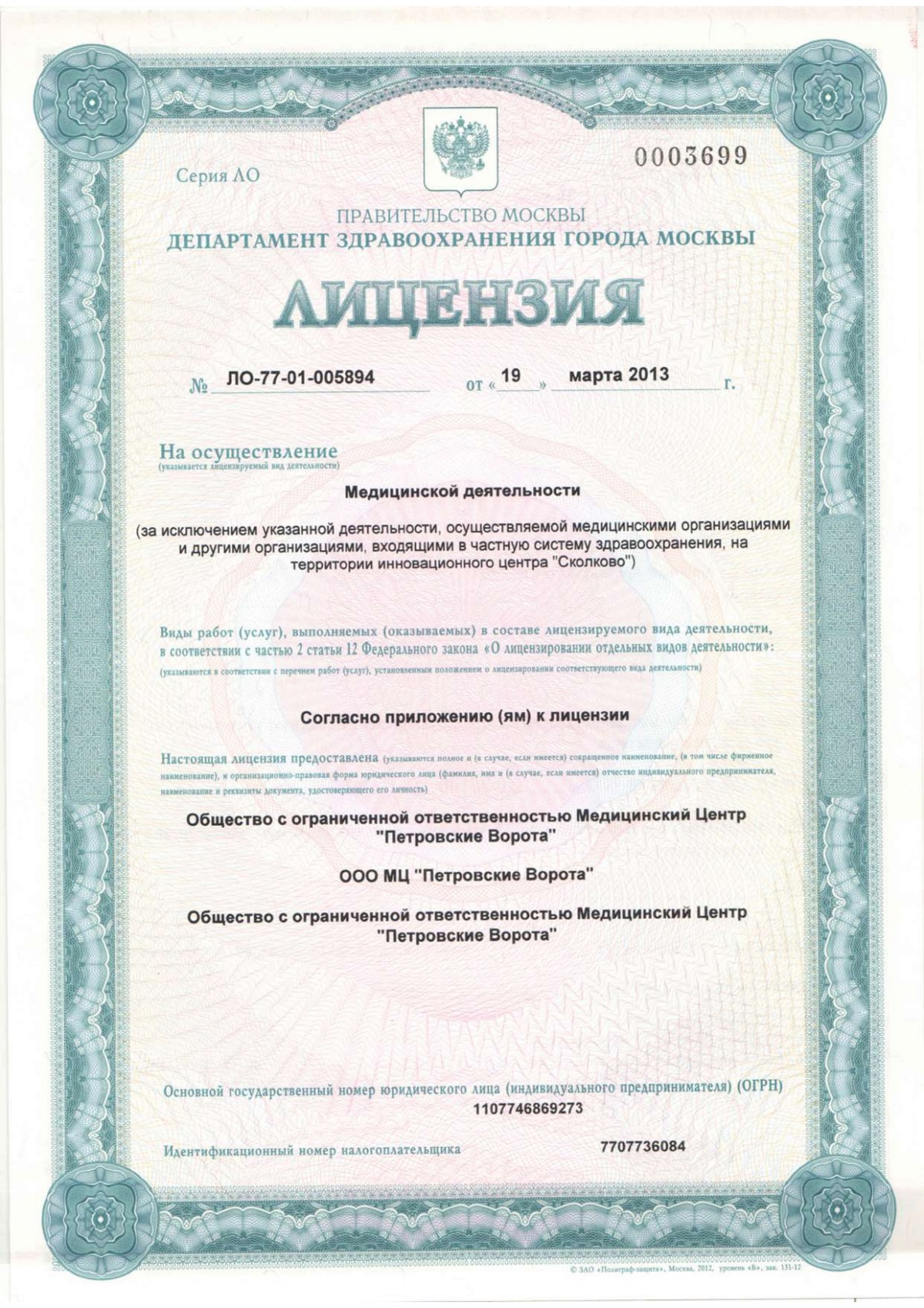

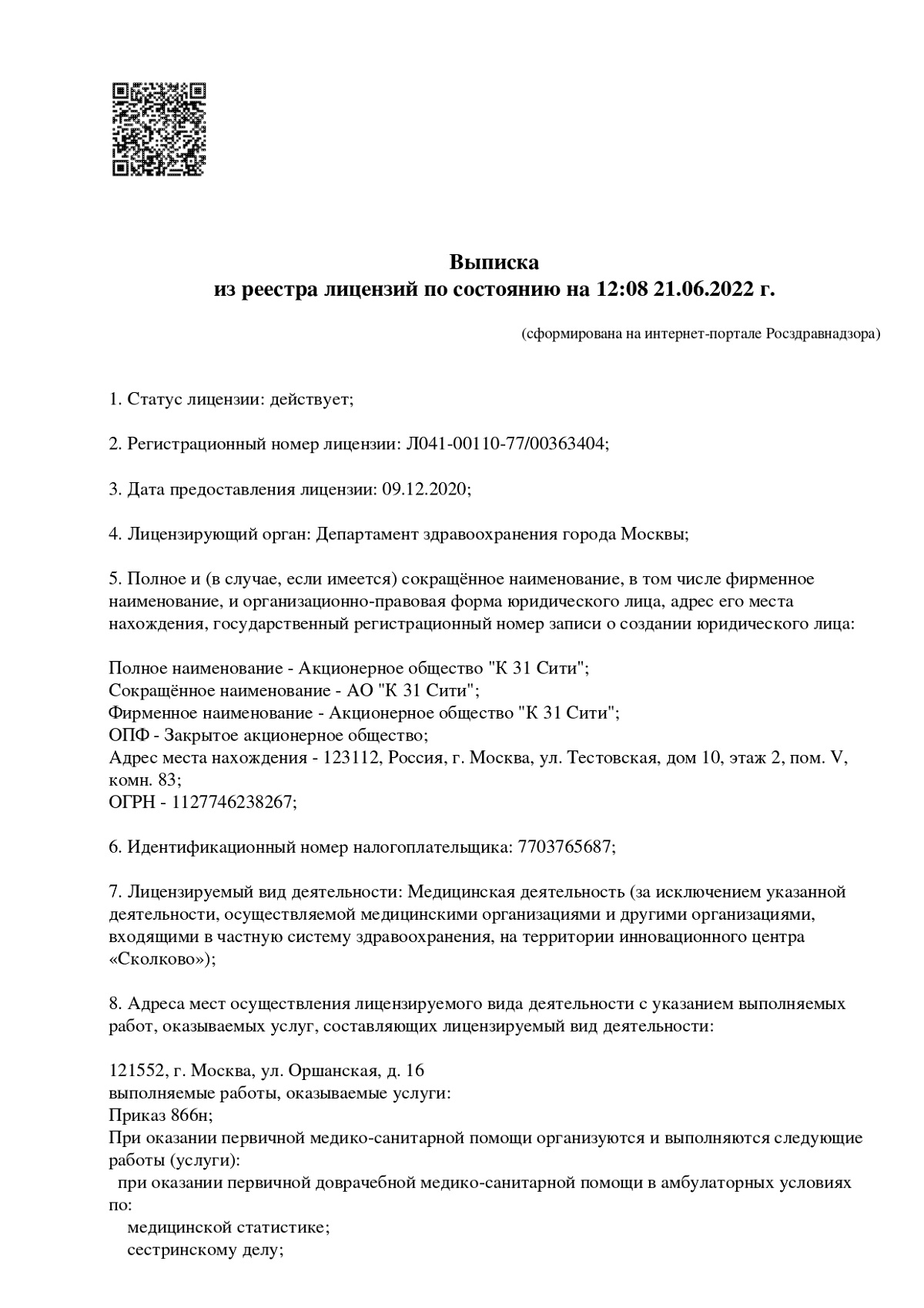
Our clinics


Application “Personal Account K+31”












What is a tibial condyle fracture?
The leg consists of two bones, the tibia serving as the primary support bone. Its upper portion, which forms the joint, contains two thickenings—the lateral and lateral condyles. They are covered with cartilage and serve as support for the femur.
A tibial condyle fracture is an intra-articular injury that disrupts the integrity of this support surface. The bone may crack, split into several fragments, or be compressed inward under the weight of the femur.
Each tibial condyle has a spongy structure, so it is prone to collapse under a strong impact, complicating the process of restoring the original anatomy of the joint.