Treatment of Lumbar Spinal Fractures in Children

Children's spines are very flexible, which is why most falls and injuries do not have serious consequences. However, excessively intense stress, falls from height, or traffic accidents can cause lumbar fractures.

Treatment of lumbar spine fractures in children follows a standard algorithm. The main goal is to minimize the risk of disability and restore musculoskeletal function.

Best specialists
Best
specialists
Expert equipment
Expert
equipment
Advanced diagnostic treatment
Advanced diagnostic
treatment
Sign up
Fill out the entry form on the page and we will call you back
Sign up Позвонить
Download the application “Personal Account K+31”
Everything about your health in one click!
Subscribe to social networks K+31
To keep up to date with current offers and receive useful advice about your health.

What is a lumbar spine fracture and why is it dangerous?

A spinal fracture is a disruption of one or more vertebrae. Compression fractures are most often diagnosed in the lumbar spine, which bears the main axial load. With this injury, the vertebral body is compressed, taking on a wedge-shaped form under excessive pressure.

The danger lies in the fact that the lumbar spine borders important nerve ganglia. Even minor deformation can lead to instability of the segment. In childhood, the vertebrae are composed of a large amount of cartilaginous tissue, making them less radiopaque and complicating initial diagnosis. Without proper attention, a lumbar spine fracture in children can lead to irreversible changes in posture and chronic pain in the future.

What is a lumbar spine fracture and why is it dangerous?

Symptoms of a fracture in a child and when urgent help is needed

The intensity of symptoms depends on the severity of the impact and the location of the injury. In children, symptoms are often subtle, especially with low-grade compression. However, there are a number of signs that require immediate parental attention.

Pain, limited mobility, and muscle spasm

The main symptom is lower back pain, which intensifies when attempting to sit, bend, or change position. The child may complain of pain when taking a deep breath or coughing. Protective muscle spasm is often observed—the back muscles stiffen, limiting movement.
Neurological symptoms: numbness, weakness, sensory disturbances

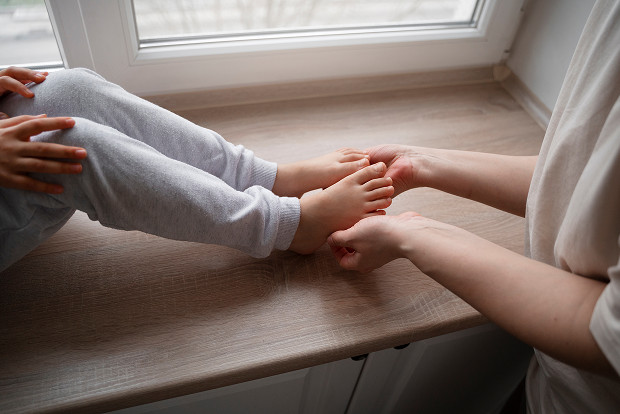
Neurological symptoms are the most dangerous. They indicate possible compression of nerve structures.

Contact a doctor if your child notices:

  • The legs have gone limp and there is numbness in the legs
  • There is muscle weakness and the child cannot stand on their toes or heels
  • Urinary retention or incontinence

If any of these signs appear, emergency hospitalization is necessary. Extreme caution should be exercised after a fall: do not sit the child up, stand him up, or turn him over without supporting his body until the doctor arrives.

General information

Fracture Diagnosis in Children

The diagnosis is based on the child's complaints, the mechanism of injury, and X-rays or MRI images. Diagnostic centers in Moscow are fully equipped, so a child can be examined very quickly.

Examination by a Traumatologist-Orthopedist and Neurological Assessment

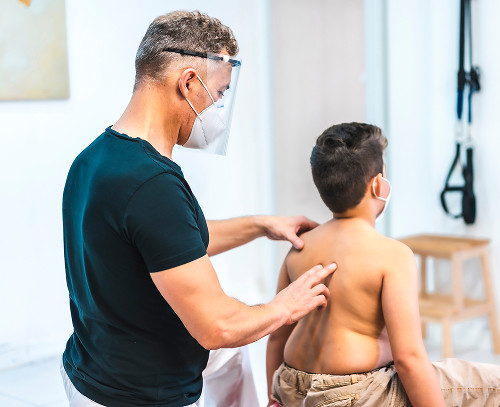
First, a pediatric traumatologist-orthopedist examines the child, assessing the spinous process line and checking for swelling. An important part is checking the neurological status: reflexes, muscle strength, and sensitivity. This helps determine whether the spinal injury is complicated.

During the initial examination, the doctor:

  • Ascertains the circumstances of the injury
  • Palpates the spinal column and paravertebral points
  • Checks tendon reflexes
  • Checks for symptoms of nerve root tension
  • Determines whether surgery is necessary or whether a conservative approach is possible

X-rays, CT, and MRI: When and Why They Are Prescribed

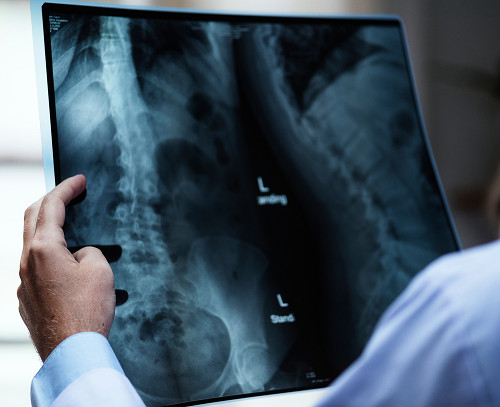
Imaging methods are selected based on the suspected severity of the injury. A spinal X-ray in two projections is a basic method that allows one to see a decrease in vertebral body height. However, for a more detailed assessment of the bone structures, a CT scan of the spine may be required, which better visualizes fracture lines. If damage to the spinal cord, intervertebral discs, or ligaments is suspected, an MRI of the spine is prescribed. Magnetic resonance imaging is invaluable in diagnosing recent compression fractures in children, as it reveals bone marrow edema that is not visible on X-rays.

Fracture Diagnosis in Children

How is a lumbar spine fracture treated in a child?

The choice of treatment method depends on the degree of compression, the stability of the vertebra, and the presence of neurological deficit. In modern pediatric traumatology, priority is given to methods that maximize the preservation of the spine's growth potential.

Conservative treatment: immobilization, pain relief, observation

In most cases, spinal fractures in children are treated conservatively. The basis of therapy is strict bed rest on a special support.

Immobilization is also used: the child must be immobilized to create the best conditions for bone fusion. For this purpose, a special orthosis or rigid corset is used, which relieves stress on the anterior vertebrae. Pain therapy is prescribed only in the acute phase to alleviate the child's condition.

Surgical treatment according to indications

Surgical intervention is rarely required. The main indications include unstable fractures, progressive deformity, or confirmed compression of nerve structures. The goal of surgery is to decompress nerve fibers and stabilize the spinal segment using specialized metal structures.

How is treatment chosen in children?

The decision is made by a panel of doctors. Specialists consider the patient's age, as younger children have greater regenerative capacity. For clarity, we can compare two main approaches:

Treatment method When used Benefits Limitations
Conservative treatment Stable fracture, no neurological deficit Fixation, pain relief, natural healing Requires long-term treatment and strict monitoring
Surgical treatment Instability, nerve compression, severe Deformation Restoration of anatomy and immediate fixation Complex preparation and specific rehabilitation are required.
How is a lumbar spine fracture treated in a child?

Recovery and Rehabilitation after Injury

Completion of the bone fusion period does not mean complete recovery. Rehabilitation after an injury is the longest and most critical stage, determining the child's quality of life.

Physical Therapy and Gradual Return to Activity

Physical Therapy is the fastest way to recovery. Exercises are aimed at creating a muscular corset that will support the spine in the correct position.

Physical therapy begins during bed rest with breathing exercises, gradually moving to more complex exercises. A recovery period supervised by an instructor helps prevent back muscle atrophy.

Restrictions in Daily Life, School, and Sports

The child may be homeschooled so that they can study standing or lying down.

The child must wear a corset. It must be worn strictly according to the instructions. Jumping, running, and heavy lifting are prohibited.

Follow-up examinations and prevention of complications

A follow-up examination with an orthopedist is necessary to assess the progress of recovery. The doctor checks muscle symmetry, range of motion, and, if necessary, orders repeat X-rays or MRIs.

Don't forget about prevention. Give your child more foods rich in calcium and phosphorus.

Recovery and Rehabilitation after Injury

Possible Complications and Risk Signs

Even with proper treatment, a spinal fracture in a child can have long-term consequences if rehabilitation is interrupted prematurely.

Posterior Disorders and Chronic Pain

The most common complication is the development of kyphosis (humpback) or scoliosis due to wedge-shaped deformation of the vertebra. This leads to abnormal load distribution, which in adulthood transforms into early osteochondrosis and constant back pain.

Compression of Nerve Structures and Neurological Disorders

If the injury is accompanied by damage to the spinal canal, paresis or sensory disturbances may develop. Therefore, treatment of a lumbar spinal fracture should be carried out under the supervision of a neurologist. Signs of secondary compression may not appear immediately, but as the child grows.

"The traumatologist evaluates not only the X-ray but also the neurological status. If the fracture is stable and the nerve structures are not affected, a gentle approach and observation are often sufficient," notes a leading specialist in pediatric vertebrology.

Possible Complications and Risk Signs

Frequently Asked Questions

How can I tell if my child has a lumbar spine fracture?

The most common signs of injury include acute lower back pain, severe limitation of movement, back muscle tension (the "rein sign"), and the child's refusal to sit or stand. Any neurological symptoms, such as numbness or weakness in the legs, are also a warning sign.

Is surgery always necessary?

No. In pediatric traumatology, most lumbar fractures are stable compression injuries. In such cases, conservative treatment, including bracing and exercise therapy, is sufficient if the injury does not threaten the spinal cord.

How long does recovery take?

The recovery period lasts 6-12 months. This timeframe depends on the severity of the fracture and the child's age.

When can I return to school and sports?

Returning to sports is only possible with a doctor's permission. However, increasing activity levels should not be attempted for at least a year. You can return to school after 2-4 months, but with strict restrictions on sitting and attending physical education classes.

If a spinal injury is suspected, the following is prohibited:

  • Transporting the child unassisted in the car
  • Giving massages or repositioning dislocated vertebrae
  • Administering painkillers before a doctor's examination to avoid fading the clinical picture.

Remember that treating a lumbar spine fracture in children is a process that requires patience. A competent approach and timely diagnosis in Moscow allow the child to return to a full life without limitations.


Our doctors

Polovnikova (Kroshkina) Valeria Alexandrovna
Experience 15 years
Make an appointment
Polovnikova (Kroshkina)
Valeria Alexandrovna
Traumatologist-orthopedist, pediatric
Lopatin Kirill Alexandrovich
Experience 16 years
Make an appointment
Lopatin
Kirill Alexandrovich
Traumatologist-orthopedist, pediatric
All specialists
2GIS Award
2GIS Award

This award is given to clinics with the highest ratings according to user ratings, a large number of requests from this site, and in the absence of critical violations.

«Good place» according to Yandex

This award is given to clinics with the highest ratings according to user ratings. It means that the place is known, loved, and definitely worth visiting.

Our doctors are laureates of the ProDoctors Award

The ProDoctors portal collected 500 thousand reviews, compiled a rating of doctors based on them and awarded the best. We are proud that our doctors are among those awarded.

Make an appointment at a convenient time on the nearest date

Price

Initial appointment with a pediatric traumatologist-orthopedist
from 8 950 ₽
Follow-up appointment with a pediatric traumatologist-orthopedist
from 7 950 ₽

Other Services

Treatment of hip sprain in a child Ankle injury in a child: treatment and recovery Calf muscle strain in children: symptoms and treatment Treatment of sprains in children: symptoms, first aid and recovery Treatment of pectoral muscle strain in children Treatment of muscle strains in children Hip sprain in children: symptoms and treatment Sprained Foot in Children: Treatment, Symptoms, First Aid, and Recovery Treatment of Achilles tendon strain in children First aid for bleeding in children: how to act quickly and safely Neck Strain in Children: Symptoms, Treatment, and Recovery Subungual hematoma in children: symptoms, first aid, and treatment in Moscow Wrist sprain in a child: symptoms, treatment, and recovery Subcutaneous hematoma in a child: symptoms, treatment, and first aid Treatment of the consequences of trauma in children Orthopedic rehabilitation for children in Moscow: recovery from injuries, surgeries, and musculoskeletal disorders Reduction of subluxations and dislocations in children Plaster cast application for a child: procedure, types of casts, and care Treatment for a child's shoulder sprain Soft tissue hematoma in a child: symptoms, first aid, and treatment Application of an immobilization bandage to children Swelling after a bruise in a child: treatment and first aid Hip contusion in a child: symptoms, first aid, and treatment Head injury in children: treatment, symptoms, and first aid Chest contusion in a child: symptoms, first aid, and treatment A child's post-injury hematoma: how to treat it, when to see a doctor, and what to do in the first few hours Hematoma on a child's arm: causes, symptoms, and treatment Treatment of a child's hand contusion: symptoms, first aid, and recovery Hematoma on a child's finger: first aid, treatment, and when to see a doctor Knee contusion in a child: treatment, symptoms, and first aid Bruised tailbone in a child: symptoms, first aid, and treatment in Moscow Elbow bruise in a child: symptoms, first aid and treatment Bruised leg in a child: symptoms, first aid and treatment Hematoma on a child's leg: causes, symptoms, first aid, and treatment Hematoma on a child's face: causes, first aid, and treatment in Moscow Treatment of groin strain in children Bruised nail in a child: treatment, first aid, symptoms, and recovery Hematoma on the head of a child: treatment and symptoms Eye hematoma in a child: treatment, first aid, and when to see a doctor Bruised ribs in children: treatment, symptoms, and first aid Back strain in children: symptoms, treatment, and recovery Soft tissue contusion in a child: symptoms, first aid, and treatment Treatment of a joint contusion in a child in Moscow: symptoms, first aid, diagnosis, and recovery Bruised nose in a child: treatment, first aid, and when to see a doctor Bruised Foot in a Child: Symptoms, First Aid, and Treatment in Moscow Bruised finger in a child: treatment, first aid, and when to see a doctor Back injury in a child: symptoms, first aid, and treatment in Moscow Bruised arm in a child: symptoms, first aid, and treatment Shoulder contusion in a child: symptoms, first aid and treatment Bruised ribs in children: symptoms, treatment, and first aid Treatment of fractures in children in Moscow Treatment of ankle fractures in children: symptoms, diagnosis and recovery Treatment of compression fractures in children Treatment of rib fractures in children in Moscow Ankle Sprain in Children: Symptoms, Treatment, and Recovery Correcting Bowed Legs in Children: When to See an Orthopedist Knee sprains in children: symptoms, treatment, and recovery Leg fracture in a child: treatment, symptoms, and recovery Treatment after a fracture in children: how recovery and rehabilitation proceed Treatment of a closed fracture in a child: symptoms, first aid, diagnosis, treatment and recovery Treatment of a jaw fracture in a child Compression fracture of the thoracic spine in children: treatment, diagnosis and recovery Humeral neck fracture in children: treatment, symptoms, and recovery Treatment of radius fracture in children Coccyx fracture in children: symptoms, treatment, and recovery Treatment of a broken nose in a child Patella fracture: treatment in children Sacral fracture in children: symptoms, diagnosis and treatment Treatment of a broken little finger in children: symptoms and recovery Treatment of metatarsal fractures in children Zygomatic bone fracture in a child: symptoms, diagnosis, treatment and recovery Ulna fracture in children: treatment, symptoms and recovery Humeral tubercle fracture in children: treatment and recovery Conservative treatment of fractures in children: how is treatment performed without surgery? Functional method of treating fractures in children 24-hour trauma care for children: when urgent help is needed Clavicle fracture in a child Fracture of the tibial condyles in children Emergency traumatology for children: urgent care for injuries Ankle fracture in children: symptoms, treatment and recovery Treatment of spinal fractures in children Pubic bone fracture in a child Hip fracture in children: treatment, diagnosis and recovery Pelvic bone fracture in children: treatment, symptoms, and recovery Traumatic brain injury in children: treatment, symptoms, and recovery Sciatic bone fracture: treatment in children Olecranon fracture in children: treatment, symptoms, recovery Treatment of humeral fracture in children Scapula fracture in children: symptoms, diagnosis and treatment Calcaneal fracture in a child: treatment, symptoms, and recovery Broken toe in a child: symptoms, treatment and recovery Sternal fracture in children Treatment of tibia fracture in children Foot fracture in a child Cervical vertebrae fractures in children Hip fracture in a child: treatment, symptoms, and recovery Treatment of wrist fractures in children Stress fracture in children: symptoms, diagnosis and treatment
Make an appointment

Appointment to the doctor

Fill out the form, our managers will contact you within 15 minutes
Почему К+31?
К + 31 — full-cycle multidisciplinary medical centers, including the possibility of providing medical services of European quality level.
К + 31 — are leading doctors and diagnostics using high-tech equipment from world manufacturers (Karl Storz, Olympus, Siemens, Toshiba, Bausch&Lomb, Technolas, Zeiss, Topcon).
К + 31 — is ethical. The staff of K+31 clinics maintain open relationships with patients and partners. An individual approach to each patient is the basis of our service standards.
К + 31 — is modernity. On call 24/7: call center operators will answer your questions at any time and book you an appointment with doctors. Contact us by phone, through the feedback form on the website and Max.

Our clinics

Address K+31 on Lobachevskogo

st. Lobachevskogo, 42/4

Contacts

+7 499 999-31-31

Opening hours

Mon-Fri: 08:00 – 21:00
Weekend: 09:00 – 19:00
Didn't find the service you were looking for?

Экстренная помощь