
Гематома на ноге у ребенка: причины, симптомы, первая помощь и лечение
Из-за падений часто появляется гематома на ноге у ребенка. В отличие от мелких ран и ссадин, гематома затрагивает более глубокие слои тканей.
Далее рассказываем, как отличить обычный синяк на ноге от более серьезной травмы, какую помощь оказать в первые минуты и в каких случаях нужно обратиться к врачу.

специалисты

оборудование

лечения



Почему у ребенка появляется гематома на ноге
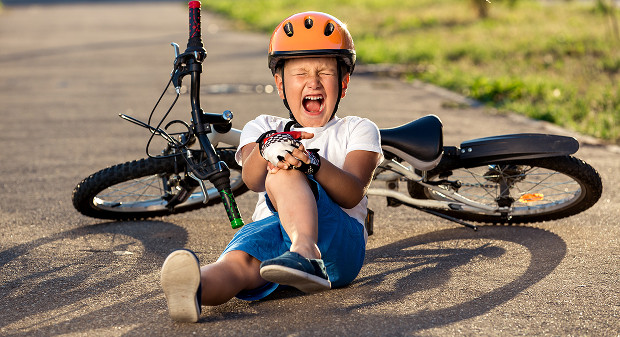
Основной причиной появления гематом является механическая травма у ребенка. Ноги наиболее уязвимы, так как принимают на себя основную нагрузку при движении и первыми контактируют с препятствиями при падениях.
Удар, падение, ушиб
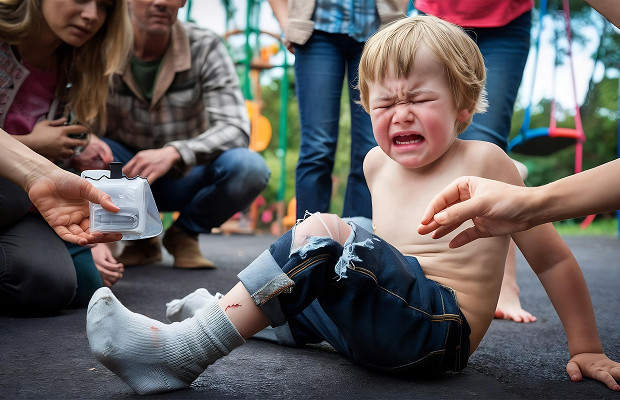
Самый распространенный сценарий — это ушиб ноги при падении с велосипеда, самоката или просто во время бега. Прямой удар о твердый предмет (угол стола, качели, бордюр) приводит к тому, что мягкие ткани придавливаются к кости. В этот момент происходит разрыв сосудов и формируется гематома на ноге.
Активные игры и спортивные нагрузки
Сильный ушиб образуется при столкновении с другим ребенком или неудачном падении. Так появляется ушиб мягких тканей, при котором внешние повреждения кожи могут быть минимальными, а внутреннее кровоизлияние — серьезными.
Гематома без заметной травмы: когда это повод насторожиться
Иногда родители замечают, что появилась гематома на ноге у ребенка, хотя факта падения или удара не было. Если подобные явления повторяются часто, это требует обязательной консультации с педиатром. Кровоизлияния без причины могут указывать на хрупкость сосудистых стенок или нарушения в системе свертывания крови.
Как выглядит гематома на ноге у ребенка
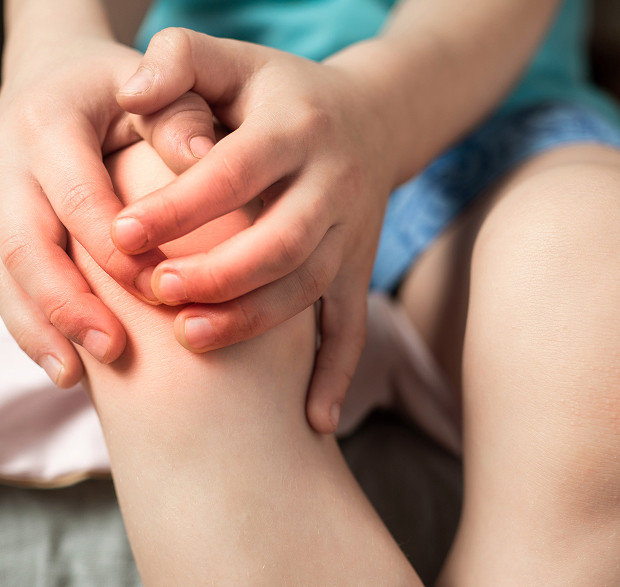
Внешний вид повреждения зависит от глубины залегания крови и силы удара. Важно оценивать совокупность признаков, чтобы вовремя заметить осложнения.
Основные внешние признаки
Первый признак — это изменение цвета кожи: гематома может быть багровой, синей или почти черной. Подкожная гематома обычно выглядит как заметный «бугор» или шишка.
Боль, отек и ограничение движений
Припухлость и отек ноги в месте травмы развиваются в течение первых часов. Из-за давления крови на ткани возникает ограничение движений: ребенку трудно полностью согнуть ногу в колене или голеностопе. Боль носит распирающий характер и усиливается при пальпации (ощупывании) места ушиба.
Что может говорить о глубокой или большой гематоме
Если гематома мягких тканей располагается глубоко в мышцах, кожа может не посинеть сразу. О глубоком повреждении говорят выраженное напряжение тканей, сильный отек всей конечности и интенсивная боль, от которой ребенок может просыпаться ночью.
Первая помощь при гематоме на ноге
Своевременная первая помощь при ушибе сокращает срок заживления и уменьшает объем излившейся крови.
Холод в первые часы после травмы
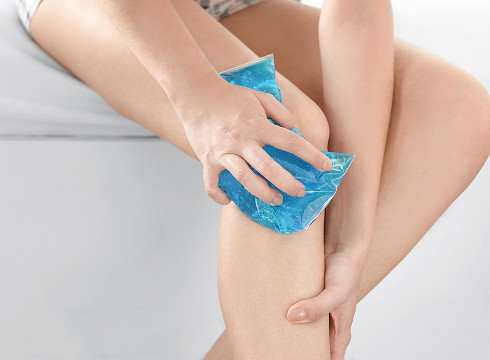
Холод при ушибе — это ключевой элемент помощи. Приложите пакет со льдом к ноге на 10–15 минут.
Покой и приподнятое положение ноги
Приподнятое положение ноги уменьшает отек. Лимфа и кровь отходят от раны, из-за этого снижается боль.
Чего делать нельзя
- Не грейте место ушиба в первые сутки (это расширит сосуды и усилит кровоизлияние)
- Не делайте массаж травмированной ноги
- Не накладывайте тугую повязку без консультации врача
- Не используйте мази с разогревающим эффектом
В течение двух следующих дней наблюдайте за ребенком. Если отек не уменьшается, а боль не проходит, обратитесь к врачу.
Общая информация
Когда нужно показать ребенка врачу
Большинство детских травм проходят бесследно, но в некоторых случаях промедление опасно. Родителям нужно знать четкие критерии, когда обращаться к врачу.
Усиление боли и нарастающий отек
Если на фоне покоя и холода боль не утихает, а продолжает нарастать, это плохой признак. Быстро увеличивающийся отек ноги, который распространяется на соседние участки, может сдавливать крупные нервные стволы и магистральные сосуды.
Ребенок не может наступать на ногу
Если после падения ребенок категорически отказывается вставать на ногу или сильно хромает, это повод сделать рентген. Гематома может сопровождать трещину кости или перелом, который не всегда виден визуально при осмотре.
Частые синяки или гематомы без причины
Если появляются повторные синяки, возникающие без причин, обратитесь к педиатру. Это симптом более серьезных заболеваний.
Для удобства родителей ниже представлена таблица для быстрой оценки ситуации.
| Признак | Обычная гематома | Повод обратиться к врачу |
|---|---|---|
| Боль | Умеренная, постепенно уменьшается | Сильная, пульсирующая, нарастает |
| Отек | Небольшой, локальный | Быстро увеличивается, захватывает голень или стопу |
| Подвижность | Сохранена, легкий дискомфорт | Ребенку больно наступать, суставы не гнутся |
| Цвет | Меняется постепенно (синий-желтый) | Гематома резко расширяется, кожа бледнеет |
| Общее состояние | Без изменений | Вялость, повышение температуры, озноб |
После того как острый период прошел, начинается стадия восстановления тканей.
Сколько обычно заживает гематома
Время заживления напрямую зависит от размера повреждения. Небольшой синяк на ноге исчезает за 7–10 дней. Крупная гематома у ребенка может рассасываться до 3 недель. В этот период кровоподтек проходит через несколько цветовых стадий: синий, фиолетовый, бурый, зеленый и, наконец, желтый.
Как снизить риск повторного ушиба
Полностью защитить ребенка от падений невозможно, но реально снизить травматичность:
- Подбирайте обувь с нескользящей подошвой и хорошей фиксацией голеностопа
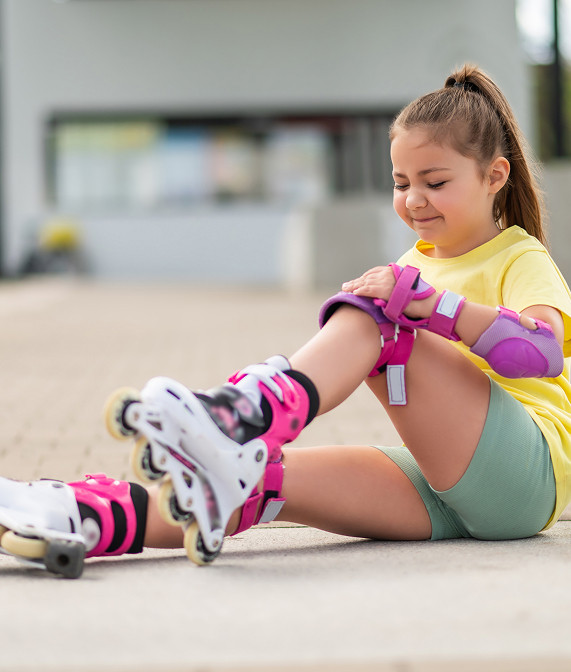
- Используйте наколенники при катании на роликах или скейтборде
- Уберите скользкие коврики, закройте острые углы мебели мягкими накладками
- Объясняйте ребенку правила безопасности при игре на детских площадках
Часто задаваемые вопросы
Сколько заживает гематома на ноге у ребенка?
Можно ли греть гематому в первые сутки?
Когда гематома на ноге опасна?
Что делать, если синяк появился без заметной травмы?
Если удара не было, а гематома на ноге у ребенка появилась, нужно проконсультироваться с педиатром и сдать базовые анализы крови.
Следите за состояние ребенка. Если что-то смущает, обращайтесь к врачу.


Такая награда выдаётся клиникам с самым высоким рейтингом по оценкам пользователей, большим количеством обращений с данной площадки, при отсутствии критичных нарушений.

Такая награда выдается клиникам с самым высоким рейтингом по оценкам пользователей. Она означает, что место знают, любят и сюда точно нужно зайти.

Портал ПроДокторов собрал 500 тысяч отзывов, составил по ним рейтинг врачей и наградил лучших. Гордимся, что среди награжденных есть наши врачи.
Запишитесь на прием в удобное время на ближайшую дату
Стоимость
Другие услуги

Запись к врачу


Наши клиники


Приложение «Личный кабинет К+31»











Что такое гематома и чем она отличается от обычного синяка
Синяк — это мелкое капиллярное кровоизлияние в верхних слоях кожи. Гематома у ребенка — скопление крови в тканях, которое образуется при разрыве крупных сосудов.
Как образуется гематома
При сильном механическом воздействии происходит повреждение сосудов под кожей, в мышцах или под надкостницей. Кровь вытекает из русла и заполняет естественные пустоты или расслоенные ткани, образуя полость. В результате появляется выраженная припухлость, а кожа над этим местом быстро меняет цвет. Скопившаяся кровь сдавливает нервные окончания, что вызывает боль в ноге и дискомфорт.
Когда синяк считается вариантом нормы
Небольшие синяки на голенях и коленях — это нормально. Если нет отека и ребенок нормально бегает, обращаться к врачу не нужно: такие пятна проходят самостоятельно.