Olecranon Fracture in Children: Treatment, Symptoms, Recovery

Hand injuries are common in early childhood due to the intense activity of children and adolescents during play. One serious orthopedic problem is an olecranon fracture in children, which requires a competent medical approach. This anatomical area is vulnerable to falls. Every identified olecranon fracture requires medical supervision.

Timely and proper treatment of an olecranon fracture helps avoid complications and restore full functionality to the injured limb.

Best specialists
Best
specialists
Expert equipment
Expert
equipment
Advanced diagnostic treatment
Advanced diagnostic
treatment
Sign up
Fill out the entry form on the page and we will call you back
Sign up Позвонить
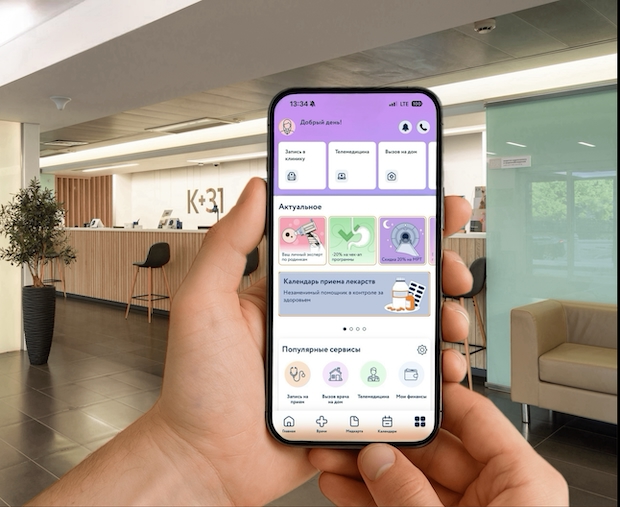
Download the application “Personal Account K+31”
Everything about your health in one click!
Subscribe to social networks K+31
To keep up to date with current offers and receive useful advice about your health.

What is the olecranon and why does it get injured in children?

The olecranon is the upper, massive part of the ulna. It can be easily felt under the skin on the back of the joint. The strong triceps tendon, which helps straighten the elbow, attaches to the protruding area. Due to its anatomical location, this area is particularly vulnerable to a direct blow or a fall on a bent arm.

This type of childhood injury often occurs during:

  • Sports training
  • Roller skating
  • Trampoline jumping

It is important to understand that the bone tissue of a growing organism has fragile cartilaginous growth plates. Therefore, it is very easy to damage the olecranon, and such injuries require special care during examination.

What is the olecranon and why does it get injured in children?

How to recognize an olecranon fracture in a child
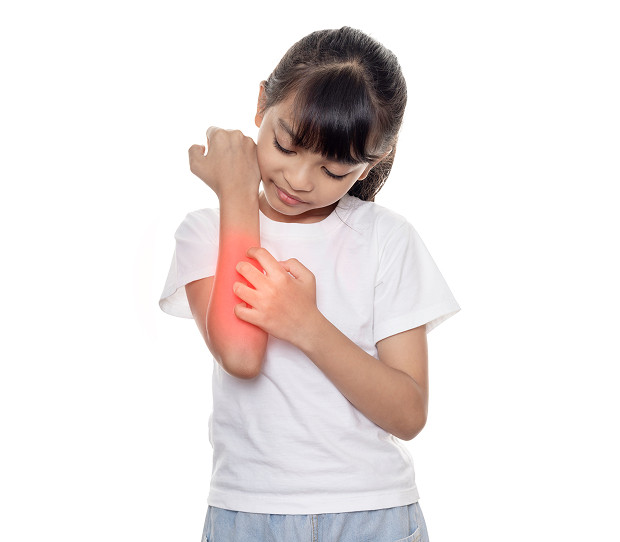
A child can recognize a serious bone injury by a number of characteristic signs immediately after physical impact. In such a situation, it is important for parents to remain calm and carefully assess the overall condition of the injured arm.

Timely recognition of elbow fracture symptoms in children allows them to seek qualified medical attention more quickly. This significantly reduces the risk of severe functional consequences in the future.

Main symptoms of injury

Immediately after a bad fall, the child experiences severe pain, which intensifies with movement of the hand or forearm. Swelling quickly appears in the area of ​​the injury. Joint:

  • Becomes swollen
  • Tense
  • May be warm to the touch

The child often holds the injured arm close to the body and supports it with the other hand to reduce elbow movement. Flexion and extension are usually very difficult with this type of injury.
Signs of Displacement and Danger Symptoms

The situation becomes significantly more complicated if the fragments of the broken bone have moved out of their normal anatomical position. A displaced elbow fracture is often accompanied by visible deformation of the joint contours and the appearance of extensive subcutaneous hemorrhages. The following are considered extremely dangerous signs:

  • Numbness in the fingers
  • A crawling sensation
  • Paleness or pronounced blueness of the hand

This clinical picture indicates possible compression of nerve trunks or blood vessels.

What to do before seeing a doctor

How to immobilize an arm

Proper temporary immobilization helps prevent further injury to internal tissues from sharp bone edges. An improvised splint made from readily available hard materials, such as thick cardboard or a flat board, is suitable for immobilization.

The injured arm should be carefully suspended in a sling in the exact position it is currently in. After this, ensure complete weight-bearing restriction and carefully transport the child to the emergency room.

What not to do if you suspect a fracture

Certain rash actions can seriously aggravate the injury and complicate further work by specialized specialists. It is strictly forbidden to attempt to correct the deformity yourself, tug on the forearm, or use force to straighten the arm. Do not:

  • Massage the injured area
  • Apply warming ointments
  • Apply heat compresses

Any aggressive manipulation can provoke secondary displacement and rupture important blood vessels.

General information

Diagnosing an Olecranon Fracture

An accurate and precise diagnosis is only possible in a well-equipped medical facility. A specialized pediatric traumatologist conducts a comprehensive examination to determine the exact nature and severity of the injury. A detailed diagnosis is necessary to select the most optimal treatment strategy for a specific patient.

Traumatologist Examination

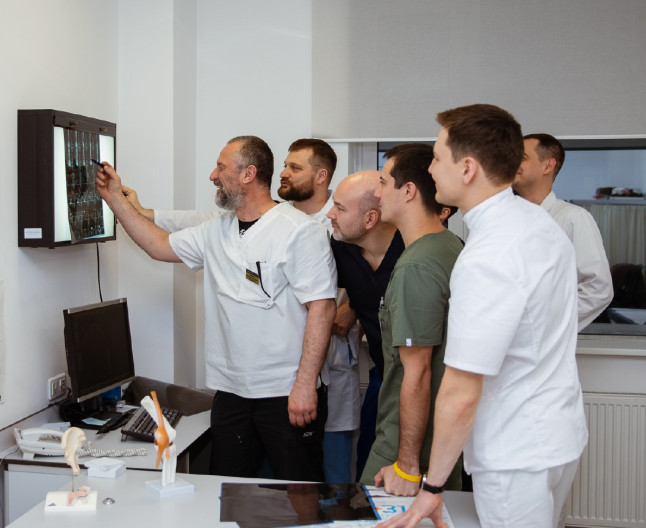
Upon admission to the clinic's emergency department, the doctor conducts a careful visual examination and gentle palpation of the injured area. The specialist:

  • Detailedly assesses the degree of swelling
  • Be sure to check finger sensitivity
  • Checks the pulse in the wrist arteries

This comprehensive approach allows for the early diagnosis of hidden damage to nerves and major vessels. By assessing the visible symptoms of an elbow fracture in children, an orthopedist forms a preliminary medical opinion.

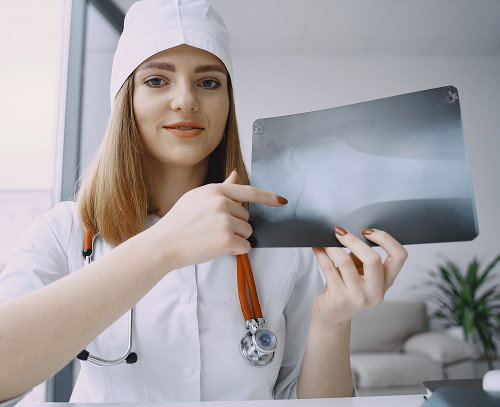
X-ray of the elbow in two projections

Classical radiographic diagnostics remains the gold standard for reliable diagnosis in such situations. A properly performed X-ray of a child's elbow allows the doctor to accurately visualize the fracture line and count the number of bone fragments. Images are always taken in the anteroposterior and lateral projections to obtain a complete three-dimensional image of the joint. High-quality X-rays allow us to confirm the initial diagnosis and measure the degree of divergence of the fragments.

When additional examination methods are needed

In some complex or unusual clinical situations, standard X-rays may not be sufficient for decision-making. If the fracture line passes directly through the cartilaginous growth plate, the doctor may order a computed tomography (CT) scan. Magnetic resonance imaging (MRI) is used less frequently, mainly when there is a reasonable suspicion of concomitant ligamentous ruptures. These modern methods help doctors plan treatment for olecranon fractures as effectively and safely as possible.
Diagnosing an Olecranon Fracture

Treatment of Olecranon Fractures in Children

The choice of medical approach depends directly on the results of radiographic diagnostics and the exact age of the young patient. Before treating an olecranon fracture, the doctor carefully analyzes the joint stability and assesses the risks to the bone growth plates.

The main goal of any therapy is to carefully restore the anatomical integrity of the structures and normal function of the limb. When an olecranon fracture is diagnosed, treatment may include both conservative and surgical approaches.

Conservative Treatment without Surgery

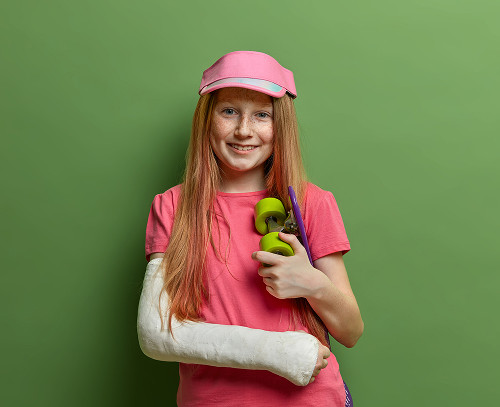
If the examination confirms an olecranon fracture with no or minimal displacement of the fragments, treatment usually begins with a conservative approach. A plaster cast or lightweight polymer splint is applied to the arm.

Reliable immobilization of the elbow is necessary to limit movement, reduce tissue stress, and create conditions for bone healing. Most often, the joint is immobilized in a position with slight forearm flexion.

When is surgery required?

Surgical intervention becomes absolutely necessary if the fragments of the damaged bone have separated significantly. In such situations, olecranon fracture surgery allows the surgeon to visually and accurately realign the fragments, securing them securely.

This procedure is called open reduction and osteosynthesis, and special medical metal pins are often used for secure fixation. If a severe displaced elbow fracture is diagnosed, surgery is indicated to restore joint stability.

Immobilization, pain relief, and monitoring

Regardless of the chosen initial method, the patient is prescribed safe medications for pain relief. During the natural healing process, routine follow-up imaging is performed regularly to allow doctors to monitor the progress of bone consolidation.

The specialist strictly ensures that the applied plaster cast does not compress the soft tissues or impair normal local blood circulation. Temporary immobilization lasts exactly the number of weeks necessary for safe and complete primary healing.

For clarity and understanding, it's worth reviewing the main approaches to medical care. The table below presents the key differences between the various treatment approaches.

When it is used What it includes Advantages Important aftercare
Bone fractures, joint injuries without obvious separation of fragments. External fixation with a plaster or polymer splint, adequate pain relief. No surgical risks, completely painless cast application. Strictly adhere to the prescribed cast wearing period, gradually begin physical therapy.
Severe fragment separation, general instability, compromised joint function. Precise fragment repositioning by the surgeon, internal osteosynthesis with pins. Ideal bone alignment, faster return to passive motion. Meticulous postoperative wound care, subsequent planned pin removal.
Treatment of Olecranon Fractures in Children

Recovery and Rehabilitation

Successful anatomical bone fusion is only the first important step on the long road to a patient's full recovery. Proper recovery after an elbow fracture requires time, perseverance, and strict, daily adherence to all medical recommendations.

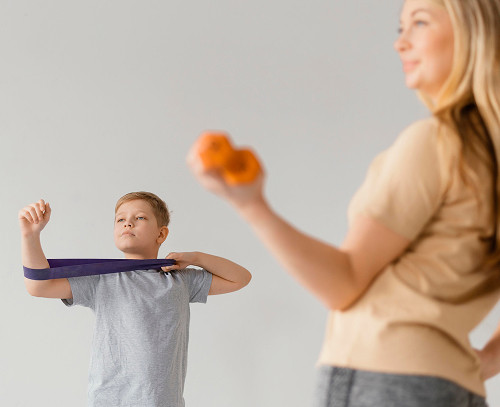
It is important for parents to understand that after a long period of forced rest, the joint requires a gradual return to normal. Proper recovery after an elbow fracture includes physical therapy and helps avoid persistent stiffness.

Physical Therapy and Elbow Exercises

As soon as the treating orthopedist officially clears the patient to remove the cast, the most active phase of recovery begins. Specially tailored physical therapy (physiotherapy) is the primary and most effective tool for restoring full range of motion.

Initially, exercises should be performed under the strict supervision of an instructor, smoothly and without jerking. Gradual and regular rehabilitation after an elbow injury strengthens atrophied muscles and restores ligament elasticity.

Follow-up examinations and restrictions

For several months after the cast is removed for a child's elbow fracture, the patient should regularly visit an orthopedist for monitoring. Mandatory temporary restrictions on elbow movement are prescribed, including those related to strenuous physical activity, lifting heavy objects, and hanging from a horizontal bar.

These restrictions are necessary to prevent the still-fragile young bone callus from being subjected to dangerous excessive pressure. Strict adherence to these simple rules guarantees a full and safe recovery.

Recovery and Rehabilitation

Frequently Asked Questions

How is an olecranon fracture treated in a child?

The treatment strategy depends on the appearance of the olecranon fracture and whether it is displaced. Sometimes immobilization and observation are sufficient, but in more complex cases, surgery is necessary. The decision is made by a traumatologist after an examination and X-rays, as it is important to restore the elbow joint without risking limited motion. If mobility is reduced, contractures can develop, so rehabilitation is often required after the primary treatment.

When can I return to sports?

Only after a doctor's approval, a follow-up examination, and restoration of pain-free mobility. Returning to physical activity prematurely is not recommended.

Preventing Recurrent Injuries

It is physically impossible to completely prevent all accidental falls in childhood, but it is quite possible to reduce the likelihood of serious consequences. Calm, explanatory work with the child and adherence to basic safety precautions play an important preventative role. Properly selected equipment during active sports will reliably protect vulnerable areas from direct impacts.

How to Reduce the Risk of Elbow Injury in Children

When rollerblading, riding a scooter, or cycling, children need protective elbow pads. They reduce the risk of a direct blow to the joint during a fall. It's important to explain in advance how to tuck and avoid extending straight arms. Strengthening exercises are also helpful: the better the coordination and muscle control, the lower the risk of injury.

As a pediatric traumatologist notes:

"In pediatric traumatology, it is important not only to heal the bone correctly but also to maintain the mobility of the elbow joint. Therefore, treatment is always individualized, taking into account the displacement, the child's age, and the stability of the fracture."

Attention to the child's complaints and prompt referral to a doctor help avoid complications and begin treatment more quickly. With this type of injury, external signs alone are inappropriate. The decision is made by a specialist after an examination and testing. Treatment for an olecranon fracture is individualized to ensure proper healing and the child's ability to return to normal activities.

Our doctors

Polovnikova (Kroshkina) Valeria Alexandrovna
Experience 15 years
Make an appointment
Polovnikova (Kroshkina)
Valeria Alexandrovna
Traumatologist-orthopedist, pediatric
Lopatin Kirill Alexandrovich
Experience 16 years
Make an appointment
Lopatin
Kirill Alexandrovich
Traumatologist-orthopedist, pediatric
All specialists
2GIS Award
2GIS Award

This award is given to clinics with the highest ratings according to user ratings, a large number of requests from this site, and in the absence of critical violations.

«Good place» according to Yandex

This award is given to clinics with the highest ratings according to user ratings. It means that the place is known, loved, and definitely worth visiting.

Our doctors are laureates of the ProDoctors Award

The ProDoctors portal collected 500 thousand reviews, compiled a rating of doctors based on them and awarded the best. We are proud that our doctors are among those awarded.

Make an appointment at a convenient time on the nearest date

Price

Initial appointment with a pediatric traumatologist-orthopedist
from 8 950 ₽
Follow-up appointment with a pediatric traumatologist-orthopedist
from 7 950 ₽

Other Services

Treatment of hip sprain in a child Ankle injury in a child: treatment and recovery Calf muscle strain in children: symptoms and treatment Treatment of sprains in children: symptoms, first aid and recovery Treatment of pectoral muscle strain in children Treatment of muscle strains in children Hip sprain in children: symptoms and treatment Sprained Foot in Children: Treatment, Symptoms, First Aid, and Recovery Treatment of Achilles tendon strain in children First aid for bleeding in children: how to act quickly and safely Neck Strain in Children: Symptoms, Treatment, and Recovery Subungual hematoma in children: symptoms, first aid, and treatment in Moscow Wrist sprain in a child: symptoms, treatment, and recovery Subcutaneous hematoma in a child: symptoms, treatment, and first aid Treatment of the consequences of trauma in children Orthopedic rehabilitation for children in Moscow: recovery from injuries, surgeries, and musculoskeletal disorders Reduction of subluxations and dislocations in children Plaster cast application for a child: procedure, types of casts, and care Treatment for a child's shoulder sprain Soft tissue hematoma in a child: symptoms, first aid, and treatment Application of an immobilization bandage to children Swelling after a bruise in a child: treatment and first aid Hip contusion in a child: symptoms, first aid, and treatment Head injury in children: treatment, symptoms, and first aid Chest contusion in a child: symptoms, first aid, and treatment A child's post-injury hematoma: how to treat it, when to see a doctor, and what to do in the first few hours Hematoma on a child's arm: causes, symptoms, and treatment Treatment of a child's hand contusion: symptoms, first aid, and recovery Hematoma on a child's finger: first aid, treatment, and when to see a doctor Knee contusion in a child: treatment, symptoms, and first aid Bruised tailbone in a child: symptoms, first aid, and treatment in Moscow Elbow bruise in a child: symptoms, first aid and treatment Bruised leg in a child: symptoms, first aid and treatment Hematoma on a child's leg: causes, symptoms, first aid, and treatment Hematoma on a child's face: causes, first aid, and treatment in Moscow Treatment of groin strain in children Bruised nail in a child: treatment, first aid, symptoms, and recovery Hematoma on the head of a child: treatment and symptoms Eye hematoma in a child: treatment, first aid, and when to see a doctor Bruised ribs in children: treatment, symptoms, and first aid Back strain in children: symptoms, treatment, and recovery Soft tissue contusion in a child: symptoms, first aid, and treatment Treatment of a joint contusion in a child in Moscow: symptoms, first aid, diagnosis, and recovery Bruised nose in a child: treatment, first aid, and when to see a doctor Bruised Foot in a Child: Symptoms, First Aid, and Treatment in Moscow Bruised finger in a child: treatment, first aid, and when to see a doctor Back injury in a child: symptoms, first aid, and treatment in Moscow Bruised arm in a child: symptoms, first aid, and treatment Shoulder contusion in a child: symptoms, first aid and treatment Bruised ribs in children: symptoms, treatment, and first aid Treatment of fractures in children in Moscow Treatment of a jaw fracture in a child Compression fracture of the thoracic spine in children: treatment, diagnosis and recovery Humeral neck fracture in children: treatment, symptoms, and recovery Coccyx fracture in children: symptoms, treatment, and recovery Treatment of a broken nose in a child Patella fracture: treatment in children Sacral fracture in children: symptoms, diagnosis and treatment Treatment of metatarsal fractures in children Zygomatic bone fracture in a child: symptoms, diagnosis, treatment and recovery Conservative treatment of fractures in children: how is treatment performed without surgery? Functional method of treating fractures in children 24-hour trauma care for children: when urgent help is needed Clavicle fracture in a child Fracture of the tibial condyles in children Emergency traumatology for children: urgent care for injuries Pubic bone fracture in a child Sciatic bone fracture: treatment in children Treatment of humeral fracture in children Sternal fracture in children Treatment of tibia fracture in children Foot fracture in a child Cervical vertebrae fractures in children
Make an appointment

Appointment to the doctor
Fill out the form, our managers will contact you within 15 minutes
Почему К+31?
К + 31 — full-cycle multidisciplinary medical centers, including the possibility of providing medical services of European quality level.
К + 31 — are leading doctors and diagnostics using high-tech equipment from world manufacturers (Karl Storz, Olympus, Siemens, Toshiba, Bausch&Lomb, Technolas, Zeiss, Topcon).
К + 31 — is ethical. The staff of K+31 clinics maintain open relationships with patients and partners. An individual approach to each patient is the basis of our service standards.
К + 31 — is modernity. On call 24/7: call center operators will answer your questions at any time and book you an appointment with doctors. Contact us by phone, through the feedback form on the website and Max.

Our clinics

Address K+31 on Lobachevskogo

st. Lobachevskogo, 42/4

Contacts

+7 499 999-31-31

Opening hours

Mon-Fri: 08:00 – 21:00
Weekend: 09:00 – 19:00
Didn't find the service you were looking for?

Экстренная помощь