
Traumatic Brain Injury in Children: Treatment, Symptoms, and Recovery
This is damage to the skull and brain. Children often suffer such injuries due to their active lifestyle. Treatment for traumatic brain injury is a lengthy process and requires special attention from parents. Treatment is prescribed by a pediatrician, neurologist, and neurosurgeon.

specialists

equipment

treatment




What is a traumatic brain injury in a child?
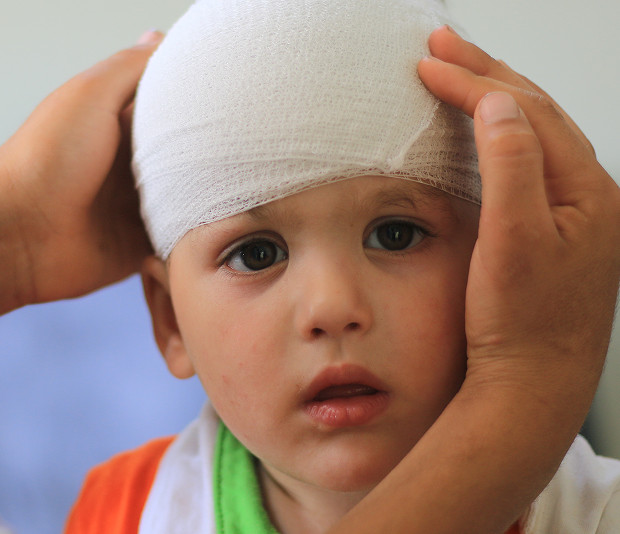
These are changes that occur as a result of physical impact on the head. This could be a blow, a fall, a collision, or sudden acceleration/deceleration (for example, in a car accident or a strong shake).
Traumatic brain injury in children is often accompanied by hidden changes. These changes don't appear immediately, but rather after several hours or even days. As a result, you lose precious time while negative changes are already occurring in the body.
Why childhood requires a special approach
The skull bones in children are more elastic and soft, and the sutures between them may not be fully ossified. On the one hand, this provides excellent shock absorption, but on the other, impacts affect the deep structures of the brain.
Furthermore, a child's brain contains more water. Myelination (the formation of protective sheaths around nerve fibers) is not yet complete, meaning brain tissue swells more.
This is why TBI in a child is considered an insidious condition that requires mandatory medical monitoring even in the absence of obvious injuries.

Main Types of TBI
Traumas can be closed (without damage to the skull bones or skin) or open. Depending on the nature of the brain damage, the following types are distinguished:
- Concussion in a child. This is the mildest form. It is important to remember that with this type of injury, there is virtually no structural tissue damage, but the connections between neurons are still disrupted.
- Cerebral contusion. A severe condition in which foci of brain tissue destruction, hemorrhage, and swelling occur. Contusions can be mild, moderate, or severe.
- Cerebral compression. This occurs due to the formation of hematomas (blood accumulations) or edema. These injuries increase intracranial pressure and displace brain structures.
- Traumatic axonal injury. Characterized by microscopic ruptures of nerve cell processes throughout the brain, often leading to prolonged coma.
Symptoms of traumatic brain injury in children
It all depends on the age and severity of the injury. Symptoms of a traumatic brain injury aren't always immediately apparent. After a blow, a child may play and have fun, but after a while, their condition worsens. This condition is called a lucid interval and is especially characteristic of intracranial hematomas.
Signs of a Mild Form
Mild head trauma most often presents as a concussion. Common complaints include:
- Brief loss of consciousness (may be absent or unnoticed in children)
- Complaints of a headache (the headache may be throbbing or pressing)
- Single or double vomiting
- Pale skin, alternating with redness
- Dizziness and general weakness
The child often becomes cranky, refuses to eat, and has sleep disturbances. These symptoms usually subside within a few days with careful monitoring.
Dangerous symptoms that require immediate medical attention
There are symptoms that shouldn't be ignored. If you notice any of the following in your child, call 911 immediately:
- Loss of consciousness, even if the child is unconscious for a few seconds
- Repeated vomiting without nausea (this is the body's attempt to relieve stress on the brain)
- A severe headache that makes the child cry and cannot stop
- Drowsiness: the child constantly wants to sleep, cannot be awakened, speaks and thinks very slowly
- Convulsions and involuntary twitching of the limbs or a glazed look appear
- The child's pupils are different sizes and react differently to light
- The child's gait has become unsteady, their legs are stumbling, and speech is slurred
- Clear fluid is draining from the nose or ears (cerebrospinal fluid) or blood.
These symptoms indicate a risk of cerebral edema or hemorrhage, which requires emergency hospitalization.
Characteristics of Symptoms in Infants and Toddlers
An infant may not complain of dizziness or nausea. The main markers of brain damage are:
- Loud crying
- Bulging and straining of the anterior fontanelle
- Frequent spitting up (projectile regurgitation)
- Refusal to breastfeed or bottle-feed
- Drowsiness or, conversely, excessive agitation
Children under 3 years of age often react to trauma with a rise in body temperature to subfebrile levels (37.2–37.5°C). Any unusual behavior after a fall from a crib or changing table should prompt a doctor's examination.
General information
TBI Diagnosis in a Child
A comprehensive TBI diagnosis begins immediately upon arrival at the hospital or during an appointment with a specialist. The main goal is to rule out life-threatening conditions and determine treatment options.
Examination and Neurological Assessment
The initial examination is performed by a pediatric neurologist or neurosurgeon. The doctor checks:
- Pupil symmetry and how they react to light
- Reflexes and muscle tone
- Motor coordination
- Level of consciousness according to the Glasgow Coma Scale (adapted for children)
The doctor also asks the parents about amnesia—whether the child remembers the moment of the fall and the events preceding it.
When CT and MRI are prescribed
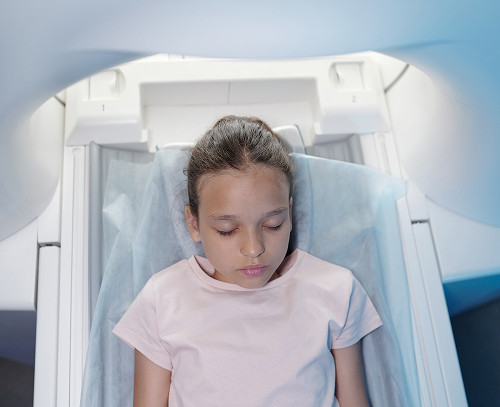
In situations where it is necessary to check for bone damage or the presence of blood inside the skull.
A CT scan of the brain is an emergency diagnostic method. The images can show fresh blood and skull fractures.
An MRI of the brain is usually prescribed later or in the subacute period. Magnetic resonance imaging is more informative for identifying small foci of contusion, diffuse axonal damage, and assessing the condition of soft tissues over time.
Additional examination methods
The diagnosis is based on the following examinations:
- Neurosonography (NSG). This is an ultrasound of the brain through the open fontanelle in infants.
- Skull X-ray. This is performed to rule out cracks and fractures of the cranial vault.
- Echoencephaloscopy (Echo-ES). An ultrasound method for determining the displacement of midline brain structures (if a space-occupying process is suspected).
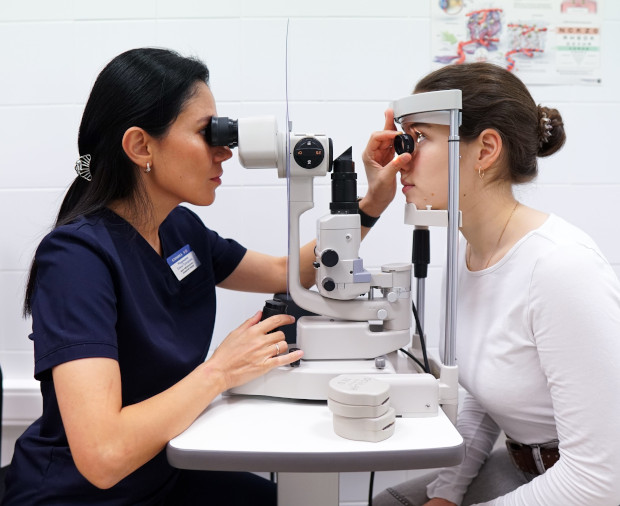
- Fundus examination. The ophthalmologist looks for signs of congestion on the optic discs.

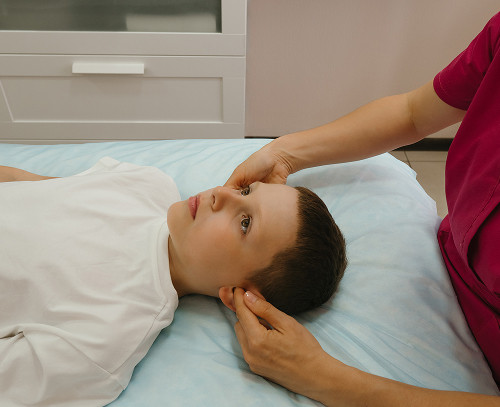

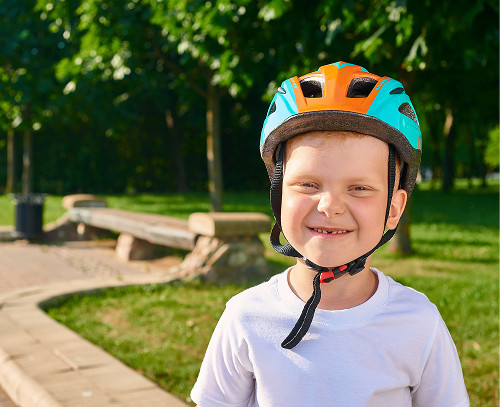

Any head injury involving a blow to a hard surface or a fall from a height greater than the child's height should be evaluated by a specialist.
Symptoms You Shouldn't Ignore
For parents' convenience, here's a checklist of warning signs:
- The child has lost consciousness (even momentarily)
- Vomited more than once
- Pupils are different sizes
- The child doesn't remember what happened
- Unusual drowsiness or lethargy is observed
- Facial asymmetry or speech impairment has developed
- Bleeding from a head wound that is difficult to stop
If you notice any of these signs, don't wait until the morning – go to the pediatric surgery emergency room or call an ambulance.
Comparison table of TBI types
For clarity, the main characteristics of the injuries are summarized in the table:
| TBI type | Main symptoms | What to do | What the doctor evaluates |
|---|---|---|---|
| Mild (concussion) | Short-term headache, nausea, lethargy, possible short-term Stupor | Observation at home (after examination) or in hospital, rest | Neurological status, cognitive functions |
| Moderate (mild/moderate contusion) | Repeated vomiting, severe weakness, dizziness, amnesia, prolonged headache | Urgent examination, mandatory hospitalization | Focal symptoms, indications for CT/MRI |
| Severe (brain contusion, compression) | Loss of consciousness (> 5 min), seizures, speech impairment, paresis, respiratory instability | Immediate assistance, call an ambulance | Emergency neuroimaging (CT), neurosurgical examination |
Frequently Asked Questions
Is it possible to observe the child first and only then call an ambulance?
When can I return to school and sports?
What is the most dangerous consequence of a TBI?
Intracranial pressure. The child may feel fine until the volume of escaping blood becomes critical and begins to compress the brain.
"From the practice of a pediatric neurologist: even after a mild blow to the head, a child's symptoms can worsen over several hours, so not only an initial examination but also careful observation over time is important. Parents should remember that outward well-being immediately after an injury does not preclude delayed complications."
Traumatic brain injury in children is very dangerous. Diagnosis and proper treatment of TBI are key to preserving the child's health and intellectual abilities in the future.



This award is given to clinics with the highest ratings according to user ratings, a large number of requests from this site, and in the absence of critical violations.

This award is given to clinics with the highest ratings according to user ratings. It means that the place is known, loved, and definitely worth visiting.

The ProDoctors portal collected 500 thousand reviews, compiled a rating of doctors based on them and awarded the best. We are proud that our doctors are among those awarded.
Make an appointment at a convenient time on the nearest date
Price
Other Services

Appointment to the doctor



Our clinics


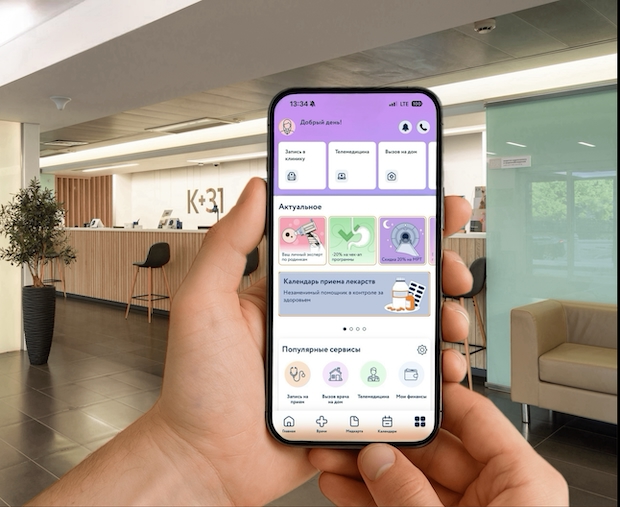
Application “Personal Account K+31”










First aid for traumatic brain injury
The child's health depends on how quickly you respond.
What should parents do?
What not to do before a doctor's examination
Until the paramedics arrive, do not give your child any painkillers (analgesics), as they may obscure the clinical picture and mask the progression of symptoms. Do not allow your child to move actively, run, or play. It is also not recommended to feed or give the victim much fluid, as vomiting is common with TBI, which can lead to food inhalation.
It is best not to take your child to the hospital yourself. Improper transportation may worsen their condition. It is best to call an ambulance immediately.