Patella fracture: treatment in children

Knee injuries in children are common, but a patellar fracture in childhood is relatively rare compared to ligament or meniscus injuries. Nevertheless, it is a serious injury that requires a qualified approach. Prompt treatment of a patellar fracture can prevent long-term problems with leg mobility and joint development.

Best specialists
Best
specialists
Expert equipment
Expert
equipment
Advanced diagnostic treatment
Advanced diagnostic
treatment
Sign up
Fill out the entry form on the page and we will call you back
Sign up Позвонить
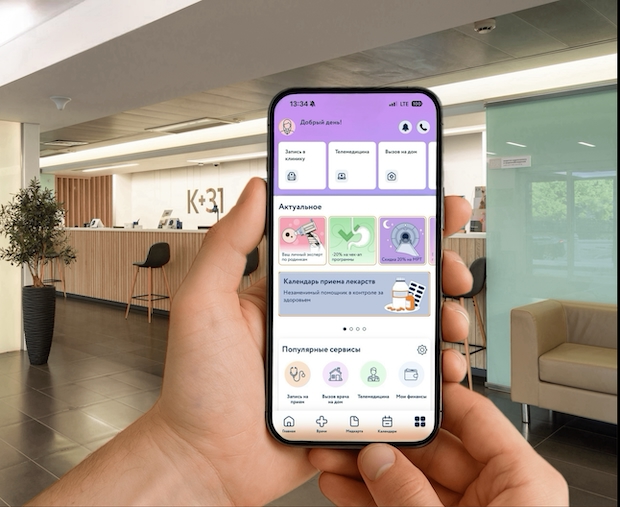
Download the application “Personal Account K+31”
Everything about your health in one click!
Subscribe to social networks K+31
To keep up to date with current offers and receive useful advice about your health.

What is a patellar fracture?

The patella, or kneecap, is a rounded bone located at the front of the knee joint. It serves a protective function and acts as a lever for the muscles of the front of the thigh. It also enables a person to bend and straighten the leg.

A patellar fracture in children is a disruption of this bone's integrity. It usually occurs due to mechanical damage, such as a blow or a fall.

Why the treatment approach differs in children than in adults

The child's skeleton is highly elastic and has significant regenerative potential. In children, the patella remains cartilaginous for a long time and begins to actively ossify only at 5-6 years of age, completing the process by adolescence. Due to the presence of growth plates and the peculiarities of the blood supply, pediatric orthopedic surgeons always choose the most gentle approach to avoid damaging the tissues responsible for the further development of the limb.

Which knee joint structures can be damaged?

When the patella is damaged, the surrounding soft tissues are also at risk. The extensor apparatus, including the quadriceps tendon and the patellar ligament, is often damaged. Damage to the synovial membrane of the joint is also possible, leading to blood accumulation in the joint cavity (hemarthrosis) and severe knee swelling.

What is a patellar fracture?

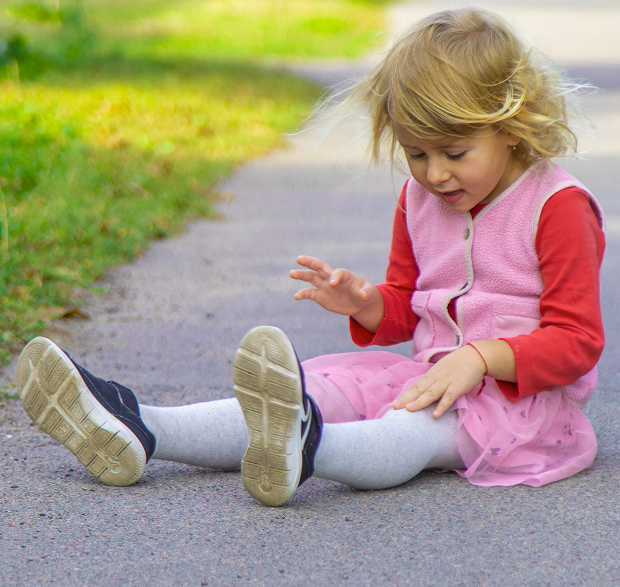
Causes and mechanisms of trauma in children
Causes and mechanisms of trauma in children

The mechanism of injury depends directly on the child's age. Most often, children suffer such injuries during vigorous play or sports.

Falling on the knee

This is the most common scenario. A direct fall onto a bent knee causes the patella to strike a hard surface. In this case, the patella bears the full force of the impact, which can lead to a fracture.

Direct blow or sports injury

Collisions while playing soccer, hockey, or martial arts can cause a patella fracture. Sports injuries often involve a high impact force, which increases the risk of comminuted injuries.

Sudden strain of the extensor mechanism

Sometimes a fracture occurs without a direct blow. When the thigh muscles contract sharply and forcefully, the muscle pulls the patella upward with such force that it can't withstand the load and breaks—a so-called avulsion fracture.
Symptoms and first signs of a fracture

Symptoms and first signs of a fracture

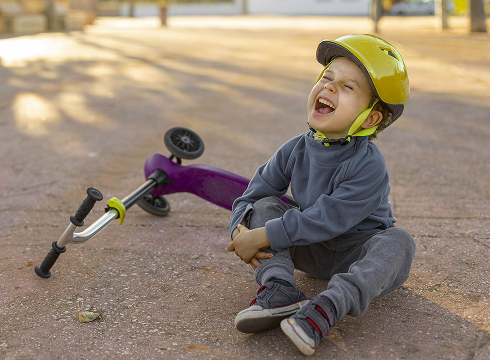
It's important for parents to recognize the symptoms that indicate a serious childhood knee injury, so as not to confuse it with a common bruise.

Pain, swelling, and hematoma

Severe knee pain occurs immediately after the injury. Within two to three hours, parents may notice swelling of the knee. The skin begins to turn blue, and a hematoma forms. The knee visibly enlarges and becomes hot to the touch.

Limping and limited leg extension

The child cannot bear weight on the leg, and a pronounced limp develops. A key symptom is limited extension: the inability to raise a straight leg while lying down or fully extend it. This indicates that the knee extensor apparatus has stopped functioning.

Signs that require urgent care

Some situations require immediate treatment at the emergency room:

  • Visible deformity of the knee joint
  • Presence of an open wound in the knee area
  • Numbness or coldness of the foot
  • Intense knee pain that does not subside with rest
  • Rapidly increasing, distending swelling

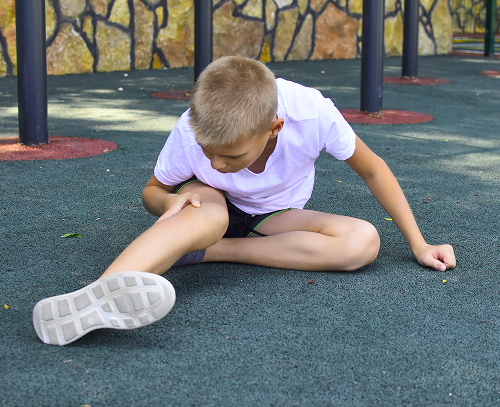
How does a fracture differ from a bruise and other knee injuries?

Differential diagnosis is crucial, as the treatment strategy for different injuries varies.

Bruise and sprain

With a bruise, a child can usually bend and straighten the leg slightly, although this causes discomfort. The pain from a bruise gradually subsides, while with a fracture, it does not subside even with cold application.

Dislocation and damage to the extensor mechanism

A dislocation of the patella is often accompanied by a lateral displacement. A fracture, on the other hand, is characterized by a disruption of the bone structure, which is often accompanied by a bone crunch (crepitus) at the time of injury.

What helps to distinguish a fracture based on examination and imaging?

During palpation, the doctor may feel a "gap" or gap between the fragments if there is a displaced patellar fracture. Instrumental examination methods provide a definitive answer.
How does a fracture differ from a bruise and other knee injuries?

General information

Diagnosing a patellar fracture

Only a specialist can make an accurate diagnosis after conducting a series of tests.

Examination by a pediatric orthopedist

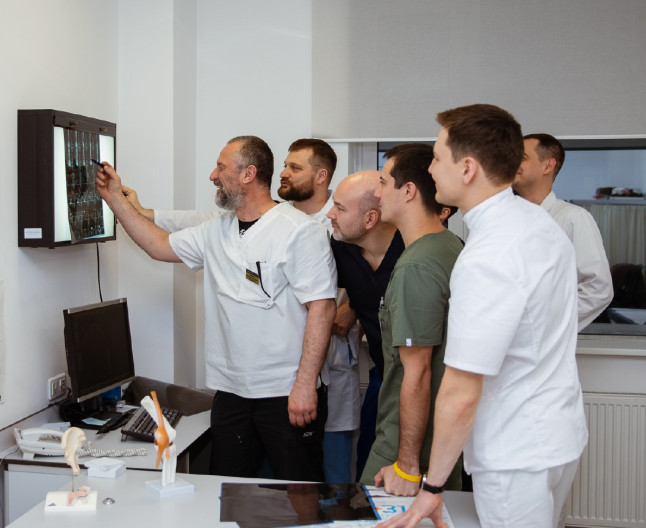
A pediatric orthopedist first assesses the child's range of motion: they need to understand the degree to which the child can bend the leg. Next, they examine the integrity of the ligaments and conduct tests. The doctor also checks the sensation of the limb and the pulsation of the arteries.

Knee X-rays and additional diagnostic tests

The primary diagnostic method is an X-ray of the knee in two projections. This is usually sufficient to confirm a fracture. In complex cases, a CT scan or MRI may be prescribed.

What is important for parents to tell the doctor?

The doctor needs to know: how exactly the knee injury occurred, how quickly the swelling developed, whether the child was able to put weight on the foot immediately after the fall, and whether there have been any previous injuries to this joint.
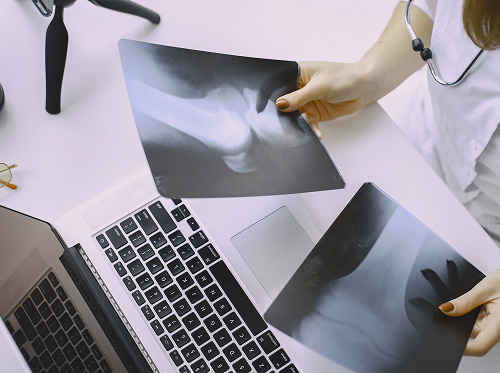
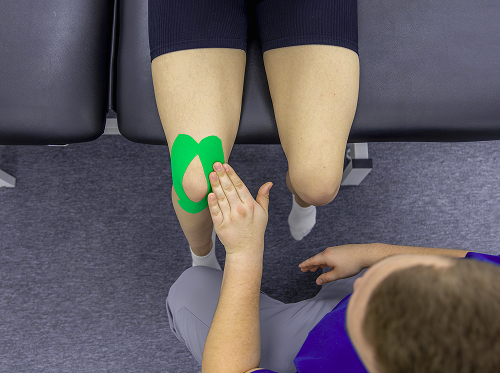
Diagnosing a patellar fracture

Treatment of patellar fractures in children

The choice of method depends on the type of injury and the degree of separation of the bone fragments.

Conservative treatment for a non-displaced fracture

If a non-displaced patella fracture is diagnosed, conservative therapy is used. The main goal is to ensure immobility for bone healing.

When surgery is required for displaced fragments

If displacement of fragments is documented and disrupts the articular surface, surgery is necessary. Osteosynthesis—fusing the fragments together with special pins and wires—is often used in children.

Immobilization, anesthesia, and observation

A plaster splint or a modern rigid orthosis is used for immobilization. Immobilization is necessary for proper tissue healing. Pain relief is provided with age-appropriate dosages of medications in the first days after the injury.

CriteriaFracture without displacementFracture with displacement
TacticsFixation and observationTreatment as indicated, sometimes surgery
Load-weightLimitedLimited for longer
RehabilitationUsually simplerLonger
MonitoringRoutine examinationsMore careful monitoring
Treatment of patellar fractures in children

Rehabilitation and recovery

After the fixation period, the most important stage begins: rehabilitation after a patella fracture.

Healing time and follow-up examinations

On average, primary healing in children takes 3-5 weeks. During this period, a follow-up examination and repeat knee X-rays are required to ensure the bone's stability.

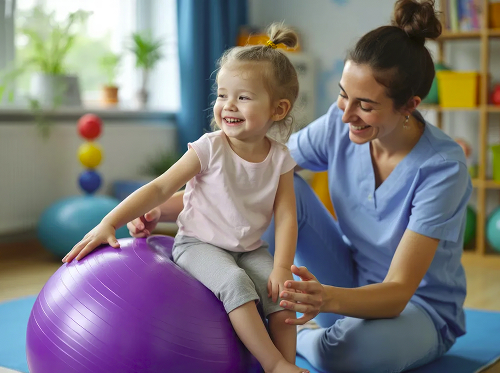
Physical therapy and gradual restoration of movement

After fixation, the knee joint becomes locked due to the child's inactivity for a long time. Physical therapy helps relieve this lock. Special exercises are used to develop the joint and strengthen the thigh and lower leg muscles.

When can I return to sports and active play?

You can return to sports on average 3-6 months after the removal of the fixation. Walking is possible from the first day, but it's important to remember that all movements should be smooth.

"In my practice, in children with patellar fractures, the decisive factor is most often the degree of displacement. If the fracture is stable, we can get by with gentle fixation and observation, but if instability occurs, it's important to act quickly," says a traumatologist and orthopedist.

Rehabilitation and recovery

Possible complications and how to avoid them

Failure to follow recommendations may result in long-term consequences.

Malocclusion

If a child begins to put weight on the leg prematurely, displacement of the fracture fragments may occur during the healing process, leading to unevenness of the joint surface.

Decreased knee mobility

Prolonged immobilization without subsequent joint exercise is a direct path to limited mobility. Without physical therapy, a child may develop chronic joint pain over time, as the joint will wear out faster.

Post-traumatic pain and muscle weakness

Sometimes weather-related pain or muscle weakness persists after a childhood injury. This can be addressed with physiotherapy and massage as prescribed by a specialist.

Possible complications and how to avoid them

What to do before seeing a doctor

Before seeking professional help, parents should follow these steps:

  • Keep the child calm
  • Support the leg in a comfortable position
  • Apply cold with a cloth
  • Avoid putting strain on the knee
  • See a doctor as soon as possible

What not to do

  • Do not attempt to reset the leg yourself
  • Do not massage or warm the knee
  • Do not allow the child to run, jump, or put weight on the injured leg
What to do before seeing a doctor
Prevention of recurrent injuries

After recovery, it's important to prevent a recurrence.

How to reduce the risk of falls and impacts

Using protective knee pads when rollerblading or cycling is the best preventative measure. It's also important to teach your child proper fall technique.

When does your child need a follow-up examination?

It's recommended to see an orthopedist six months and one year after the injury for a follow-up examination and to assess the symmetry of the limbs.

FAQ

Is it possible to treat it without surgery?

Yes, a patellar fracture can be treated conservatively if there is no displacement and extension function is preserved.

How long does recovery take?

Full recovery takes 2 to 6 months, depending on the severity of the injury.

Is a cast or orthosis necessary?

At the initial stage, a plaster cast is often applied; later, the doctor may approve a transition to an orthosis.

When can I resume sports?

Light activity is possible after 2-3 months, but full-scale sports are not expected for at least six months.

Our doctors

Polovnikova (Kroshkina) Valeria Alexandrovna
Experience 15 years
Make an appointment
Polovnikova (Kroshkina)
Valeria Alexandrovna
Traumatologist-orthopedist, pediatric
Lopatin Kirill Alexandrovich
Experience 16 years
Make an appointment
Lopatin
Kirill Alexandrovich
Traumatologist-orthopedist, pediatric
All specialists
2GIS Award
2GIS Award

This award is given to clinics with the highest ratings according to user ratings, a large number of requests from this site, and in the absence of critical violations.

«Good place» according to Yandex

This award is given to clinics with the highest ratings according to user ratings. It means that the place is known, loved, and definitely worth visiting.

Our doctors are laureates of the ProDoctors Award

The ProDoctors portal collected 500 thousand reviews, compiled a rating of doctors based on them and awarded the best. We are proud that our doctors are among those awarded.

Make an appointment at a convenient time on the nearest date

Price

Initial appointment with a pediatric traumatologist-orthopedist
from 8 950 ₽
Follow-up appointment with a pediatric traumatologist-orthopedist
from 7 950 ₽

Other Services

Treatment of hip sprain in a child Ankle injury in a child: treatment and recovery Calf muscle strain in children: symptoms and treatment Treatment of sprains in children: symptoms, first aid and recovery Treatment of pectoral muscle strain in children Treatment of muscle strains in children Hip sprain in children: symptoms and treatment Sprained Foot in Children: Treatment, Symptoms, First Aid, and Recovery Treatment of Achilles tendon strain in children First aid for bleeding in children: how to act quickly and safely Neck Strain in Children: Symptoms, Treatment, and Recovery Subungual hematoma in children: symptoms, first aid, and treatment in Moscow Wrist sprain in a child: symptoms, treatment, and recovery Subcutaneous hematoma in a child: symptoms, treatment, and first aid Treatment of the consequences of trauma in children Orthopedic rehabilitation for children in Moscow: recovery from injuries, surgeries, and musculoskeletal disorders Reduction of subluxations and dislocations in children Plaster cast application for a child: procedure, types of casts, and care Treatment for a child's shoulder sprain Soft tissue hematoma in a child: symptoms, first aid, and treatment Application of an immobilization bandage to children Swelling after a bruise in a child: treatment and first aid Hip contusion in a child: symptoms, first aid, and treatment Head injury in children: treatment, symptoms, and first aid Chest contusion in a child: symptoms, first aid, and treatment A child's post-injury hematoma: how to treat it, when to see a doctor, and what to do in the first few hours Hematoma on a child's arm: causes, symptoms, and treatment Treatment of a child's hand contusion: symptoms, first aid, and recovery Hematoma on a child's finger: first aid, treatment, and when to see a doctor Knee contusion in a child: treatment, symptoms, and first aid Bruised tailbone in a child: symptoms, first aid, and treatment in Moscow Elbow bruise in a child: symptoms, first aid and treatment Bruised leg in a child: symptoms, first aid and treatment Hematoma on a child's leg: causes, symptoms, first aid, and treatment Hematoma on a child's face: causes, first aid, and treatment in Moscow Treatment of groin strain in children Bruised nail in a child: treatment, first aid, symptoms, and recovery Hematoma on the head of a child: treatment and symptoms Eye hematoma in a child: treatment, first aid, and when to see a doctor Bruised ribs in children: treatment, symptoms, and first aid Back strain in children: symptoms, treatment, and recovery Soft tissue contusion in a child: symptoms, first aid, and treatment Treatment of a joint contusion in a child in Moscow: symptoms, first aid, diagnosis, and recovery Bruised nose in a child: treatment, first aid, and when to see a doctor Bruised Foot in a Child: Symptoms, First Aid, and Treatment in Moscow Bruised finger in a child: treatment, first aid, and when to see a doctor Back injury in a child: symptoms, first aid, and treatment in Moscow Bruised arm in a child: symptoms, first aid, and treatment Shoulder contusion in a child: symptoms, first aid and treatment Bruised ribs in children: symptoms, treatment, and first aid Treatment of fractures in children in Moscow Treatment of a jaw fracture in a child Compression fracture of the thoracic spine in children: treatment, diagnosis and recovery Humeral neck fracture in children: treatment, symptoms, and recovery Coccyx fracture in children: symptoms, treatment, and recovery Treatment of a broken nose in a child Sacral fracture in children: symptoms, diagnosis and treatment Treatment of metatarsal fractures in children Zygomatic bone fracture in a child: symptoms, diagnosis, treatment and recovery Conservative treatment of fractures in children: how is treatment performed without surgery? Functional method of treating fractures in children 24-hour trauma care for children: when urgent help is needed Emergency traumatology for children: urgent care for injuries
Make an appointment

Appointment to the doctor
Fill out the form, our managers will contact you within 15 minutes
Почему К+31?
К + 31 — full-cycle multidisciplinary medical centers, including the possibility of providing medical services of European quality level.
К + 31 — are leading doctors and diagnostics using high-tech equipment from world manufacturers (Karl Storz, Olympus, Siemens, Toshiba, Bausch&Lomb, Technolas, Zeiss, Topcon).
К + 31 — is ethical. The staff of K+31 clinics maintain open relationships with patients and partners. An individual approach to each patient is the basis of our service standards.
К + 31 — is modernity. On call 24/7: call center operators will answer your questions at any time and book you an appointment with doctors. Contact us by phone, through the feedback form on the website and Max.

Our clinics

Address K+31 on Lobachevskogo

st. Lobachevskogo, 42/4

Contacts

+7 499 999-31-31

Opening hours

Mon-Fri: 08:00 – 21:00
Weekend: 09:00 – 19:00
Didn't find the service you were looking for?

Экстренная помощь