
Ulna Fracture in Children: Treatment, Symptoms, and Recovery
Any arm injury in a child or teenager causes great anxiety for parents. Ulna fractures are most often diagnosed in children, requiring a very careful and professional approach.
Proper treatment of an ulna fracture helps damaged tissue heal properly and fully restore mobility. If an ulna fracture is diagnosed, treatment is determined individually by a doctor based on an accurate diagnosis.

specialists

equipment

treatment



Causes and types of fractures in children
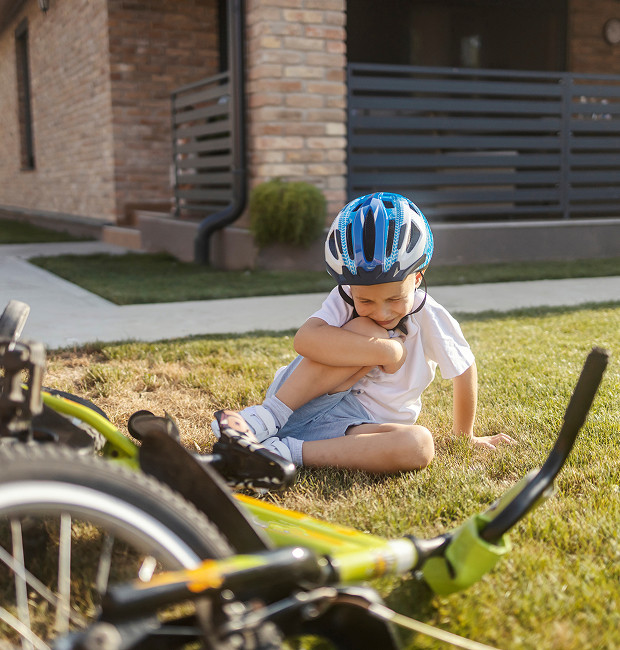
Ulnar fractures in children typically occur on the playground, during fast running, or while riding a bike. A sudden fall onto an outstretched, straight limb absorbs the full force of the impact. Such injuries often occur during active sports activities. If you suspect an ulnar fracture in a child, remain calm and act consistently.
Displaced and Non-Displaced Fractures
If the bone fragments remain in their anatomical positions, the healing process is significantly faster. A displaced ulnar fracture, when the fragments are displaced away from the central axis, is much more difficult.
In this situation, a pediatric traumatologist must carefully return the bone structures to their proper position. When assessing an ulna fracture, treatment is planned several weeks in advance.
Closed, open, and comminuted fractures
With a closed fracture, the skin remains intact, and only the internal elements of the arm are damaged. An open wound with visible tissue fragments is a clear reason to call an ambulance immediately.
Sometimes a strong direct blow can shatter the bone into several pieces, but such severe conditions are quite rare in young children.
First aid before seeing a specialist
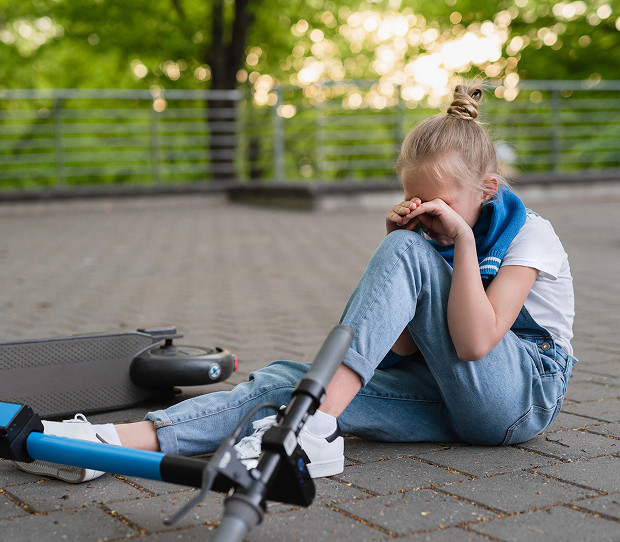
Before arriving at the hospital, it is essential to provide the injured area with maximum rest. Remember a clear sequence of actions that will help prevent harm to the injured person until the doctor arrives. Following simple steps will significantly reduce pain:
- Immobilize the arm in a comfortable position
- Apply cold through a thick cloth
- Do not allow the child to actively move the injured arm
- Do not attempt to straighten or correct the deformity on your own
- If severe pain occurs, go to the emergency room immediately.
Proper immobilization during the first stage of treatment prevents dangerous tissue displacement. Any ulna fracture in a child requires complete rest until medical assistance arrives.
Cold, rest, and pain relief
Apply ice or frozen food, wrapped in a towel, to the injured area. This will help quickly reduce swelling and pain, and slow the progression of a large hematoma. Provide your child with a calm environment to reduce the overall stress level from the incident.
Symptoms of an ulna fracture in a child
A child may suspect an ulna fracture based on the characteristic sharp pain immediately after the impact. Swelling and pain with movement quickly develop, and the skin at the site of the injury takes on a purple or bluish tint. A subcutaneous hematoma gradually forms, spreading to adjacent areas.
If an ulna fracture is diagnosed, treatment should be as gentle as possible.
Limited Movement and Deformity
Parents often notice an unnatural, forced position of the affected arm. Movement is noticeably limited, the child cries, and cannot bend their fingers or turn their wrist. Any attempt to touch the affected area causes strong resistance.
These symptoms of an ulna fracture should never be ignored.
Signs that require immediate medical attention
If your hand becomes cold to the touch, becomes very pale, or loses sensation, you must act quickly. A severe deformity, where the ulna is abnormally bent, requires immediate medical attention.
These alarming symptoms of an ulna fracture warrant an urgent visit to the clinic.
General information
Diagnosing an Ulna Fracture
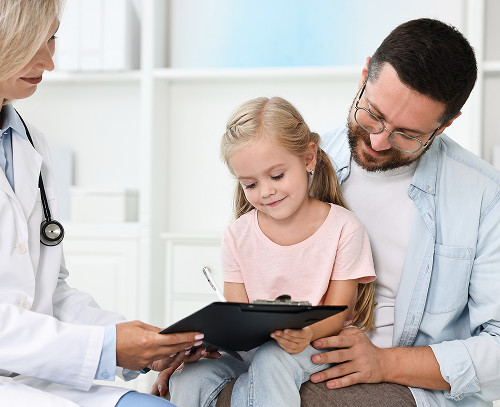
At the clinic, the patient is first carefully examined by a specialized pediatric traumatologist. The specialist will assess the condition of the soft tissues and check the pulse and sensitivity of the nerve endings below the impact zone. The doctor will carefully palpate the area to determine the nature and depth of the injury.
X-rays and additional diagnostic methods
An accurate diagnosis is only made after imaging. A standard X-ray in two projections allows for a detailed examination of the fracture line and the location of all fragments. In the most complex medical situations, a CT scan of the joint may be required.
Why is post-fixation monitoring necessary?
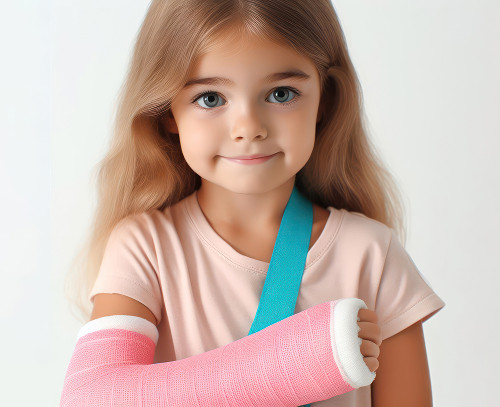
Many parents are interested in how to treat an ulna fracture as effectively and safely as possible. This requires regular specialist monitoring at each stage of recovery. A repeat X-ray after applying a cast accurately confirms that the bones are fixed correctly.

Frequently Asked Questions
Many parents are concerned and ask specialists similar questions about their children's health. We've compiled the most up-to-date answers to the question of childhood hand injuries. This basic information will help you navigate this challenging and frightening situation.
How long does it take for a child's ulna fracture to heal?
Does a cast always need to be used for this type of fracture?
When can I return to school and sports?
What should I do if my arm is very painful and swollen?
Immobilize the arm, apply cold with a cloth, and take the child to a specialist as soon as possible. Don't try to "work" your arm or reset it yourself.
Doctor's quote:
"In my experience, the most important thing for children with an ulna injury is not to try to "work" the arm through the pain. Proper fixation in the first few hours often influences how quickly and smoothly the bone heals."
Remember that an elbow fracture is a serious problem, but modern medicine treats it quickly and effectively. Timely X-rays, proper fixation, and a calm environment produce excellent results.
When a displaced ulna fracture is diagnosed, trust the clinic's experienced surgeons. Complete treatment of an ulna fracture guarantees future arm health. Take care of your loved ones and seek professional help promptly.



This award is given to clinics with the highest ratings according to user ratings, a large number of requests from this site, and in the absence of critical violations.

This award is given to clinics with the highest ratings according to user ratings. It means that the place is known, loved, and definitely worth visiting.

The ProDoctors portal collected 500 thousand reviews, compiled a rating of doctors based on them and awarded the best. We are proud that our doctors are among those awarded.
Make an appointment at a convenient time on the nearest date
Price
Other Services

Appointment to the doctor
Our clinics


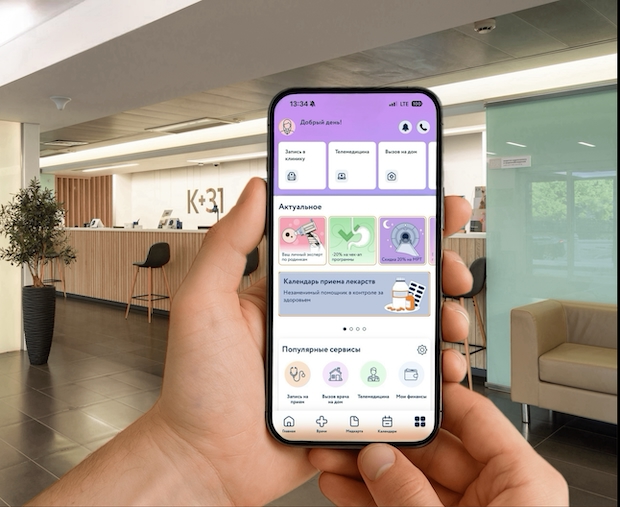
Application “Personal Account K+31”










What is an ulna fracture and why is it dangerous in childhood?
The child's skeleton is highly flexible thanks to a dense membrane called the periosteum. With a strong impact, it often holds the bone fragments together, causing a greenstick fracture.
This is an incomplete fracture, in which the ulna (ulna) of the arm bends and breaks, but does not separate completely. This apparent ease is deceptive and requires mandatory monitoring by a physician, as ulna fractures are statistically one of the most common injuries in children.
How does an ulna fracture differ from a bruise or other hand injury?
A severe soft tissue contusion can outwardly closely resemble a serious bone injury. However, the symptoms of an ulna fracture are usually more pronounced and only worsen over time.
Visually, the forearm may appear deformed or severely swollen. It's virtually impossible to distinguish a common bruise from a structural injury by eye alone, so any elbow fracture requires the close attention of a specialist.