
Rib fracture treatment in children in Moscow
The chest protects vital organs—the heart and lungs—so any injury in this area requires close attention. Active and particularly inquisitive children often injure their ribs. However, prompt treatment of rib fractures in children can prevent dangerous complications and return the child to normal life without any health consequences.

specialists

equipment

treatment




Causes of chest trauma in children

Childhood injuries vary depending on age. Young children are more likely to be injured due to carelessness, while teenagers are more likely to be injured due to their intense social and physical activity.
Falls and Blows at Home
Chest injuries can also occur at home, for example, from a fall from a bed, changing table, or stairs. Hitting furniture edges is another reason to seek medical attention. In Moscow, a significant percentage of home injuries are caused by falls on playgrounds, where the height of structures is not always appropriate for the child's age or height.
Sports, Active Games, and Road Accidents
Children who play hockey, wrestling, football, or boxing are at a much higher risk of rib injury. Falls from scooters, bicycles, and roller skates are also dangerous if the impact is to the chest. The most severe cases are associated with accidents where the chest is subjected to significant compression or impact forces.
Symptoms of a rib fracture in a child

Recognizing a fracture in a young patient is difficult. This is because children cannot accurately describe their sensations or pinpoint the specific location of the pain. Therefore, parents need to pay attention to behavior and physiological reactions.
Pain when inhaling, coughing, and moving
The main symptom is acute pain when inhaling. The child tries to breathe shallowly and frequently, as the deep expansion of the chest causes excruciating pain. Coughing, sneezing, or even simply laughing greatly increases the pain. When palpating the injured area, the child will react very sharply to touch.
Restricted breathing and forced posture
Due to discomfort, respiratory restriction occurs, which leads to hypoxia. The child may adopt a forced posture: leaning toward the affected side or supporting the painful area with a hand to limit rib mobility. If a child is unable to take a deep breath, this is a reason for immediate consultation.
Signs of Complications
It's not so much the broken bones that pose a danger, but rather damage to the soft tissue underneath them. Signs such as pale skin, bluish lips, severe shortness of breath, or subcutaneous emphysema (a "snow crunching" sensation under the fingers when pressing on the skin in the area of the injury) should raise concern.

What to do immediately after an injury
Proper actions in the first minutes after an injury can significantly facilitate subsequent treatment of a rib fracture. The main thing is not to panic and avoid actions that could displace the bone fragments.
First aid before seeing a doctor
Call an ambulance immediately. But before the doctor arrives, it is recommended to:
- Sit the child in a semi-sitting position
- Apply cold (ice in a heating pad or a bag of frozen food)
- Ask the child to remain still and not to panic
- Monitor breathing and general well-being
Do not apply tight bandages yourself until the paramedics arrive and do not take the child to the hospital: improper transportation can cause harm.
When urgent help is needed
You should urgently contact a traumatologist in the following situations:
- The child is choking or breathing very rapidly
- There is blood in the sputum when coughing
- The child has suddenly become weak, pale, and is losing consciousness
- The chest is deformed
- The pain is rapidly increasing
General information
How a Rib Fracture is Diagnosed
Modern rib fracture diagnostics in Moscow clinics includes a range of procedures aimed at assessing both bone structure and internal organs.
Traumatologist Examination
The first step is always a medical examination. An experienced pediatric traumatologist will assess the symmetry of respiratory movements, check for specific symptoms (for example, the "interrupted inhalation" symptom), and determine the need for instrumental examinations.
X-ray, Ultrasound, and CT: When to Use What
Additional imaging techniques are prescribed to confirm the diagnosis:
- Chest X-ray is the "gold standard." On the images, the doctor can see a fracture line and accumulation of air or blood in the pleural cavity. li>
- Ultrasound is effective in young children, as it allows one to detect damage to the cartilaginous portion of the ribs that is not visible on X-rays. li>
- CT (computed tomography) is used in complex cases, with multiple injuries, for detailed 3D modeling of the damage. li>
What tests help rule out internal injuries?
In addition to bone imaging, the doctor may order pulse oximetry to measure blood oxygen levels and a complete blood count. If a contusion of the heart or lungs is suspected, an ECG and an advanced ultrasound of the chest and abdomen are performed.


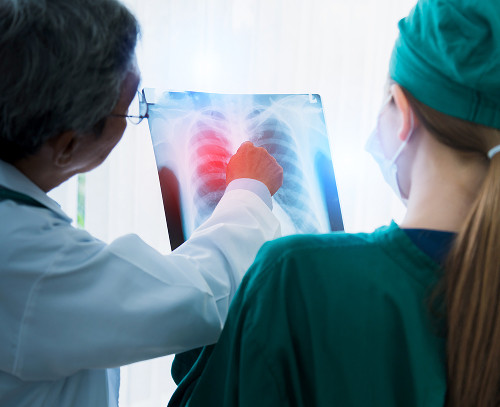


Rehabilitation begins once the pain subsides. All activities and stress are monitored by a doctor.
When can I return to school, for walks, and for physical education?
School is usually allowed after 10-14 days if the child's condition is stable. Walks in the fresh air are beneficial as early as a week after the injury, as they help restore breathing. However, the child is usually excused from physical education classes for 1 to 2 months.
When to return to sports?
Return to sports training is possible only after the pain has completely disappeared and a follow-up examination by a doctor. This usually occurs after 1.5-2 months. For contact sports (wrestling, hockey), return may take up to 3 months to minimize the risk of re-fracture of a fragile bone.

What not to do after an injury
Errors during treatment can lead to a delayed recovery or the development of chronic pain.
- Do not apply heat to the fracture site (bruise) with heating pads or compresses during the first few days.
- Do not self-prescribe blood thinners.
- Do not force the child to endure pain or withhold pain medication.
- Restrictions on loads should be real, not formal: do not allow the child to lift heavy backpacks or younger siblings.

Preventing Recurrent Injuries
A rib fracture in a child can be prevented. Teach children safety rules at home and during sports.
How to Reduce the Risk of Chest Injuries
Use protective equipment (vests, armor) in high-risk sports. Ensure bicycles and scooters are in good working order. Strengthening the back and chest muscles through swimming and general strengthening exercises is also important.
Frequently Asked Questions
How can I tell if my child has a broken rib and not a bruise?
Is an X-ray necessary if a rib fracture is suspected?
How long does it take for a child's rib fracture to heal?
When can I return to sports after a broken rib?
Only after the pain has subsided and with the doctor's permission. Returning to physical activity should be gradual, otherwise there is a risk of re-injury.
"A rib fracture in a child often occurs without deformity, so we focus not only on the child's complaints but also on breathing, coughing, and examination results. The main goal of treatment is to relieve pain and not miss complications," says a pediatric traumatologist.
A pediatric traumatologist in Moscow will examine your child, make a diagnosis, and prescribe treatment that will help them quickly return to an active life.
Timely consultation with a specialist is the key to a quick and successful recovery.



This award is given to clinics with the highest ratings according to user ratings, a large number of requests from this site, and in the absence of critical violations.

This award is given to clinics with the highest ratings according to user ratings. It means that the place is known, loved, and definitely worth visiting.

The ProDoctors portal collected 500 thousand reviews, compiled a rating of doctors based on them and awarded the best. We are proud that our doctors are among those awarded.
Make an appointment at a convenient time on the nearest date
Price
Other Services

Appointment to the doctor





Our clinics


Application “Personal Account K+31”












What is a rib fracture in a child?
A rib fracture is a break in the integrity of bone or cartilage tissue. This injury is less common in children than in adults due to anatomical differences. A child's rib cage is highly elastic, so it takes significant mechanical force to break a bone. However, this very flexibility sometimes prevents parents from recognizing the severity of the fracture: the bones can spring back, transmitting the impact to internal organs, while a visible fracture may be absent or incomplete.
How do fractures in children differ from those in adults?
Children's bone tissue contains more organic matter and fewer mineral salts. Due to the well-developed periosteum (periosteum), which is thick and well-perfused in children, subperiosteal fractures often occur. In medicine, these are called "greenstick" fractures: the bone breaks internally but is held together by an intact periosteal membrane. This speeds up recovery after rib fractures, as displacement of fragments is extremely rare.
How is a fracture different from a bruise or a crack?
To choose the right treatment strategy, it's important to understand the nature of the injury. Parents often confuse a simple chest contusion with more serious conditions.
A fracture is essentially an incomplete fracture. The main difference with a complete fracture is the risk of damage to the pleura or lung by the sharp edges of the bone, which requires immediate specialist intervention.