
Tooth Fracture: What to Do and How to Restore a Tooth
Damage to the hard tissues of a tooth is a situation that can occur at any age. In dental practice, a tooth fracture is classified as a disruption of the anatomical integrity of the crown or root caused by mechanical impact. Unlike regular caries, this injury is often accompanied by severe pain and requires immediate action. However, there's no need to panic: modern restoration methods can save even severely damaged teeth if the patient seeks help promptly.

specialists

equipment

treatment






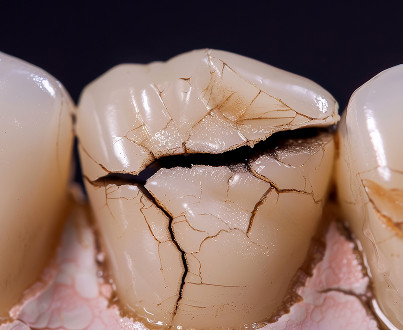
Why does a tooth fracture occur?

The causes of damage are divided into acute traumatic factors and latent pathological processes that gradually make the tissue brittle.
Trauma, impact, fall
This is the most common cause of damage to the anterior teeth. A fall, a collision during sports, or a household injury can cause sudden tissue overload. In such cases, a fractured tooth with damage to the incisal edge or a complete fracture of the crown is often diagnosed.
Weakening of the tooth due to caries, a large filling, or root canal treatment
Teeth with removed pulp (depulped) eventually lose elasticity and become brittle, as they are deprived of internal nutrition. A similar situation occurs if a very large filling is placed: the thin natural walls of the tooth cannot withstand the chewing pressure and chip.
Increased stress on the tooth, the habit of chewing on hard objects
Regular consumption of seeds and nuts, or the habit of opening lids with teeth, creates microcracks. Over time, such a crack in the tooth, under the influence of chewing pressure, develops into a full-fledged fracture. Bruxism (grinding of teeth at night) is also a risk factor.
Symptoms of a tooth fracture

The clinical presentation depends on the severity of the injury. Sometimes the damage is immediately obvious, but in the case of cracks or root injuries, symptoms may be subtle.
Pain when biting
This is the main sign that the integrity of the tooth is compromised. When pressure is applied, parts of the crown shift, irritating the nerve or periodontal tissue. Pain when biting is often throbbing or sharp, "shooting."
Sensitivity to cold and hot
When enamel and dentin are damaged, irritants more quickly reach the nerve. This causes severe sensitivity of the tooth to temperature and chemical factors (sweet, sour).
Tooth mobility, bleeding, swelling
If a tooth becomes loose after an impact, it may indicate a root fracture or dislocation. Bleeding gums and rapidly increasing swelling of soft tissue indicate serious damage to the ligamentous apparatus or infection of the pulp.

What to do immediately after a broken tooth
If a piece of your tooth has chipped, try to find it. Sometimes, your dentist can use a fragment of your own tooth tissue to restore it using adhesive techniques. Before visiting a doctor, we recommend the following:
- Stop chewing on the affected side
- Rinse your mouth with clean water
- Apply a cold compress to the outside of the cheek (to reduce swelling)
- If a tooth fragment remains, place it in a moist environment (saline or milk)
- Avoid touching the loose part of the tooth with your hands
- Seek diagnostics as soon as possible
What can be done at home
At home, you can take a pain reliever from your medicine cabinet. If the edges of the tooth are sharp and injure your cheek, they can be covered with a piece of sterile wax or a gauze pad.
What not to do
It is strictly forbidden to try to glue a broken fragment with household glue—this will cause a chemical burn of the pulp and tooth loss. Do not heat the injured area, as this will increase swelling and accelerate the development of inflammation.

Some conditions require a visit to the dentist within the first 1-2 hours. This applies to cases where a toothache after an injury is so severe that analgesics are ineffective.
Severe pain and bleeding
If the nerve is exposed, the pain will increase. Bleeding from the gum tissue also requires professional treatment and antiseptic treatment.
Tooth mobility after an injury
If a tooth has changed position in the arch or has become loose, it must be splinted (fixed to adjacent teeth) to preserve the ligamentous apparatus.
Suspected root fracture
If there is no visible damage, but there is a bursting pain and swelling, there may be a hidden root injury. Without emergency care, there is a high risk of developing an abscess.
General information
Diagnosis of a Tooth Fracture
Choosing a treatment method simply by eye is impossible. The dentist must accurately determine the direction of the fracture line and the condition of the tissues.
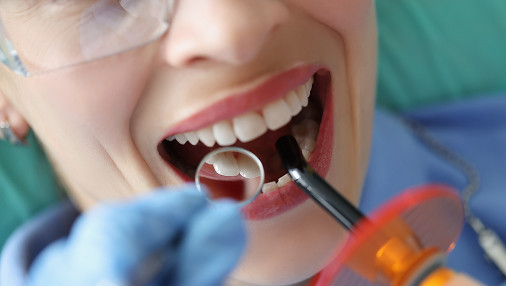
Oral Examination
The dentist assesses the amount of tissue loss, the response to percussion, and the condition of the gums.
X-ray
A standard dental X-ray allows one to see horizontal root fractures and the condition of the periradicular tissues. This is a basic examination for any injury.
CBCT in Complex Cases
In complex cases, especially if a vertical crack is suspected, a CBCT (computed tomography) scan of the tooth is prescribed. A 3D image allows for viewing the root from any angle and eliminating hidden defects.
Pulp and Root Assessment
The dentist checks the vitality of the nerve. If the vascular-nerve bundle is ruptured or infected, endodontic treatment will be required.

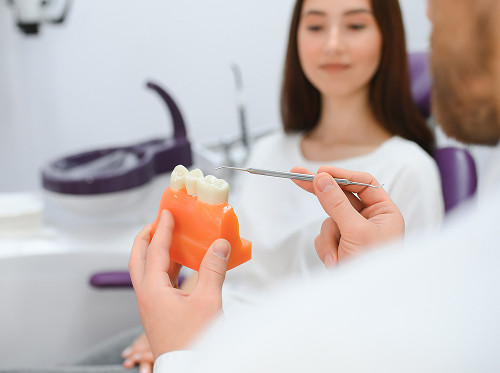


What happens if a tooth fracture is left untreated?
Many people hope that a small tooth crack will heal on its own. However, tooth tissue lacks the ability to regenerate. Without treatment, bacteria penetrate the fracture line into the pulp, causing pulpitis and then periodontitis (inflammation at the root). Over time, this leads to tooth loss and bone atrophy in the area.
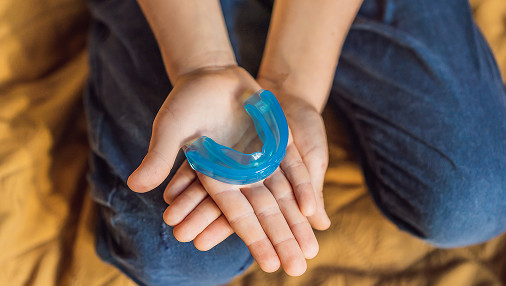
Preventing Re-Injury
If the injury occurred during sports, it's important to order a custom-fitted mouth guard. It's also important to promptly treat any cavities to prevent tissue loss.
Frequently Asked Questions
This material is for informational purposes only. A specialist consultation is required for diagnosis and treatment selection.
Is it possible to save a tooth if it completely falls out due to an impact?
Is it painful to treat a broken tooth?
How long does a fractured tooth last?
What should you do if you have a broken tooth and can't see a dentist today?
Our doctors


















































This award is given to clinics with the highest ratings according to user ratings, a large number of requests from this site, and in the absence of critical violations.

This award is given to clinics with the highest ratings according to user ratings. It means that the place is known, loved, and definitely worth visiting.

The ProDoctors portal collected 500 thousand reviews, compiled a rating of doctors based on them and awarded the best. We are proud that our doctors are among those awarded.
Make an appointment at a convenient time on the nearest date
Price

Appointment to the doctor
Reviews








Our clinics


Application “Personal Account K+31”












Types of tooth fracture
Treatment tactics directly depend on the specific tissues affected and how deep the fracture line extends.
Enamel and dentin chip
This is the mildest type of tooth injury. Only the outer protective layers are damaged. If the pulp is intact, the main complaint is an aesthetic defect and roughness that interferes with the tongue.
Crown fracture
In this case, a significant piece of the tooth has chipped off. Visually, the crown becomes shorter or changes shape. If the dentin is deeply exposed, the patient experiences discomfort when eating.
Tooth fracture with pulp exposure
This type of injury exposes the inner chamber of the tooth. Pain occurs as bacteria and food enter the nerve. Pinpoint bleeding from the center of the tooth is often observed.
Tooth root fracture
This is one of the most complex injuries. A tooth root fracture can be transverse, longitudinal, or comminuted. Such injuries are insidious because the crown may appear intact, but the tooth begins to loosen and cause pain.
Subgingival tooth fracture
The fracture line extends below the gingival margin. This creates difficulties for proper isolation of the working field and subsequent restoration. In such cases, surgical crown lengthening or tooth extraction is often required.