
Smoker's Plaque on Teeth
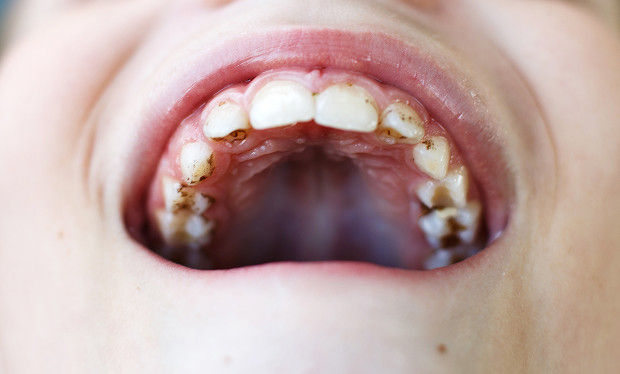
Smoking damages teeth. This habit causes enamel to change color, turning yellow.
The dark pigment gradually eats into the tooth structure, forming a dense layer that cannot be removed with a regular toothbrush. Without professional intervention, this pigmentation becomes the foundation for more serious dental problems.

specialists

equipment

treatment






Why does smoker's plaque appear?
The main reason lies in the composition of tobacco smoke. With each puff, thousands of chemical compounds enter the mouth, which, when cooled, transform from a gaseous state to a solid, settling on all accessible surfaces.
Tobacco tar, nicotine, and pigments
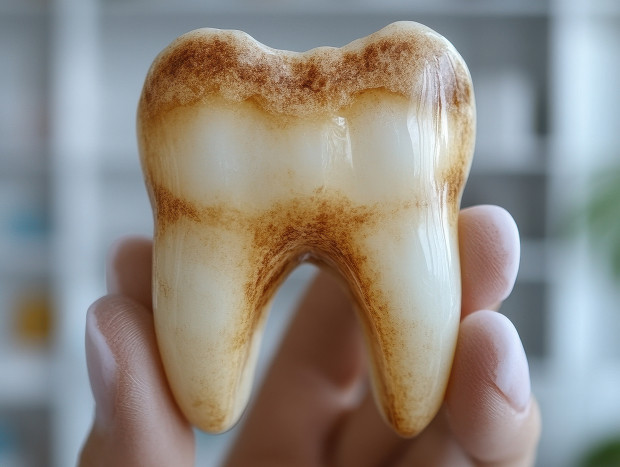
It is tobacco tar and tar that are responsible for the stickiness and dark color. Nicotine itself is colorless, but when exposed to oxygen, it oxidizes and takes on a yellowish tint. These substances penetrate microcracks in the enamel and micropores in the dentin, causing deep staining of the enamel.
Poor Hygiene and Rough Enamel
If home dental hygiene is not properly organized, soft plaque remains on the teeth. Smoke pigments adhere to it much faster than to smooth, clean enamel. The rougher the tooth surface, the more easily pigmented deposits adhere to it.
Additional factors: coffee, tea, vapes, hookah
The darkening process is accelerated by excessive consumption of strong tea or coffee—their pigments combine with the resins, making the dark plaque on the teeth even more persistent. Tobacco heating systems, vapes, and hookahs also contribute to plaque formation, although they contain less resin. The glycerin vapor from vapes creates a sticky film on the teeth, which quickly attracts any food coloring.
Why is smoker's plaque dangerous?

The problem goes far beyond a "yellow smile." Plaque alters the oral microflora and creates an ideal environment for bacterial growth.
Enamel Darkening and Aesthetic Discomfort
The first thing a person experiences is pronounced enamel pigmentation. This lowers self-esteem: the person becomes embarrassed to smile or speak. However, aesthetics are just the tip of the iceberg.
Bad Breath
Tar and bacterial waste products found in plaque cause persistent breath odor. It cannot be completely masked by chewing gum or sprays, as the source of the odor is physically attached to the teeth.
Risk of Gum Inflammation and Tartar Formation
Smoker's plaque irritates the mucous membrane. Over time, this causes bleeding gums and gingivitis. If plaque from a smoker is not removed, it becomes saturated with minerals and turns into subgingival tartar, which leads to periodontitis and loose teeth.
General information
How to Remove Smoker's Plaque
Smoker's plaque is very sticky; regular toothpastes don't remove it. Professional dental cleaning is necessary.
Professional Hygiene and Stain Removal
The only effective and safe method is professional oral hygiene. The dentist selects the method based on the plaque density and the condition of the patient's gums.
Air Flow, Ultrasound, and Polishing
A modern cleaning protocol includes several stages:
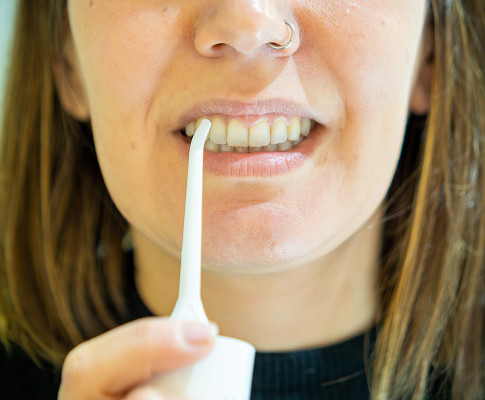
- Air Flow: a mixture of water, air, and a special fine powder is delivered under pressure. This method effectively removes stains in hard-to-reach areas and between teeth.
- Ultrasonic Teeth Cleaning: used if plaque has already begun to turn into tartar. Ultrasound gently removes hard deposits from the surface
- Teeth polishing: a critical step. The dentist makes the enamel perfectly smooth, making it more difficult for resins to adhere to it in the future
What you can and can't do at home.
At home, you can use special toothpastes for smokers with a high abrasive index (RDA), but do so no more than 1-2 times a week. Avoid using baking soda, citric acid, or tooth powder—they scratch and damage the enamel.




If home care doesn't remove plaque, your gums will begin to hurt. This is a sure path to tooth loss.
You should see a dentist if you notice:
- Dark or yellow-brown streaks on your teeth
- Plaque under the gums and between your teeth
- Bad breath
- A rough feeling in your enamel
- Bleeding gums
If you notice at least two or three of these signs, a regular toothbrush won't do the trick. Heavy plaque should be removed by a dentist.
Frequently Asked Questions
What is smoker's plaque?
Can smoker's plaque be removed at home?
How is smoker's plaque different from tartar?
How can I slow down the buildup of plaque?
After drinking coffee, tea, and smoking cigarettes, rinse your mouth. Brush your teeth for at least three minutes. Visit your dentist every 3-4 months for a professional cleaning.
Oral health directly depends on regular care, especially if you smoke. Professional plaque removal helps remove accumulated stains without damaging enamel and protects gums from inflammation. Regular dental visits can help prevent deep staining and preserve your teeth's natural appearance without complicated and expensive procedures. This is the most reliable way to keep your teeth clean and prevent permanent stains.
Our doctors


















































This award is given to clinics with the highest ratings according to user ratings, a large number of requests from this site, and in the absence of critical violations.

This award is given to clinics with the highest ratings according to user ratings. It means that the place is known, loved, and definitely worth visiting.

The ProDoctors portal collected 500 thousand reviews, compiled a rating of doctors based on them and awarded the best. We are proud that our doctors are among those awarded.
Make an appointment at a convenient time on the nearest date
Price

Appointment to the doctor
Reviews















Our clinics


Application “Personal Account K+31”












What is smoker's plaque?
Dentists use this term to describe a specific pigmented plaque on teeth that forms as a result of tobacco combustion products settling on the enamel. It has a viscous structure, allowing it to adhere firmly to the surface and quickly build up, creating a dense film.
How is it different from regular soft plaque?
Soft plaque forms on everyone throughout the day from food debris and bacteria. It is light-colored, loose, and easily removed during morning or evening brushing. Plaque from smoking is much denser and stickier. Tobacco tars act like glue, attracting new particles and coloring them a characteristic yellow-brown or almost black color.
Differences from tartar
It is important to distinguish between pigmentation and mineralization. Smoker's plaque is a sticky deposit of pigment. Tartar forms when soft plaque is not cleaned regularly. It usually forms near the gums.
The table below shows the main differences between the different types of plaque, which will help you understand your oral health.
Smoker's plaque, soft plaque, and tartar: what's the difference?