
Oral Galvanosis: Symptoms, Causes, Diagnosis, and Treatment
Discomfort after the placement of dentures or crowns is a common problem, complicated by oral galvanosis—the occurrence of electrical currents between the metal components of the structure. Patients often confuse it with normal denture habituation or an allergy.
Important: A metallic taste in the mouth does not always indicate galvanosis. Therefore, diagnosis is the most important step in treatment.

specialists

equipment

treatment






What is galvanosis?
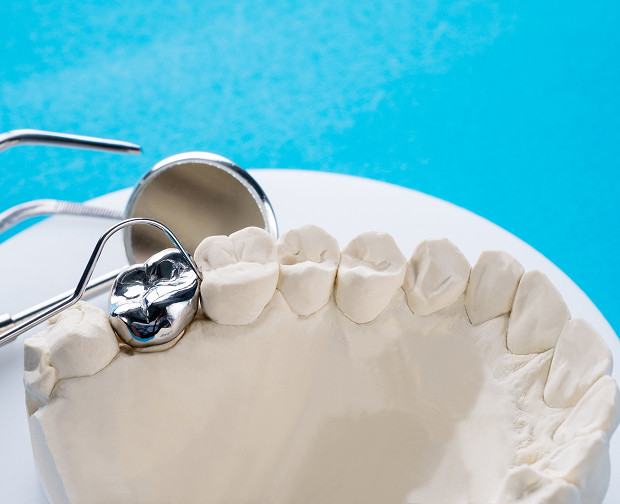
Galvanosis is a pathological condition resulting from electrochemical processes in the oral cavity. In the presence of metallic inclusions, saliva acts as an electrolyte. In this environment, a potential difference arises between structures made of different alloys, leading to the generation of an electric current. The mere presence of currents does not necessarily indicate a disease, but when their intensity exceeds physiological norms, clinical manifestations develop.
How the Galvanic Effect Occurs in the Oral Cavity
When crowns made of different metals are placed in the same environment—for example, an old steel crown and a new gold bridge—saliva begins to act like the electrolyte in a battery. A so-called galvanic couple is created. The corrosion process leaves its mark: oxidation products settle in the saliva and are absorbed into the mucous membrane, which over time causes discomfort. Electrochemical processes are triggered by contact between metals and an electrolyte (saliva).

What's the difference between galvanosis and galvanism?
These are two different concepts and should not be confused. Galvanism is a physical phenomenon involving microcurrents, which is present in any person with metal dentures but causes no complaints. Galvanosis, on the other hand, is a condition in which galvanic currents in the oral cavity cause objective symptoms and changes in health. Thus, galvanism is a physical process, while galvanosis is its pathological consequence.
What's the difference between galvanosis and a metal allergy?
An allergy is a reaction to an alloy component (nickel or chromium). Galvanosis is a chemical reaction. An allergy causes swelling, redness, and a burning sensation. With galvanosis, sensory disturbances are the primary symptoms.
Symptoms of galvanosis
Main complaints: metallic taste, burning, dryness
A metallic taste in the mouth is the first symptom of the problem. It is often compared to the sensation of touching the tongue to a battery. A burning sensation in the tongue and cheeks may also occur, which can be aggravated by eating acidic or spicy foods.
Another symptom is dry mouth (xerostomia), caused by disruption of the salivary glands under the influence of microcurrents.
What symptoms may worsen over time?
If the causes of galvanosis are not addressed, the condition may progress. Local complaints may be accompanied by general disorders:
- Headaches and fatigue
- Taste disturbance (dysgeusia)
- Irritability and sleep disturbances
- Periodic "shooting pain"—sharp pain when metal spoons or forks come into contact with the crowns.
When to see a doctor
You should see a doctor if you experience discomfort after dental prosthetics. The following symptoms require special attention:
- A metallic taste in your mouth that doesn't go away
- A burning sensation on your tongue or mucous membranes not related to food
- Persistent dry mouth
- The taste of food has changed
- There are complaints related specifically to the crowns
General information
Diagnosis of Galvanosis
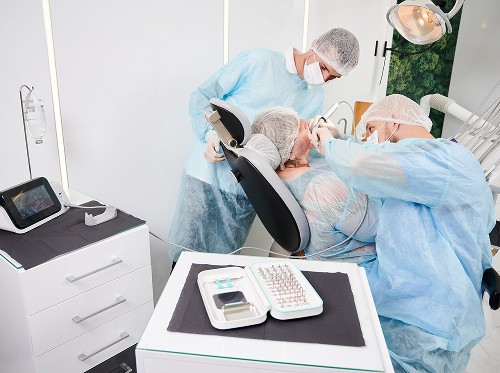
Diagnosis requires the participation of several specialists. The initial examination is performed by an orthopedic dentist. A general practitioner then joins in.
Collection of Complaints and Dental Examination
The dentist determines the time of onset of symptoms and their relationship to the stages of prosthetic restoration. During the examination, the dentist looks for signs of metal oxidation: darkening of crowns, discoloration of the gums around them. The mucous membrane may appear healthy, which is an important diagnostic feature distinguishing this condition from inflammation.
Evaluation of Orthopedic Structures
The specialist analyzes the alloys used to make bridges and crowns. If no information is available, the doctor relies on a visual examination, the characteristics of the metals, and their service life.
Instrumental and laboratory methods
To confirm the diagnosis, electrical potentials in the oral cavity are measured using special devices (millivoltmeters). A potential difference of over 50–80 mV indicates the presence of pathological currents. A saliva pH test and a biochemical analysis for metal ion content may also be ordered.
Differential diagnosis
It is crucial to distinguish galvanosis from other pathologies with similar symptoms. For this purpose, a comparison of clinical signs is performed.
How to distinguish galvanosis from a metal allergy and burning mouth syndrome
| Criteria | Galvanosis | Metal allergy | Burning mouth syndrome |
|---|---|---|---|
| Possible cause | Microcurrents between metals | Hypersensitivity to an alloy | Neurological/hormonal factors |
| Typical complaints | Metallic taste, burning | Itching, swelling, Rash | Burning sensation without objective changes |
| Mucosa appearance | Often unchanged | Hyperemia, edema, lichenification | No pathology |
| Relationship with structures | Direct (different metals) | Possible even with a single metal | Absent |
| Examinations | Microcurrent and pH measurements | Allergy tests | Exclusion of organic causes |


Frequently Asked Questions
Can galvanosis resolve on its own?
Do crowns always need to be replaced if there's a metallic taste?
Is zirconium dioxide safe for galvanosis?
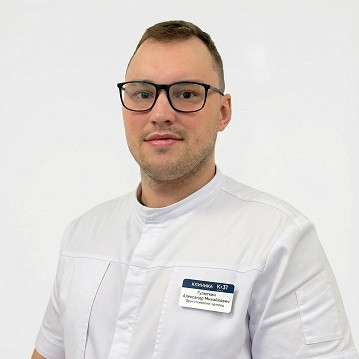
Our doctors












































This award is given to clinics with the highest ratings according to user ratings, a large number of requests from this site, and in the absence of critical violations.

This award is given to clinics with the highest ratings according to user ratings. It means that the place is known, loved, and definitely worth visiting.

The ProDoctors portal collected 500 thousand reviews, compiled a rating of doctors based on them and awarded the best. We are proud that our doctors are among those awarded.
Make an appointment at a convenient time on the nearest date
Price

Appointment to the doctor
Reviews









Our clinics


Application “Personal Account K+31”












Causes and risk factors
The main factor in the development of pathology is the improper selection of prosthetic materials. However, the condition of the oral cavity also plays a role in triggering these reactions.
Dissimilar metals in crowns, bridges, and dentures
When you already have stainless steel dentures and your dentist installs a gold alloy denture, a metal clash is almost inevitable. Even small metal fillings (amalgam), combined with modern nickel-free alloys, can trigger galvanosis in the mouth.
The role of saliva, pH, and the condition of the mucous membrane
Saliva is an electrical conductor. A change in its acidity (pH) toward acidification increases metal corrosion and conductivity. The composition of saliva is affected by common gastrointestinal diseases, smoking, and diet. If the mucous membrane is thinned or has microtrauma, the body perceives the effects of microcurrents more acutely.
Associated Dental Problems
Chronic periodontitis, tartar buildup, and poor hygiene create conditions conducive to active oxidative processes. Plaque on metal crowns promotes the accumulation of corrosion products, which only exacerbates the symptoms of galvanosis.