Herpetic Stomatitis: Symptoms, Causes, and Treatment

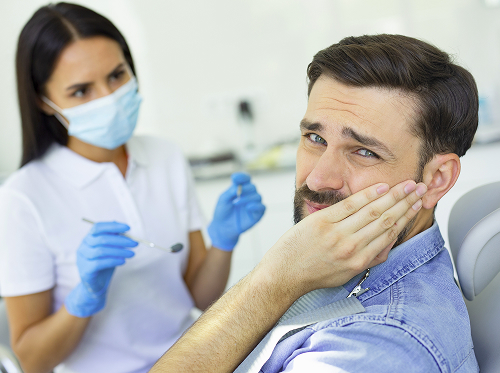
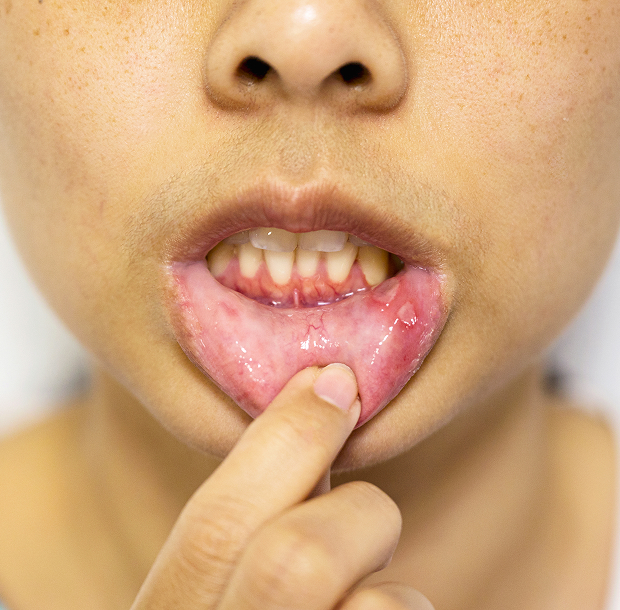
Herpetic stomatitis begins suddenly. A burning sensation, weakness, and pain develop. Small lesions, which eventually develop into erosions, appear on the mucous membrane. Eating and drinking become difficult. Even talking causes discomfort. Brushing teeth also causes pain.

The first signs of the disease can be confused with other illnesses, so diagnosis and treatment of herpetic stomatitis are only performed in person by a specialist.

Diagnosis and treatment of herpetic stomatitis are only performed in person.

Best specialists
Best
specialists
Expert equipment
Expert
equipment
Advanced diagnostic treatment
Advanced diagnostic
treatment
Sign up
Fill out the entry form on the page and we will call you back
Sign up Позвонить
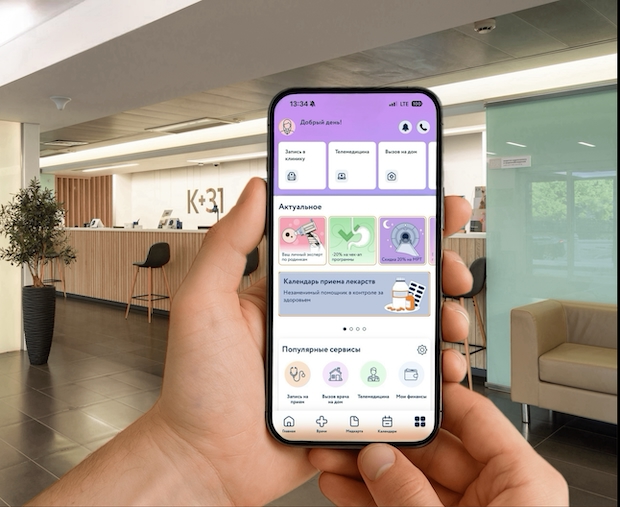
Download the application “Personal Account K+31”
Everything about your health in one click!
Subscribe to social networks K+31
To keep up to date with current offers and receive useful advice about your health.
What is herpetic stomatitis?

Herpetic stomatitis is an inflammation of the oral mucosa that develops as a result of an infection caused by the herpes simplex virus. After the initial episode, the virus does not disappear from the body: it persists in nerve cells and, under favorable conditions, can cause a relapse.

For this reason, the diagnosing physician evaluates not only the erosions but also the patient's well-being and the condition of their gums, lips, and the entire oral mucosa.

How does herpetic stomatitis differ from other types of stomatitis?

Similarities with other illnesses are noticeable within the first few days. Some patients mistake the process for a reaction to food, others for an injury to the mucosa, and still others for ordinary wounds.

Aphthous stomatitis consists of isolated, painful ulcers without blisters. Candidiasis is characterized by white plaques that, when removed, reveal wound surfaces. The herpetic form presents as ulcers with blisters.

Form Cause Appearance Localization Infectivity
Herpetic Herpes simplex virus Blisters → Erosions Oral cavity, lips, gums High during the acute period
Aphthous Immune and local triggers Single aphthae Inner lips and cheeks Usually none
Candidal Candida fungi White patches, red areas Tongue, cheeks, palate Depends on the cause

The table is for quick reference, but the final conclusion is based on the examination, complaints, and the progression of the process.

Acute and recurrent variants

The acute stage of the disease is severe. The lesions are large, the body temperature is high, and the pain is quite severe.

In a relapse, the disease is localized; the ulcers do not interfere with eating, drinking, or maintaining hygiene, but they still cause discomfort.

Symptoms of herpetic stomatitis
Symptoms of herpetic stomatitis

The clinical picture develops in stages. General complaints begin, then lesions appear on the mucous membrane, and later, painful erosions and ulcers form in the mouth.

First signs of the disease

The onset often resembles a viral infection. Burning sensations, weakness, refusal to eat solid foods, and sometimes headache and fever occur. Some patients experience enlarged submandibular or cervical lymph nodes.

What do blisters, erosions, and ulcers look like?

Initially, small blisters appear on the mucous membrane in the mouth. They quickly burst, leaving painful erosions with a red border. Oral herpes causes pain that intensifies with swallowing.

Characteristics of symptoms in children and adults

The initial episode in children is often more severe due to pain and refusal to drink water. Therefore, herpetic stomatitis in children is dangerous due to the risk of dehydration.

In adults, herpetic stomatitis usually occurs locally, without extensive mucosal damage. But even in this form, it can cause a severe burning sensation, pain during eating, and a noticeable deterioration in well-being. If relapses occur in a child, it is important for the doctor to assess the frequency of flare-ups and understand what triggers them.
Causes and Routes of Transmission

Causes and Routes of Transmission

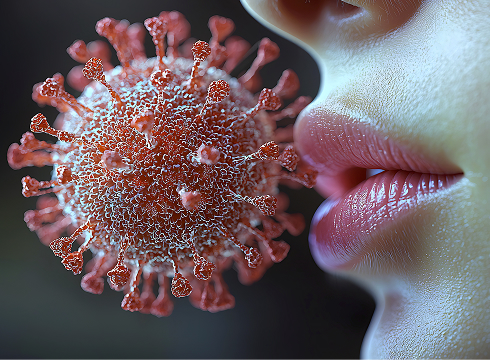
The disease is caused by the characteristics of the herpes simplex virus and its transmission routes—through saliva or the contents of lesions. Once in the body, the virus persists for a long time and can eventually reactivate.

Pathogen: Herpes Simplex Virus

Herpetic stomatitis is most often caused by the herpes simplex virus type 1 (HSV-1). It infects the mucosal epithelium, causing painful rashes. After the initial episode, the infection does not clear completely: the virus remains in the body in an inactive form. Its reactivation is possible with colds, stress, mucosal trauma, overheating, hypothermia, and a weakened immune system.

How does infection occur?

The virus is most often transmitted through everyday life and close contact—through saliva, kissing, sharing utensils, and hygiene products. The risk is associated not only with severe symptoms of the disease. Transmission is also possible when there are no symptoms or they are mild. Therefore, doctors usually explain to patients how contagious herpetic stomatitis is.

Risk factors and causes of exacerbation.

The disease recurs after an acute respiratory viral infection, as well as due to regular sleep deprivation, severe stress, or local trauma. Gum inflammation and chronic irritation negatively affect the condition of the oral mucosa.

Diagnostics

The doctor diagnoses the patient based on the overall clinical picture. Naturally, the specialist listens to the patient's complaints, thereby monitoring the dynamics of symptoms. During a visual examination, the specialist evaluates the type of ulcers and their location. The doctor also determines whether there was pain, whether there was a fever, and whether similar episodes have occurred previously.

When is differential diagnosis necessary?

Uncertainties often arise with an atypical course of the disease, a protracted process, or isolated erosions, if the usual vesicular rash is absent. In such situations, the doctor conducts differential diagnosis to distinguish herpetic stomatitis from aphthous stomatitis, candidiasis, traumatic mucosal lesions, and enterovirus infection.

When may additional testing be needed?

PCR diagnostics are performed only in cases of severe disease, immunodeficiency, or a questionable clinical picture.

Diagnostics

General information

Treatment of herpetic stomatitis

The main goal is to help the patient by reducing pain, maintaining fluid intake, and protecting the mucous membrane. Another goal of therapy is to reduce viral activity, meaning treatment for herpetic stomatitis is individualized and depends on the patient's age and the severity of the condition.

Treatment goals

Treatment focuses on pain relief and preventing dehydration, especially if the patient has difficulty eating and drinking. Next, the doctor focuses on local protection of the mucous membrane, trying to reduce trauma to it during eating and routine hygiene, and, if necessary, adding antiviral therapy.

The approach to treating herpetic stomatitis always depends on the specific course of the disease.

Antiviral therapy

Doctors don't prescribe antiviral medications to everyone, but rather based on indications—for example, in cases of severe infection, early presentation, immunodeficiency, or increased risk of complications. Self-selection of treatment in such situations is prohibited. The duration, dosage, and dose of therapy are determined by the doctor. Antibiotics are pointless for viral infections without supervision; they provide no benefit.

Local treatment of the oral mucosa

Local treatment is necessary to reduce the burning sensation, reduce further irritation of the oral mucosa, and maintain the ability to drink and eat normally. The doctor may recommend gentle oral hygiene, antiseptics (only when indicated), and medications that protect painful erosions. Attempts to cauterize the oral mucosa with alcohol solutions or scrape off plaque usually only lead to further damage.

Pain relief, fluid intake, and nutrition

If the pain is severe, it's important to provide pain relief. Otherwise, the person will begin to drink less, and the risk of dehydration increases with a fever. Food should be soft and warm, avoiding spicy, sour, or excessively hot foods. Small amounts of fluid at frequent intervals are usually better tolerated.
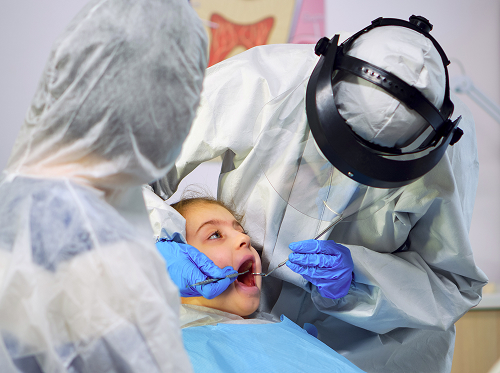
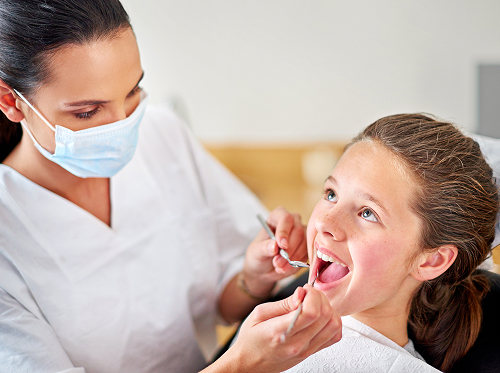
Treatment of herpetic stomatitis

What to do and what not to do at home

Home care can help ease the acute phase, but it doesn't replace a doctor's examination. It's important to protect the mucous membranes during this time, and don't ignore any symptoms that may indicate a worsening condition.

Permitted care measures

During an exacerbation, it's best to switch to a soft brush, practice gentle hygiene, use separate utensils, eat mild foods that don't irritate the mucous membranes, and drink plenty of fluids. If your doctor has already prescribed treatment, you shouldn't deviate from this plan or change it at your own discretion.

Self-medication mistakes

Most often, attempts to cauterize the mucous membranes with alcohol, iodine, or brilliant green are harmful. Advice to start antibiotics without a diagnosis or to tolerate pain and a high fever for several days is also dangerous. Prohibited:

  • Cauterizing mucous membranes with alcohol solutions
  • Taking antibiotics on your own
  • Eating spicy, sour, or very hot foods
  • Using shared utensils and brushes
  • Delaying medical attention if you have a high fever or severe pain
What to do and what not to do at home

Possible Complications

Possible complications include: refusal of food and drink due to pain, worsening of general condition, and the disease is especially severe in children.

Dehydration, infection, frequent relapses

Dehydration is the most common complication. Secondary infection of erosions, recurrent episodes of the disease, and regularly recurring herpes in the mouth require a more detailed examination and preventive measures.

When to Seek Urgent Medical Attention

You should see a doctor as soon as possible if the pain becomes severe, the person refuses food and water, and the mucous membranes appear dry. Also concerning are decreased urination, high fever, drowsiness, eye pain, and a general deterioration in condition.

Pay special attention to children. If a child has severe symptoms of illness and refuses water or fluids, consult a doctor immediately.

Possible complications

Prevention

The risk cannot be completely eliminated because the virus persists in the body. However, the frequency of recurrent episodes can be reduced and the course of the illness can be milder.

Oral hygiene

Good oral hygiene helps maintain a calmer mouth, control plaque, and reduce unnecessary irritation. During an exacerbation, use a soft brush and gentle brushing.

How to reduce the risk of recurrent episodes

Sleep, fluid intake, stress management, eliminating traumatic factors in the mouth, and avoiding the use of common hygiene products during the acute phase are helpful. If relapses are frequent, the doctor may reconsider the monitoring strategy.

Strengthening local mucosal defenses

Good nutrition, gentle oral hygiene, and correcting underlying disorders are important for local defense. During recurrent outbreaks, it is helpful to assess deficiencies, coexisting illnesses, and immune status.
Prevention

FAQ

The short answers below are intended to provide guidance, but are not intended to replace an in-person consultation.

Is herpetic stomatitis contagious?

Yes. During the acute phase, the virus is more easily transmitted through saliva, close contact, and sharing utensils and personal hygiene items.

How long does herpetic stomatitis last?

The duration depends on the type and severity. With prompt treatment, acute symptoms usually subside within a few days, while complete healing takes longer.

How does it differ from aphthous sores?

The herpetic form often begins with blisters and then develops into erosions. Aphthous sores typically begin with isolated, painful ulcers without the typical herpetic stage.

Treating a disease at home: is it possible or not?

Self-medication is dangerous. Home care is only permitted if it's part of a doctor's prescribed regimen.

Warning: If you experience severe pain, high fever, signs of dehydration, or a worsening general condition, seek medical attention as soon as possible.

Caution! This material is for informational purposes only. Do not self-medicate. At the first sign of illness, consult a doctor.

Our doctors
Shcherbakova Valentina Frantsevna
Experience 31 year
Make an appointment
Shcherbakova
Valentina Frantsevna
Head of the Department of Dentistry, dentist
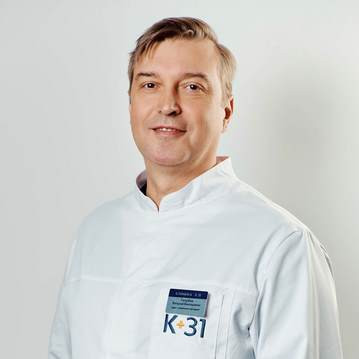
Cherkasov Alexei Andreevich
Experience 19 years
Make an appointment
Cherkasov
Alexei Andreevich
Dentist-surgeon, implantologist, therapist
Bogdashin Sergey Vladislavovich
Experience 26 years
Make an appointment
Bogdashin
Sergey Vladislavovich
Orthopedic dentist
Artyomov Yanislav Alexandrovich
Experience 13 years
Make an appointment
Artyomov
Yanislav Alexandrovich
Dentist therapist
Ivashkevich Sergei Georgievich
Experience 31 year
Make an appointment
Ivashkevich
Sergei Georgievich
Dentist-surgeon, implantologist
Podshekoldina Elena Nikolaevna
Experience 17 years
Make an appointment
Podshekoldina
Elena Nikolaevna
Dentist Therapist
Matevosyan David Aramovich
Experience 12 years
Make an appointment
Matevosyan
David Aramovich
Dentist orthopedist
Samartseva Natalya Victorovna
Experience 20 years
Make an appointment
Samartseva
Natalya Victorovna
Dentist-surgeon, implantologist, therapist
Eloev Arthur Tamerlanovich
Experience 14 years
Make an appointment
Eloev
Arthur Tamerlanovich
Dentist surgeon
Vataev Vladislav Olegovych
Experience 17 years
Make an appointment
Vataev
Vladislav Olegovych
Dentist orthopedist
Pivovarova Natalya Sergeevna
Experience 7 years
Make an appointment
Pivovarova
Natalya Sergeevna
Dentist, hygienist
Bagaev Omar Makhachevich
Experience 20 years
Make an appointment
Bagaev
Omar Makhachevich
Dentist-therapist, pediatric
Zakharyan Georgy Karenovich
Experience 17 years
Make an appointment
Zakharyan
Georgy Karenovich
Dentist-surgeon
Kuznetsova Larisa Nikolaevna
Experience 29 years
Make an appointment
Kuznetsova
Larisa Nikolaevna
Hygienist
Sukhareva Darima Tsyrenovna
Experience 11 years
Make an appointment
Sukhareva
Darima Tsyrenovna
Dentist therapist
Grigoryeva Regina Bogdanovna
Experience 24 years
Make an appointment
Grigoryeva
Regina Bogdanovna
Dentist-therapist, endodontist
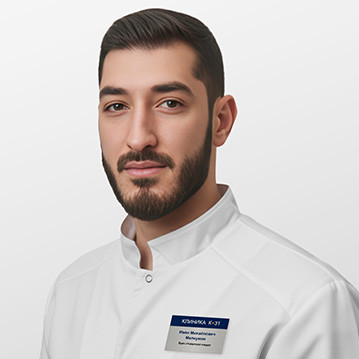
Melkumyan Ivan Mikhailovich
Experience 6 years
Make an appointment
Melkumyan
Ivan Mikhailovich
Dentist-surgeon
Golubev Vitaly Viktorovich
Experience 24 years
Make an appointment
Golubev
Vitaly Viktorovich
Dentist-orthodontist
Pavliy Yulia Vitalievna
Experience 15 years
Make an appointment
Pavliy
Yulia Vitalievna
Dentist-therapist
Najaryan Liana Artyomovna
Experience 6 years
Make an appointment
Najaryan
Liana Artyomovna
Dentist-surgeon, implantologist
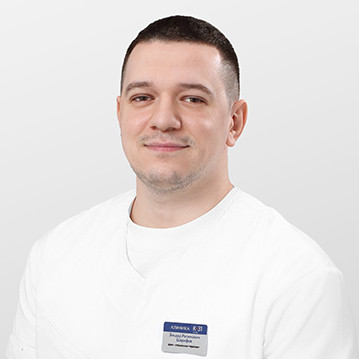
Sharifov Eldar Rasimovich
Experience 7 years
Make an appointment
Sharifov
Eldar Rasimovich
Dentist-therapist
Sanikidze Nino Nugzarovna
Experience 14 years
Make an appointment
Sanikidze
Nino Nugzarovna
Dentist Orthodontist
Ibragimova Olesya Kayinbekovna
Experience 18 years
Make an appointment
Ibragimova
Olesya Kayinbekovna
Dentist-therapist, microscopist
Sahakyan Arpine Argishtovna
Experience 9 years
Make an appointment
Sahakyan
Arpine Argishtovna
Dentist, pediatric dentist
Geraskina Inna Igorevna
Experience 11 years
Make an appointment
Geraskina
Inna Igorevna
Orthodontist
Nikolaeva Irina Yuryevna
Experience 31 year
Make an appointment
Nikolaeva
Irina Yuryevna
Dentist surgeon, periodontist
Avdeeva (Sokolova) Anastasia Eduardovna
Experience 12 years
Make an appointment
Avdeeva (Sokolova)
Anastasia Eduardovna
Dentist, pediatric
Shapran Sergey Olegovich
Experience 10 years
Make an appointment
Shapran
Sergey Olegovich
Dentist-surgeon
Lebedeva Natalia Mikhailovna
Experience 6 years
Make an appointment
Lebedeva
Natalia Mikhailovna
Orthodontist
Ozerova Elena Valerievna
Experience 24 years
Make an appointment
Ozerova
Elena Valerievna
Dentist
Lebedeva
Taisia Mikhailovna
Dentist-therapist, pediatric dentist
Gulyutkin Alexander Mikhailovich
Experience 6 years
Make an appointment
Gulyutkin
Alexander Mikhailovich
Dentist-therapist
Mitroshenkov Pavel Nikolaevich
Experience 41 year
Make an appointment
Mitroshenkov
Pavel Nikolaevich
Maxillofacial surgeon
Dergunova Anna Olegovna
Experience 11 years
Make an appointment
Dergunova
Anna Olegovna
Dentist-therapist
Pavlovskaya Evgeniya Olegovna
Experience 13 years
Make an appointment
Pavlovskaya
Evgeniya Olegovna
Dentist-orthopedist, dentist-therapist
Khachatryan Ripsime Grigorievna
Experience 8 years
Make an appointment
Khachatryan
Ripsime Grigorievna
Dentist-therapist
Zakharova Ksenia Sergeevna
Experience 8 years
Make an appointment
Zakharova
Ksenia Sergeevna
Dental surgeon, periodontist
Zhigulina Yulia Olegovna
Experience 10 years
Make an appointment
Zhigulina
Yulia Olegovna
Dentist
Aylarova Zarina Vladimirovna
Experience 11 years
Make an appointment
Aylarova
Zarina Vladimirovna
Dentist-therapist
Marchenko Ekaterina Andreevna
Experience 4 years
Make an appointment
Marchenko
Ekaterina Andreevna
Dental assistant
Dyachkova Inna Vladimirovna
Experience 9 years
Make an appointment
Dyachkova
Inna Vladimirovna
Orthodontist
All specialists
2GIS Award
2GIS Award

This award is given to clinics with the highest ratings according to user ratings, a large number of requests from this site, and in the absence of critical violations.

«Good place» according to Yandex

This award is given to clinics with the highest ratings according to user ratings. It means that the place is known, loved, and definitely worth visiting.

Our doctors are laureates of the ProDoctors Award
The ProDoctors portal collected 500 thousand reviews, compiled a rating of doctors based on them and awarded the best. We are proud that our doctors are among those awarded.
Make an appointment at a convenient time on the nearest date

Price

Reception
Price
Primary appointment with a dentist-therapist
from 5 800 ₽
Repeated appointment with a dentist-therapist
from 4 950 ₽

Appointment to the doctor

Fill out the form, our managers will contact you within 15 minutes

Reviews

I am always happy with brushing my teeth
20.04.2026
Kseniya A.
An exceptionally professional doctor! Thank you very much!!!
18.04.2026
Valeriy Sh.
Thank you Natalia for your attention and care. If you go to the dentist, then only to her.
16.04.2026
Georgiy Y.
My favorite dentist. The treatment is at the highest level.
13.04.2026
Viktoriya F.
A very nice, neat and attentive doctor.Jewelry work.It was completely painless, fast and as comfortable as possible at the reception.Thanks to Artur Tamerlanovich!
05.04.2026
Yuliya P.
An excellent specialist, very sensitive and attentive. He's doing a great job.
03.04.2026
Gleb V.
An attentive and careful doctor.
01.04.2026
Darya G.
Very attentive, professional. He does it well.
01.04.2026
Yuliya I.
Everything is perfect! I've already recommended the doctor to several of my friends! I will definitely come again!
31.03.2026
Anastasiya B.
I would like to express my gratitude to Ivan Mikhailovich for the operations and bandages performed, as well as to the assistants Natalia, Nadezhda, Victoria. Thank you for your support, professionalism and kindness!
29.03.2026
Darya T.
Почему К+31?
К + 31 — full-cycle multidisciplinary medical centers, including the possibility of providing medical services of European quality level.
К + 31 — are leading doctors and diagnostics using high-tech equipment from world manufacturers (Karl Storz, Olympus, Siemens, Toshiba, Bausch&Lomb, Technolas, Zeiss, Topcon).
К + 31 — is ethical. The staff of K+31 clinics maintain open relationships with patients and partners. An individual approach to each patient is the basis of our service standards.
К + 31 — is modernity. On call 24/7: call center operators will answer your questions at any time and book you an appointment with doctors. Contact us by phone, through the feedback form on the website and Max.
Our clinics

Address K+31 on Lobachevskogo

st. Lobachevskogo, 42/4

Contacts

+7 499 999-31-31

Opening hours

Mon-Fri: 08:00 – 21:00
Weekend: 09:00 – 19:00

How to get there

  • Метро: Проспект Вернадского (1)(11)
  • Автомобиль: Двигаясь по ул. Лобачевского, проезжаем первый шлагбаум (пост охраны ГКБ № 31), поворачиваем направо у второго шлагбаума (пост охраны К+31)

Address K+31 Petrovskie Vorota

1st Kolobovsky pereulok, 4

Contacts

+7 499 999-31-31

Opening hours

Mon-Fri: 08:00 – 21:00
Sat-Sun: 09:00 – 19:00

How to get there

  • Метро: Цветной Бульвар (9), Трубная (10)
  • Автомобиль: По Петровскому бульвару, поворот на ул. Петровка, затем на 1-й Колобовский пер. Муниципальная парковка.

Address K+31 West

Orshanskaya, 16/2; Ak. Pavlova, 22

Contacts

+7 499 999-31-31

Opening hours

Mon-Fri: 08:00 – 21:00
Sat-Sun: 09:00 – 18:00

How to get there

  • Метро: Молодежная (3)
  • Автомобиль: Двигаясь по улице Оршанская, поворачиваем к шлагбауму с постом охраны К+31.
Петровские ворота
Didn't find the service you were looking for?

Экстренная помощь