
Deep bite
Many people don't even realize they have an overbite, because their smile may look normal. But in reality, it's one of the most insidious problems: teeth gradually wear down, and gums and jaw joints suffer. If orthodontic treatment isn't started promptly, it's unlikely you'll be able to save your enamel from wearing down and maintain facial symmetry.

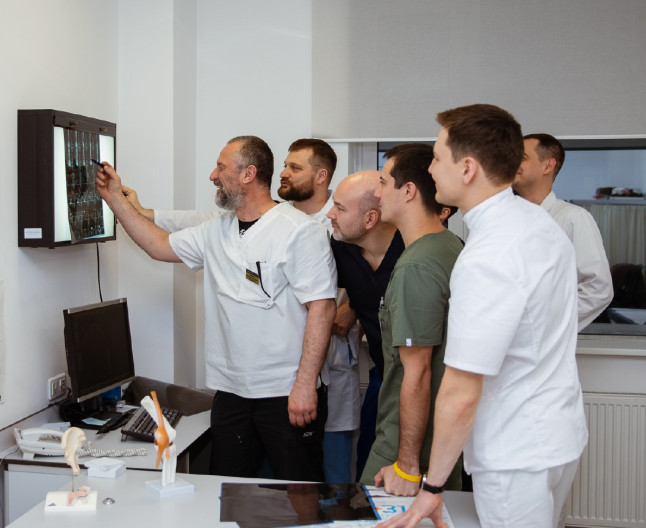
specialists

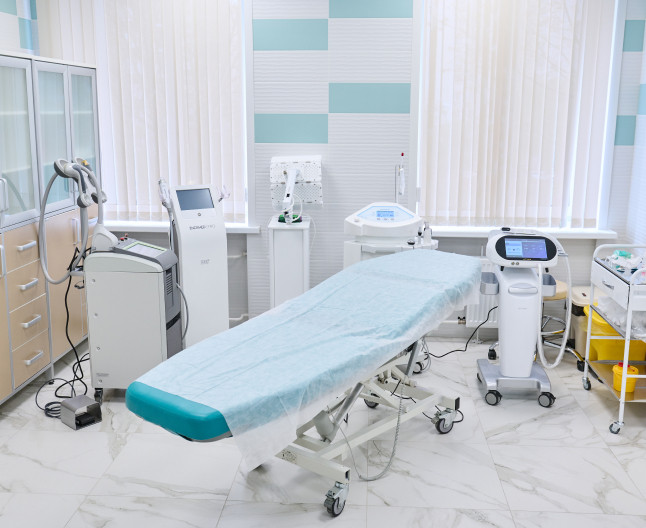
equipment

treatment






Causes of deep bite
The development of this anomaly is rarely caused by a single factor. It is usually a combination of factors that begin in childhood.
Hereditary factors
Genetics determines the size of the jaws and the shape of the teeth. If the parents had an upright malocclusion, the likelihood that the child will have the same defect is very high.
Jaw growth disorders
The causes of a deep bite are underdevelopment of the lower jaw or excessive growth of the upper jaw. The inclination of the teeth is also important: if the front teeth are tilted inward (retrusion), this contributes to a "deeper" bite.
Bad habits and myofunctional disorders
Thumb-sucking, pacifier-sucking, or lip-biting alter the direction of dental growth. Infantile swallowing and mouth-breathing also have a negative impact, causing the facial muscles to work incorrectly and not provide adequate jaw support.
Tooth loss, attrition, and other dental causes
In adults, the bite often deteriorates over time. For example, if lateral teeth are lost early, the jaws begin to close too tightly, causing the bite to "sag." The same thing happens if teeth are severely worn: their height decreases, causing the lower jaw to move higher than it should when closing the mouth.
Symptoms and signs of a deep bite
You can suspect the condition yourself, but an orthodontist should confirm the diagnosis after an examination.
External signs
In addition to severe overlapping of teeth, crowding of the anterior teeth is often observed. The face may appear disproportionate: the lower jaw appears too small or retracted, and the lips appear excessively full or everted.
Complaints when chewing and clenching teeth
Patients may complain of rapid fatigue of the masticatory muscles. Poor jaw alignment can make it difficult to bite into hard foods. Clicking or pain in the ear, where the temporomandibular joint (TMJ) is located, often occurs.
When should you see an orthodontist?
You should see an orthodontist if you notice your teeth are wearing down, the gums behind your lower incisors are frequently inflamed, or your teeth are causing physical discomfort when you bite.
Signs that you should see an orthodontist:
- Upper teeth overlapping the lower teeth too much
- Teeth are injuring the nasal mucosa
- Noticeable increased wear on the front teeth
- Discomfort when closing the jaws
- Difficulty biting and chewing food
Why is a deep bite dangerous?
The idea that this is simply a matter of aesthetics is a misconception. The consequences of a deep bite affect the entire body.
Tooth wear
Due to the incorrect angle of contact, the enamel on the cutting edges of the lower teeth and the inner surface of the upper teeth wears away several times faster than normal.
Mucosa trauma
With a deep, traumatic bite, the lower incisors press against the palatal mucosa, causing chronic wounds, stomatitis, and even gingivitis. This is a constant source of infection in the mouth.
Overload of teeth and joints
The chewing load is distributed unevenly, which overloads the periodontium. The TMJ also suffers: incorrect jaw positioning leads to joint dysfunction, headaches, and a crunching sound when opening the mouth.
Aesthetic and Functional Consequences
In addition to the "aging" profile, diction (lisp) and chewing quality are impaired, which over time leads to gastrointestinal diseases.
General information
Diagnosing a deep bite
Diagnosing a deep bite is a treatment step.
Next comes:
- Examination and assessment of the bite. The doctor examines it statically and dynamically.
- Photographic protocol and digital scanning. The face and teeth are photographed, and symmetry is assessed.
- Digital scanning. It can be used to create an accurate 3D model of the jaws.
- Radiological diagnostics. If indicated, an orthopantomogram (general image) and a teleradiogram (TRG in the lateral projection) are performed. TRG is critical for understanding whether the problem is purely dental or skeletal.
- Treatment plan development. The orthodontist calculates tooth movement parameters and selects equipment.
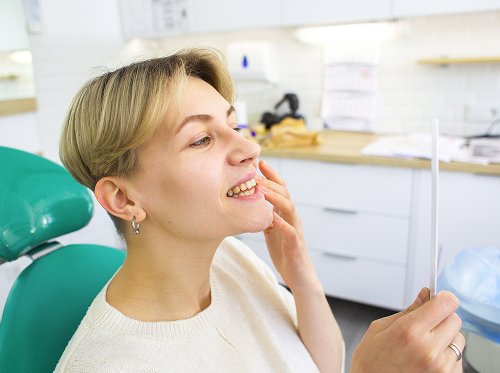
To reduce the risk of developing pathology in children, it is important to:
- Introduce solid foods promptly to strengthen the jaw.
- Monitor posture and breathing pattern (nasal).
- Wean children off sucking before age 2.
Six-monthly dental checkups allow you to notice changes in the occlusion of the teeth at an early stage, when deep bite correction is most rapid and easy.
Frequently asked questions
Is it possible to correct a deep bite with veneers alone?
How long does treatment last?
Is it necessary to remove wisdom teeth?
Our doctors

















































This award is given to clinics with the highest ratings according to user ratings, a large number of requests from this site, and in the absence of critical violations.

This award is given to clinics with the highest ratings according to user ratings. It means that the place is known, loved, and definitely worth visiting.

The ProDoctors portal collected 500 thousand reviews, compiled a rating of doctors based on them and awarded the best. We are proud that our doctors are among those awarded.
Make an appointment at a convenient time on the nearest date
Price

Appointment to the doctor
Reviews


Our clinics


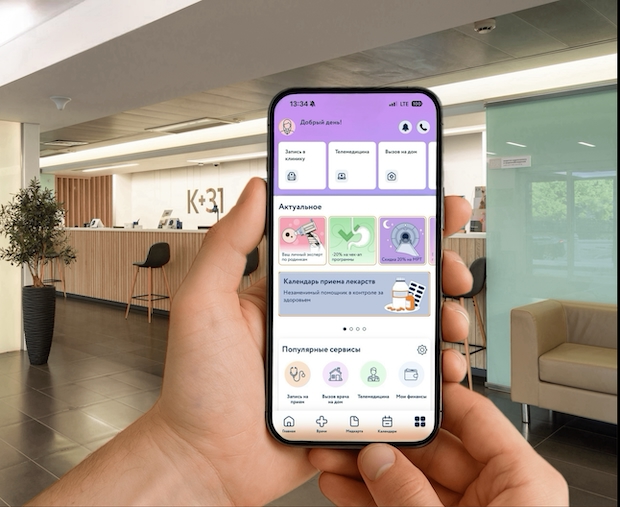
Application “Personal Account K+31”











What is a deep bite?
A deep bite is when the upper teeth overlap the lower teeth excessively (by more than a third). It can be even worse: the teeth are so crooked that they literally dig into the gums or palate, scratching them.
What does a deep bite look like?
Visually, this pathology manifests itself as a severe overlap of the upper teeth over the lower ones. When the jaws are closed, the lower teeth are only partially visible. In some people, this causes the lower part of the face to appear shortened and the lips to purse.
How does a deep bite differ from normal?
The physiological norm implies that the upper incisors overlap the lower ones by approximately 1–3 millimeters (about 1/3 of the crown height). However, proper contact between the incisal edges is maintained. With a deep bite, this overlap of the incisors is much greater, increasing the chewing load and worsening the appearance.