Treatment of Medium Caries in Moscow
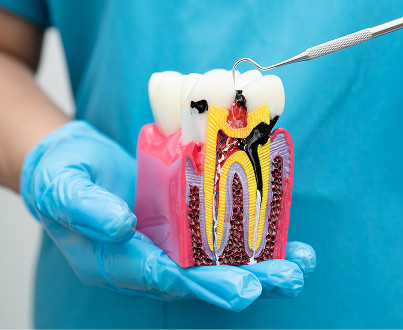
When tooth enamel can no longer cope with the onslaught of bacteria, the pathological process goes deeper. Treatment of medium caries is one of the most common reasons for visiting a general dentist. At this stage, the decay has already passed the protective layer of enamel and affected the upper layers of dentin, but has not yet reached the pulp (nerve). Timely treatment of medium caries offers the opportunity to heal the tooth without expensive treatment.

specialists

equipment

treatment






Symptoms and signs of medium caries
What patients complain about
The main complaint is pain with moderate caries, which occurs when:
- Exposure to cold water or air
- Consuming sweet, sour, or salty foods
- Ingestion of hard food into the cavity
Medium caries has one key characteristic: the pain subsides after the irritant is removed. However, if the pain persists for a long time or occurs spontaneously at night, this may indicate the progression to pulpitis.
How does moderate caries differ from superficial and deep caries?
To understand treatment strategies, it's important to differentiate between the different degrees of damage. The main criterion is the depth of bacterial penetration.
| Caries Form | Depth of Lesion | Typical Symptoms | Treatment Methods | Risk of Complications |
|---|---|---|---|---|
| Superficial | Within Enamel | Short-term pain from sweet and sour foods | Minimal preparation, remineralization | Low |
| Moderate Caries | Enamel and Upper Dentin | Reaction to Cold, Sweet, and Getting Stuck | Preparation, filling | Moderate (pulpitis possible) |
| Deep caries | Deep layers of dentin near the pulp | Sharp pain from all irritants, pain when biting | Complex filling, possible root canal treatment | High (pulpitis, periodontitis) |
Causes of the development of medium caries
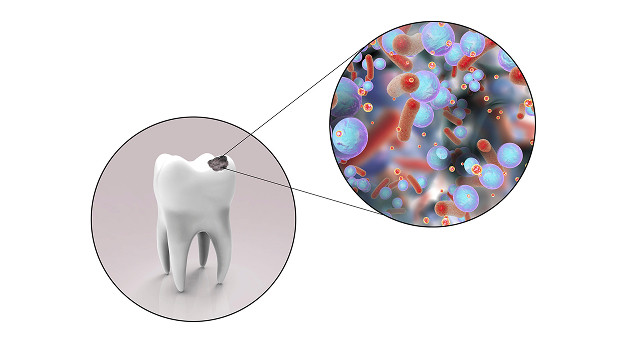
The main culprit of decay are the microorganisms that make up dental plaque. During their life cycle, they digest carbohydrates from food and secrete organic acids, which leach minerals from tooth tissue.
How caries affects enamel and dentin
First, the acids destroy the enamel's crystal lattice. Once this barrier is breached, bacteria enter the dentin cavity. Dentin is riddled with microscopic tubules, through which infection spreads quite quickly. Because of this, the entry hole in the enamel may be small, but a large cavity is revealed inside the tooth.

Major Risk Factors
Cavities occur due to:
- Improper toothbrushing: food debris is an ideal breeding ground for bacteria
- Consuming large amounts of sugar
- Teeth growing close together
- Reduced protective properties of saliva (xerostomia)
Cavities also occur in people who rarely visit the dentist. It is recommended to have their teeth checked at least once every six months.

Before treating moderate caries, the dentist must ensure that the inflammation has not affected the nerve.
Visual examination and probing
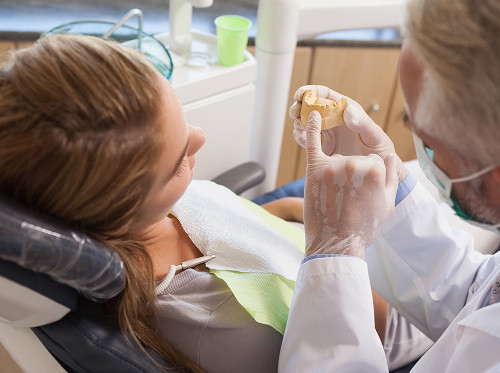
The dentist uses a mirror and probe. During examination, signs of moderate caries are visible: darkened enamel, a cavity filled with softened dentin and food debris. Upon probing, the patient may feel brief pain in the dentinoenamel junction.
When is X-ray diagnostics required?
If the cavity is located on the contact surface (between the teeth), it is difficult to see it with the naked eye. In such cases, instrumental diagnostics of moderate caries is performed. The dentist prescribes a targeted X-ray or CT scan. X-rays allow for precise determination of the depth of the defect and assessment of the tissue condition around the root.
General information about the procedure
How is moderate caries treated?
Modern dentistry in Moscow is focused on maximizing the preservation of healthy tissue. Moderate caries, which typically takes 40 to 60 minutes to treat, is treated in a single visit.
Preparation, Anesthesia, and Tooth Isolation
First, a professional cleaning is performed to remove plaque from the tooth. This is followed by anesthesia to ensure a comfortable procedure. To protect the working area from the patient's saliva and breath, the tooth is isolated with a rubber dam (latex curtain). This is critical for the longevity of the filling, as modern adhesive systems require perfect dryness.
Removal of Affected Tissue
The main stage is preparation. The dentist removes all infected and softened tissue. Modern equipment allows this to be done carefully, without affecting healthy dentin. The goal is to create a clean cavity with strong walls.
Tooth restoration with filling material
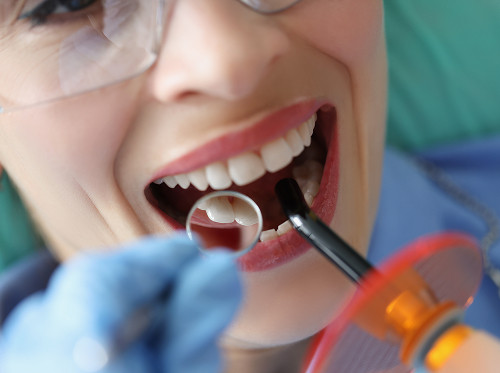
After cleaning, the cavity is treated with antiseptics and an adhesive ("glue"). Next, a filling is placed for moderate caries. Dentists use a light-curing composite material, which is applied layer by layer. This allows for the restoration of the tooth's anatomical shape, including all cusps and fissures, to maintain a proper bite. The procedure is completed with grinding and polishing.

Frequently Asked Questions
This article is for informational purposes only. A specialist consultation is required for diagnosis and treatment planning.
Is it painful to treat moderate caries?
How is moderate caries treated in children?
How long does a filling for moderate caries last?
Where is the best place to treat moderate caries in Moscow?
Our doctors



















































This award is given to clinics with the highest ratings according to user ratings, a large number of requests from this site, and in the absence of critical violations.

This award is given to clinics with the highest ratings according to user ratings. It means that the place is known, loved, and definitely worth visiting.

The ProDoctors portal collected 500 thousand reviews, compiled a rating of doctors based on them and awarded the best. We are proud that our doctors are among those awarded.
Make an appointment at a convenient time on the nearest date
Price

Appointment to the doctor
Reviews





















Our clinics


Application “Personal Account K+31”