Treatment of Osteomyelitis of the Jaw
Osteomyelitis of the jaw is a severe pathological process characterized by infectious inflammation of all bone tissue elements: bone marrow, compact and spongy bone, and periosteum. The disease is characterized by severe intoxication and the risk of jawbone destruction. Treatment of osteomyelitis of the jaw should be initiated in the early stages of the disease, as infection in the head and neck area quickly spreads to adjacent organs and can be life-threatening.

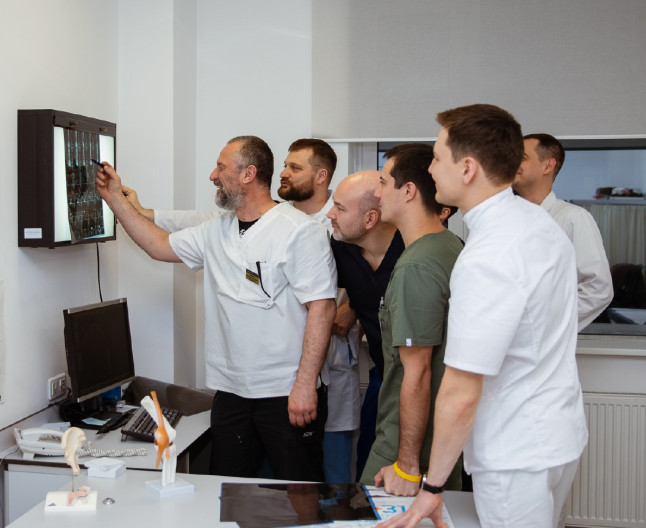
specialists

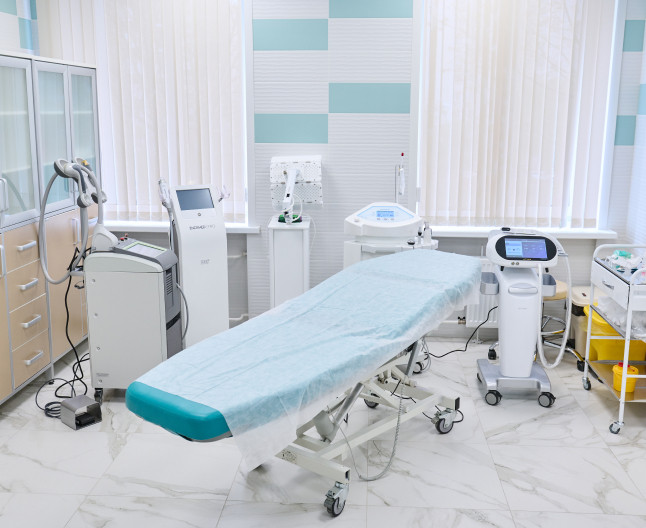
equipment

treatment




Causes and risk factors
The development of inflammation is always associated with the penetration of infection into the deep layers of the bone. The course of the disease depends on how the bacteria entered the body.
Odontogenic Causes
Odontogenic osteomyelitis of the jaw is the most common diagnosis (up to 75% of all cases). The main source of infection is a tooth that was not treated promptly. In this case, the infection can accumulate for months. Eventually, it penetrates the bone and causes severe pain.
Trauma, Tooth Extraction, and Postoperative Causes
Pathology often develops after tooth extraction if the socket was infected or the patient did not follow the doctor's recommendations. Traumatic osteomyelitis occurs with jaw fractures, when microbes enter the bone wound from the external environment or the oral cavity.
Comorbidities and Risk Factors
There are conditions that weaken the body's defenses, which facilitates the development of jawbone inflammation:
- Diabetes mellitus and other endocrine disorders
- Blood and vascular diseases
- Chronic vitamin deficiency and exhaustion
- Long-term use of certain medications (e.g., bisphosphonates)
In clinical practice, doctors distinguish two main phases of the disease, which differ radically in their symptoms and treatment approaches.
Acute Osteomyelitis of the Jaw
Acute osteomyelitis of the jaw begins suddenly. It is characterized by a violent reaction of the body: a sharp rise in temperature, chills, and unbearable pain. At this stage, a purulent lesion forms within the bone, which seeks to emerge.
Chronic Osteomyelitis of the Jaw
If the acute phase is not fully treated, chronic osteomyelitis of the jaw develops. The pain subsides, but bone destruction continues. A sequestrum forms in the jaw—an area of dead bone tissue that is rejected by the body and maintains constant inflammation.
| Form | How it starts | Main symptoms | What is visible during examination | Treatment features |
|---|---|---|---|---|
| Acute | Sudden, violent | High fever, severe throbbing pain | Soft tissue swelling, changes in blood tests | Urgent drainage of pus, antibiotics |
| Chronic | Gradually (after the acute phase) | Slow progression, presence of fistulas with pus | Sequesters on CBCT, bone compaction | Surgical removal of necrotic areas |

Symptoms of Osteomyelitis of the Jaw
The clinical presentation depends on the location of the process. Osteomyelitis of the mandible is a serious pathology. The disease is more acute and painful. Osteomyelitis of the maxilla is dangerous due to its proximity to the maxillary sinuses.
Early Signs
Symptoms of osteomyelitis of the jaw are very similar to a common toothache:
- Aching or throbbing pain in the jaw
- Slight swelling of the gums
- Mobility of several adjacent teeth
- An unpleasant putrid odor from the mouth
Severe symptoms and progression
As the disease progresses, the patient's condition rapidly worsens. The following symptoms are observed:
- Severe facial swelling that disrupts symmetry
- Body temperature of 38–39°C or higher
- Limited mouth opening due to inflammation of the masticatory muscles
- Pus oozing from the gum pockets or through a fistula (a channel for the drainage of exudate) in the skin
When is urgent care needed?
There are symptoms that require immediate medical attention. Seek immediate medical attention if you experience:
- Numbness of the lower lip or chin (Vincent's sign)
- Difficulty swallowing or breathing
- Severe swelling of the neck
- Jaw pain is accompanied by weakness and confusion
General information
Diagnosis of Osteomyelitis of the Jaw
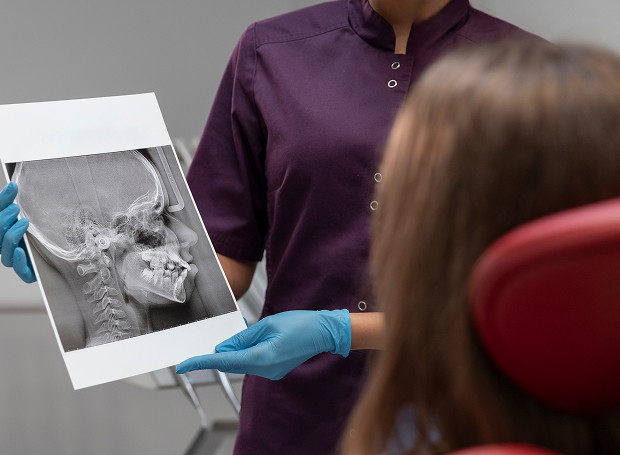
Accurate diagnosis of osteomyelitis of the jaw requires a comprehensive approach, as bone changes in the early stages may not be visible on simple x-rays.
Examination and Collection of Complaints
The doctor assesses the general condition, checks for tooth mobility, the presence of infiltrates (dense formations), and the condition of the lymph nodes. The doctor's goal is to establish a connection between the disease and recent dental treatment or trauma.
X-rays, CBCT/CT scans, and laboratory tests
A diagnosis cannot be made visually. The doctor conducts diagnostic tests before prescribing treatment. He does:
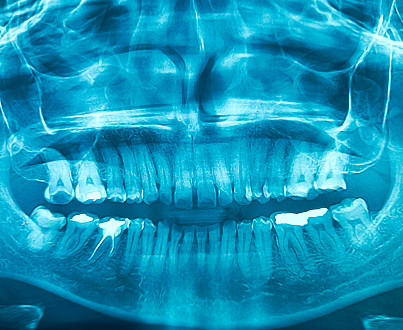
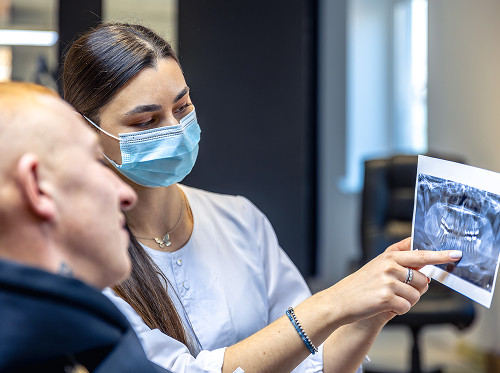
- X-ray of the jaw: allows you to see gross changes and sequestrations
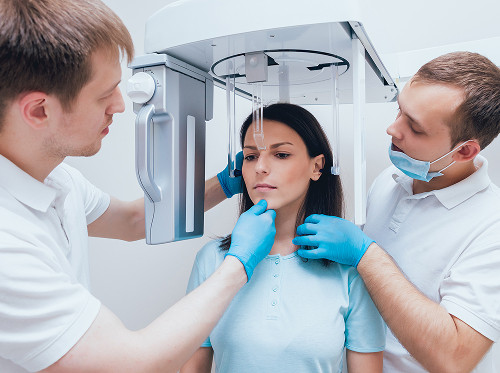
- CBCT of the jaw (cone beam computed tomography): the most informative method, providing a 3D image of the bone structure
- Blood test: shows the level of leukocytes and ESR, confirming the presence of acute inflammation
Differential diagnosis
The specialist must exclude diseases with similar symptoms: periostitis (flux), soft tissue abscesses, specific infections (actinomycosis), or tumor processes.


Frequently Asked Questions
Can osteomyelitis be cured with antibiotics alone?
Can this disease be transmitted to other people?
Can osteomyelitis resolve on its own?
Brief conclusions
- Osteomyelitis is a purulent destruction of the jaw.
- The main cause is neglected teeth and trauma.
- The main symptoms are severe pain, swelling, fever, and tooth mobility.
- Treatment is always complex: surgery plus antibiotics.
- Prevention involves treating caries and regular hygiene.
Important: With osteomyelitis, it is strictly forbidden to heat the affected area or self-medicate. You will not cure the disease, but will only allow the pus to spread to adjacent tissues.
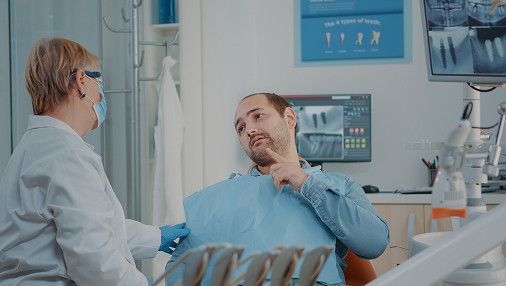
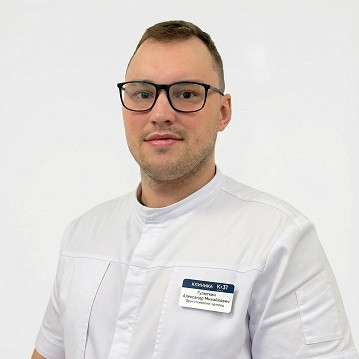
Our doctors














































This award is given to clinics with the highest ratings according to user ratings, a large number of requests from this site, and in the absence of critical violations.

This award is given to clinics with the highest ratings according to user ratings. It means that the place is known, loved, and definitely worth visiting.

The ProDoctors portal collected 500 thousand reviews, compiled a rating of doctors based on them and awarded the best. We are proud that our doctors are among those awarded.
Make an appointment at a convenient time on the nearest date
Price

Appointment to the doctor
Reviews



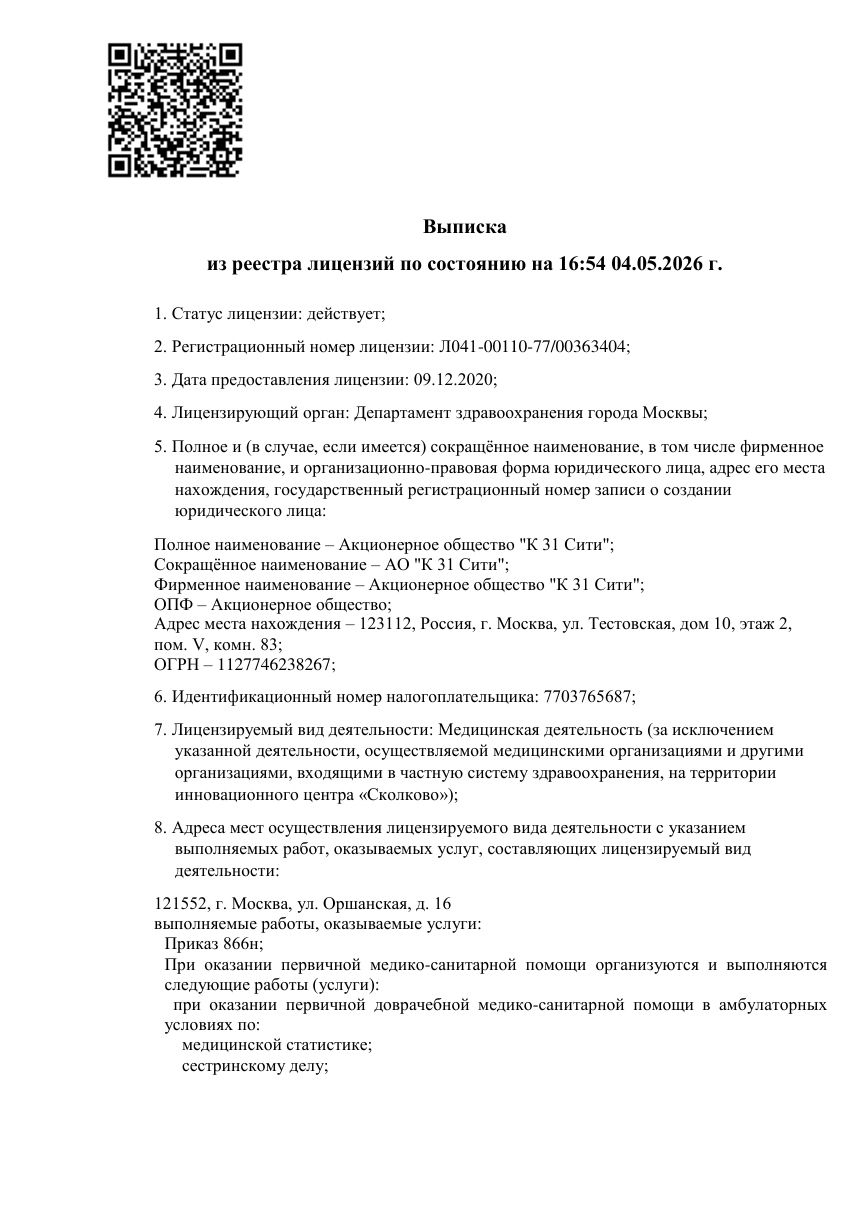
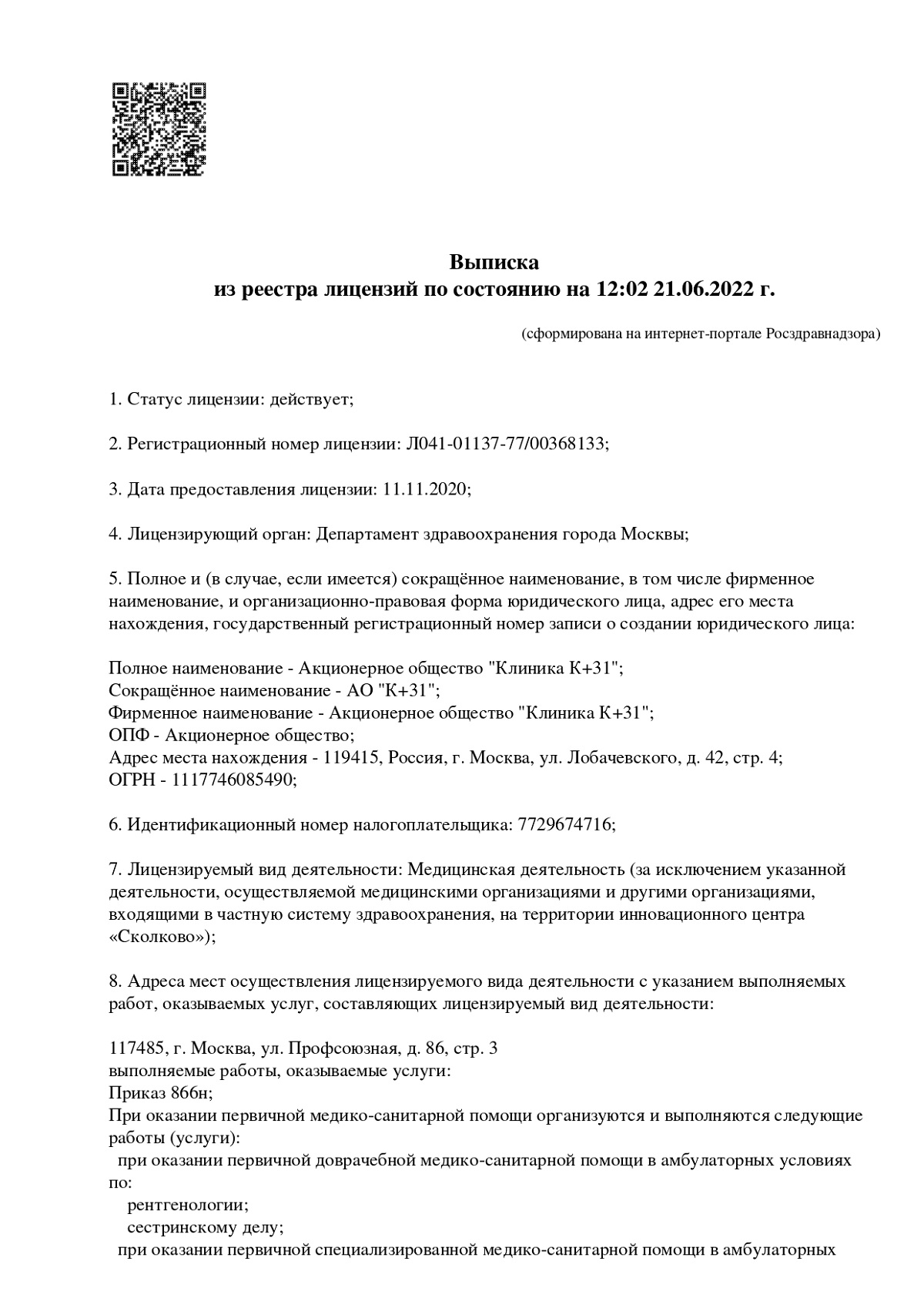
Our clinics


Application “Personal Account K+31”