
Aphthous stomatitis: how to recognize and treat
A painful lesion of the soft lining of the mouth is called aphthous stomatitis. Round ulcers with a coating and a red border appear in the mouth. The ulcers heal without scarring, although the disease itself is painful. The affected areas are painful, and recurrent episodes often occur, requiring medical treatment.
A person suffering from aphthous stomatitis suffers from poor appetite and oral soreness, making even brushing teeth a significant discomfort.

specialists

equipment

treatment






Symptoms of aphthous stomatitis
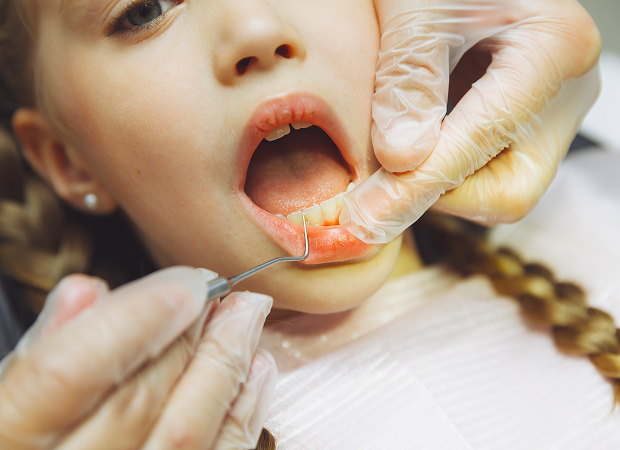
A flare-up often begins with tingling and soreness in the affected area, and then oral aphthae develop. Subsequently, reactions to food, drinks, and even regular toothbrushing intensify.
What do aphthae look like?
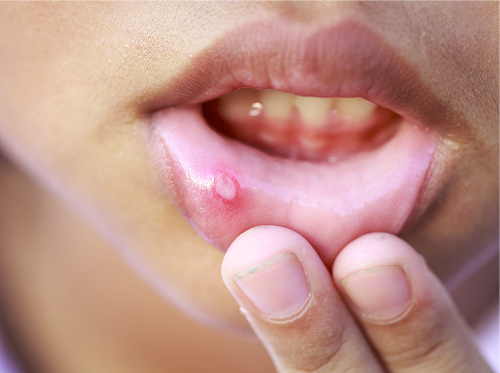
An aphtha usually appears as a round ulcer with a light center and a red, inflamed edge. Small mouth ulcers can be single or multiple. Sometimes a person describes them as white sores in the mouth, although the whitish appearance is more often associated with plaque on the surface.
Where do ulcers most often appear?
Oral aphthae are most often located on the inner surface of the lips and cheeks, on the sides of the tongue, on the floor of the mouth, and on other soft tissue. The entire oral mucosa is important for the doctor, as the location of the ulcer helps distinguish it from other lesions.

Pain, burning, and other symptoms
The most typical symptoms of aphthous stomatitis are pain, a localized burning sensation in the mouth, discomfort when talking, and severe pain when eating. With multiple lesions, a person eats and drinks less effectively, and localized inflammation of the mucous membrane increases.
- Pain when eating and talking
- Plaque on the surface of the ulcer
- Red ring around the defect
- Sensitivity to sour, salty, and hot foods
- Discomfort when brushing teeth

Causes and risk factors
The exact causes of aphthous stomatitis are not always known. More often, it involves a combination of local triggers, a hereditary predisposition, and the immune response.
Mucosa trauma and local irritants
Triggering factors include trauma to the mucosa. For example, this could be biting the cheek, a sharp tooth edge that injures the mucosa, an overhanging filling, chewing coarse foods, or using a hard toothbrush. The problem is aggravated by irritating foods and alcohol-containing mouthwashes. The problem is also aggravated if the patient constantly touches the ulcer with their tongue.
Deficiency states and concomitant diseases
Recurrent episodes are sometimes associated with more than just oral health issues. The doctor considers vitamin deficiencies, iron, folate, vitamin B12, and zinc deficiencies, as well as gastrointestinal diseases, celiac disease, inflammatory bowel disease, and other underlying conditions.
Why the disease may recur
Relapses often occur due to stress, lack of sleep, local irritation, and untreated causes. Therefore, therapy includes not only pain relief but also identifying the factors that trigger a new episode.
Diagnosis
The diagnosis of aphthous stomatitis is primarily clinical. The doctor is primarily concerned with the patient's complaints, the appearance of the lesions, and the condition of the entire mucosa.
Examination and collection of complaints
During the appointment, the doctor will determine when the ulcers appeared, whether there have been similar episodes before, and whether they are related to trauma, fever, stress, medications, or stomach or intestinal diseases. The doctor will then examine the teeth, gums, tongue, and soft tissues to determine if there is a source of persistent irritation.
When additional examinations are needed
If mouth ulcers take a long time to heal, recur frequently, or are accompanied by general complaints, tests for deficiency conditions and consultations with related specialists may be necessary. This approach is necessary to avoid missing a systemic cause and reducing the problem to a local process.
What is the differential diagnosis?
Differential diagnosis is necessary to distinguish aphthae from herpes lesions, candidiasis, traumatic ulcers, and other diseases. Aphthae are typically round, painful lesions without preceding blisters. In trauma, the lesion often coincides with the site of irritation, while in herpes, the picture is usually different.
| Symptom | Aphthous stomatitis | Herpetic lesion | Traumatic ulcer |
|---|---|---|---|
| Element | Aphtha, ulcer | Vesicles, erosions | Single ulcer |
| Location | Soft mucous membrane | Different areas | At the site of injury |
| Course | May recur | Associated with a viral process | While the irritant is active |
The table is needed to differentiate similar conditions, but the final diagnosis is still made based on an in-person examination.
Treatment of aphthous stomatitis
The main goals of therapy are to relieve pain, accelerate healing, and reduce the risk of further episodes. The answer to the question of how to treat aphthous stomatitis depends on the number of lesions, their depth, and the overall picture.
Local treatment
The mainstay of care is local treatment of stomatitis. A doctor may recommend pain relief, protective applications, gentle antiseptic treatment, and topical anti-inflammatory agents. In clinical reviews, topical glucocorticoids are often cited as the first-line treatment for painful aphthae.
Systemic therapy as indicated
If the lesions are large, multiple, frequently recur, and severely interfere with nutrition, systemic medications are sometimes considered. This option is only acceptable under the guidance of a specialist, especially during pregnancy, in children, and in patients with chronic diseases.
Oral care and nutrition
Comprehensive therapy includes a soft diet, adequate fluid intake, and gentle oral hygiene. During flare-ups, it's best to avoid coarse, acidic, spicy, and extremely hot foods. A calm diet and gentle hygiene can help reduce unnecessary irritation.
- A soft toothbrush with gentle pressure
- Warm, non-irritating foods
- Drinking plenty of fluids
- Avoiding irritating foods
- Gentle hygiene without harsh products
General information
What not to do with aphthous stomatitis
Don't cauterize the mucous membrane with alcohol, iodine, brilliant green, or concentrated hydrogen peroxide. Don't take antibiotics without medical supervision and don't postpone a visit if the pain intensifies or the ulcer changes appearance. Another mistake is to assume that all ulcers are the same and don't require clarification of the cause.
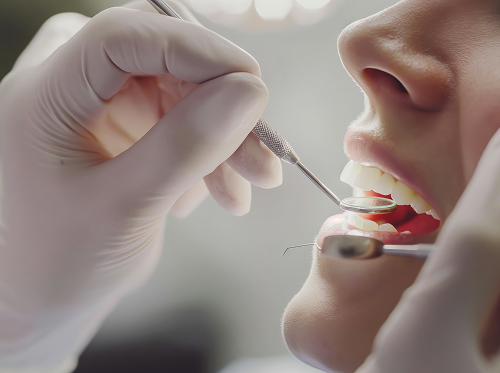
Relapse prevention is based on eliminating local injuries, practicing gentle hygiene, and monitoring underlying disorders. If the doctor detects deficiencies or a chronic disease, their correction is also included in the plan.
- Remove sharp edges and uncomfortable fillings.
- Choose a soft toothbrush and gentle toothpaste.
- Eat a balanced diet.
- Come for checkups if episodes recur.
- Avoid aggressive self-medication.
FAQ
Is canker sores contagious?
How long does the condition last?
Can it be treated at home?
How does it differ from herpetic blisters?
The causes of recurrences of this disease vary, and treatment for aphthous stomatitis is individualized. Therapy relieves pain, brings significant relief, and ultimately leads to a complete cure. A doctor performing therapy not only treats the disease but also identifies the factor that triggers recurrences.
Caution! Self-medication for aphthous stomatitis is dangerous. At the first sign of the disease, consult a specialist, as many other conditions can masquerade as aphthous stomatitis.
Be especially careful if pain intensifies, body temperature rises, weakness or swelling occurs, or the ulcers themselves do not heal quickly or recur frequently. This is an acute condition that requires immediate medical attention.
Our doctors


















































This award is given to clinics with the highest ratings according to user ratings, a large number of requests from this site, and in the absence of critical violations.

This award is given to clinics with the highest ratings according to user ratings. It means that the place is known, loved, and definitely worth visiting.

The ProDoctors portal collected 500 thousand reviews, compiled a rating of doctors based on them and awarded the best. We are proud that our doctors are among those awarded.
Make an appointment at a convenient time on the nearest date
Price

Appointment to the doctor
Reviews





















Our clinics


Application “Personal Account K+31”












What is aphthous stomatitis?
So-called aphthous ulcers appear on the mucous membrane. A doctor diagnosing the disease evaluates not only the ulcer itself, but also its depth and the number of lesions located on the mucous membrane. The location and frequency of recurrence of the disease are also assessed.
If episodes of the disease recur frequently, the condition is called recurrent aphthous stomatitis. During an exacerbation, virtually the entire oral mucosa is affected.