
Dental Plaque: Causes, Removal, and Prevention
A bacterial film constantly forms on the enamel surface—it's a natural process in the oral cavity. The problem begins when it's not removed promptly. The film then gradually thickens, increasing the number of bacteria within it, and they begin to actively damage oral tissue. This increases the risk of tooth decay, gum inflammation, and periodontal disease.

specialists

equipment

treatment






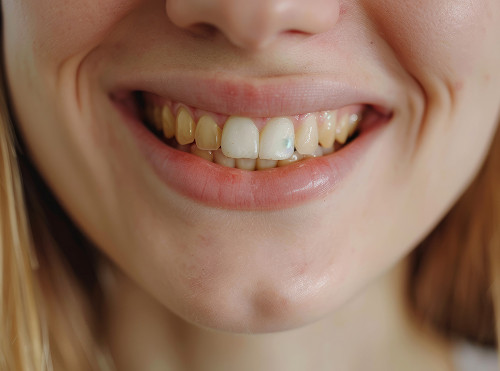
Dental plaque is a microbial biofilm that forms on the enamel shortly after brushing. It is composed of:
- Salivary proteins
- Polysaccharides
- Food debris and bacteria
First, a pellicle—a thin film that serves as a base for microorganisms to adhere to—appears on the tooth surface. Then, soft deposits begin to accumulate on it. If this layer persists for a long time, the microbial composition becomes less favorable: the proportion of anaerobic flora increases, and the biofilm itself becomes more irritating to oral tissues.
Why does plaque form on teeth?
Dental plaque forms where bacteria have a suitable breeding ground. Microorganisms actively multiply, and their waste products, along with food debris, gradually accumulate on the surface of the teeth. The rate at which plaque forms varies from person to person. It depends on a number of factors, including daily care, eating habits, and oral health.
Insufficient daily hygiene
Most often, it all starts with poor oral hygiene. When teeth aren't brushed morning and evening, a bacterial film remains on the enamel. Gradually, this film thickens, harboring more germs, and plaque begins to accumulate even faster. Therefore, regular brushing is essential.

Food, Drinks, and Staining Foods
Excess carbohydrates in the diet accelerate plaque formation because they provide a convenient food source for bacteria. If sweets are frequently present in the diet, the biofilm grows faster and becomes more sticky. This makes it easier for it to adhere to the enamel surface and persist longer. Coffee, tea, and wine also play a role: they contain pigments... Therefore, plaque on teeth with this combination of factors appears faster and appears darker than with proper care.
Smoking, dry mouth, braces, and other risk factors
Smoking, dry mouth, and braces all significantly affect the rate of plaque formation. The tar from smoking leaves a dense, dark stain on teeth. Insufficient saliva makes it harder for enamel to be cleaned naturally. Braces, in turn, prevent you from thoroughly brushing all areas, so plaque accumulates more easily in such conditions.
Types of dental plaque
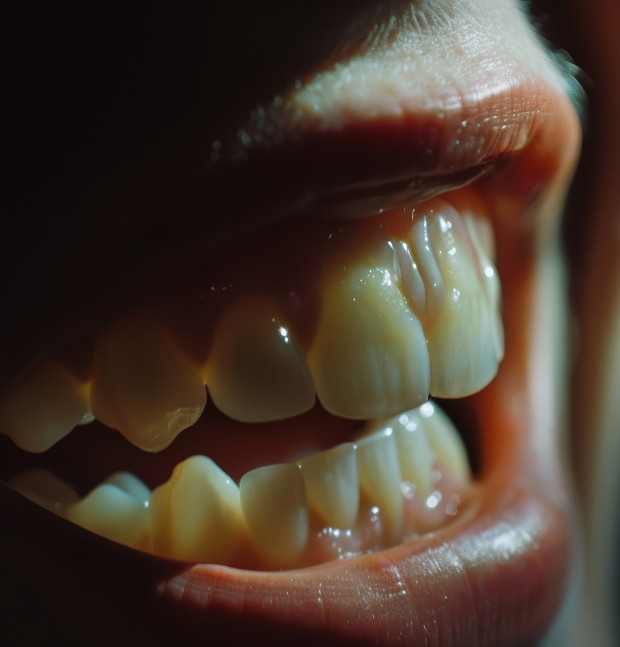
Soft bacterial plaque
Dental plaque varies in structure and shade. In some cases, it is soft plaque, which appears light and is relatively easy to remove during routine brushing. In others, the plaque gradually becomes denser, darker, and adheres more firmly to the surface of the teeth. As it accumulates, this layer becomes more difficult to remove with home remedies.
Pigmented plaque
Food colorings gradually change the shade of enamel, especially if such foods and drinks are frequently present in the diet. As a result, pigmented plaque forms, which becomes trapped in the microscopic irregularities of the surface, making it noticeably more durable.
Dense deposits and the difference from tartar
If plaque is not removed for a long time, the biofilm gradually begins to absorb calcium salts. This causes the hard plaque on the teeth to become denser and eventually crystallize. This is how tartar forms—a dense, mineralized deposit that can no longer be removed with a regular toothbrush.
How to tell if plaque needs to be removed
Early detection protects teeth.
Visible signs
White deposits at the gum line and dark spots between teeth indicate that plaque needs to be removed.
Symptoms to look out for
Rough enamel when licking and blood when brushing require a visit to the dentist.
General information
How is the diagnosis performed?
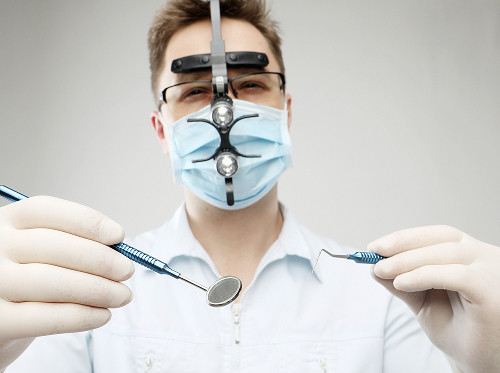
The dentist examines the teeth using a mirror and probe. The density of plaque is assessed.
Assessing plaque accumulation areas
The dentist uses indicators. The staining reveals areas where plaque is most concentrated.
Determining the condition of the gums and enamel
A periodontal probe measures the depth of the sulci. The dentist searches for hidden lesions.

Removing plaque at home is not without risks. Careless actions can injure gums, scratch enamel, and make teeth more sensitive. Therefore, if you have heavy plaque, it's best to consult a dentist instead of experimenting.
When is an in-person consultation necessary?
Tooth mobility and pain require a visit to the dentist. Otherwise, cleaning at home will worsen gum inflammation.
What is important to know before the procedure?
Before your professional dental hygiene procedure, inform your dentist of any allergies or asthma.
Frequently Asked Questions
What's the difference between plaque and tartar?
Can plaque be removed at home?
Why does plaque reappear quickly?
How do you know if home cleaning is no longer enough?
Comparison of Plaque Removal Methods
| Method | Suitable for what type of plaque | Advantages | Limitations | When is it recommended? |
|---|---|---|---|---|
| Home hygiene | Soft plaque | Daily, available | Not effective against tartar | For prevention |
| Ultrasonic cleaning | Hard plaque, tartar | Removes dense deposits | May be sensitive | If tartar is present |
| Air Flow | Pigmented, soft plaque | Polishes, brightens enamel | Does not remove tartar | For removing smoker's plaque |
| Comprehensive professional Hygiene | All types of plaque | A comprehensive approach | Takes time | For complete oral health |
Conclusion
Dental health depends entirely on biofilm control. Bacteria multiply continuously. High-quality daily brushing combined with regular dental visits helps stop this process early. Professional dental hygiene is guaranteed to remove all types of plaque while maintaining the integrity of enamel.
A conscious approach to gum health prevents cavities and periodontitis. Timely removal of bacterial deposits is the key to preserving your natural teeth into old age.

Our doctors


















































This award is given to clinics with the highest ratings according to user ratings, a large number of requests from this site, and in the absence of critical violations.

This award is given to clinics with the highest ratings according to user ratings. It means that the place is known, loved, and definitely worth visiting.

The ProDoctors portal collected 500 thousand reviews, compiled a rating of doctors based on them and awarded the best. We are proud that our doctors are among those awarded.
Make an appointment at a convenient time on the nearest date
Price

Appointment to the doctor
Reviews





















Our clinics


Application “Personal Account K+31”












Why is dental plaque dangerous?
Diamond deposits pose a danger beyond aesthetics. The bacteria that accumulate in them create conditions conducive to the development of oral diseases and gradually damage teeth and gums.
Risk of tooth decay and enamel demineralization
Microbes that accumulate in plaque produce acids, thereby altering the oral environment. The pH level drops, and enamel begins to lose the minerals that underlie its strength. At first, these changes may be barely noticeable, but over time, the tooth surface weakens and becomes more vulnerable. If the process continues, caries develops. At this stage, treatment is required, most often involving filling the affected area.
Gum inflammation and bleeding
Bacteria in plaque release toxins that irritate soft tissue and trigger gum inflammation. Initially, mild swelling appears, then the gums become more sensitive and begin to react more strongly to brushing. One of the most common signs in this situation is bleeding gums, which is especially noticeable during brushing.
Bad breath and the development of hard plaque
Anaerobes produce sulfur gases, causing bad breath. Mineralized plaque destroys the dental ligaments.