
Macrodontia: Treatment and Correction of Abnormally Large Teeth
Macrodontia is the condition of large teeth. This condition affects a person's appearance and can lead to malocclusion. The problem needs to be addressed if it affects a person's self-esteem and interferes with their daily life.

specialists

equipment

treatment







Macrodontia is a condition where teeth exceed the average size by more than 2 mm. This condition occurs in both primary and permanent teeth.
What does tooth size abnormality look like?
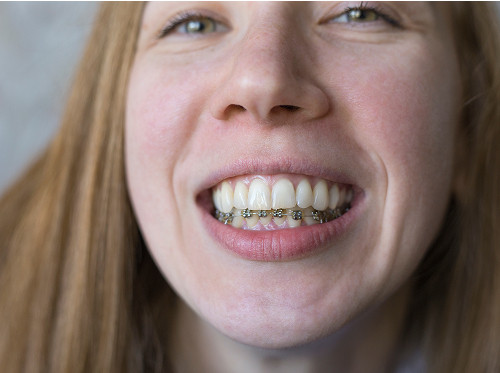
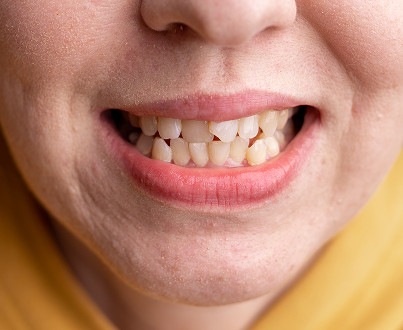
Visually, macrodontia is characterized by the presence of massive crowns. The central upper incisors are most often enlarged. The teeth appear excessively wide and long, sometimes twisted due to a lack of space. If they are significantly larger, they may overlap adjacent teeth or protrude beyond the dental arch.
How does macrodontia differ from other dental developmental disorders?
It is important to distinguish macrodontia from hyperdontia (the presence of extra teeth) or shape anomalies, such as the fusion of two tooth buds. In macrodontia, the teeth are healthy and their number is normal.
Causes of macrodontia
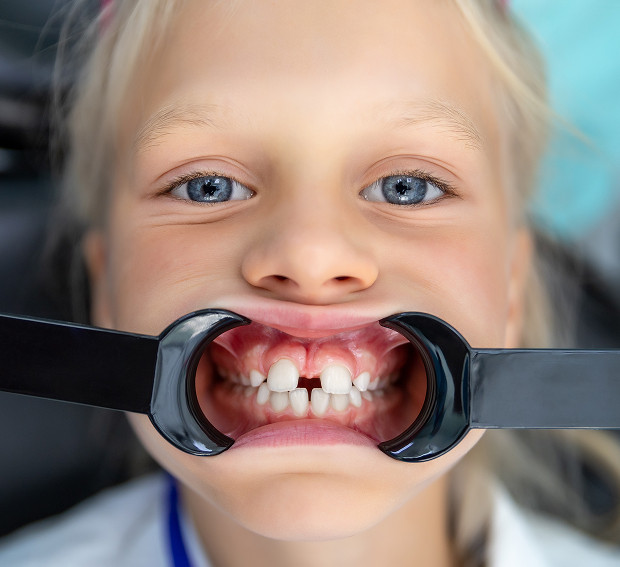
The defect is formed during fetal development or in the first years of a child's life.
Genetic factors
If parents had large teeth, the risk of developing the anomaly in children is high. Often, a child inherits large crowns from one parent and a small jaw from the other.
Disorders of the development of the dentition
Sometimes, macrodontia of teeth occurs due to disruptions in the endocrine system. Increased activity of the pituitary gland and excess production of growth hormone during the period of formation of tooth buds stimulate the growth of hard tissue. Infectious diseases suffered by the mother during pregnancy can also affect the size.
Concomitant conditions and rare causes
Enlarged teeth are a symptom of pathologies such as gigantism or partial facial hypertrophy syndrome. Sometimes the problem arises due to a disruption in blood supply during fetal development.
Types of macrodontia
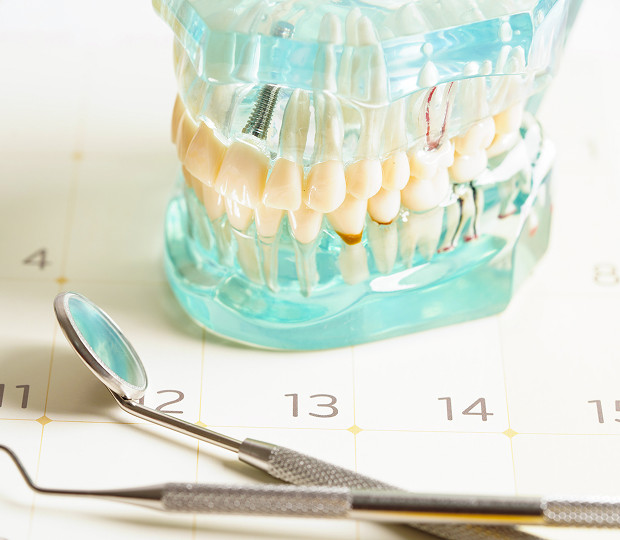
In clinical practice, several forms of this anomaly are distinguished. This classification helps the physician choose the appropriate treatment strategy.
True and Relative Macrodontia
True macrodontia is characterized by an actual increase in crown size relative to medical norms. However, the jaws themselves may have standard parameters. Relative (or false) macrodontia is observed with normal-sized teeth, but against a background of an underdeveloped, reduced jaw. Visually, the teeth appear enormous, although their metric parameters are within normal limits.
Local and Generalized Forms
In the local form, only one or two teeth are enlarged (usually the central incisors). In the generalized form, the entire dentition consists of large teeth.
Macrodontia of Individual Teeth
Sometimes, only one tooth is anomaly, for example, a single canine or molar. This can cause the face to become asymmetrical. Such problems can be addressed through aesthetic dentistry.
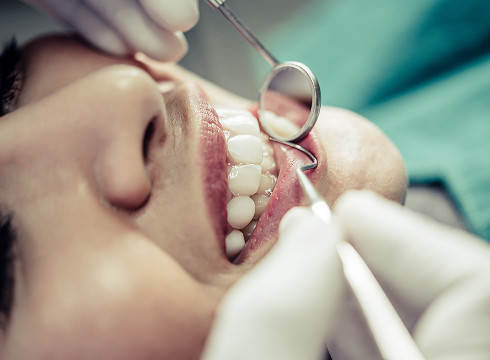
The dangers of macrodontia
You can't ignore the symptoms of macrodontia. It's not just a matter of aesthetics, but also of health.
Risk of mucosal injury
Large teeth can injure the inner surface of the cheeks and lips. This can lead to ulcers and aphthae that take a long time to heal and are constantly painful.
Increased stress on the dentition
Due to an incorrectly formed bite, certain groups of teeth bear excessive load. This leads to premature wear, enamel chipping, and the development of periodontitis. In severe cases, the temporomandibular joint (TMJ) is affected, manifesting as clicking and pain when opening the mouth.
Aesthetic and functional discomfort
Psychological factors play a significant role: patients often feel embarrassed to smile and speak. Macrodontia affects diction, causing a lisp or slurred pronunciation of certain sounds.
Treatment and correction methods
Orthodontic Treatment
An orthodontist uses braces or aligners to widen the dental arch. This creates additional space to accommodate larger teeth without extracting them. Orthodontic treatment is the primary treatment for crowding and malocclusions.
Enamel Separation and Contouring
Enamel separation is a gentle procedure in which the dentist removes a thin layer of tissue (approximately 0.2–0.5 mm) from the lateral surfaces of the tooth.
Contouring helps smooth out sharp angles and create a more harmonious shape.
Tooth restoration
If a tooth is not only large but also unattractive in shape, dental restoration is performed. Proportions are corrected using composite materials or veneers.
Extraction of individual teeth as indicated
If space is limited, tooth extraction is performed as indicated. Most often, fourth or fifth teeth (premolars) are removed.
A comprehensive approach for severe disproportion
For generalized macrodontia, a therapist, orthodontist, and surgeon collaborate to address the problem. Treatment may include surgery or the installation of orthodontic appliances.
Macrodontia Correction Methods
| Method | When used | Main goal | Features |
|---|---|---|---|
| Orthodontics | Crowding, narrowing of the jaw | Straighten the row | Time consuming (1-2 years) |
| Separation | Mild macrodontia | Create space (1–3 mm) | Painless, fast |
| Restoration | Aesthetic defects | Reshape | High aesthetics |
| Extraction | Severe space deficit | Free up space | Surgical intervention |
| Complex | Complex Anomalies | Function and Beauty | Involvement of Multiple Doctors |
General information
Diagnosing Macrodontia
Examination alone is not enough. The dentist must take a series of measurements to distinguish true pathology from facial structural features.
Examination and Collection of Complaints
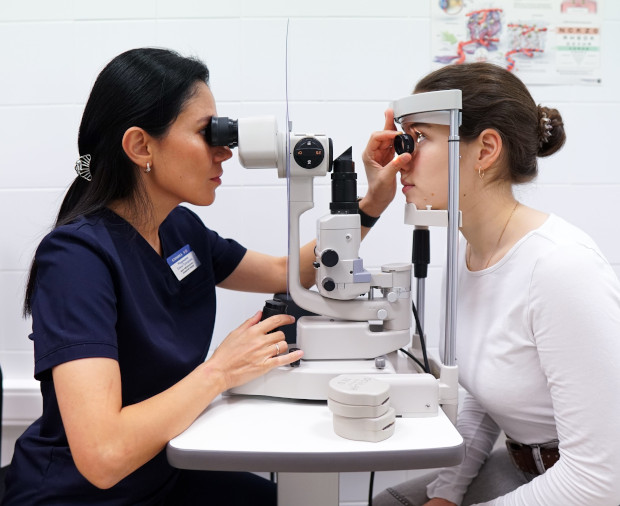
At the first stage, the dentist listens to the patient's complaints and conducts a visual assessment. The doctor pays attention to facial proportions, jaw closure type, and the condition of the mucous membrane.
Teeth Measurement and Bite Analysis
The specialist performs instrumental measurements of the teeth. The mesiodistal crown width is determined. These data are compared with tabulated values using the Bolton or Pon methods. The ratio of the sizes of the upper and lower incisors is also assessed.
X-ray diagnostics and digital methods
The following methods are used:
- Orthopantomogram (panoramic image) to assess the position of the roots
- CBCT (computed tomography) to obtain a three-dimensional image
- Digital scanning of the jaws to create a virtual model
- X-rays of individual zones if necessary
Diagnosing macrodontia allows you to immediately see the results of treatment.


Frequently Asked Questions
Is it possible to simply file down large teeth to the desired size?
Is it necessary to extract teeth for macrodontia?
Does macrodontia affect the health of other organs?
Our doctors


















































This award is given to clinics with the highest ratings according to user ratings, a large number of requests from this site, and in the absence of critical violations.

This award is given to clinics with the highest ratings according to user ratings. It means that the place is known, loved, and definitely worth visiting.

The ProDoctors portal collected 500 thousand reviews, compiled a rating of doctors based on them and awarded the best. We are proud that our doctors are among those awarded.
Make an appointment at a convenient time on the nearest date
Price

Appointment to the doctor
Reviews



Our clinics


Application “Personal Account K+31”












Symptoms and signs
The clinical picture of macrodontia is not limited to a visual defect. The anomaly triggers a chain reaction of changes throughout the oral cavity.
Large teeth and an out-of-proportion smile
The main symptom is the visual dominance of certain teeth. This creates a "bunny smile" or a heavy lower jaw if the lower teeth are enlarged. Patients often complain that the teeth take up too much space and that it is difficult to close the lips.
Crowding and space deficit
Since the jaw is limited in length, enlarged teeth cannot find a place in the arch. This creates a space deficit in the dental arch, causing adjacent teeth to crowd each other. Crowding occurs: teeth overlap, rotate, or erupt outside the dental arch (dystopia).
Misaligned teeth and hygiene problems
Oversized crowns can cause misaligned teeth. Opposing teeth cannot close properly, leading to uneven distribution of chewing forces. Furthermore, crowded interdental spaces can accumulate plaque, which is difficult to remove with a toothbrush, increasing the risk of cavities and gum disease.