
Open Bite: Causes, Signs, and Correction Methods
Among numerous dental pathologies, an open bite stands out due to its visual severity and serious impact on quality of life. This condition is characterized by a lack of contact between the teeth when the jaws are fully closed. Doctors call this phenomenon a vertical anomaly, which creates a gap of varying size. As a result, chewing function is impaired, appearance changes, and pronunciation of many sounds becomes difficult.

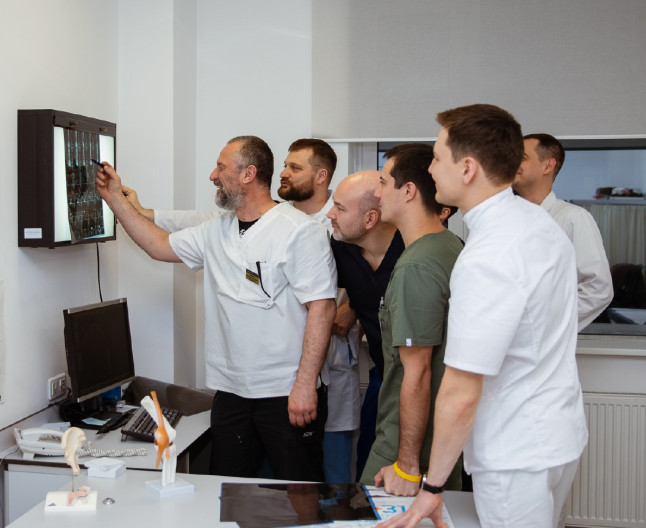
specialists

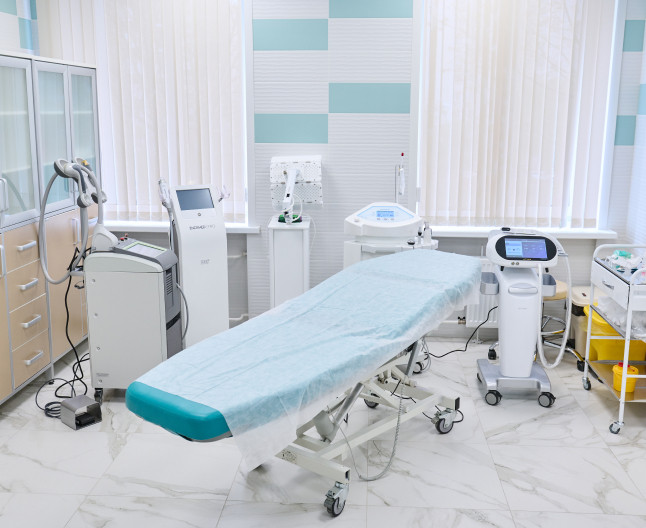
equipment

treatment



What is an open bite?
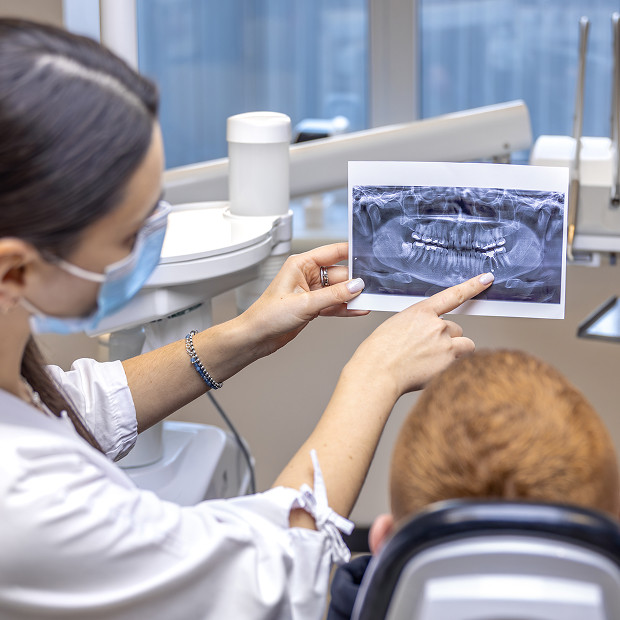
An anomaly occurs when the upper and lower dental arches do not touch each other. Instead of a tight contact, a gap forms, interfering with the normal functioning of the jaw system. This is a malocclusion, in which the chewing load falls only on certain teeth. This causes accelerated wear of the teeth.
This pathology is less common than other types of malocclusion, but is considered one of the most difficult to treat.
What does an open bite look like?
Visually, the deviation is easy to identify. Patients often have misaligned front teeth, causing the mouth to appear constantly slightly open. The lips close with noticeable effort, the chin appears tense, and the face takes on a specific, somewhat surprised expression. The main marker of pathology is a distinct vertical gap between the teeth, which interferes with biting.
Types of Open Bite
This pathology has two forms. The first is an anterior open bite, localized in the smile zone. The second form is a lateral open bite, which affects the chewing area. There are also differences in the origin of the defect in medicine. There is a dentoalveolar form, which is associated with malposition of the teeth. There is also a skeletal form, which is caused by abnormalities in the structure of the jawbone.
Causes of open bite
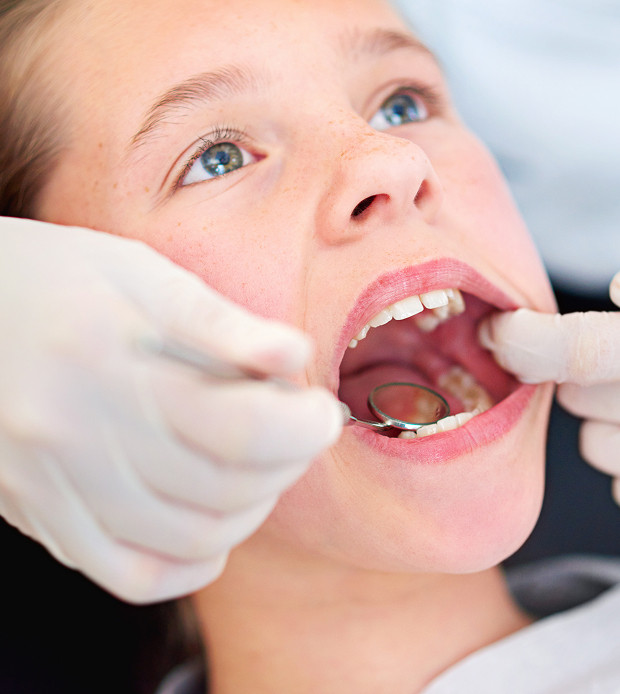
Understanding the root causes of the problem is essential for developing a sound treatment plan. There are complex causes of open bite, encompassing both internal and external factors.
Hereditary and Congenital Factors
The leading factor is genetic predisposition. If parents have a similar skeletal abnormality, the child is highly likely to develop it. Congenital defects also include fetal developmental delays and the impact of maternal illnesses during pregnancy.
Bad Habits and Myofunctional Disorders
Early childhood development has a direct impact on facial development. Thumb-sucking and pacifiers create a mechanical barrier to normal jaw growth. Infantile swallowing is when the tongue rests against the teeth instead of the palate, literally pushing them outward. Such myofunctional disorders perpetuate the abnormal bone position.
Mouth breathing and associated functional problems
Constant mouth breathing due to adenoids or chronic rhinitis causes the jaw to remain depressed. Facial muscles function incorrectly, causing narrowing of the dental arches. Ultimately, occlusion becomes impossible due to deformation of the jaw arch.
Methods for correcting open bite
Orthodontic appliances for children
While the bones are growing, special orthodontic appliances work effectively. Various plates and trainers help redirect bone growth and discourage the child from placing the tongue between the incisors. Therefore, open bites in children are much easier to correct.
Braces
Braces are often chosen for adolescent and adult patients. They allow for controlled movement of each root. Using elastic bands, the dentist brings the jaws closer together and closes the vertical gap.
Aligners
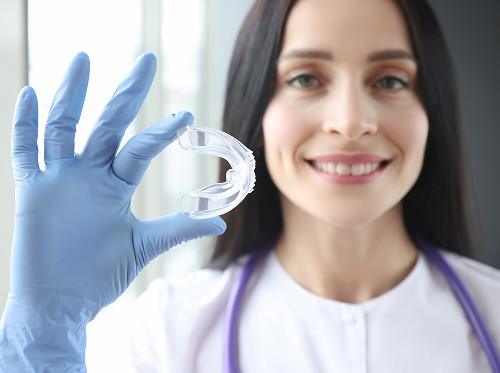
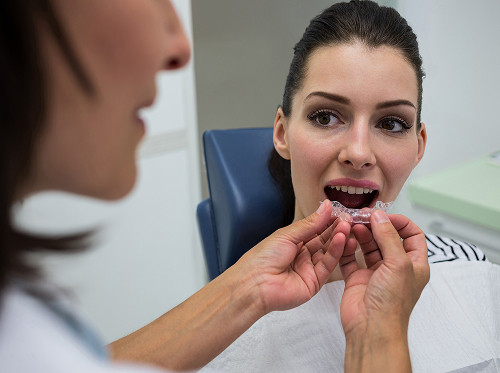
Clear aligners are excellent for simple cases. They are aesthetically pleasing and allow for perfect oral hygiene. This technique ensures smooth and comfortable tooth repositioning.
A comprehensive approach for severe cases
Severe skeletal deformities may require maxillofacial surgery. When combined with orthodontics, this surgical intervention can fully restore facial harmony and chewing function.
| Method | Who is it suitable for? | What problems does it solve? | Limitations | Retention |
|---|---|---|---|---|
| Children's appliances | Children under 12 | Habit correction, growth | Low effectiveness in adults | Necessary |
| Braces | Teenagers, adults | Tooth movement, traction | Complex hygiene, visibility | Necessary |
| Aligners | Adults | Comfort, gap closure | For complex skeletal forms | Necessary |
| Surgery + orthodontics | Severe cases | Changes in the bone base | Invasiveness, rehabilitation | Needed |
General information
Open Bite Diagnosis
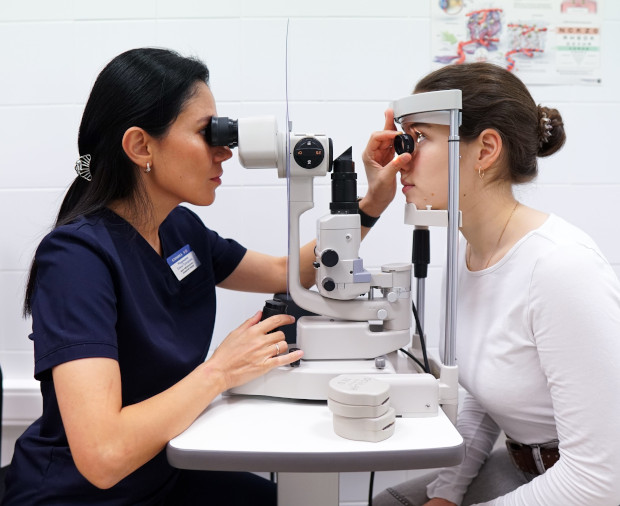
A high-quality bite diagnosis begins with a comprehensive examination.
Initial Examination and Assessment of Dental Occlusion
The doctor examines the occlusion and checks the function of the joints and muscles. It is important to assess how tightly the existing dentition fits in the posterior regions.
Images, Scans, and Digital Planning
Modern clinics use computed tomography and teleradiography. Intraoral scanning allows us to create a 3D model of the jaws for an accurate outcome.
Determining the Form and Extent of the Defect
Based on the data obtained, the type of pathology is determined. It is determined whether the condition is caused by the position of individual teeth or by a deformation of the base of the skull and jaws.
Frequently Asked Questions
Remember that self-diagnosis is not a substitute for a dental examination. Timely open bite treatment is an investment in your health and self-confidence. Schedule an appointment today to start your journey to a perfect smile!
What is an open bite?
Can an open bite be corrected in adults?
What are the dangers of an open bite if left uncorrected?
What methods are used to correct an open bite?
For correction, we use pediatric orthodontic appliances, braces, aligners, myofunctional correction, and a comprehensive approach for severe skeletal disorders. A specific method is selected after diagnosis.
Medicine evolves, and today we know exactly how to correct open bites as effectively as possible. Our clinic uses modern methods for open bite correction, guaranteeing an individualized approach to each case.
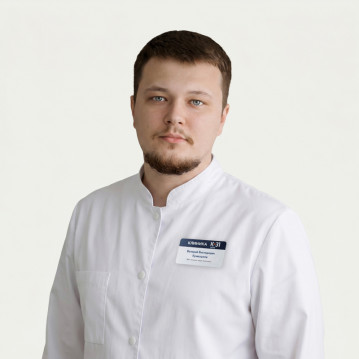
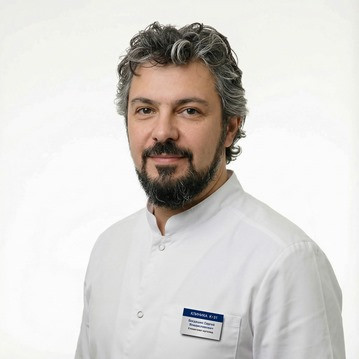
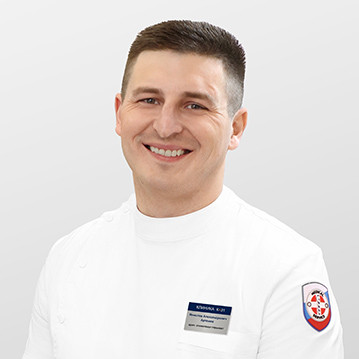
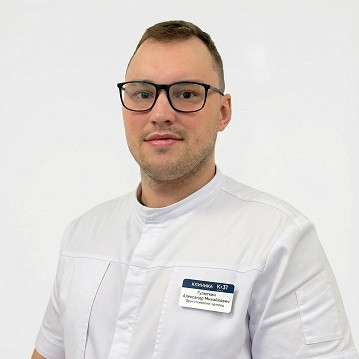
Our doctors





































This award is given to clinics with the highest ratings according to user ratings, a large number of requests from this site, and in the absence of critical violations.

This award is given to clinics with the highest ratings according to user ratings. It means that the place is known, loved, and definitely worth visiting.

The ProDoctors portal collected 500 thousand reviews, compiled a rating of doctors based on them and awarded the best. We are proud that our doctors are among those awarded.
Make an appointment at a convenient time on the nearest date
Price

Appointment to the doctor
Reviews



Our clinics


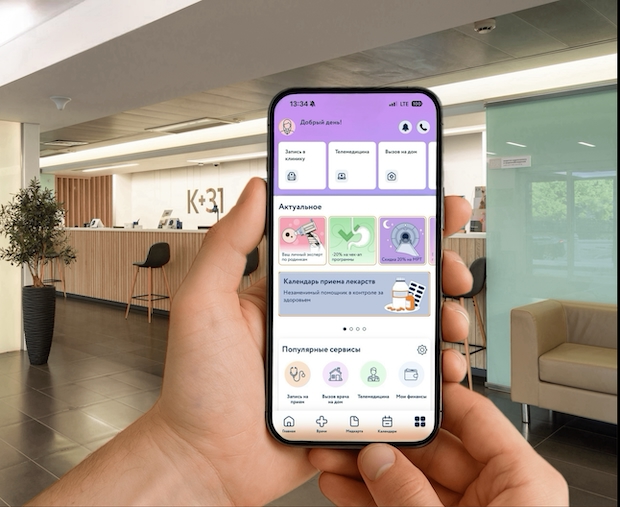
Application “Personal Account K+31”











Symptoms and consequences
Now let's take a closer look at the symptoms of the disease, as well as the consequences of the defect.
Main signs of an open bite
You can notice the symptoms of an open bite yourself. The main indicator is the inability to close the anterior or lateral jaw. As a result, patients experience impaired diction and a lisp. The face becomes elongated in the lower third, and the soft tissues around the mouth are in a constant state of hypertonicity.
The dangers of an uncorrected open bite
If treatment is not started promptly, serious complications are possible. The gastrointestinal tract will suffer due to poor chewing, and tooth enamel, which bears all the weight, wears away much faster. The temporomandibular joint is also affected, resulting in pain and a clicking sound when opening the mouth.
When should you see an orthodontist?
You should see your orthodontist at the first sign of speech impairment or if you notice gaps between your jaws. An expert orthodontist will diagnose, assess the situation, and provide treatment to prevent further bone deformities. Early consultation reduces the treatment time.