
Periostitis Treatment
Periostitis is an inflammation of the periosteum, accompanied by swelling and pain. This condition often occurs due to infection in the tooth or surrounding tissues.
Commonly known as gumboil, this condition requires prompt medical intervention, as the inflammatory process can quickly spread to adjacent structures. Treatment of periostitis is aimed at eliminating the source of infection and preventing dangerous consequences.

specialists

equipment

treatment




Causes of periostitis

The problem arises due to the penetration of pathogenic microflora into the periosteal tissue.
Infection in the tooth and gum area
Odontogenic periostitis is the most common diagnosis. Advanced caries, pulpitis, or periodontitis are the main source of bacteria. The infection extends beyond the root canals and affects surrounding tissues.
Trauma and other provoking factors
Mechanical damage to the jaw, bruises, or fractures create conditions for inflammation. Sometimes, symptoms of periostitis occur after complex tooth extraction or due to weakened immunity.
Diagnosis of periostitis

Determining an accurate diagnosis involves a comprehensive assessment of the dental system.
Examination and collection of complaints
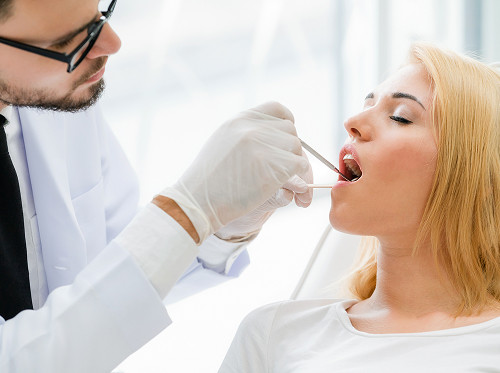
The doctor interviews the patient, determines the time of pain onset and the nature of the symptoms. Soft tissues are palpated to assess the degree of swelling.
Radiological Diagnostics
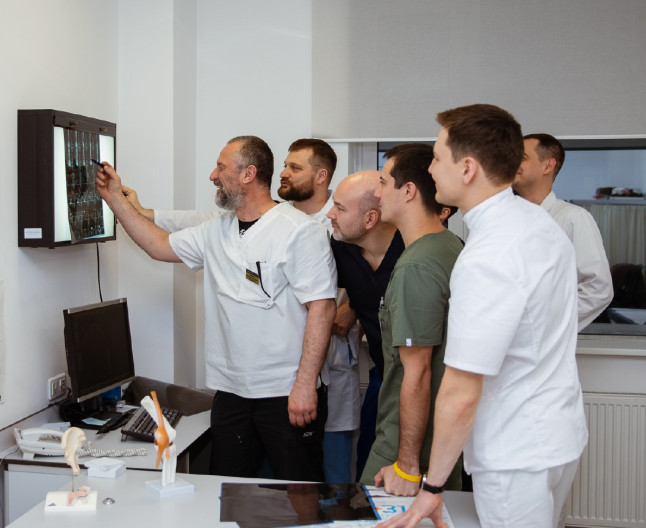
X-rays allow one to visualize the condition of the roots and bone tissue and identify the source of infection. The image helps plan the intervention.
How does periostitis differ from other inflammatory processes?
Many oral diseases have a similar presentation. It is important to differentiate periostitis from periodontitis, osteomyelitis, or salivary gland inflammation. Diagnosis eliminates errors and determines the correct treatment.
Types of periostitis
Acute serous periostitis
The first stage is characterized by the accumulation of clear fluid in the tissues. The patient experiences moderate pain and slight swelling.
Acute purulent periostitis
An active infection leads to abscess formation. Severe gum pain, significant swelling, and high fever are observed.
Chronic periostitis
The sluggish form is characterized by a long course with moderate symptoms and periodic exacerbations. It is less common and usually occurs with a weak immune response.
Comparison of Periostitis Forms
| Form | Main Symptoms | Progress Characteristics | Risks Without Treatment |
|---|---|---|---|
| Acute Serous | Pain, Swelling, Discomfort | Initial Stage of Inflammation | Transition to Purulent Form |
| Acute Purulent | Severe Pain, Swelling, Fever | Active Infection | Abscess, Spread of Inflammation |
| Chronic | Moderate symptoms, periodic exacerbations | Long-term course | Persistent inflammation, complications |
General information
How is periostitis treated?
Medical care is aimed at stopping the inflammation and sanitizing the site. The approach is always comprehensive.
Eliminating the source of infection
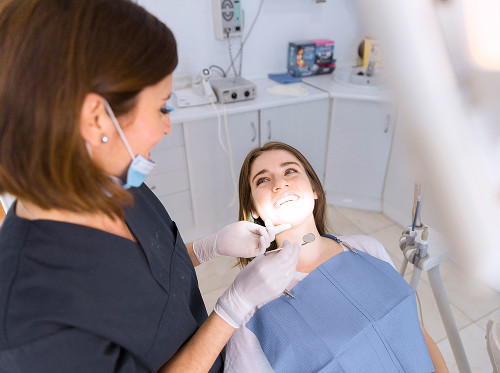
Treatment of gumboil begins with treating the affected tooth. The doctor cleans the root canals and treats them with antiseptics. Tooth extraction is not always necessary; the approach depends on the cause and clinical presentation. Specialists emphasize preserving the tooth when indicated.
Surgical care for purulent processes
The accumulation of pus necessitates creating a drainage channel. A small incision is made in the gum, and drainage is performed. This procedure quickly relieves tissue pressure and alleviates pain.
Drug treatment
Antibacterial therapy is prescribed by a doctor to suppress the infection. The patient is prescribed anti-inflammatory medications to relieve pain and swelling.
Post-Treatment Recommendations
The dentist prescribes antiseptic rinses. It is important to follow a gentle diet and brush gently, avoiding injury to the wound. Post-treatment care includes follow-up visits to assess healing.

Frequently Asked Questions
Disclaimer: This information is provided for informational purposes only and is not a substitute for a comprehensive medical consultation. If you experience any of the symptoms described, consult a specialist immediately.
What is periostitis?
Can periostitis be treated at home?
Is a tooth always extracted for periostitis?
What are the dangers of untreated periostitis?
Our doctors


















































This award is given to clinics with the highest ratings according to user ratings, a large number of requests from this site, and in the absence of critical violations.

This award is given to clinics with the highest ratings according to user ratings. It means that the place is known, loved, and definitely worth visiting.

The ProDoctors portal collected 500 thousand reviews, compiled a rating of doctors based on them and awarded the best. We are proud that our doctors are among those awarded.
Make an appointment at a convenient time on the nearest date
Price

Appointment to the doctor
Reviews







Our clinics


Application “Personal Account K+31”












Symptoms of periostitis
The clinical picture depends on the stage of the pathological process. Patients report various symptoms, from mild discomfort to severe intoxication.
Early Signs
In the initial stage, moderate toothache occurs, intensifying when biting. Mild gum inflammation and localized redness of the mucous membrane are observed.
Symptoms of Acute Inflammation
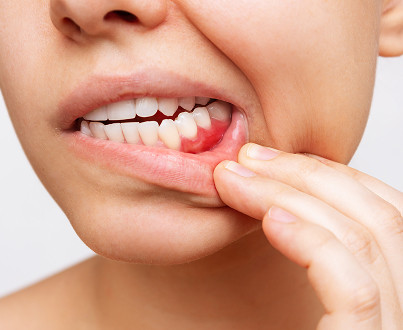
As the disease progresses, significant swelling of the cheek and gums occurs. A purulent lesion develops. The pain becomes constant, radiating to the ear or temple. Body temperature rises, and weakness develops.
When urgent help is needed
Signs that you should not delay seeking help: