
Treatment of Misplaced Teeth
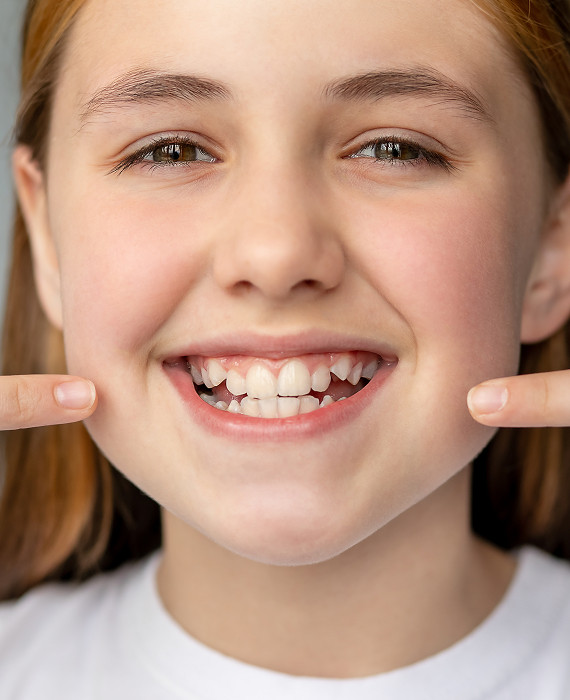
Misplaced teeth are common. This occurs when a molar, incisor, or canine erupts at an angle, shifting relative to its normal axis. A tooth can also erupt outside the arch, causing significant discomfort. Crooked molars interfere with normal chewing, causing complexes and a number of aesthetic problems.
Treatment of misplaced teeth must be carried out promptly. Otherwise, serious complications may arise. These include the destruction of adjacent molars and incisors. Therefore, at the first sign of an abnormality, it is strongly recommended to visit a dentist. If this problem is ignored, the patient may experience chronic pain, oral infections, and a number of other problems.
If you see a dentist promptly, the doctor will create a personalized treatment plan, but first, they will conduct a professional diagnosis, identify the causes, and find a solution.

specialists

equipment

treatment






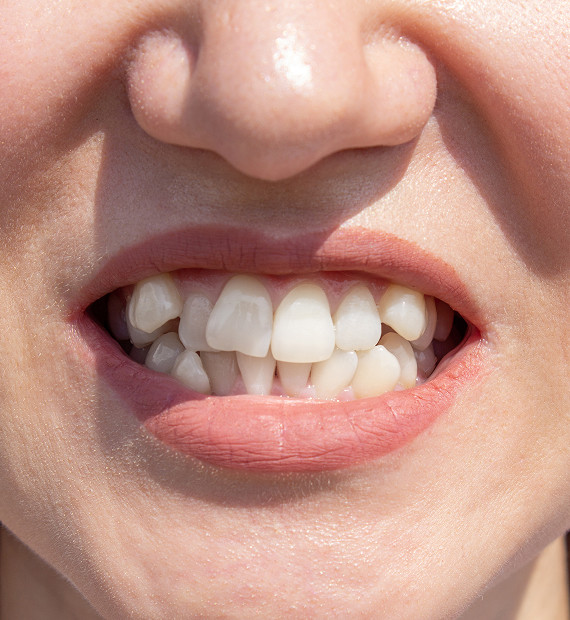
A tooth's malposition is a condition in which the crown deviates from its natural anatomical position. This pathology occurs in people of all ages and affects incisors, canines, and premolars.
How does a dystopic tooth differ from a normally erupted tooth?
A healthy tooth is positioned correctly, actively participating in proper jaw closure. A deviated root or crown disrupts the biomechanics of chewing. The abnormal position prevents the tooth from performing its physiological function, creating a physical obstacle to the functioning of the entire dental system.
How does dystopia differ from retention?
Specialists clearly distinguish between the two. Dystopia refers specifically to a shift in the axis of eruption. Retention is the inability of the crown to emerge from the gum surface. In clinical practice, a mixed pathology is often encountered—an impacted and displaced tooth that becomes lodged in the bone tissue at an angle.
Causes of dental dystopia
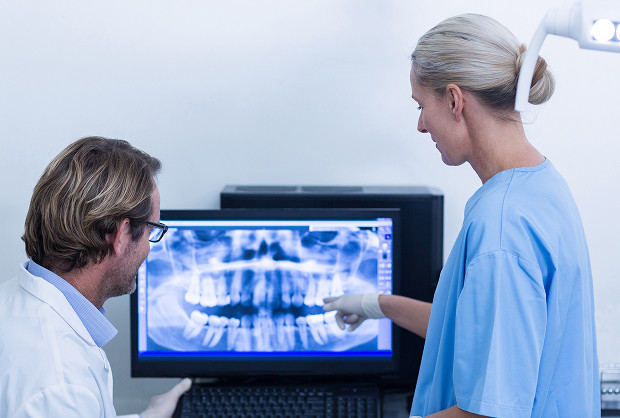
Changing the position of teeth without compelling reasons is impossible. A root or crown deviates from its proper axis only if there are hidden physical obstructions within the gums. This can also occur due to disrupted bone tissue development. Nature establishes strict biomechanical patterns for jaw formation, so any serious disruptions during the transition from one bite to another naturally affect the final position of the incisors. Canines or molars can also shift their position. Today, dentists identify several factors that trigger the mechanism of curvature.
Lack of space in the dental arch
Lack of space is a common cause of pathological changes. When the jaw is developing, large crowns lack free space, causing the tooth to grow sideways, trying to find the path of least resistance.

Eruption Disorders
Premature loss of primary teeth causes permanent teeth to shift. Disrupted occlusion causes new molars to emerge erratically.
Hereditary Jaw Structure
Genetics plays a crucial role in the development of the facial skeleton. A narrow jaw is often inherited, naturally causing misplaced teeth in future generations.
The Impact of Wisdom Teeth
Eights are the last teeth to emerge, when the anatomical arch is already fully formed. Third molars exert significant pressure on their neighbors, causing irreversible shifts.
The dangers of dystopic teeth
There are a number of dangers associated with this dental pathology.
Malocclusion
Even the displacement of one crown changes the occlusion. Progressive malocclusion overloads the temporomandibular joint.
Caries and inflammatory complications
Difficulty cleaning promotes the rapid proliferation of bacteria. This causes caries, which, without dental intervention, progresses to deep pulpitis.
Damage to the roots of adjacent teeth
The deviated enamel presses against the roots of healthy teeth, causing resorption of hard tissue.
Constant soft tissue trauma
Non-healing wounds on the cheeks and tongue serve as entry points for dangerous infections.
Methods of treating dystopic teeth
Observation
If the pathology does not threaten the health of adjacent roots or occlusion, the oral surgeon may choose a watchful waiting approach with regular examinations.
Orthodontic treatment
Correction with braces or aligners is used to straighten the arch. Proper orthodontic treatment returns the tooth to its correct physiological position.
Removing a Displaced Tooth
Surgical intervention is used in cases of serious risks. Proper removal of a displaced tooth prevents the development of dangerous purulent processes.
A combined approach
A collaborative approach between the surgeon and orthodontist allows for the freeing up of space and alignment of the remaining incisors or canines.
Comparison of Approaches for Dystopic Teeth
| Approach | When to Use | Advantages | Limitations |
|---|---|---|---|
| Observation | No complaints or risks to adjacent teeth | Arch integrity is maintained without interventions | Risk of future flare-ups |
| Orthodontic correction | There is room for tooth movement | Complete restoration of function and aesthetics | Duration of therapy |
| Removal | Severe pain, inflammation, severe pressure on adjacent teeth | Rapid elimination of the source of the problem | Irreversible loss of the tooth |
General information
Diagnosing Misplaced Teeth
Modern examination methods allow us to identify hidden anatomical defects before treatment.
Dentist Examination
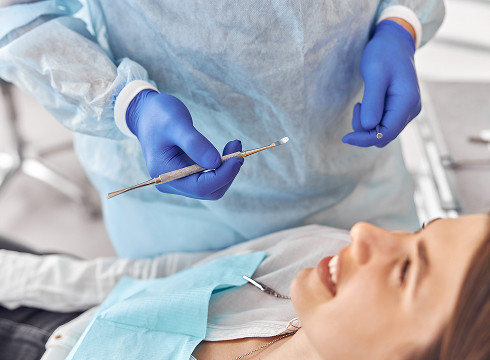
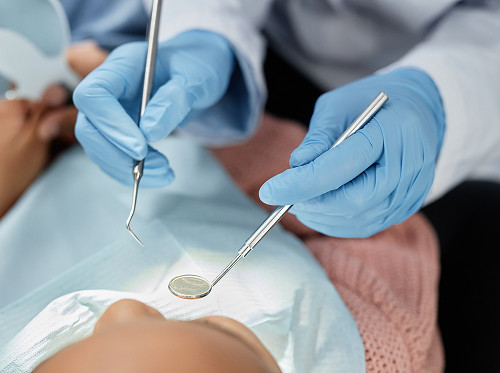
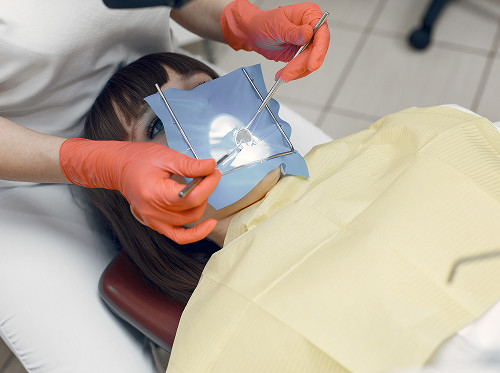
The dentist assesses the visual condition of the oral cavity, identifying displaced crowns and inflamed areas of the mucosa.
Panoramic X-ray
A two-dimensional radiograph shows the general condition of both jaws. The dentist prescribes a panoramic X-ray to assess the position of the roots and buds.
CBCT for Complex Tooth Position
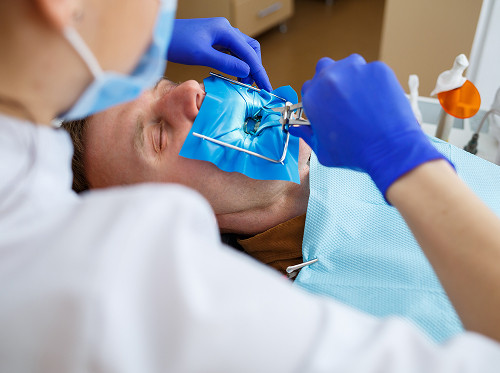
Three-dimensional computed tomography provides the most accurate picture. CBCT is necessary for a detailed study of the anatomy of the dental system before surgery.
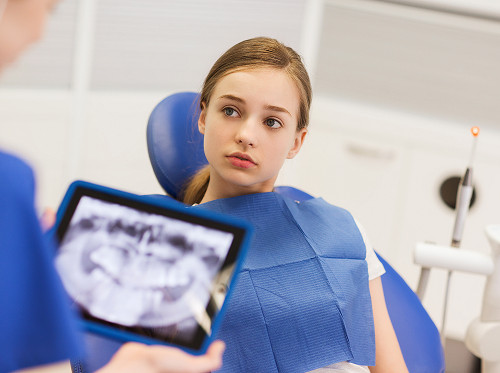
Regular visits to the clinic from an early age help monitor the development of the facial skeleton. An experienced doctor will notice early signs of pathology.
Why it's important not to delay diagnosis
Progressive dental dystopia leads to the need for surgical intervention. To prevent this process from progressing, it's essential to consult a doctor immediately. Otherwise, bone tissue will deteriorate. Every patient should know: if a wisdom tooth or molar becomes inflamed, accompanied by swelling, fever, pain when opening the mouth, or pain when swallowing, seek immediate medical attention without delay.
Signs that require a dental consultation:
- An incisor is growing sideways or outside the dental arch
- Pain occurs during eruption
- Gums are regularly inflamed
- A molar is injuring the cheek or tongue
- It has become difficult to clean the affected area
- Neighboring teeth have begun to shift
Contraindications and restrictions

Acute respiratory infections, exacerbations of cardiovascular diseases, or bleeding disorders require postponing surgery until the patient's condition is fully stabilized.
When the treatment plan requires preparation
Sometimes oral sanitation or a specialist consultation with a therapist is necessary before extraction.
Frequently Asked Questions
What is a dystopic tooth?
Do dystopic teeth always need to be extracted?
What is the difference between dystopia and retention?
Is it painful to extract a dystopic tooth?
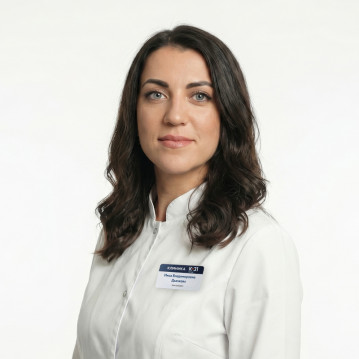
Our doctors
























This award is given to clinics with the highest ratings according to user ratings, a large number of requests from this site, and in the absence of critical violations.

This award is given to clinics with the highest ratings according to user ratings. It means that the place is known, loved, and definitely worth visiting.

The ProDoctors portal collected 500 thousand reviews, compiled a rating of doctors based on them and awarded the best. We are proud that our doctors are among those awarded.
Make an appointment at a convenient time on the nearest date
Price

Appointment to the doctor
Reviews
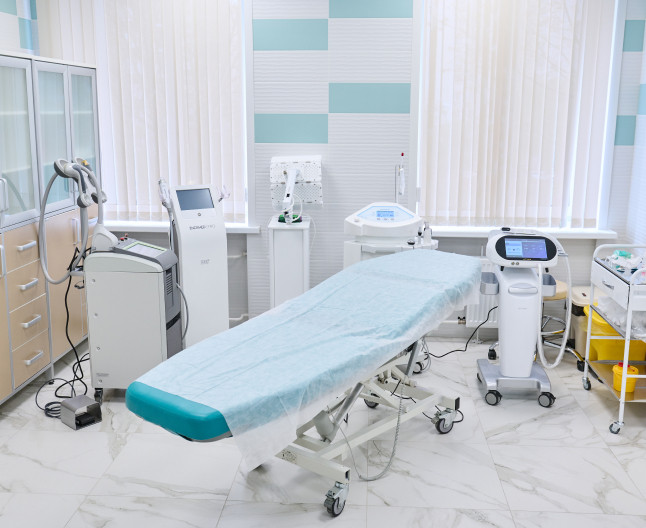
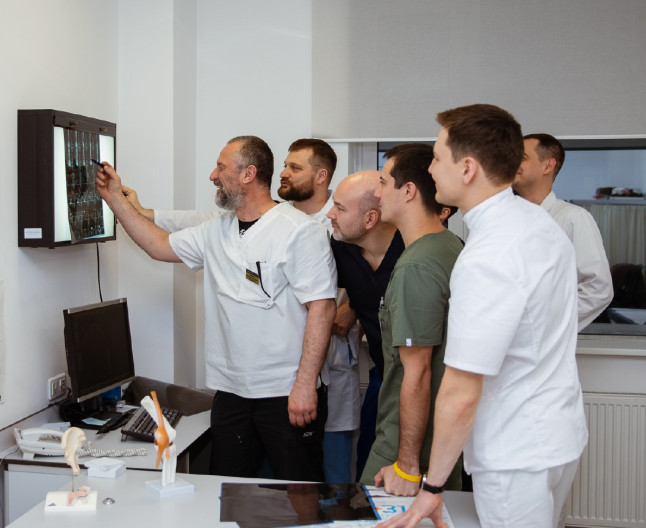





Our clinics


Application “Personal Account K+31”












Symptoms of dystopic teeth
A displaced tooth presses on adjacent roots and nerve endings. This causes a dull ache that intensifies when chewing hard foods.
Trauma to the mucous membrane of the cheek, lip, or gum
The sharp edges of a displaced crown constantly rub against soft tissue. Chronic trauma to the mucous membrane leads to the formation of painful ulcers.
Crowding of teeth and displacement of adjacent teeth
Insufficient space causes the incisors to overlap. This leads to severe crowding, which significantly spoils the appearance of the smile.
Gum inflammation and hygiene difficulties
Bacterial plaque accumulates in hard-to-reach areas. Constant irritation of the soft tissues causes localized inflammation of the gums, which quickly progresses to pericoronitis.