
Supernumerary Teeth: Causes, Symptoms, Diagnosis, and Treatment
Normally, a person has 20 baby teeth and 28 to 32 permanent teeth. However, there are situations in life when extra teeth appear within or outside the dental arch.

specialists

equipment

treatment






Why do supernumerary teeth appear?

There is no single theory for the development of this anomaly in medicine, but experts identify several factors that influence the development of extra teeth.
Main Causes and Risk Factors
The causes of supernumerary teeth include a hereditary predisposition: if the parents had hyperdontia, the likelihood of developing extra teeth in a child is high.
Where are supernumerary teeth most often located?
Most commonly, they are located in the upper jaw. A mesiodens, a typical supernumerary tooth, may grow between the central incisors. The anomaly also occurs in the premolar area and behind the third molars (wisdom teeth).
Symptoms of supernumerary teeth
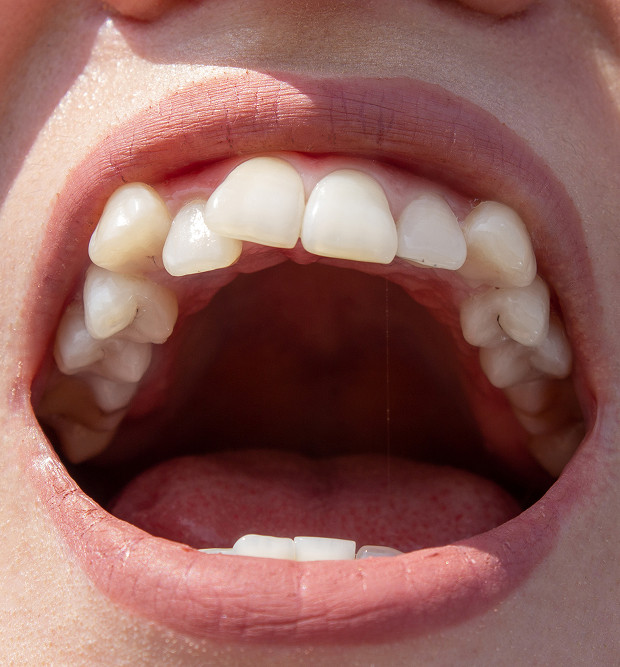
The clinical presentation depends on whether the extra tooth has erupted or remains within the jaw. In some cases, the pathology is discovered only incidentally during a routine examination.
Signs in Children
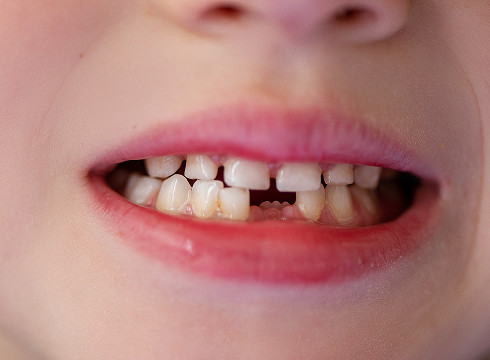
Supernumerary teeth in children can disrupt the bite. If the extra tooth is in the growth plate, permanent teeth may begin to erupt in a double row or be offset. Parents may notice that baby teeth are taking a long time to fall out, and permanent incisors are growing crookedly.
Signs in Adults
In adult patients, symptoms of supernumerary teeth manifest as severe crowding. The extra tooth takes up space in the arch, causing adjacent permanent teeth to rotate or tilt. If a tooth is impacted, it can put pressure on the root of the adjacent tooth, causing resorption or unexplained pain.
When the pathology can be asymptomatic
It can happen that the extra element is located deep in the bone, does not press on adjacent structures, and does not interfere with the bite. In this situation, the patient may remain unaware of the problem for years. Only an X-ray or CBCT scan of the jaw, performed for other indications, such as before the installation of braces or implants, can help detect the "hidden neighbor."
The dangers of supernumerary teeth
Failure to promptly treat them can lead to serious deformities that will require complex and expensive correction in the future.
Irregular eruption of permanent teeth
This is a major problem in childhood. Disturbed eruption occurs when a primary tooth remains embedded in the gum. As a result, it grows abnormally, around the obstruction.
Crowding and misalignment of teeth
When teeth become misaligned, they no longer fit together properly. Crowding makes them much more difficult to clean, as plaque quickly accumulates in the narrow spaces. This is a direct path to cavities and constant gum inflammation, as a regular toothbrush simply can't reach them.
Risk of inflammation, mucosal injury, and other complications
If an extra tooth grows crooked, it can constantly rub against the cheek or tongue, leading to painful ulcers. But there are also more hidden dangers. For example, a cyst often forms around the crown of a tooth that never erupts.
General information
Diagnosis of Supernumerary Teeth
A diagnosis requires an examination, as a visual examination is insufficient to assess the full picture.
Examination and Collection of Complaints
The doctor evaluates facial symmetry, the number of teeth in the mouth, and the presence of arch deformities. The patient may complain of an aesthetic defect, discomfort when chewing, or a delay in tooth replacement in children.
Radiological Diagnostics
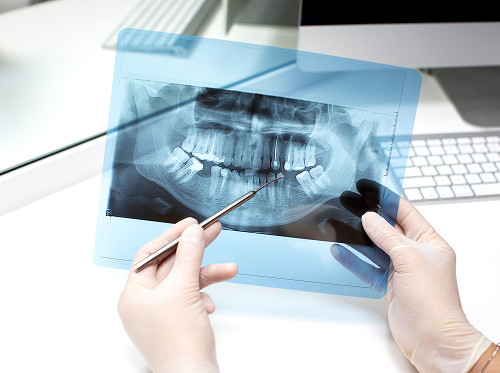
The primary method of initial detection is a panoramic x-ray—an orthopantomogram. It allows one to see all the rudiments and determine the presence of supernumerary elements. However, a flat x-ray does not provide information on the exact depth of the tooth and its relationship to the roots of neighboring teeth.
When CBCT is Required
When planning an intervention, the most informative diagnostic method for supernumerary teeth is computed tomography. A CBCT scan of the jaw produces a 3D image that allows the doctor to see the precise location of the object in all projections.
Why consult an orthodontist?
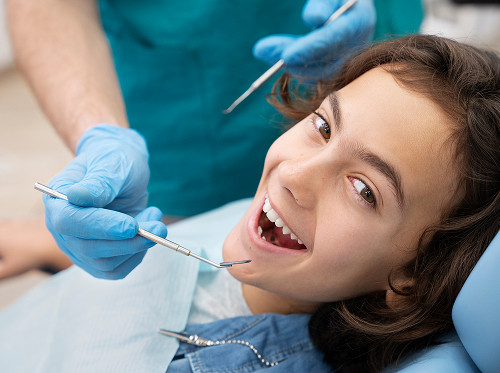
A supernumerary tooth almost always affects the bite. The orthodontist assesses the severity of the dental deformity and what orthodontic treatment will be required after the cause of the abnormality is corrected to restore a straight smile.
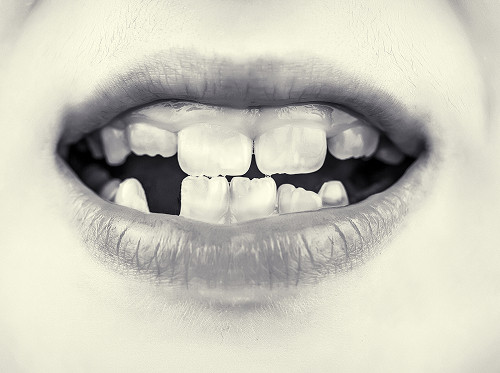

What happens if supernumerary teeth are left untreated?
This not only results in an unattractive smile, but also increased tooth wear due to malocclusion, temporomandibular joint pain, and possible loss of healthy teeth due to cysts or root resorption.
Choosing a strategy: observation or removal of a supernumerary tooth
| Situation | Possible strategy | Why is it necessary? | What the doctor considers |
|---|---|---|---|
| The tooth does not interfere with the eruption of other teeth and does not cause pathologies. | Observation | Avoid unnecessary surgical intervention. | The patient's age, the exact position of the tooth, and its current condition. |
| The tooth is causing crowding or interfering with the eruption of permanent teeth. | Extraction | To create space in the row for the proper eruption of permanent teeth. | Root depth and proximity to important nerve endings. |
| High risk of cyst formation or inflammation. | Extraction | To prevent destruction of adjacent roots and other complications. | CBCT data, general health, and any complaints. |
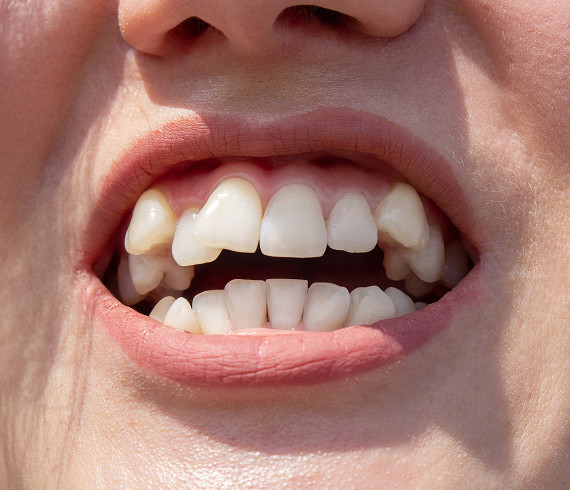
A timely visit to the dentist can help avoid complex surgeries. There are direct signs that indicate the need for an examination.
Signs that indicate a need to see a dentist:
- A permanent tooth is taking a long time to erupt in place of a lost baby tooth.
- An "extra" element is visible in the dental arch, disrupting the alignment.
- Severe crowding or rotation of teeth is observed.
- The oral mucosa is constantly injured by a sharp tooth edge.
- Discomfort or pressure in the jaw persists.
- The orthodontist referred me for diagnostics before teeth straightening.
Frequently Asked Questions
Disclaimer: This material is for informational purposes only. Diagnosis and treatment decisions are only possible during an in-person consultation with a dentist based on a clinical examination and X-ray data.
Can an extra tooth grow at age 30?
Is it painful to remove such a tooth?
Are braces necessary after an extraction?
No, they are not necessary. They are only necessary if teeth are severely misaligned. The decision is made by the doctor after assessing the situation.
A comprehensive approach involves 3D diagnostics and collaboration between the surgeon and orthodontist. The earlier the abnormality is detected, the easier it is to correct the bite.
Our doctors


















































This award is given to clinics with the highest ratings according to user ratings, a large number of requests from this site, and in the absence of critical violations.

This award is given to clinics with the highest ratings according to user ratings. It means that the place is known, loved, and definitely worth visiting.

The ProDoctors portal collected 500 thousand reviews, compiled a rating of doctors based on them and awarded the best. We are proud that our doctors are among those awarded.
Make an appointment at a convenient time on the nearest date
Price

Appointment to the doctor
Reviews




















Our clinics


Application “Personal Account K+31”












What are supernumerary teeth?
Supernumerary teeth (hyperdontia) are a developmental anomaly characterized by the presence of teeth in excess of the normal number. These teeth may have a regular anatomical shape or be atypical (conical, knobby).
Depending on their location in the jaw, they can be erupted (visible in the mouth) or impacted. An impacted supernumerary tooth is completely hidden in bone tissue or under the mucous membrane. Often, such teeth are malpositioned—in this case, a dystopic tooth is diagnosed. Hyperdontia can affect both the primary and permanent dentition.