
Microdontia: What It Is and How to Fix It
A beautiful smile is built on harmonious proportions. When one or more teeth are abnormally small compared to the rest of the dentition, experts call it microdontia.

specialists

equipment

treatment






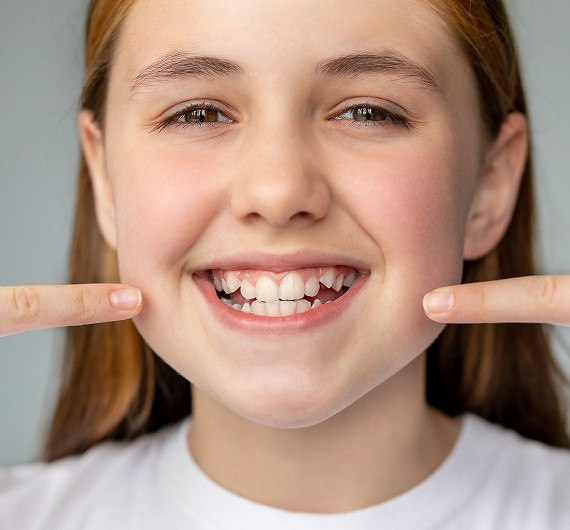
Microdontia (or microdentia) is a dental anomaly in which the crown of a tooth is underdeveloped compared to the anatomical norm. The root of the tooth may be either shortened or of standard length.
Definition and nature of the anomaly
The essence of this pathology lies in the discrepancy between the parameters of the tooth and the jawbone. Visually, such teeth appear "baby" or underdeveloped. The main problem often lies not in the size itself, but in the appearance of free space in the dental arch, which leads to the displacement of adjacent teeth.
Which teeth are most often reduced in size?
Statistically, tooth size anomalies most often affect the upper lateral incisors (in dentistry, these are called "spiked" teeth). Microdontia is also common in third molars (wisdom teeth). In rare cases, premolars or canines are also reduced.
How does microdontia manifest itself?
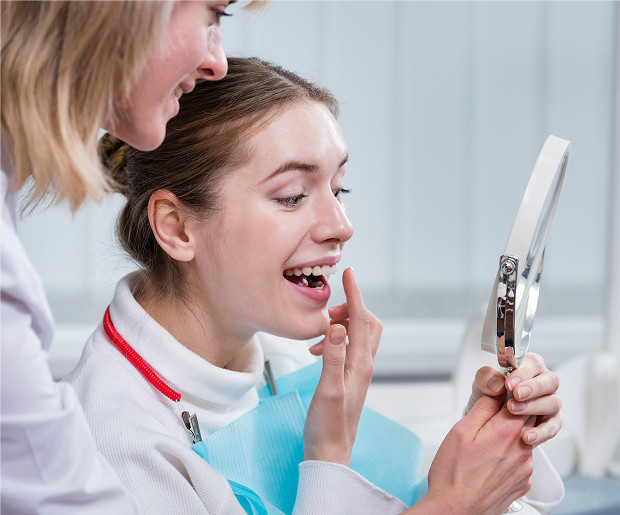
Signs of pathology vary from subtle to severe deformities. The patient may detect the problem during a mirror examination, but only a doctor can assess its clinical significance.
External Signs
The key symptom is small teeth that do not contact adjacent teeth. Gaps form between them—a diastema (a space between the central incisors) or tremas (gaps in other areas). The crown may be regular but reduced in shape, or conical.
When the problem is purely aesthetic, and when it is not
If microdontia is localized and does not interfere with jaw closure, smile aesthetics remains the only reason to consult a doctor. However, with a generalized form, when the entire row of teeth is reduced, chewing pressure is impaired. This can lead to problems with the temporomandibular joint, making microdontia treatment a functional necessity.
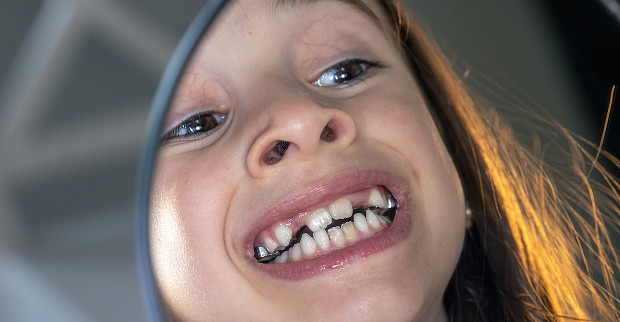
Possible Functional Disorders
Microdontia is rarely a purely visual problem. Due to the presence of empty space, teeth begin to migrate, which leads to:
- Change in the inclination of adjacent teeth
- Malocclusion
- Slurred speech (hissing sounds)
- Trauma to the gingival papillae by food debris
Types of microdontia
True microdontia
The teeth are healthy, but small. The problem is most often hereditary.
Relative microdontia
This is the most common type. The teeth are normal or slightly reduced in size, but due to the large, massive jaw, they appear small. In such cases, multiple tremas and diastema occur.
Localized form
The anomaly affects only 1-2 teeth (usually the lateral incisors). The rest of the teeth are normally developed. This is the most favorable option for quick aesthetic correction.
Generalized form
Characterized by the loss of all teeth in a row. Often requires long-term, comprehensive treatment involving several specialists: an orthodontist and a prosthodontist.
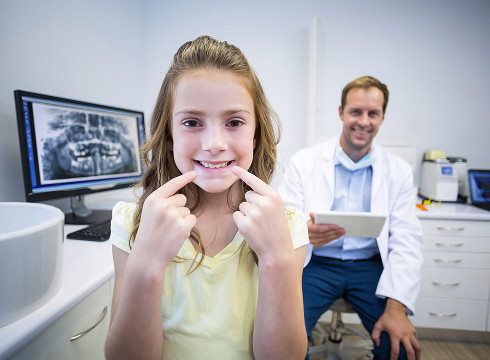
How microdontia differs from other conditions
It is important not to confuse microdontia with conditions that result in a decrease in tissue volume after teeth have erupted.
Difference from increased tooth wear
With tooth wear, the teeth were initially normal in size but lost height due to stress or bruxism. With microdontia, the tooth initially erupts small.
Difference from enamel hypoplasia
Hypoplasia is a tissue defect (thin enamel, with pits or spots). With microdontia, the tissue structure is usually normal; only the volume is affected.
Differences from tooth shape anomalies
Microdontia is a size anomaly. A tooth can retain its ideal anatomical shape, but at a scale of 1:2. Shape anomalies (such as "Hutchinson's teeth") involve a specific curvature of the contours.
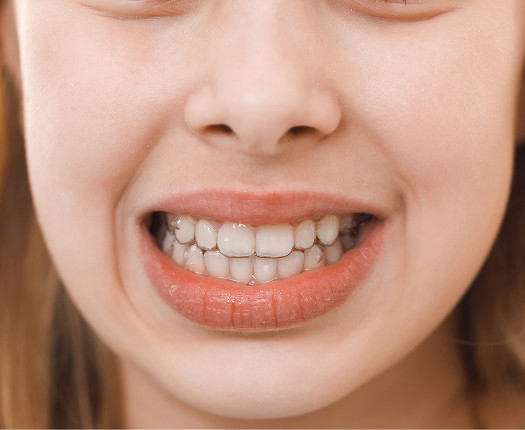
Microdontia correction is performed in cases where the anomaly interferes with the patient's quality of life.
Aesthetic indications
- Presence of noticeable gaps
- Disproportionately small "twos"
- Psychological discomfort during communication
Functional indications
- Tooth displacement
- Diction impairment
- Gum injury
- Incorrect distribution of chewing load
General information
Microdontia Diagnosis
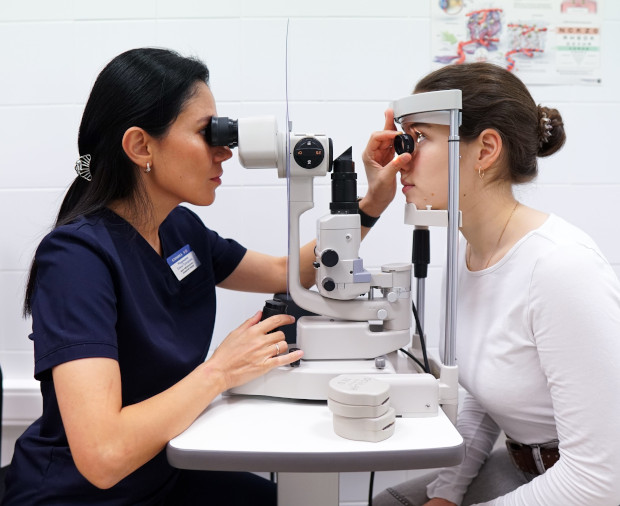
An accurate diagnosis can only be made in the clinic. Self-diagnosis using a photo is ineffective, as the camera can distort the actual proportions.
Examination and Assessment of Dental Proportions
Microdontia diagnosis is aimed at measuring the size of the teeth.
Photo Protocol and Smile Analysis
This allows the doctor and patient to assess symmetry and the smile line. Both the doctor and patient can immediately see how the smile will look.
X-ray examination if indicated
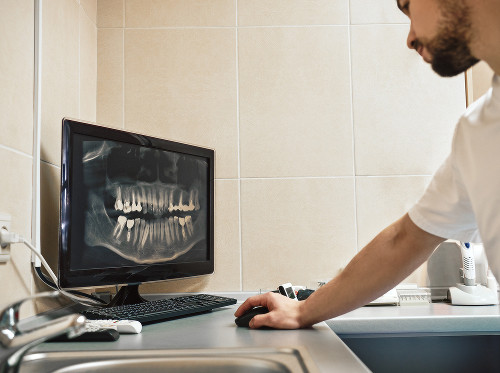
X-rays (OPG or CT) are necessary to assess the condition of the roots and the presence of impacted (unerupted) teeth, which can affect the density of the row.
Correction Plan Preparation
Based on this data, the doctor develops a treatment plan. It specifies the sequence of actions: whether it is necessary to first move the teeth or whether it is possible to immediately begin increasing the volume.

Prevention and care
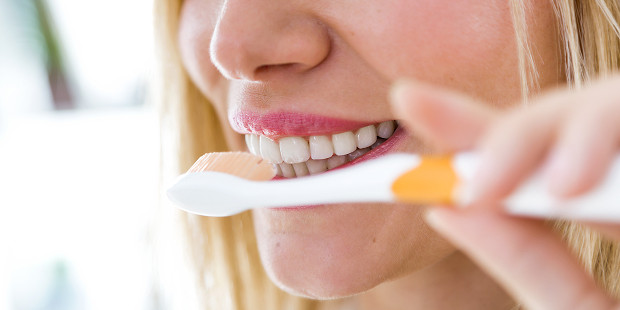
Congenital microdontia cannot be prevented, but the results of its correction can be preserved.
Hygiene and monitoring of restorations
Using dental floss, an irrigator, and a soft toothbrush is essential.
Routine examinations
Visiting the dentist twice a year allows the doctor to promptly detect crown leaks or the need for composite polishing.
Frequently Asked Questions
Microdontics is a solvable dental problem. Modern technologies allow us not only to enlarge the crown of a tooth but also to create a functional, long-lasting result.
Can microdontia be corrected with braces alone?
Is it harmful to put veneers on small teeth?
Our doctors


















































This award is given to clinics with the highest ratings according to user ratings, a large number of requests from this site, and in the absence of critical violations.

This award is given to clinics with the highest ratings according to user ratings. It means that the place is known, loved, and definitely worth visiting.

The ProDoctors portal collected 500 thousand reviews, compiled a rating of doctors based on them and awarded the best. We are proud that our doctors are among those awarded.
Make an appointment at a convenient time on the nearest date
Price

Appointment to the doctor
Reviews


Our clinics


Application “Personal Account K+31”












Causes of microdontia
If microdontia is localized and does not interfere with jaw closure, smile aesthetics remain the only reason to consult a doctor. However, in its generalized form, when the entire dental arch is reduced, chewing force is impaired. This can lead to problems with the temporomandibular joint, making treatment of microdontia a functional necessity.
Causes of microdontia
The etiology of this condition is multifaceted. Specialists identify three main groups of factors that provoke the development of this anomaly.
Congenital factors
The formation of tooth buds occurs in the first trimester of pregnancy. If a woman has been ill or has taken medications during this period, the likelihood of developing small teeth increases.
Hereditary Traits
The causes of microdontia are often genetic: if parents have small teeth, their child may also have this problem.
Acquired Causes and Associated Conditions
Acquired factors include endocrine disorders (pituitary problems) and severe infectious diseases suffered in early childhood. Sometimes teeth appear small due to delayed eruption or excessive gum growth, which covers most of the crown.