
Glossitis: symptoms, causes, and treatment
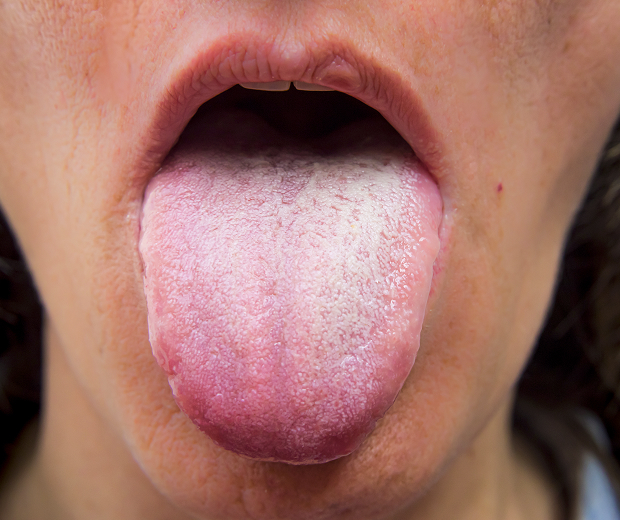
Diseases of the oral mucosa cause discomfort and interfere with normal eating and speaking. Glossitis of the tongue is a pathological process that affects the tissues of the muscular organ. This pathology manifests itself as redness, pain, and a burning sensation. A characteristic coating appears on the tongue, and the surface of the muscle fibers changes. Sometimes, swelling of the tongue is observed, which interferes with free breathing.
This pathological condition can occur due to accidental biting, as well as due to a weakened immune system. Inflammation of the tongue does not occur in isolation. Typically, this condition is a signal from the body about underlying problems.
When choosing a therapeutic method, the doctor first focuses on the source of the problem, which is identified during the initial diagnosis. The doctor examines the patient, identifies the root cause of the problem, and then prescribes treatment that directly addresses the triggering factor.

specialists

equipment

treatment






Causes of glossitis

It's important to clearly distinguish the sources of the problem. Effective treatment of glossitis relies entirely on the origin of the inflammatory process.
Infectious causes
The oral mucosa comes into contact with millions of microorganisms daily. Bacterial inflammation develops when staphylococci or streptococci multiply due to microtrauma. Fungal infections, particularly candidiasis, often affect tissues when local immunity is weakened. Viral factors, including the herpes virus, can also trigger painful changes to the surface.
Traumatic and irritating factors
Mechanical or chemical impacts immediately trigger a protective tissue response. Thermal burns of the mucous membrane occur when drinking hot drinks. Spicy foods aggressively irritate the taste buds. Constant trauma to the tongue by teeth, poor-quality dentures, or braces leads to the formation of chronic wounds. Smoking and the use of aggressive hygiene solutions disrupt the natural balance of microflora, causing irritation of the mucous membrane.
Systemic causes and deficiency states
Internal disruptions immediately affect oral health. Anemia, including iron deficiency and vitamin B12 deficiency, makes tissues vulnerable and pale. Deficiencies of other nutrients, such as B vitamin deficiency, impair cell regeneration. Allergic reactions to foods cause rapid swelling. Gastrointestinal diseases alter the acidity of saliva. A weakened immune system paves the way for a secondary infection.

Glossitis symptoms
The clinical presentation depends on the type of pathology. The main symptom is tongue pain, which intensifies during eating. Patients often complain of a burning sensation and dry mouth. Examination reveals severe redness and swelling. A thick, white, yellow, or gray coating forms on the back of the tongue. Taste changes and severe discomfort when eating and talking are possible. Tongue pain interferes with the proper chewing of solid foods.
When symptoms require increased attention
Some symptoms signal a serious danger. Rapidly increasing swelling obstructs the airway. Difficulty swallowing liquids develops. Bleeding occurs. Deep ulcers form on the tongue. The patient experiences unbearable pain. A prolonged course of the condition without signs of improvement indicates a profound malfunction in the body.
Types of glossitis
There are several types of pathology. Let's look at each in more detail.
Catarrhal glossitis
This is a superficial inflammation. Moderate redness, a thin coating, and mild soreness are also observed, without the formation of deep defects.
Desquamative glossitis
This form is characterized by focal desquamation of the epithelium. Red spots that form on the surface are surrounded by a white border. Thus, they form a specific pattern, or so-called "geographic tongue."
Candida glossitis
This form is characterized by the abnormal proliferation of fungi.
Atrophic glossitis
In this form, the taste buds are smoothed, and the surface is smooth and glossy. The patient complains of pain when eating acidic foods.
Rhombic and other forms
Today, there are other specific types of pathology, including rhomboid or villous glossitis. The presentations of these types of disease vary.
General information
Glossitis diagnosis
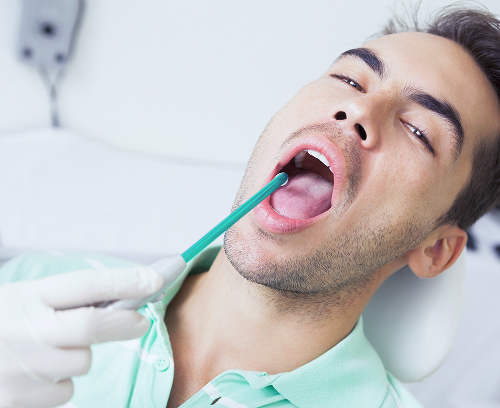
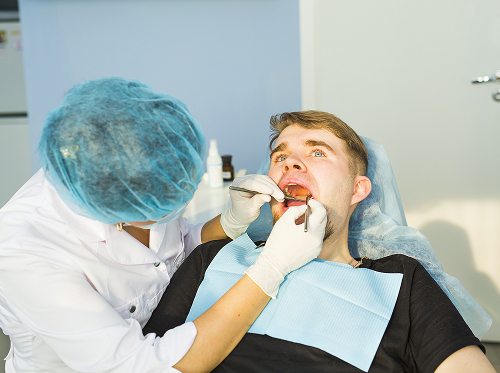
A qualified dentist begins the appointment with a detailed interview. The doctor records the patient's complaints and determines the duration of symptoms. The doctor will inquire about dietary habits and the presence of unhealthy habits. It is important to discuss any concomitant internal diseases and regular medication use.
What tests may be required
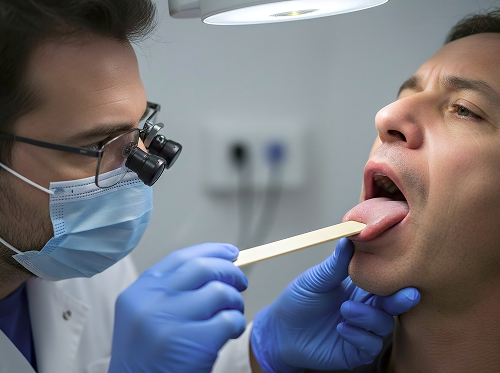
The specialist performs a thorough visual examination, assessing the condition of all tissues. If an active infection is suspected, a swab or scraping is taken for laboratory testing. Blood tests are ordered to detect systemic disorders. Deficiency conditions are assessed. Related specialists may be involved in the diagnostic process. Our clinic relieves symptoms while simultaneously helping to identify the root cause of the problem, from local trauma to deficiency and infection.



Distress when swallowing or a slight tingling sensation may seem harmless. However, there are signs from the body that should not be ignored.
Signs that require immediate medical attention:
- Your tongue has rapidly increased in size
- The pain interferes with eating and speaking
- You have ulcers or bleeding
- You have difficulty swallowing
- You have a fever and feel very unwell
If your tongue is rapidly swelling or you have difficulty breathing and swallowing, don't wait for it to improve—you need immediate medical attention.
FAQ
What is glossitis?
Can glossitis be treated at home?
Which doctor should I consult for glossitis?
When does glossitis require urgent expert help?
This information is for reference only. If any signs of illness appear, it is recommended to immediately consult a dentist.
Our doctors


















































This award is given to clinics with the highest ratings according to user ratings, a large number of requests from this site, and in the absence of critical violations.

This award is given to clinics with the highest ratings according to user ratings. It means that the place is known, loved, and definitely worth visiting.

The ProDoctors portal collected 500 thousand reviews, compiled a rating of doctors based on them and awarded the best. We are proud that our doctors are among those awarded.
Make an appointment at a convenient time on the nearest date
Price

Appointment to the doctor
Reviews





















Our clinics


Application “Personal Account K+31”












What is glossitis?
This is an inflammatory tissue lesion. The pathology develops independently or can be a marker of another disease. The inflammation can be acute or chronic. The acute condition is characterized by a vivid clinical picture, severe pain, and rapid progression of the pathology. The chronic form is characterized by a subtle clinical picture: symptoms periodically worsen and subside, and relapses occur as the patient's body weakens.