Impacted Teeth: Causes, Symptoms, and Treatment

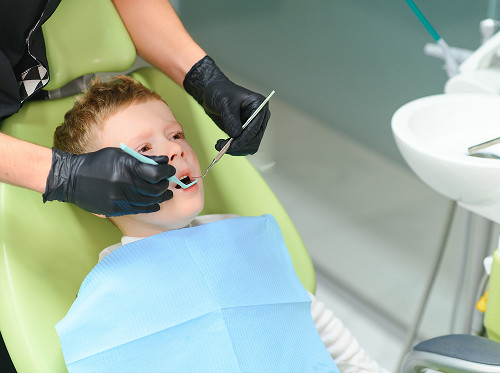
In dental practice, situations arise where a fully formed tooth remains hidden within the jawbone or is located directly under soft tissue. This phenomenon is called retention. This condition requires medical supervision, as a hidden crown can lead to a number of serious dental health problems. Therefore, timely treatment of an impacted tooth helps avoid adverse consequences, including severe inflammatory processes.

Best specialists
Best
specialists
Expert equipment
Expert
equipment
Advanced diagnostic treatment
Advanced diagnostic
treatment
Sign up
Fill out the entry form on the page and we will call you back
Sign up Позвонить
Download the application “Personal Account K+31”
Everything about your health in one click!
Subscribe to social networks K+31
To keep up to date with current offers and receive useful advice about your health.
What is an impacted tooth?

What is an impacted tooth?

This term refers to a formed tooth that has not yet occupied its physiologically correct position in the oral cavity by the time the natural period of bite formation has ended. The crown is locked beneath the bone tissue and is located beneath the mucous membrane. This pathology usually occurs during the transition from primary to permanent dentition or during the formation of molars.

Which teeth are most often impacted?

Which teeth are most often impacted?

Eights are the last teeth to erupt. The modern human jaw has shrunk slightly during evolution due to changes in diet. As a result, impacted wisdom teeth are much more common than other teeth, simply because they lack the space to emerge. Wisdom teeth remain subgingivally, causing discomfort.

Impacted Canines and Other Teeth

Upper canines are also prone to impaction. They begin to grow much later than incisors, so they often become lodged in the maxillary bone. This pathology also affects premolars and lower lateral incisors.

Semi-impacted and Dystopic Teeth

There are situations where the crown only partially emerges from the mucosal surface. Such a tooth is called a semi-impacted tooth. In some cases, the crown grows at an angle, is significantly offset from the central axis, and may also be rotated around itself. This is a dystopic tooth. This pathology can be combined with other pathologies, significantly complicating the overall picture. Semi-retention and dystopia occur simultaneously, which is considered a complex case in dental practice and requires surgical treatment.

Causes of retention
Causes of retention

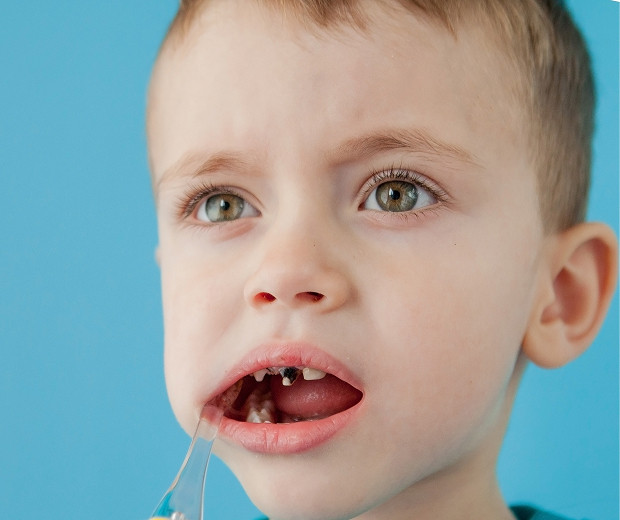
The development of the dental system is a complex process, and it doesn't always proceed smoothly. Sometimes a tooth stops advancing during the growth stage and remains trapped within the jaw. This is usually due to specific factors that prevent it from penetrating dense tissue and finding its proper position in the dental arch.

Lack of Space

Most often, the problem is related to a lack of space in the jaw. When the jaw is narrow and the teeth are crowded, the tooth simply doesn't have enough room to erupt normally.

Abnormal Position of the Teeth

Sometimes the teeth initially grow at an angle. Then the tooth failed to erupt not because of poor growth, but because of incorrect direction.

Hereditary and Orthodontic Factors

The shape of the jaws, the timing of the replacement of primary teeth, their early loss, and bite anomalies are all significant. In many cases, multiple factors are at play.
Symptoms of an impacted tooth

Sometimes a problem is discovered accidentally on an x-ray, when the person isn't complaining of anything at all. There's no pain, and the gums appear normal, but such a finding still requires follow-up by a doctor.

Pain, swelling, and inflammation of the gums

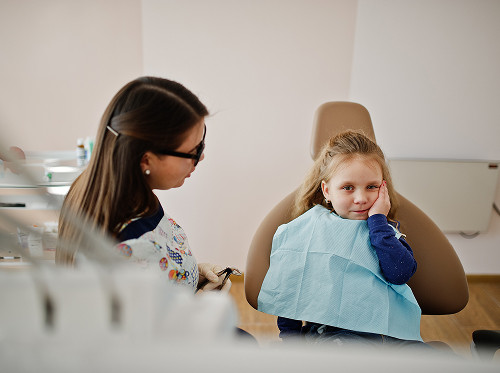
An impacted tooth often manifests itself with pain when chewing, swelling, redness of the gums, and bad breath. If the tooth has only partially erupted and is covered by mucous membrane, inflammation often develops in the so-called hood. In such cases, there is a high risk of pericoronitis, especially if it's a wisdom tooth. Warming this area or trying to treat it yourself is dangerous.

Pressure on adjacent teeth and malocclusion

An incorrectly positioned crown can cause pressure on adjacent teeth, displacement of teeth, and changes in the bite. Sometimes a feeling of pressure in the jaw is felt, and sometimes changes are only visible on x-ray.

Signs that require immediate consultation:

  • Pain in the area of ​​an unerupted tooth
  • Severe swelling and redness
  • Difficulty opening the mouth
  • Recurring inflammation

Soft tissue inflammation and pericoronitis

This hood creates conditions where plaque and bacteria can easily accumulate. Because of this, inflammation in this area often returns, and this is the main risk.

Caries of the adjacent tooth and root damage

If the crown rests against a molar, the contact surface is damaged, and the dentist may even notice caries, as well as tissue irritation or root resorption. Such complications of an impacted tooth can remain latent for a long time, and the problem can only be identified during a consultation with a dentist.

Cysts, displacement, and other complications

A cyst often forms around the crown, which can also lead to displacement, chronic inflammation, and even more complex problems, which also require complex treatment.

Symptoms of an impacted tooth
Diagnostics

Diagnostics

Diagnostics proceeds in the following sequence.

Dental examination

The dentist evaluates the gums, swelling, and the position of the teeth in the row.

X-ray diagnostics

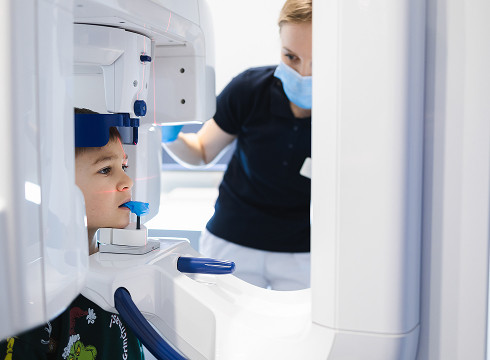
Diagnostics usually begins with an X-ray or orthopantomogram. This examination shows the location of the crown, the position of the roots, and the surrounding structures.

CBCT for complex tooth positions

If the problematic tooth is located deep, has a nearby nerve, or has an atypical root shape, CBCT is prescribed. Tomography helps plan the procedure more accurately and safely.

General information

When treatment is needed

Observation is acceptable if the tooth does not cause pain, does not damage adjacent tissue, and does not pose a high risk based on imaging.

When orthodontic extrusion is indicated

If the tooth is functionally important and can be realistically brought into alignment, the dentist may choose extrusion. This approach is most often used for canines.

When is removal of an impacted tooth recommended?

Indications include inflammation, cysts, dystopia, root pressure, and repeated episodes of pain. In such cases, treatment of an impacted tooth often involves surgery.
When treatment is needed

Treatment Methods

Approach When Used Main Goal Advantages Limitations
Observation No Complaints or Risks Monitoring No Intervention Examinations Required
Orthodontic Extrusion Tooth Needed in Occlusion Move Within Alignment Preservation Tooth Long-term treatment
Surgery There are complications Eliminate the source of the problem Quick solution Post-operative monitoring is required

Surgical extraction

In case of complications or high risk, the impacted tooth is removed. The extent of the procedure depends on the depth, shape of the roots, and the relationship to adjacent structures.

Orthodontic treatment

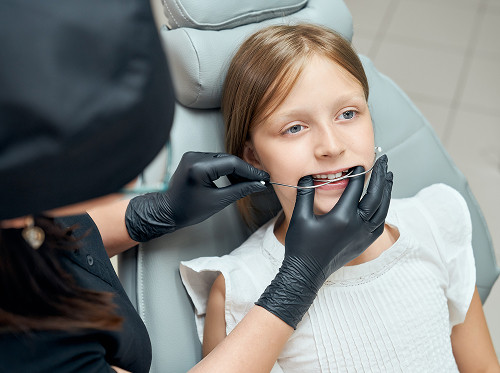
The orthodontist creates space in the row and gradually guides the tooth into the correct position. The method is aimed at preserving the tooth.

Combined approach

In some cases, the surgeon opens the crown, and the orthodontist then extracts the tooth. This approach is especially useful for retained canines.

Treatment Methods

How is the extraction performed?

The surgery is performed in a specific sequence.

Preparing for the procedure

Before the procedure, the doctor examines the images, assesses the risks, and selects anesthesia. Digital planning is helpful for complex anatomy.

Main stages of extraction

After anesthesia, the surgeon creates access through the mucosa and bone, then removes the tooth in whole or in parts, prepares the socket, and applies sutures if necessary. This is how an impacted tooth extraction typically proceeds.

What the patient experiences after the procedure

In the first few hours, moderate pain, swelling, and limited mouth opening are possible. Typically, these symptoms gradually subside.

How is the extraction performed?

Recovery after extraction

The recovery stages after treatment are listed below.

What can you do in the first few days

A gentle regimen, meticulous hygiene, and following recommendations are essential. A calm postoperative period helps the tissues heal predictably.

What should you avoid after extraction

Do not warm your cheek, rinse your mouth vigorously in the first few hours, self-medicate with antibiotics, or attempt to clean the socket with improvised means. Self-medication after the extraction of an impacted tooth is dangerous.

When is a follow-up consultation necessary?

A follow-up examination is necessary if swelling, fever, bleeding, severe pain, difficulty swallowing, or a deterioration in well-being occur.

Recovery after extraction

Frequently Asked Questions

What are the characteristics of a problem tooth?

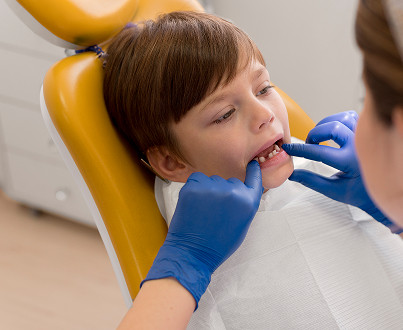
An impacted tooth is one that has not erupted fully or partially. It remains embedded in the gum. This can cause inflammation and pressure on adjacent teeth.

Should it be removed?

Not always. The decision depends on the tooth's position, images, risk of inflammation, and the condition of the adjacent roots.

What's the difference between an impacted tooth and a dystopic tooth?

In the former case, the tooth has not erupted fully or partially. In the latter, it has erupted incorrectly and is in an abnormal position.

How long does recovery take after an extraction?
Initial healing usually takes a few days. The full recovery time depends on the complexity of the case and how well the recommendations are followed.
Results

Results

It's important to note that such impacted teeth may remain undisturbed for a long time. However, if regular dental checkups and uncontrolled monitoring are not performed, this can lead to inflammation, tooth displacement, and damage to adjacent tissues. Therefore, treatment of an impacted tooth is essential. First, you should visit your dentist, take X-rays if necessary, and the doctor will conduct an in-person assessment of the clinical situation. Sometimes, the dentist will only prescribe regular monitoring, while in other cases, surgical intervention and removal of the impacted tooth may be necessary. An in-person consultation will help you understand the clinical picture and prevent complications.

Our doctors
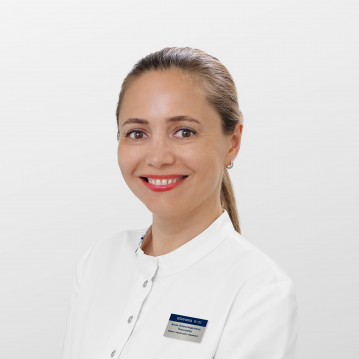
Shcherbakova Valentina Frantsevna
Experience 31 year
Make an appointment
Shcherbakova
Valentina Frantsevna
Head of the Department of Dentistry, dentist
Cherkasov Alexei Andreevich
Experience 19 years
Make an appointment
Cherkasov
Alexei Andreevich
Dentist-surgeon, implantologist, therapist
Bogdashin Sergey Vladislavovich
Experience 26 years
Make an appointment
Bogdashin
Sergey Vladislavovich
Orthopedic dentist
Artyomov Yanislav Alexandrovich
Experience 13 years
Make an appointment
Artyomov
Yanislav Alexandrovich
Dentist therapist
Ivashkevich Sergei Georgievich
Experience 31 year
Make an appointment
Ivashkevich
Sergei Georgievich
Dentist-surgeon, implantologist
Podshekoldina Elena Nikolaevna
Experience 17 years
Make an appointment
Podshekoldina
Elena Nikolaevna
Dentist Therapist
Matevosyan David Aramovich
Experience 12 years
Make an appointment
Matevosyan
David Aramovich
Dentist orthopedist
Samartseva Natalya Victorovna
Experience 20 years
Make an appointment
Samartseva
Natalya Victorovna
Dentist-surgeon, implantologist, therapist
Eloev Arthur Tamerlanovich
Experience 14 years
Make an appointment
Eloev
Arthur Tamerlanovich
Dentist surgeon
Vataev Vladislav Olegovych
Experience 17 years
Make an appointment
Vataev
Vladislav Olegovych
Dentist orthopedist
Pivovarova Natalya Sergeevna
Experience 7 years
Make an appointment
Pivovarova
Natalya Sergeevna
Dentist, hygienist
Bagaev Omar Makhachevich
Experience 20 years
Make an appointment
Bagaev
Omar Makhachevich
Dentist-therapist, pediatric
Zakharyan Georgy Karenovich
Experience 17 years
Make an appointment
Zakharyan
Georgy Karenovich
Dentist-surgeon
Kuznetsova Larisa Nikolaevna
Experience 29 years
Make an appointment
Kuznetsova
Larisa Nikolaevna
Hygienist
Sukhareva Darima Tsyrenovna
Experience 11 years
Make an appointment
Sukhareva
Darima Tsyrenovna
Dentist therapist
Grigoryeva Regina Bogdanovna
Experience 24 years
Make an appointment
Grigoryeva
Regina Bogdanovna
Dentist-therapist, endodontist
Melkumyan Ivan Mikhailovich
Experience 6 years
Make an appointment
Melkumyan
Ivan Mikhailovich
Dentist-surgeon
Golubev Vitaly Viktorovich
Experience 24 years
Make an appointment
Golubev
Vitaly Viktorovich
Dentist-orthodontist
Pavliy Yulia Vitalievna
Experience 15 years
Make an appointment
Pavliy
Yulia Vitalievna
Dentist-therapist
Najaryan Liana Artyomovna
Experience 6 years
Make an appointment
Najaryan
Liana Artyomovna
Dentist-surgeon, implantologist
Sharifov Eldar Rasimovich
Experience 7 years
Make an appointment
Sharifov
Eldar Rasimovich
Dentist-therapist
Ibragimova Olesya Kayinbekovna
Experience 18 years
Make an appointment
Ibragimova
Olesya Kayinbekovna
Dentist-therapist, microscopist
Sahakyan Arpine Argishtovna
Experience 9 years
Make an appointment
Sahakyan
Arpine Argishtovna
Dentist, pediatric dentist
Geraskina Inna Igorevna
Experience 11 years
Make an appointment
Geraskina
Inna Igorevna
Orthodontist
Nikolaeva Irina Yuryevna
Experience 31 year
Make an appointment
Nikolaeva
Irina Yuryevna
Dentist surgeon, periodontist
Avdeeva (Sokolova) Anastasia Eduardovna
Experience 12 years
Make an appointment
Avdeeva (Sokolova)
Anastasia Eduardovna
Dentist, pediatric
Shapran Sergey Olegovich
Experience 10 years
Make an appointment
Shapran
Sergey Olegovich
Dentist-surgeon
Lebedeva Natalia Mikhailovna
Experience 6 years
Make an appointment
Lebedeva
Natalia Mikhailovna
Orthodontist
Ozerova Elena Valerievna
Experience 24 years
Make an appointment
Ozerova
Elena Valerievna
Dentist
Lebedeva
Taisia Mikhailovna
Dentist-therapist, pediatric dentist
Gulyutkin Alexander Mikhailovich
Experience 6 years
Make an appointment
Gulyutkin
Alexander Mikhailovich
Dentist-therapist
Mitroshenkov Pavel Nikolaevich
Experience 41 year
Make an appointment
Mitroshenkov
Pavel Nikolaevich
Maxillofacial surgeon
Dergunova Anna Olegovna
Experience 11 years
Make an appointment
Dergunova
Anna Olegovna
Dentist-therapist
Pavlovskaya Evgeniya Olegovna
Experience 13 years
Make an appointment
Pavlovskaya
Evgeniya Olegovna
Dentist-orthopedist, dentist-therapist
Khachatryan Ripsime Grigorievna
Experience 8 years
Make an appointment
Khachatryan
Ripsime Grigorievna
Dentist-therapist
Zakharova Ksenia Sergeevna
Experience 8 years
Make an appointment
Zakharova
Ksenia Sergeevna
Dental surgeon, periodontist
Zhigulina Yulia Olegovna
Experience 10 years
Make an appointment
Zhigulina
Yulia Olegovna
Dentist
Aylarova Zarina Vladimirovna
Experience 11 years
Make an appointment
Aylarova
Zarina Vladimirovna
Dentist-therapist
Marchenko Ekaterina Andreevna
Experience 4 years
Make an appointment
Marchenko
Ekaterina Andreevna
Dental assistant
Dyachkova Inna Vladimirovna
Experience 9 years
Make an appointment
Dyachkova
Inna Vladimirovna
Orthodontist
All specialists
2GIS Award
2GIS Award

This award is given to clinics with the highest ratings according to user ratings, a large number of requests from this site, and in the absence of critical violations.

«Good place» according to Yandex

This award is given to clinics with the highest ratings according to user ratings. It means that the place is known, loved, and definitely worth visiting.

Our doctors are laureates of the ProDoctors Award
The ProDoctors portal collected 500 thousand reviews, compiled a rating of doctors based on them and awarded the best. We are proud that our doctors are among those awarded.
Make an appointment at a convenient time on the nearest date

Price

Reception
Price
Primary appointment with a dentist-therapist
from 5 800 ₽
Repeated appointment with a dentist-therapist
from 4 950 ₽

Appointment to the doctor

Fill out the form, our managers will contact you within 15 minutes

Reviews

A true professional with golden hands!
03.05.2026
Aleksandr K.
A very talented doctor… Removed the tooth without dust and noise.. Gave recommendations… I bow low to you
02.05.2026
Denis G.

About doctor:

Shapran Sergey Olegovich

A doctor who loves his robot is 1000% sure there is something to match. He works without sparing his hands… I bow low to you…
02.05.2026
Denis G.
Artur Tamerlanovich is truly a magician. A doctor from God is about him. There has never been such an easy wisdom tooth extraction in my life. If you want to get to a professional in your field, go here. Good health to all.
27.04.2026
Valentina O.
Anna Alexandrovna is truly a master of her craft. And it's very easy to trust in the hands of a master. Thank you for the truly pleasant treatment. I wish there were more such attentive and professional doctors.
27.04.2026
Valentina O.
An experienced specialist, a pleasant person
25.04.2026
Tatyana P.
I am always happy with brushing my teeth
20.04.2026
Kseniya A.
An exceptionally professional doctor! Thank you very much!!!
18.04.2026
Valeriy Sh.
Thank you Natalia for your attention and care. If you go to the dentist, then only to her.
16.04.2026
Georgiy Y.
My favorite dentist. The treatment is at the highest level.
13.04.2026
Viktoriya F.
Почему К+31?
К + 31 — full-cycle multidisciplinary medical centers, including the possibility of providing medical services of European quality level.
К + 31 — are leading doctors and diagnostics using high-tech equipment from world manufacturers (Karl Storz, Olympus, Siemens, Toshiba, Bausch&Lomb, Technolas, Zeiss, Topcon).
К + 31 — is ethical. The staff of K+31 clinics maintain open relationships with patients and partners. An individual approach to each patient is the basis of our service standards.
К + 31 — is modernity. On call 24/7: call center operators will answer your questions at any time and book you an appointment with doctors. Contact us by phone, through the feedback form on the website and Max.
Our clinics

Address K+31 on Lobachevskogo

st. Lobachevskogo, 42/4

Contacts

+7 499 999-31-31

Opening hours
Mon-Fri: 08:00 – 21:00
Weekend: 09:00 – 19:00

Opening hours on holidays
01.05—03.05: 09:00—19:00

09.05—11.05: 09:00—19:00

Address K+31 Petrovskie Vorota

1st Kolobovsky pereulok, 4

Contacts

+7 499 999-31-31

Opening hours

Mon-Fri: 08:00 – 21:00
Sat-Sun: 09:00 – 19:00

Opening hours on holidays

01.05—03.05: 09:00—18:00

09.05: нерабочий день

10.05—11.05: 09:00—18:00

Address K+31 West

Orshanskaya, 16/2; Ak. Pavlova, 22

Contacts

+7 499 999-31-31

Opening hours

Mon-Fri: 08:00 – 21:00
Sat-Sun: 09:00 – 18:00

Opening hours on holidays

01.05—03.05: 09:00—18:00

09.05—11.05: 09:00—18:00

Петровские ворота
Didn't find the service you were looking for?

Экстренная помощь