
Tetracycline Teeth: Diagnosis and Correction
Teeth color can change when taking certain medications. One of the most complex forms of discoloration is so-called tetracycline teeth, which require a special treatment approach and thorough preliminary diagnosis.

specialists

equipment

treatment






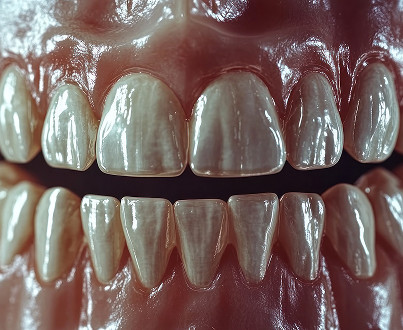
Why does tetracycline staining of teeth occur?

The color changes because tetracycline molecules interact with calcium. The resulting compounds—tetracycline orthophosphates—are deposited in bone tissue and teeth, permanently altering their optical properties.
How Tetracycline Affects Enamel and Dentin Formation
During amelogenesis and dentinogenesis (the formation of enamel and dentin), the drug penetrates the tooth structure. When exposed to ultraviolet light, the accumulated tetracycline oxidizes, leading to a gradual darkening of the crowns. In this case, it is the dentin that is affected, showing through the translucent enamel, creating a characteristic shade.
When is the risk of staining higher?
The most critical periods for the development of this pathology are considered to be:
- The second and third trimesters of pregnancy (during this time, the baby's primary teeth are formed)
- The period from birth to 8-12 years (the time when the permanent dentition is formed and mineralized)
Who is at risk?
Children who took tetracycline and children whose mothers took this antibiotic during pregnancy. The degree of pigmentation depends on how long the child or mother took the medication.
What do tetracycline teeth look like?
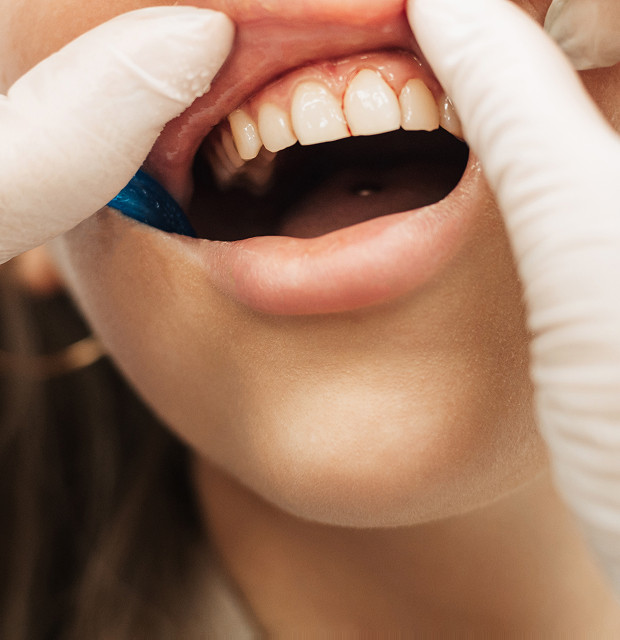
The visual manifestations of discoloration are specific, allowing the dentist to suspect the etiology of the disease during the initial examination. Unlike caries, discoloration usually affects the entire group of teeth formed during the period of medication use.
Main external signs
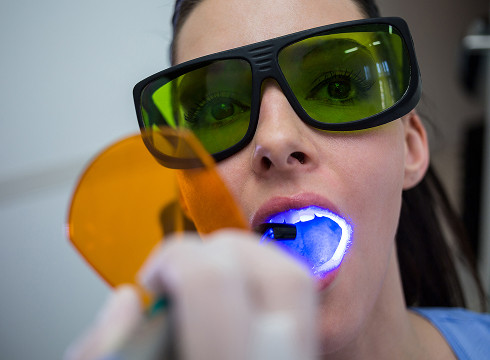
A characteristic feature is the symmetry of the lesion. The anterior incisors and first molars are most often affected. Under ultraviolet light, the teeth appear brightly luminescent.
Degrees of Staining Severity
There are three degrees of staining:
- Mild: uniform yellow or light brown staining without streaks
- Moderate: saturated shades, gray or yellow-orange streaks appear
- Severe: pronounced dark gray, brown, or bluish streaks on the enamel
What shades and streaks are most common?
The most common shades doctors observe are lemon yellow, dark brown, and dirty gray. The horizontal stripes correspond to the stages of treatment: the number of treatment courses a child has completed determines the number of "lines" that may appear on their smile.
Can tetracycline teeth be whitened?
Can tetracycline teeth be whitened at home? No, toothpastes and whitening strips won't help in this case, as the pigment is located within the dentin.
When can whitening be effective?
Tetracycline teeth whitening is only effective for the first (mild) stage of staining. Professional systems with a high concentration of active substance and light activation (photobleaching) are used.
When whitening is not enough?
Whitening will not be effective if there are gray or brown streaks on the teeth. In this case, the pigment needs to be broken down. This can only be done by a dentist.
What results can you realistically expect?
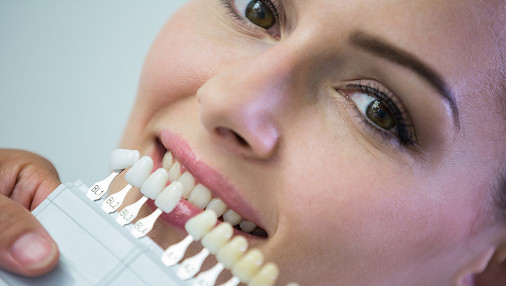
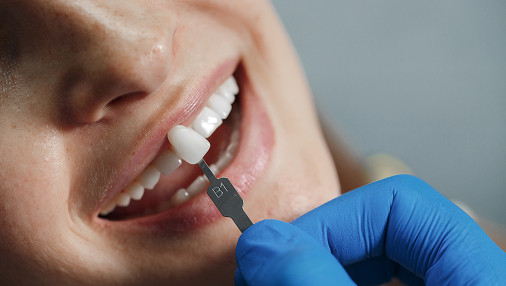
Don't expect sparkling white teeth. They can be lightened by several shades on the Vita scale. You should understand that this type of tooth pigmentation cannot be treated in a single visit; comprehensive therapy is required.
Tetracycline-Infected Teeth Correction Methods
Aesthetic dentistry treats this problem in two ways: conservative therapy and orthopedics. Treatment is carried out in several stages:
- Teeth cleaning: the dentist removes plaque and analyzes the true shade of the enamel.
- Whitening: performed in several stages by the dentist.
- Remineralization: the dentist saturates the enamel with calcium and phosphorus.
- Composite restoration: the dentist applies a light-cured material.
- Veneer placement.
Veneers are the best treatment option for tetracycline-infected teeth. Crowns are installed for severely damaged teeth.
How a Treatment Method is Chosen
The treatment method is determined after diagnosis. There are several ways to determine the condition of the teeth:
- By degree of staining: mild – bleaching, moderate – composites or veneers, severe – ceramic veneers or crowns.
- By enamel condition: if the enamel is thin or cracked, aggressive bleaching is contraindicated; microprosthetics are preferred.
- By aesthetic expectations: if the patient wants a radical smile makeover, veneers provide the most predictable results.
General information
Treatment and Correction Stages
In Moscow clinics that treat tetracycline teeth, the procedure typically follows a standard protocol.
Initial Consultation
The doctor conducts an examination, listens to your complaints, and determines the treatment goal. The cost is also discussed at this stage.
Oral Preparation
First, caries is treated and gum inflammation is eliminated. Only then can the enamel be treated. If the mouth is not sanitized, the infection will return.
Main Stage of Correction
Next, there are two options: whitening or veneers. When restoring tetracycline-treated teeth with composite resin, you may need to visit the dentist several times.
Result Monitoring
Assessment of the fit of the restorations, checking the occlusion (bite), and patient satisfaction with the achieved color.


Frequently Asked Questions
Will professional cleaning remove tetracycline stains from enamel?
Can tetracycline stains be treated in one visit?
Is whitening safe for this condition?
Our doctors


















































This award is given to clinics with the highest ratings according to user ratings, a large number of requests from this site, and in the absence of critical violations.

This award is given to clinics with the highest ratings according to user ratings. It means that the place is known, loved, and definitely worth visiting.

The ProDoctors portal collected 500 thousand reviews, compiled a rating of doctors based on them and awarded the best. We are proud that our doctors are among those awarded.
Make an appointment at a convenient time on the nearest date
Price

Appointment to the doctor
Reviews





















Our clinics


Application “Personal Account K+31”












Diagnosis of tetracycline teeth
Effective treatment of tetracycline teeth is impossible without an accurate diagnosis. The specialist must rule out other types of endogenous staining.
Examination and History Taking
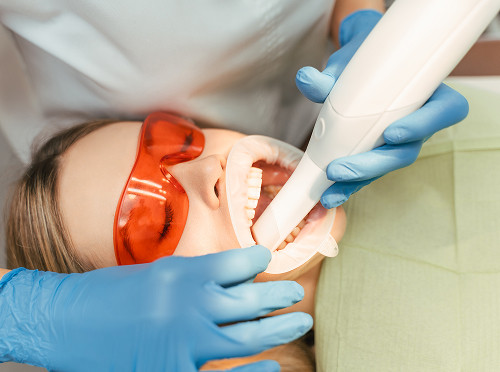
The doctor determines whether the patient or their mother took antibiotics as a child. A visual examination using a photographic protocol is also performed to document the initial tooth discoloration and compare it with the results after treatment.
Enamel Color and Condition Assessment
The Vita scale determines the intensity of discoloration. Not only the color but also the integrity of the tooth itself is assessed.
How do tetracycline teeth differ from fluorosis, hypoplasia, and other causes of pigmentation?
Differential diagnosis is performed, as correction methods vary significantly.
It is important to know the differences between fluorosis and tetracycline teeth, as excessive bleaching can damage teeth with or without fluorosis. that fragile enamel, whereas with tetracycline damage it may be simply useless.