
Candidiasis: symptoms, causes, diagnosis and treatment
Candidiasis is a disease caused by the overgrowth of microscopic yeast-like fungi. It is always accompanied by itching, burning, and a specific odor. Treatment is prescribed after testing and confirmation of the diagnosis.

specialists

equipment

treatment






Causes of candidiasis and risk factors
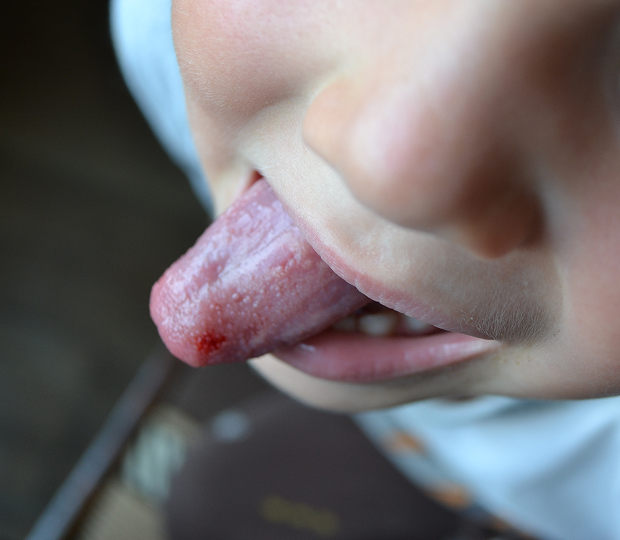
The main causes of candidiasis are not the presence of the fungus itself, but rather a weakening of the body's defenses that inhibit its growth. The body loses control over the number of microorganisms, leading to the development of a pathological process.
What triggers Candida growth?
- Long-term or uncontrolled use of antibiotics
- Changes in the acidity (pH) of the mucous membranes
- High blood sugar
- Stress and fatigue
Who is at risk?
This applies to the following patients:
- People with diabetes
- Pregnant women: their hormonal levels change
- People with weakened immune systems
- People using removable dentures or inhaled corticosteroids

Symptoms of candidiasis
Manifestations of the disease depend on the location of the infection. Despite common features, signs of the disease vary between genders.
Symptoms of candidiasis in women
Women most often experience candidiasis when the infection affects the genital area. The main signs of the disease, which are difficult to ignore, are severe itching and burning. The discomfort usually becomes almost unbearable in the evening or after taking a shower. The mucous membrane itself appears bright red and swollen, and the characteristic "cheesy" discharge with a characteristic sour odor appears.
Symptoms in men
Candidiasis in men most often develops into balanoposthitis, which is what doctors call inflammation of the glans penis and foreskin. It can be recognized by several obvious signs:
- The tissues become red and swollen
- A whitish coating appears that is difficult to wash off or remove.
- Discomfort and pain occur when going to the toilet or during intercourse.
- A small rash or small sores (erosions) may appear on the skin.
Oral and cutaneous candidiasis
When affecting the oral cavity, a white, film-like coating appears on the tongue, palate, and inside of the cheeks. When scraped, inflamed, bleeding mucosa is revealed underneath. Candidiasis of the skin most often affects large folds (under the breasts, in the groin), where the skin becomes moist, red, and covered with small blisters.
The main forms of candidiasis
The disease is classified by the location of its manifestation. This helps the doctor quickly determine the appropriate examination and treatment methods.
Vaginal candidiasis
This is the most common form of damage to the female reproductive system. Vaginal candidiasis can be either acute or chronic. In the latter case, symptoms are milder, but the disease recurrs several times a year, requiring a more thorough examination.
Oral candidiasis
It is more common in young children or the elderly. Oral candidiasis is accompanied by dry mouth, loss of taste, and a burning sensation. A white coating can spread to the tonsils and throat.
Candidosis of the skin and mucous membranes
This form involves lesions of skin folds, interdigital spaces, and the corners of the mouth (angular cheilitis). The skin in the lesions becomes macerated (loosened), acquires a crimson hue, and a distinctive sheen.

General information
Diagnosis of candidiasis
Diagnosis of candidiasis always begins in the doctor's office. The treatment strategy depends on the accuracy of the diagnosis.
Examination and collection of complaints
The doctor assesses the nature of the plaque, the degree of tissue inflammation, and analyzes the patient's medical history: whether the patient has recently taken antibiotics and whether they have any chronic diseases. A visual examination helps distinguish typical fungal infections from other types of dermatitis or infections.
What tests are prescribed
Laboratory confirmation is mandatory. The following tests are typically prescribed for candidiasis:
- Smear (microscopy): allows you to quickly see fungal filaments under a microscope.
- Candida culture: helps determine the type of fungus and its quantity.
- PCR for Candida: a highly accurate method for detecting the pathogen's genetic material.
- Drug susceptibility testing to determine which antibiotics will be most effective.
How to distinguish candidiasis from other diseases.
A doctor must perform a procedure called differential diagnosis. Symptoms of candidiasis are similar to those of bacterial vaginosis, herpes, psoriasis, or allergic stomatitis. To make a diagnosis, tests are necessary, as antibiotics should not be taken with this condition, as they will only worsen the condition.




Do not self-medicate if:
- Severe swelling, severe pain, or bleeding develops
- Body temperature rises above 37.5°C
- Symptoms of candidiasis do not improve with the use of over-the-counter medications
- The rash begins to spread rapidly to new areas of the body
- The disease developed during pregnancy
| Type of candidiasis | Typical symptoms | Which doctor should I see? | When is urgent help needed? |
|---|---|---|---|
| Vaginal | Curdy discharge, severe itching | Gynecologist | If lower abdominal pain and fever occur |
| Oral | White coating on the tongue and cheeks, burning sensation | Dentist, general practitioner | Difficulty swallowing or breathing |
| Skin | Redness of folds, oozing, itching | Dermatologist | If pustules and severe swelling appear |
Frequently asked questions
Can you get candidiasis from a partner?
Does diet help cure thrush?
Why does thrush keep coming back?
Candidiasis is a fungal infection. It cannot be treated with antibiotics. To eliminate itching and burning permanently, an accurate diagnosis is necessary.
Treatment should be prescribed by a doctor. Self-medication leads to irreversible consequences.
Our doctors

















































This award is given to clinics with the highest ratings according to user ratings, a large number of requests from this site, and in the absence of critical violations.

This award is given to clinics with the highest ratings according to user ratings. It means that the place is known, loved, and definitely worth visiting.

The ProDoctors portal collected 500 thousand reviews, compiled a rating of doctors based on them and awarded the best. We are proud that our doctors are among those awarded.
Make an appointment at a convenient time on the nearest date
Price

Appointment to the doctor
Reviews





















Our clinics


Application “Personal Account K+31”












What is candidiasis?
Candidiasis is a type of mycosis. It's not a classic infection: the fungus lives in each of us, but symptoms appear when the immune system is compromised.
Which fungi cause the disease?
The main culprit is fungi of the genus Candida, most often the species Candida albicans. These are essentially simple microorganisms that live in small numbers in most of us in the mouth, intestines, or mucous membranes of the genital tract, without causing any symptoms. However, as soon as they sense a weakening in the body, their behavior changes: from harmless round cells, they transform into long threads. In this form, the fungus literally grows into the tissue, causing that unpleasant inflammatory reaction.
How is candidiasis different from "thrush?"
Thrush is a common term. The condition is so named because the discharge resembles cottage cheese or sour milk in consistency.
Doctors call this condition candidiasis. And it's not just about intimate issues: candidiasis can be vaginal and sometimes affects the skin, nails, and oral mucosa.